You've seen it all. The cardiac arrest at 2 AM. The stroke victim who waited too long to call. The diabetic patient who'd been told for years to change their lifestyle — and didn't.
You respond to the consequences of neglected health every single shift. And then you go home, crash, eat whatever's fastest, and do it all over again.
It's one of the great ironies of emergency medicine: the people who understand the stakes of poor health most intimately are often the ones struggling most to prioritize their own.
EMS work is physically brutal in ways that aren't always visible from the outside. Lifting patients — often in awkward positions, on stairs, in tight spaces — puts enormous strain on backs, shoulders, and knees. Add night shifts, disrupted sleep, high-stress calls, and irregular eating, and the cumulative wear on the body is significant.
First responders have higher rates of musculoskeletal injury, cardiovascular disease, and metabolic disorders than the general population. The job itself is a health risk.
Fitness is one of the most effective ways to offset that risk.
You can't always control the call. You can't control the patient's weight, the location of the emergency, or the physical demands the scene will place on your body. What you can control is how prepared your body is to meet those demands.
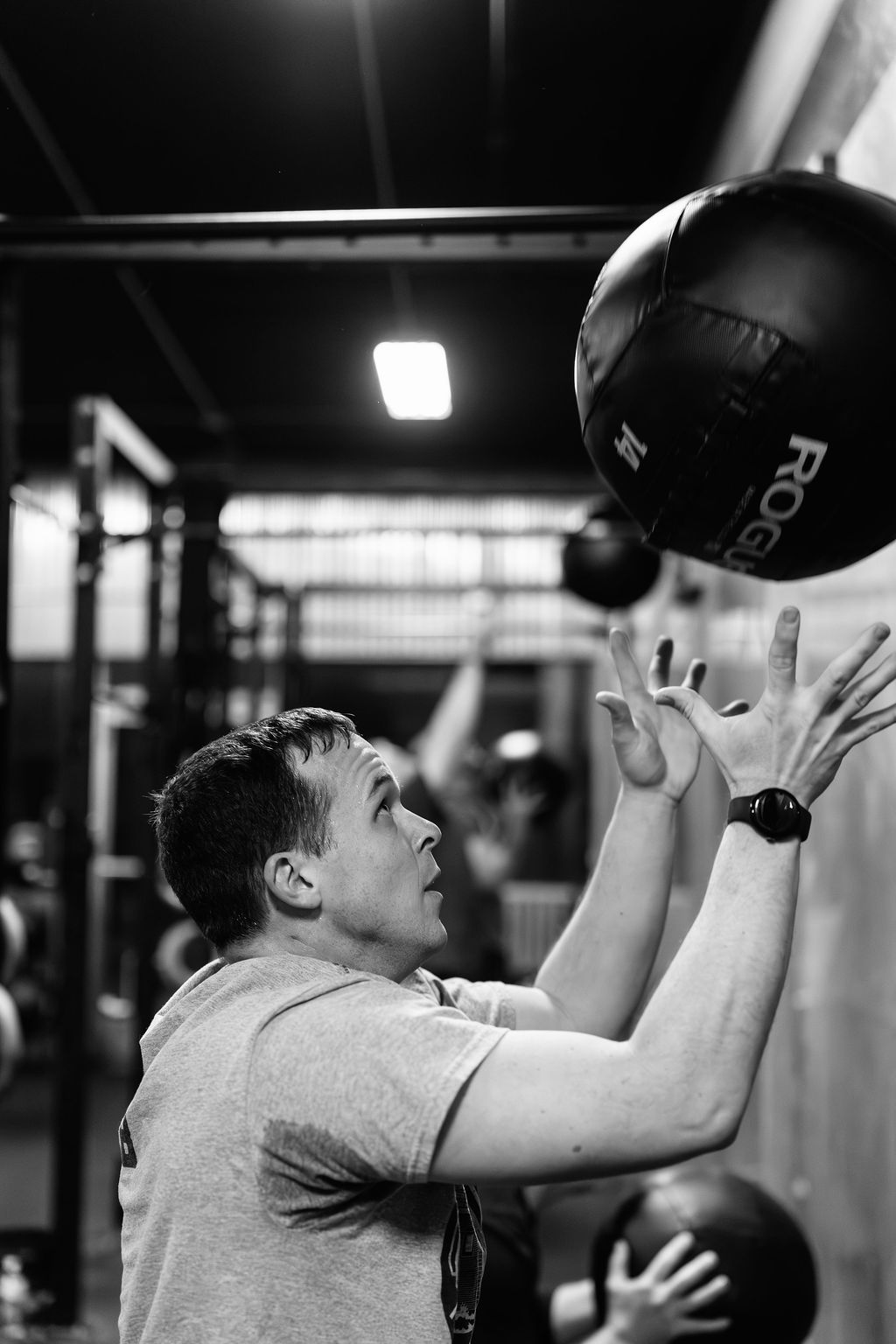
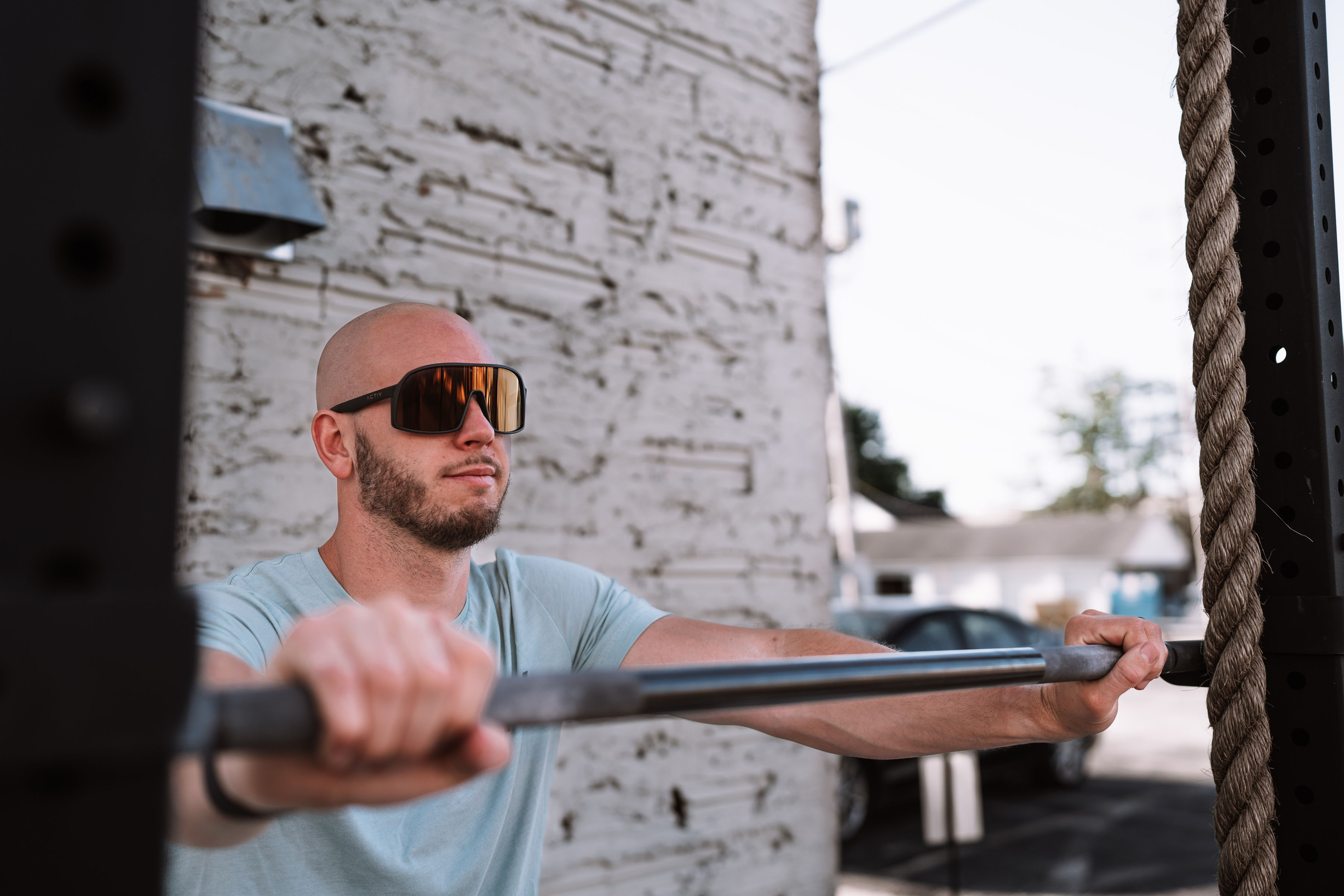
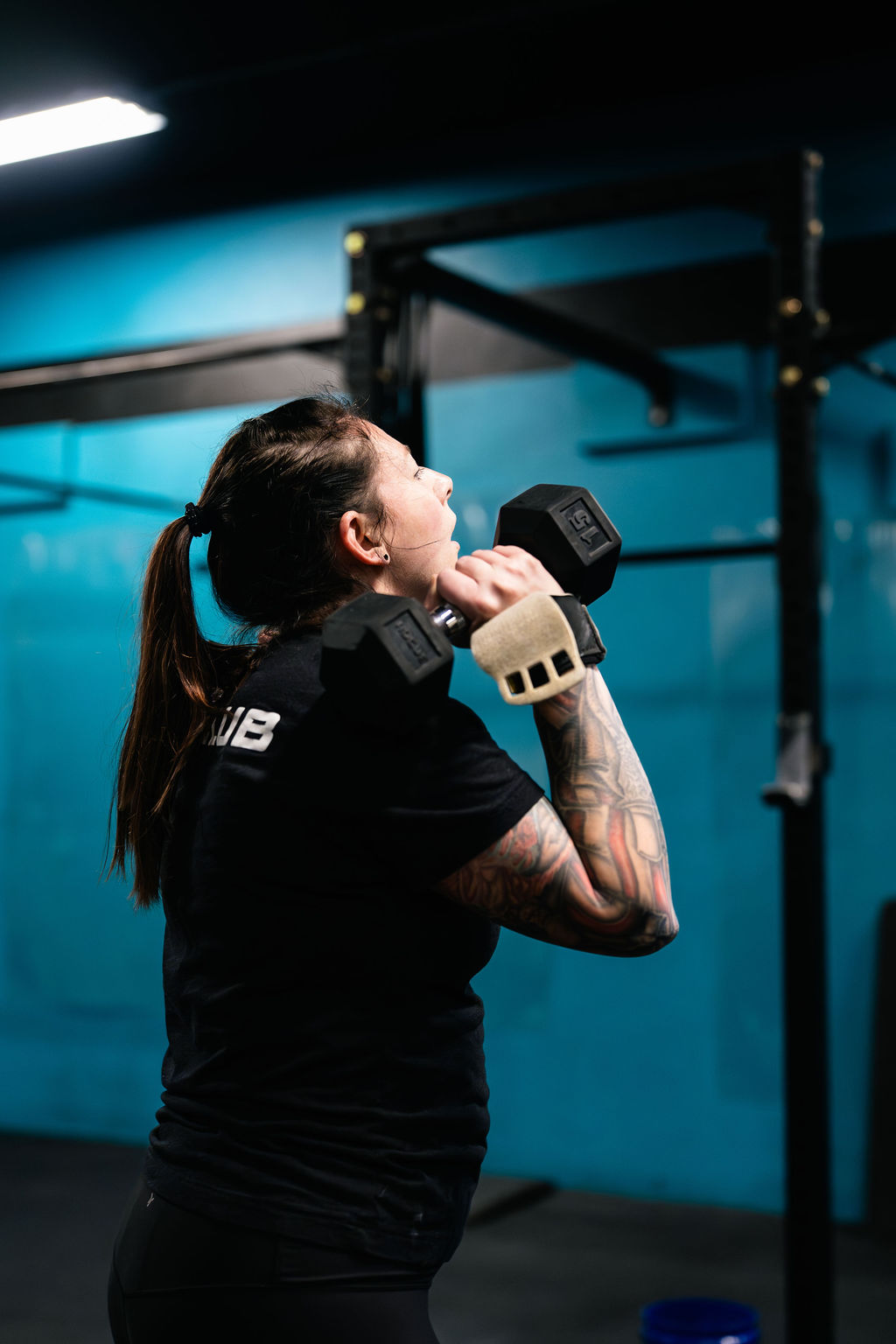
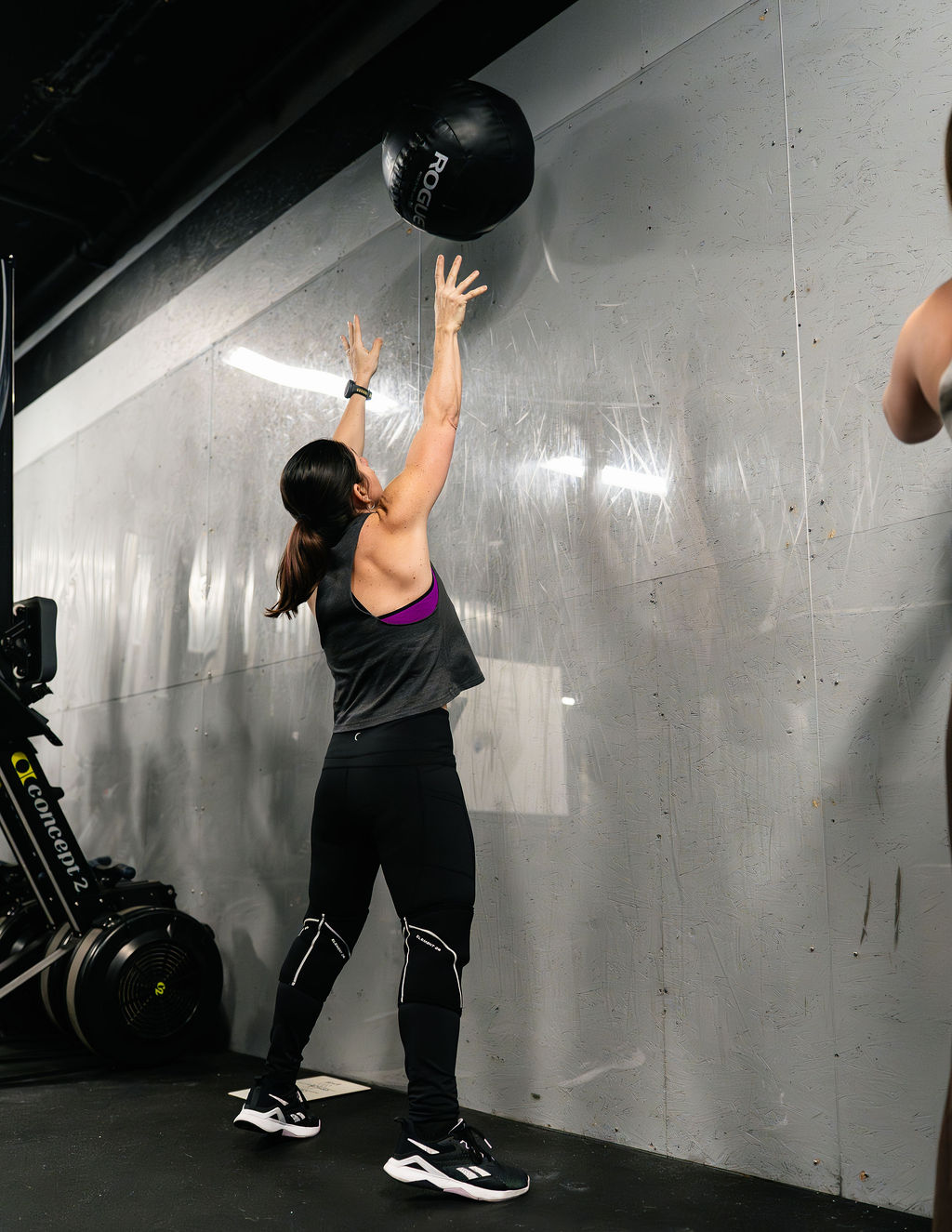
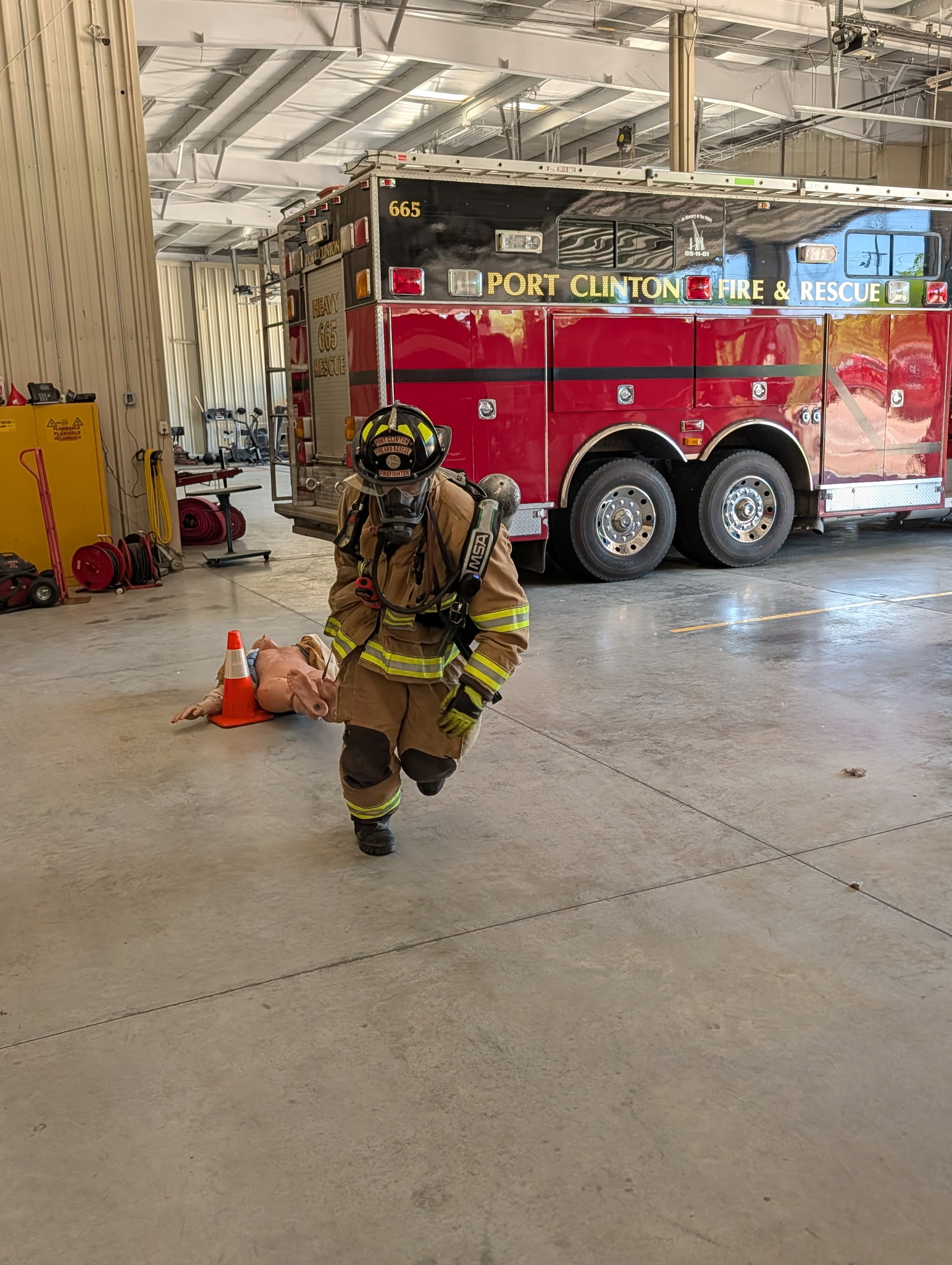
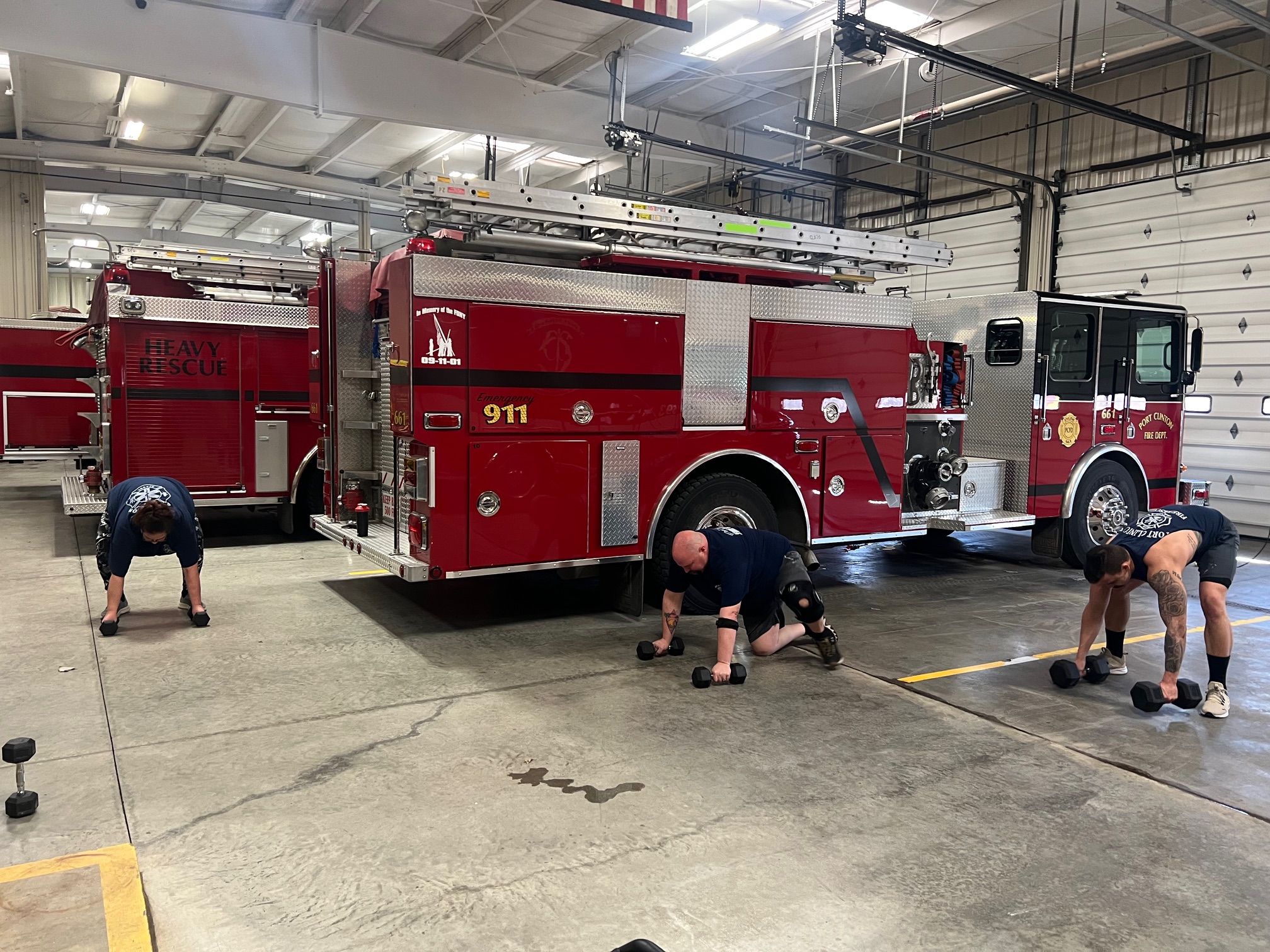
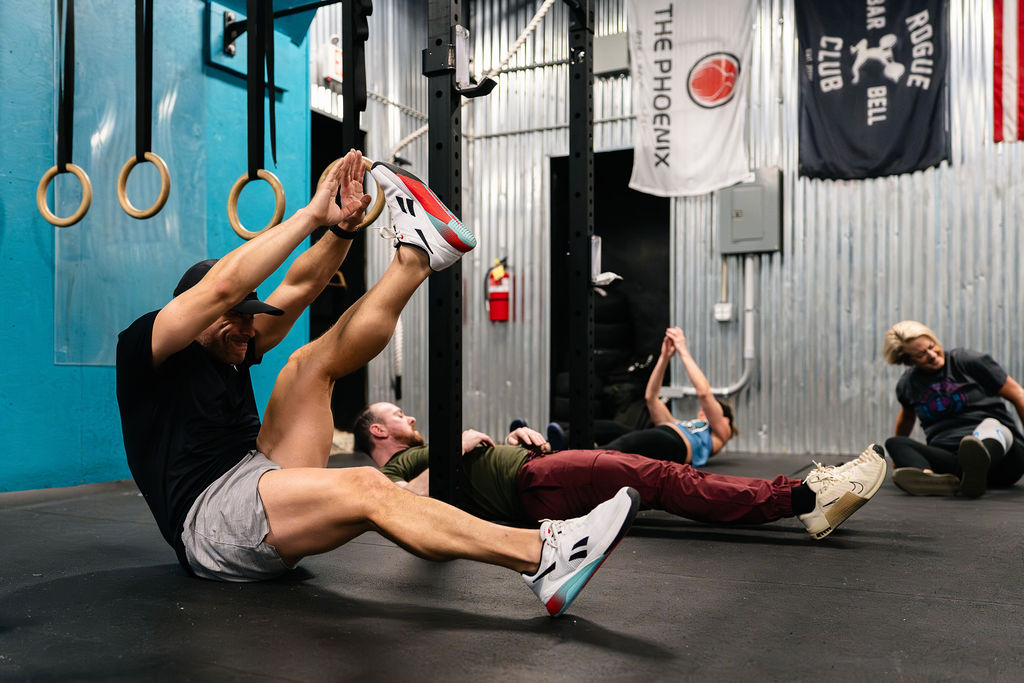
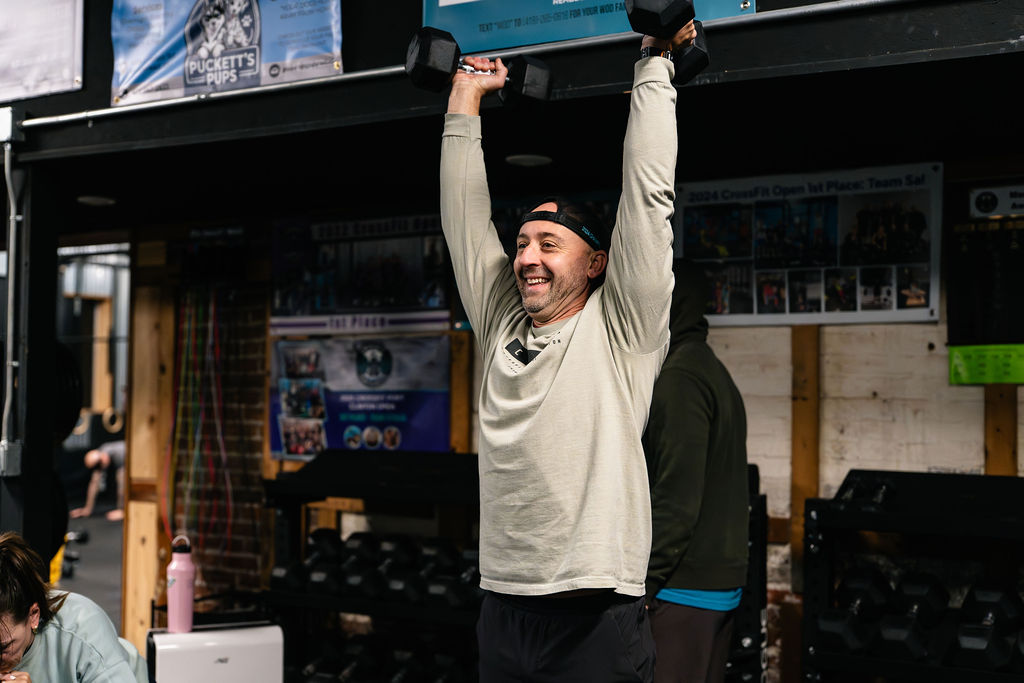
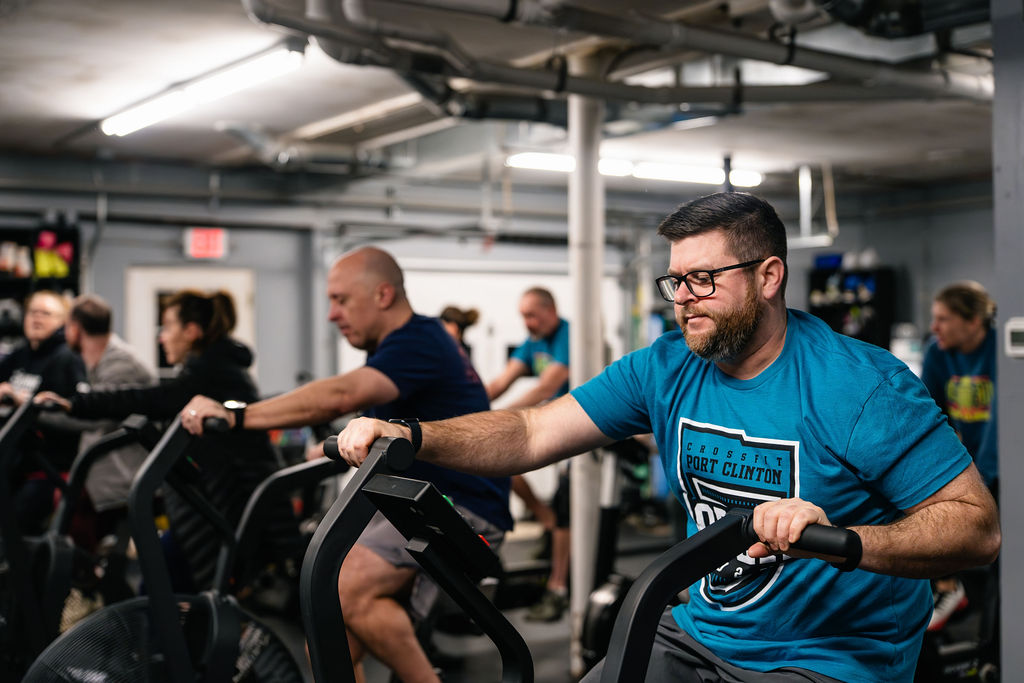
Functional strength training builds the physical capacity that transfers directly to your work: carries, lifts, endurance under stress, and the recovery speed that lets you be ready for the next call.
First responders experience PTSD, depression, and anxiety at rates far exceeding the general population. The cumulative exposure to trauma, combined with shift work and limited psychological support, creates a mental health crisis in the EMS community that is only beginning to be addressed openly.
Exercise is not a substitute for mental health treatment. But it is one of the most consistently effective tools for stress regulation, emotional resilience, and quality of sleep. For a population that's often reluctant to seek clinical support, a fitness routine can be a critical first line of defense.
The culture of EMS is one of selflessness — show up, serve, move on. Your own needs often feel secondary to the mission. But the mission needs you healthy. Your crew needs you capable. Your family needs you alive.
Taking care of your body isn't a distraction from the work. It's what makes the work sustainable for the long haul.
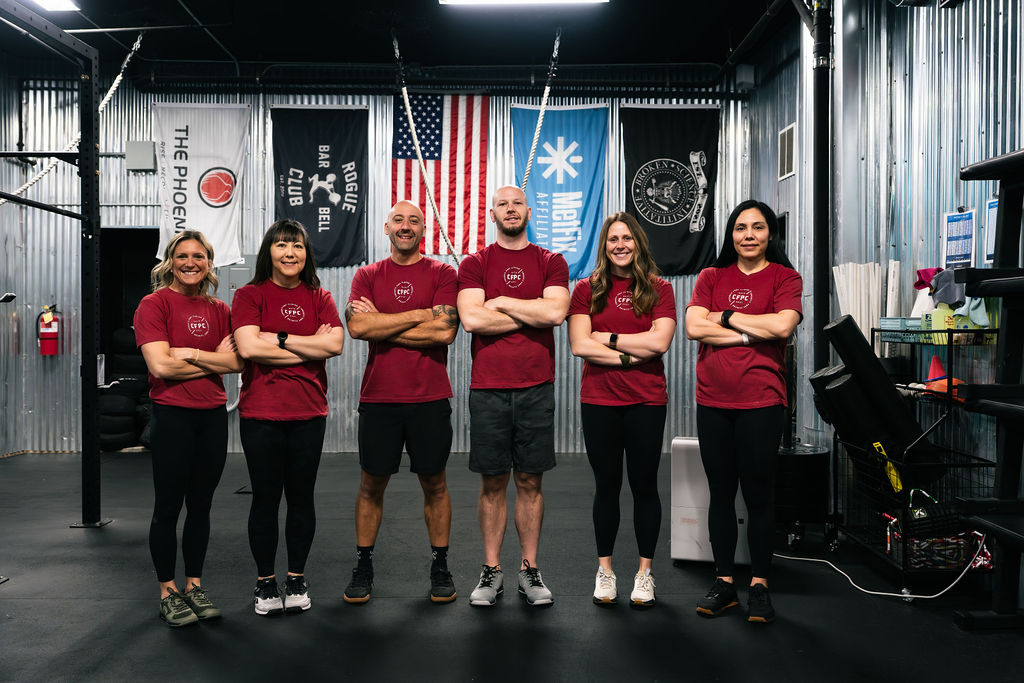
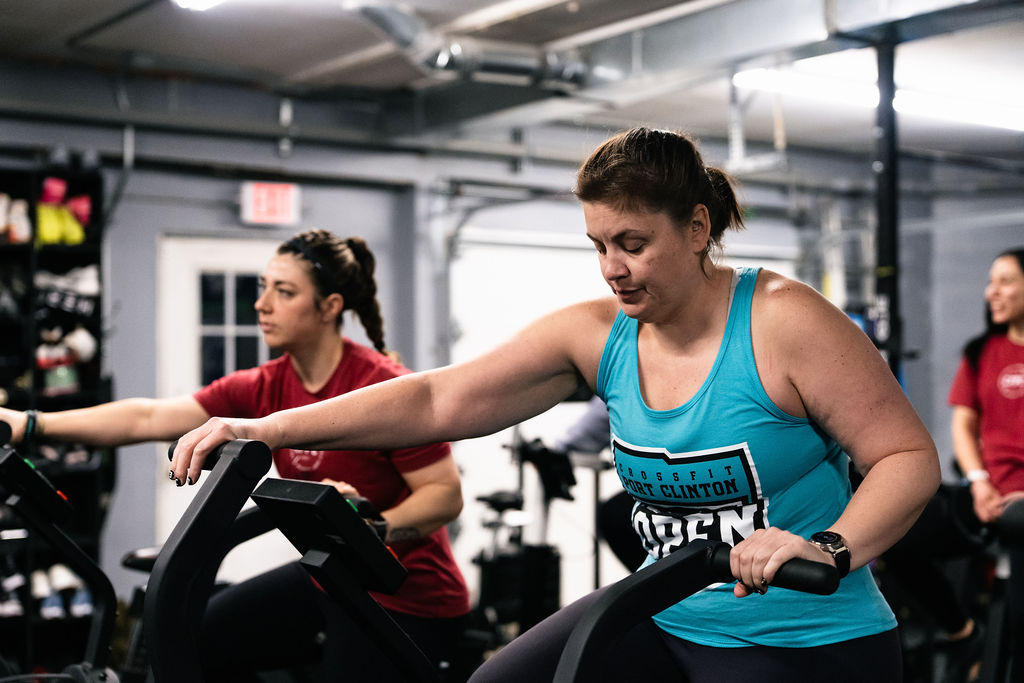
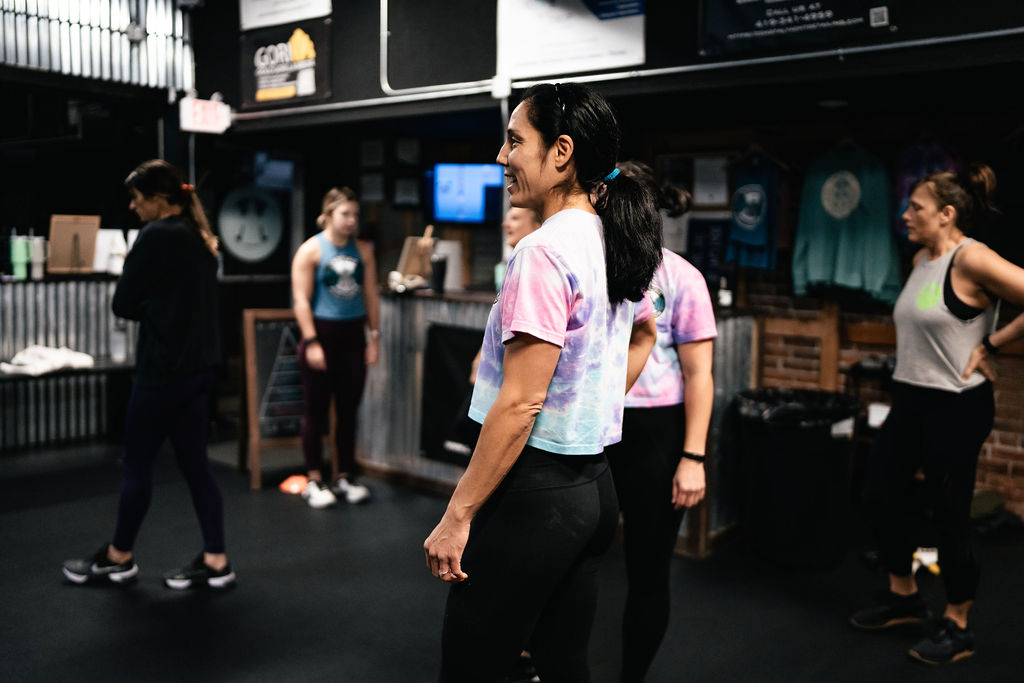
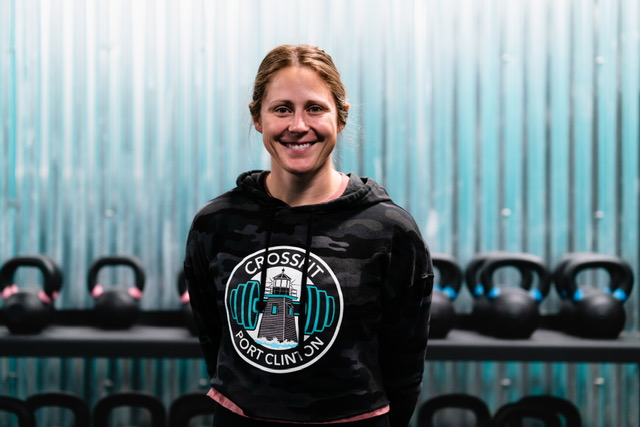
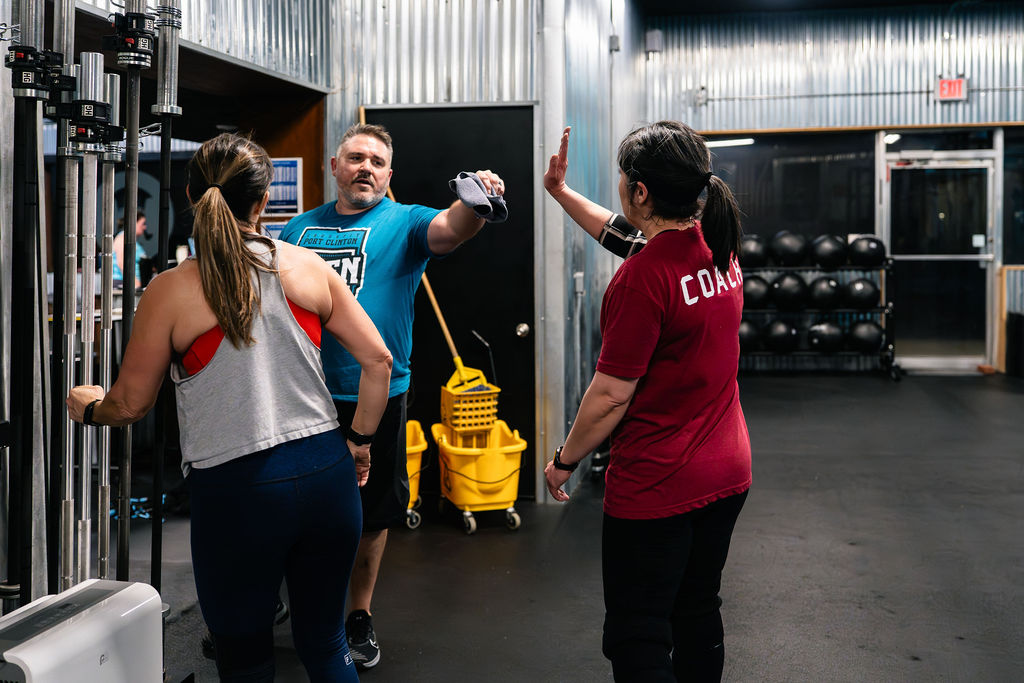
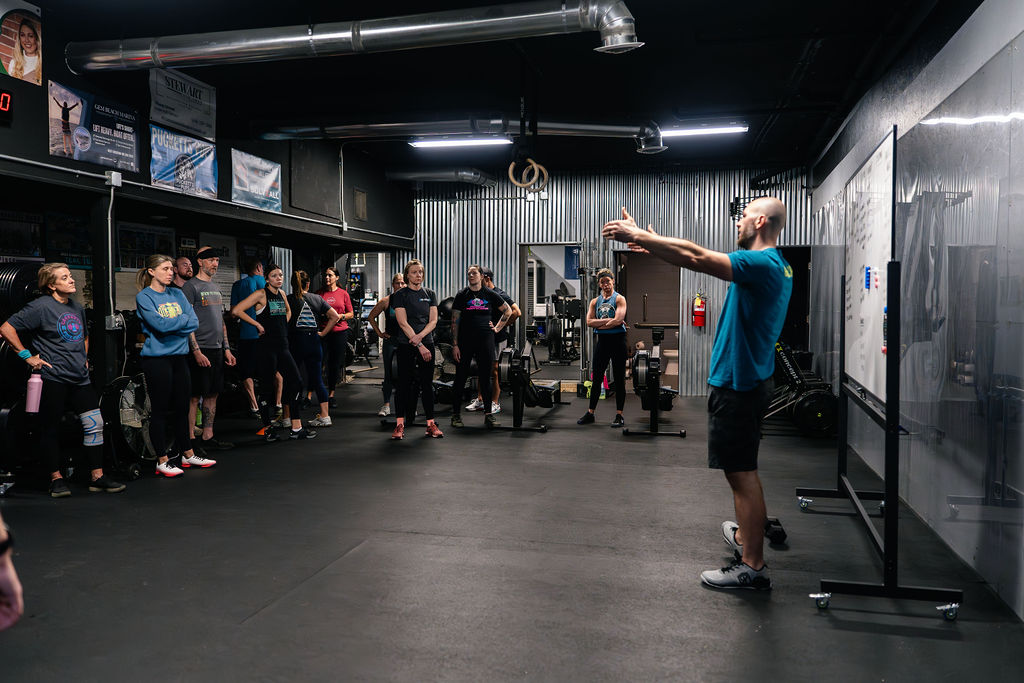
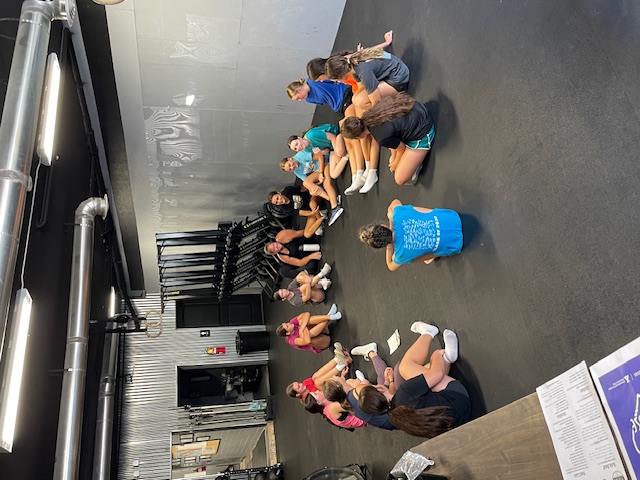
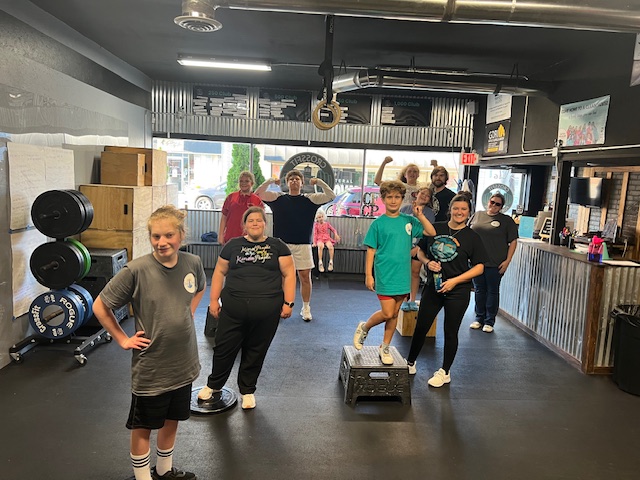
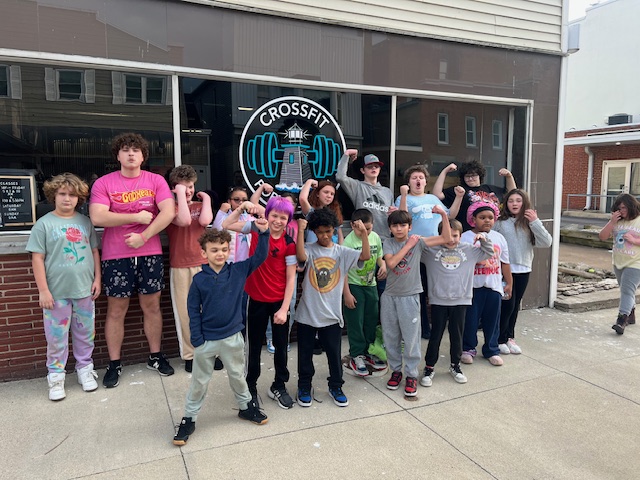
At CrossFit Port Clinton, we offer a free No Sweat Intro — a relaxed, no-pressure conversation where we learn about you, your schedule, your goals, and what's been standing in the way. No workout. No judgment. Just a real conversation about what's possible for you.
Book your free No Sweat Intro at crossfitportclinton.com and take the first step.
You run toward the emergency every time.
Make sure your body is built for it.
.png)
















.jpg)