
When people ask about recovery, the conversation usually goes to protein, sleep, and maybe a foam roller. Rarely does it go to fiber. Which is interesting, because your gut has more influence on how you feel, recover, and perform than most athletes give it credit for.
This isn't a wellness trendpost. This is about the biology of why your gut health matters for training —and what to actually do about it.
Your gut microbiome — the community of bacteria living in your digestive tract — influences inflammation, immune function, nutrient absorption, and even mood. All of which directly affect how well you recover from hard training.
Here's the connection that matters most: intense exercise creates systemic inflammation. That's a normal part of the adaptation process. Your gut plays a key role in how quickly and completely that inflammation resolves. A healthy, diverse microbiome helps regulate the inflammatory response. A depleted one can amplify it, leaving you feeling beat up longer than necessary.
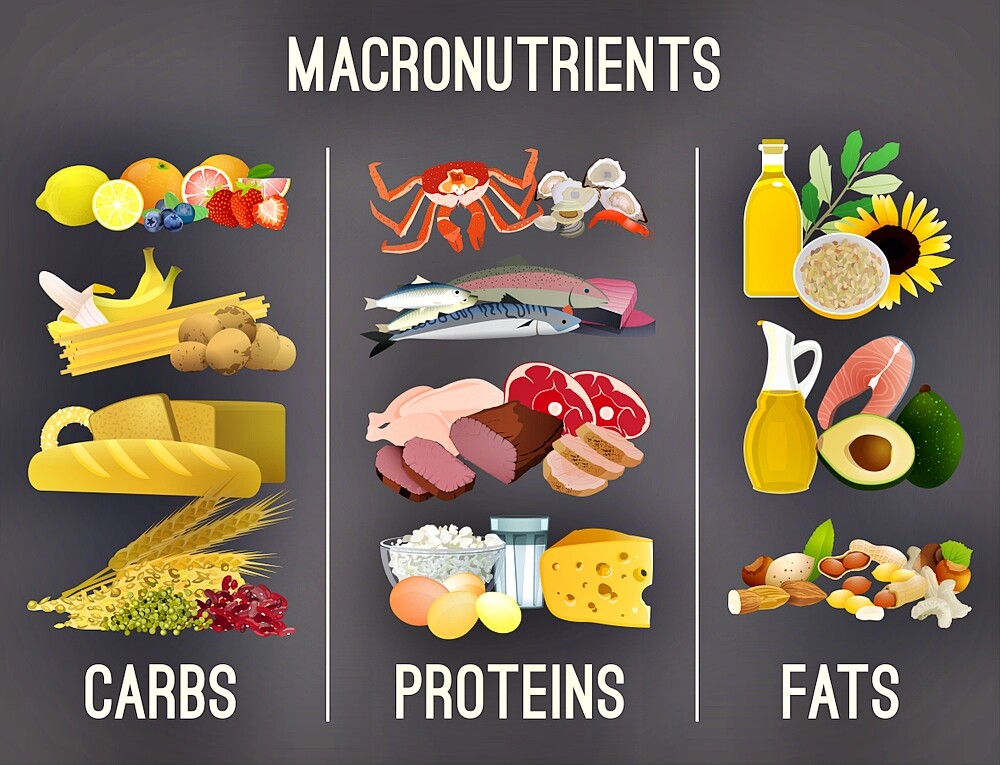
A 2025 scoping review on CrossFit nutrition found that carbohydrate intake among CrossFit athletes is consistently below recommendations — and carbohydrates are a primary source of fiber. When fiber is low, the gut microbiome suffers. When the microbiome suffers, recovery suffers.
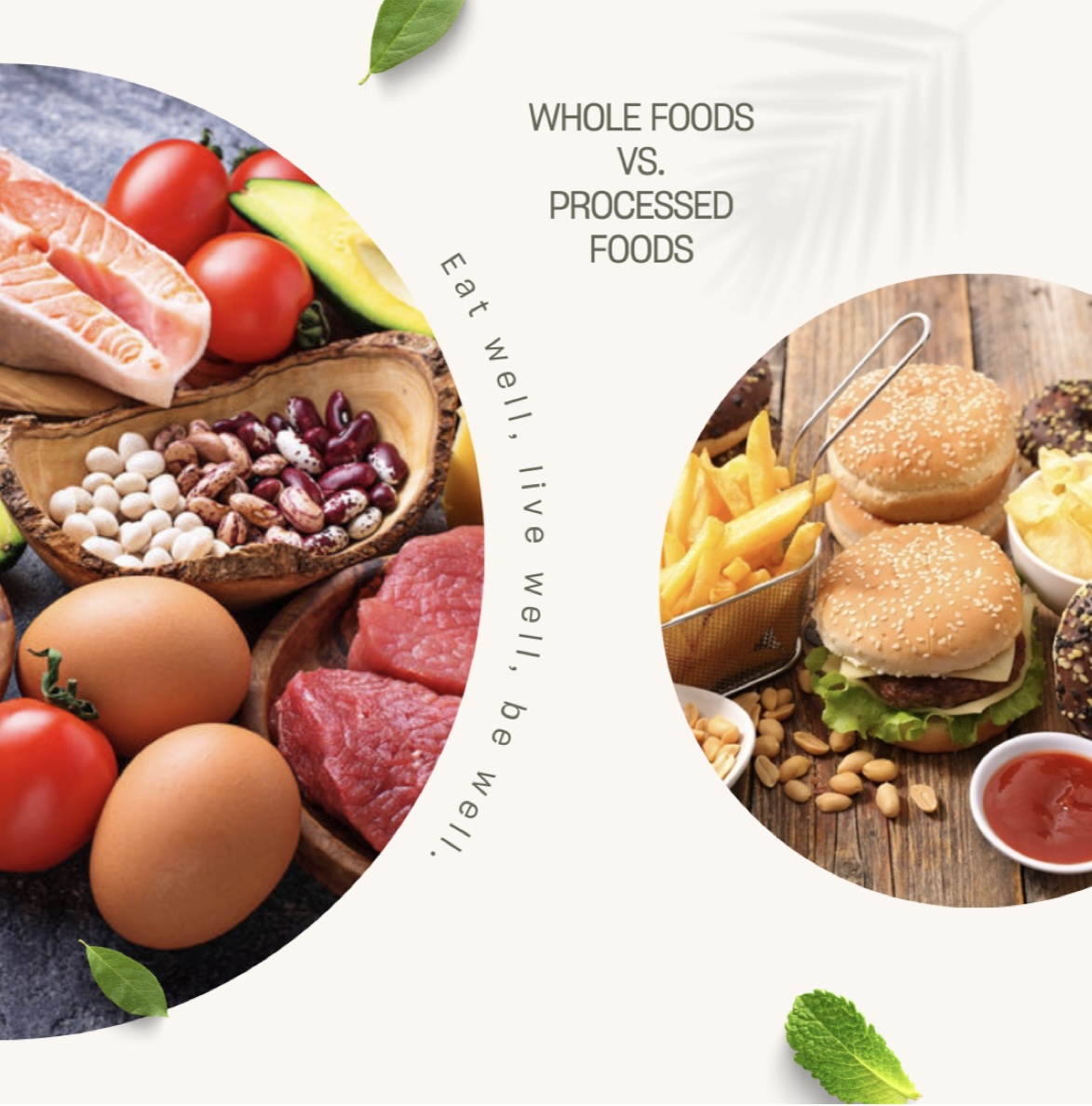
The irony is that many peopletraining hard are also eating 'clean' in ways that inadvertently gut-punchtheir gut health — cutting grains, avoiding legumes, eating mostly meat andvegetables without enough variety.
1. It feeds your gut bacteria.
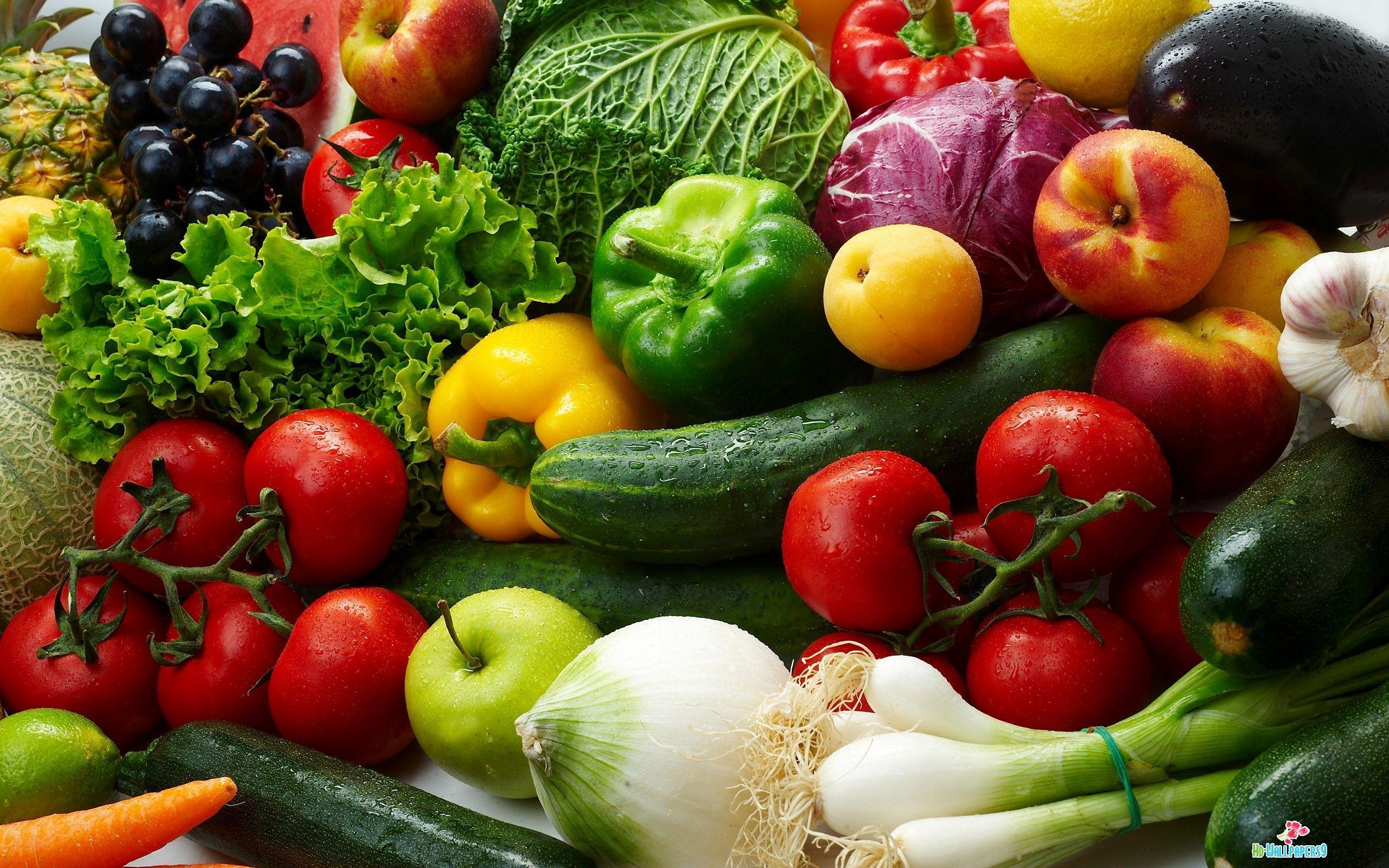
Prebiotic fiber — found inoats, garlic, onions, bananas, legumes — feeds the beneficial bacteria in yourgut. More of those bacteria means better immune function and reduced systemicinflammation.
2. It supports stable bloodsugar.
Fiber slows digestion andmoderates blood sugar spikes. Stable blood sugar means steadier energy, lesscortisol stress on the body, and better sleep — all of which directly affectrecovery.
3. It supports nutrient absorption.
A healthy gut lining absorbsthe protein, carbohydrates, and micronutrients you're eating more effectively.Fiber helps maintain that lining. Without adequate fiber, even a great dietbecomes less effective.
The target is 25–35 grams perday. Most people eating a standard diet get around 15. Closing that gap doesn'trequire a dramatic change — it requires a few deliberate additions.
• Addblack beans or lentils to one meal per day (~7–8g fiber per half cup)
• Switchfrom white rice to a rice + veggie mix
• Eatthe skin on your sweet potato or apple
• Startone meal with oatmeal instead of eggs a few times a week
• Snackon fruit with nut butter instead of just nut butter alone
Small, sustainable additionscompound over time. You don't need to drink fiber shakes or eat bran muffins.
If you want to take gut healtha step further: add fermented foods. Greek yogurt, kefir, sauerkraut, kimchi,and kombucha contain live bacteria that directly add to your microbiomediversity. These aren't miracle foods — but they're an easy, real-food way tosupport gut health alongside fiber.
Eat more fiber. Eat morevariety. Add a fermented food or two. Your gut health is part of your training— treat it that way.
Book a free No Sweat Intro at CrossFit Port Clinton and let's talk about fueling for recovery.
CrossFit Port Clinton | PortClinton, Ohio | crossfitportclinton.com
.png)





























.jpg)