
This blog post explains why skeletal muscle mass is the single most important metric for long-term health, longevity, and metabolic function. We break down the science of muscle loss (sarcopenia), what actually drives muscle growth, the training and nutrition principles that work at any age, and how CrossFit Port Clinton's programming, coaching, and InBody body composition scanning can help you measure and build it. Readers will leave with actionable steps and an invitation to start their journey with a free No Sweat Intro.
You don't feel it happening. There's no alarm that goes off. But after the age of 30, your body quietly begins losing skeletal muscle mass at a rate of 3 to 8 percent per decade — and the pace accelerates after 60. This process, called sarcopenia, is one of the most underappreciated health crises of our time. It drives metabolic slowdown, increases the risk of falls and injury, accelerates chronic disease, and robs people of their independence as they age. The good news? It is almost entirely preventable — and even reversible — with the right training, nutrition, and accountability. This guide is your starting point.
Skeletal muscle is the voluntary muscle tissue that moves your body — the muscle you see and feel when you lift, run, or climb stairs. But it does far more than move you.
Skeletal muscle is the largest organ in the body by mass and is metabolically active 24 hours a day. Even at rest, muscle tissue burns three times more calories per pound than fat tissue. The more muscle you carry, the higher your resting metabolic rate — and the easier it becomes to maintain a healthy body weight without extreme dieting.
Muscle tissue is the primary site of glucose disposal in the body. When you eat carbohydrates, insulin signals muscle cells to absorb blood sugar. Higher muscle mass means better insulin sensitivity, lower blood sugar, and a dramatically reduced risk of type 2 diabetes.
Multiple large-scale studies have shown that low skeletal muscle mass is a stronger predictor of all-cause mortality than BMI, cholesterol, or even blood pressure. A landmark study published in the American Journal of Medicine found that individuals with the highest muscle mass had a 1.5x to 2x lower risk of death compared to those with the lowest.
Grip strength, lower body strength, and the ability to rise from a chair without assistance are among the strongest predictors of whether an older adult will maintain independence or require assisted living. Muscle is the foundation of your functional life. The bottom line: skeletal muscle is not a vanity metric. It is a survival metric.
Sarcopenia — the age-related loss of skeletal muscle mass and function — begins earlier than most people realize. By age 40, the average sedentary adult has already lost a measurable amount of muscle. By 60, the losses become functionally significant. By 80, many adults have lost 30 to 40 percent of their peak muscle mass.
Several biological factors drive sarcopenia:
• Declining anabolic hormones — testosterone, growth hormone, and IGF-1 — all of which promote muscle protein synthesis
• Reduced motor neuron function, particularly in the fast-twitch (Type II) muscle fibers responsible for strength and power
• Chronic low-grade inflammation (inflammaging), which accelerates muscle breakdown
• Reduced appetite and protein intake, common in older adults
• Physical inactivity — the largest modifiable factor of all
The critical insight here is that inactivity accelerates sarcopenia dramatically. A sedentary 50-year-old and an active 50-year-old can have the functional muscle mass of people decades apart in age. This is not hyperbole. The research is clear.
Muscle growth — scientifically termed hypertrophy — requires three simultaneous conditions: a sufficient mechanical stimulus, adequate nutritional support, and adequate recovery. Remove any one of these and progress stalls.
Muscles adapt to the demands placed on them. If the demand doesn't increase over time, the muscle has no reason to grow. Progressive overload — gradually increasing the weight, reps, sets, or intensity of training — is the foundational principle of every effective strength program ever created. This doesn't mean lifting to failure every session. It means systematically making training slightly harder over weeks and months.
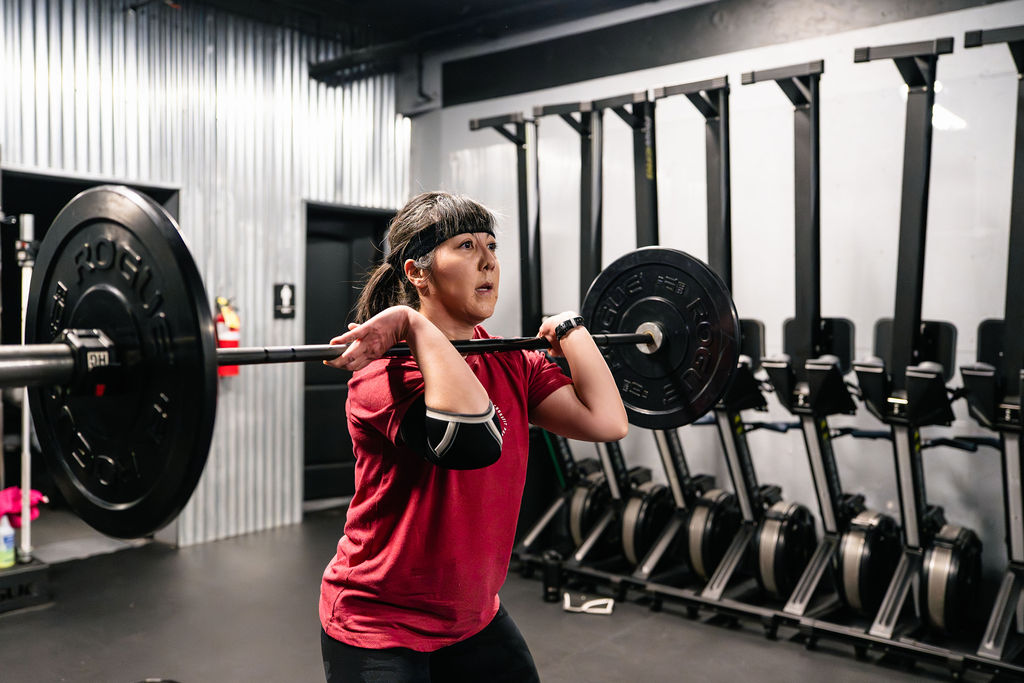
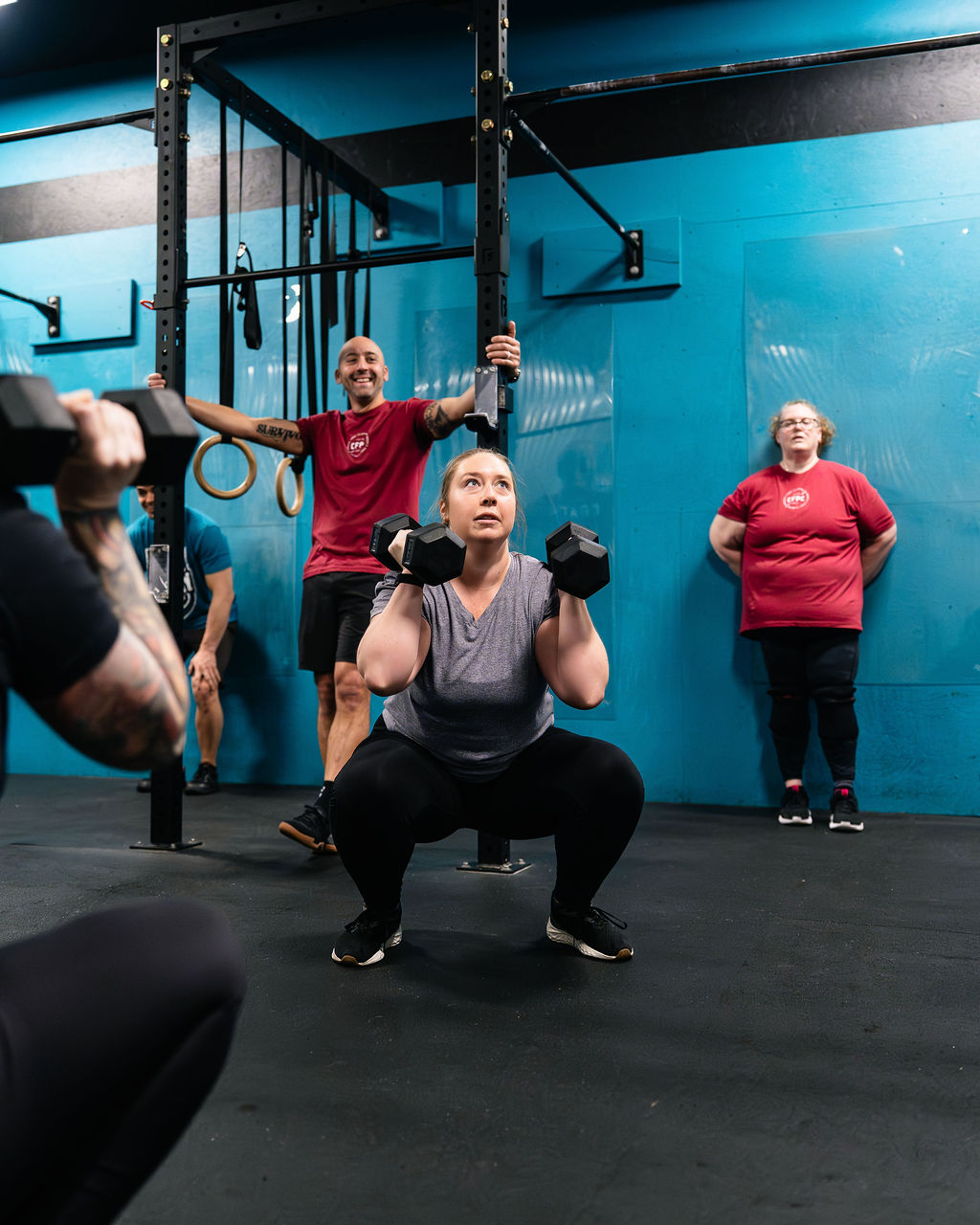
When a muscle is placed under load through a full range of motion, it experiences mechanical tension — the primary stimulus for hypertrophy. This triggers a signaling cascade involving mTOR (mechanistic target of rapamycin), the master regulator of muscle protein synthesis. Compound movements — squats, deadlifts, presses, rows — generate the greatest systemic mechanical tension and produce the largest anabolic hormonal response. They should form the foundation of any muscle-building program.
Muscle mass is determined by the balance between muscle protein synthesis (MPS) — the creation of new muscle proteins — and muscle protein breakdown (MPB). When MPS exceeds MPB, you gain muscle. When MPB exceeds MPS, you lose it. Training elevates MPS for 24 to 48 hours post-workout. Dietary protein, particularly the amino acid leucine, is the primary driver of MPS. Without adequate protein, the training signal produces a much smaller anabolic response.
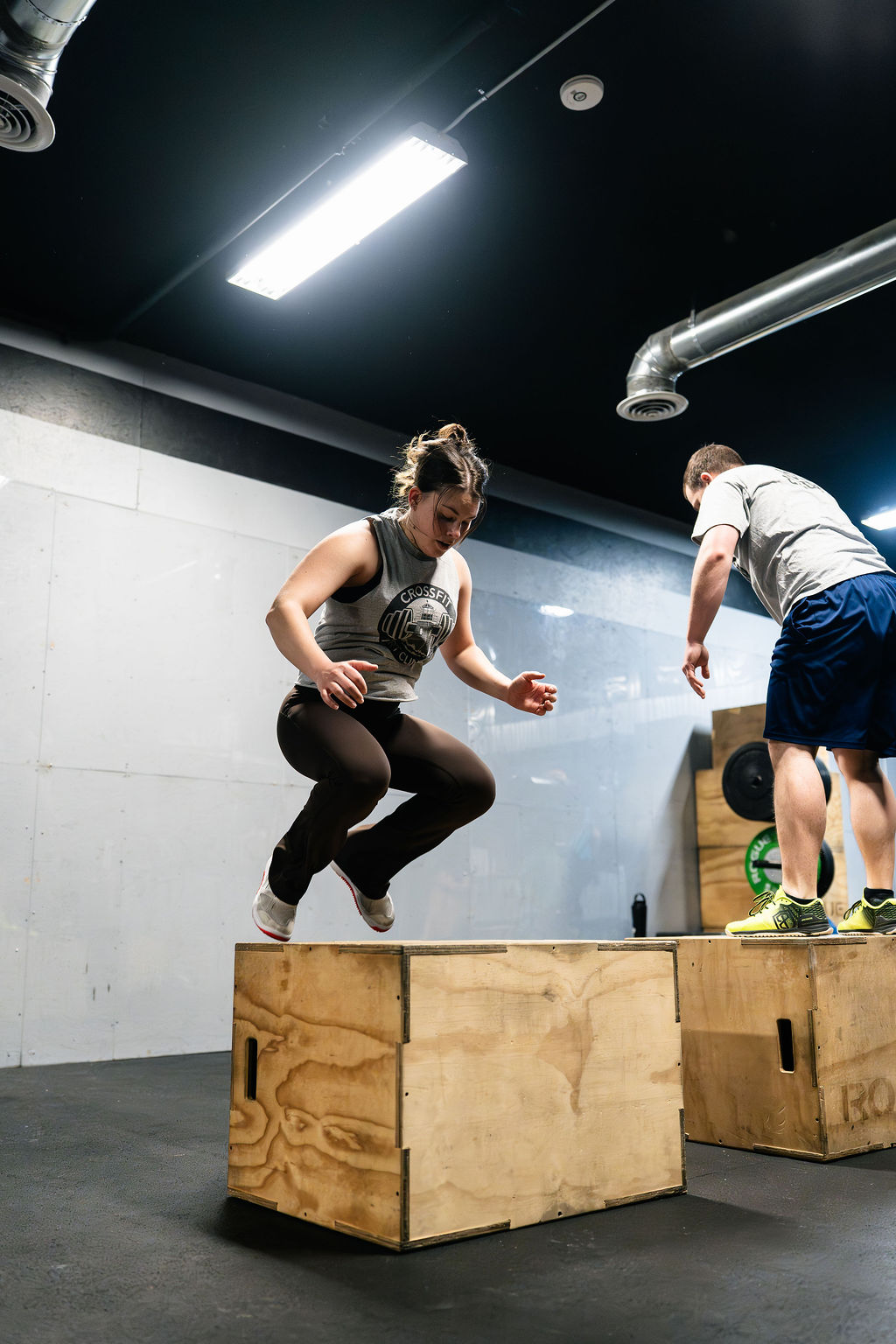
Not all muscle fibers respond equally to training. Type II (fast-twitch) fibers have significantly greater hypertrophic potential than Type I (slow-twitch) fibers. They are primarily recruited during high-intensity efforts — heavy lifts, explosive movements, and intense metabolic conditioning. This is one reason CrossFit's high-intensity programming is so effective for building and preserving muscle mass across all ages.
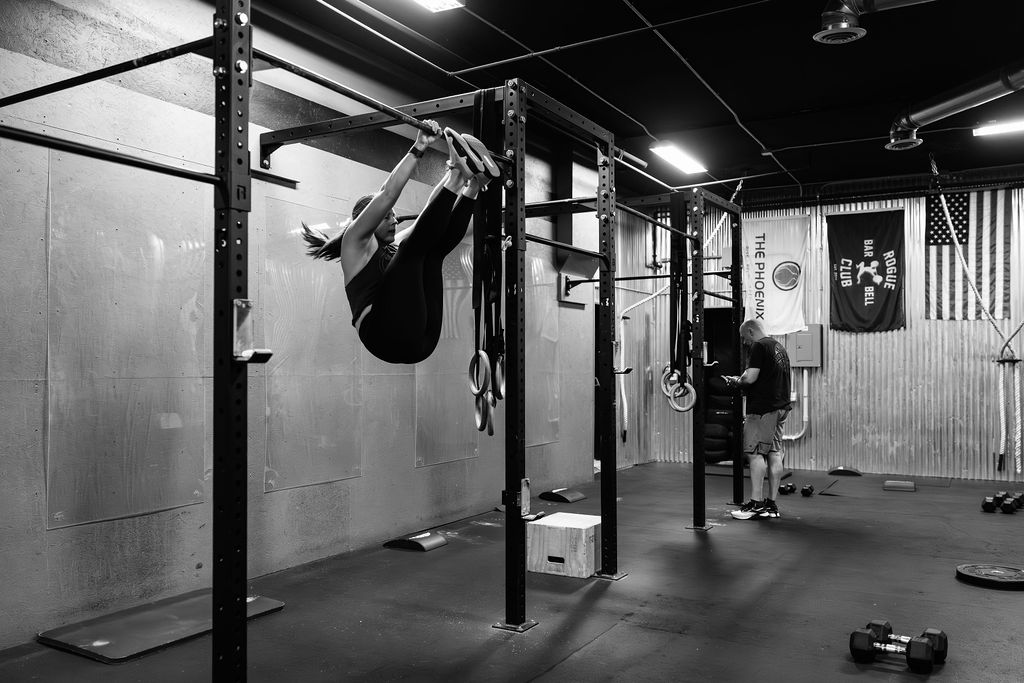
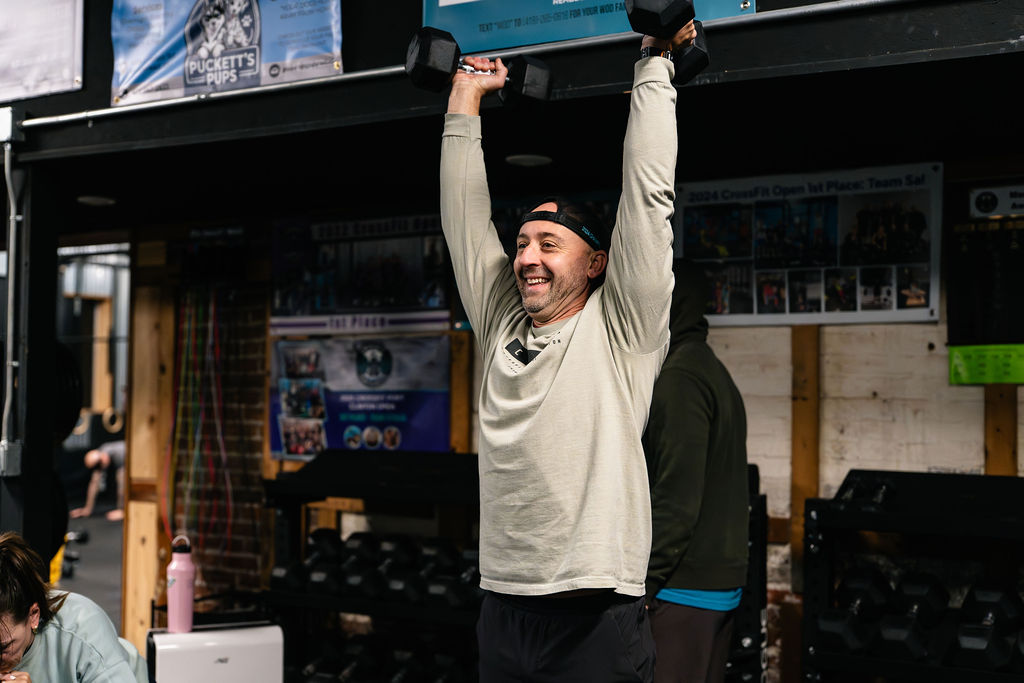
→ Strength train 3–4 days per week, centering your program around compound barbell and bodyweight movements: squats, deadlifts, overhead presses, pull-ups, rows.
→ Train at 65–85% of your 1-rep max for primary strength work. Higher rep ranges (8–15 reps) are effective for hypertrophy when taken close to failure.
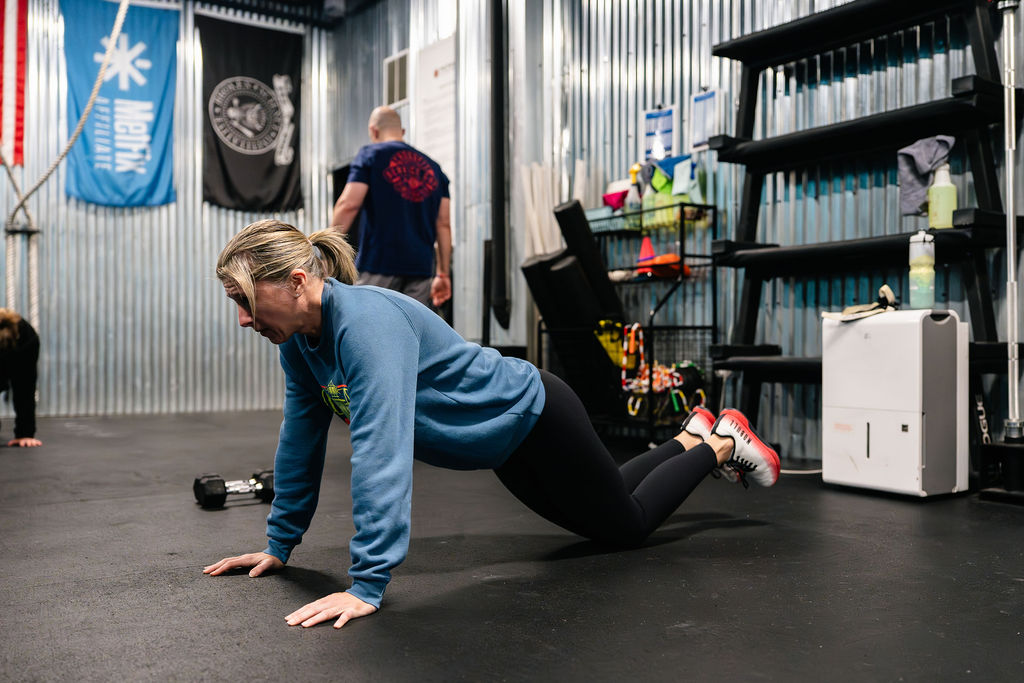
→ Use full range of motion. Partial reps recruit fewer muscle fibers and create less mechanical tension. Earn the full range.
→ Allow 48 to 72 hours between training the same muscle group to allow for recovery and adaptation.
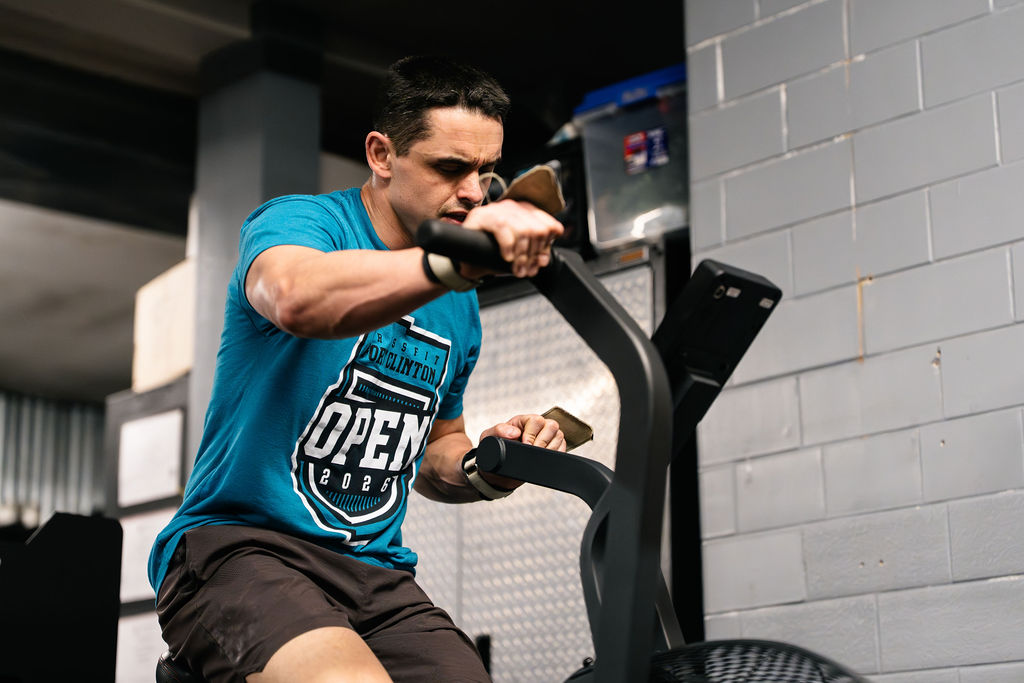
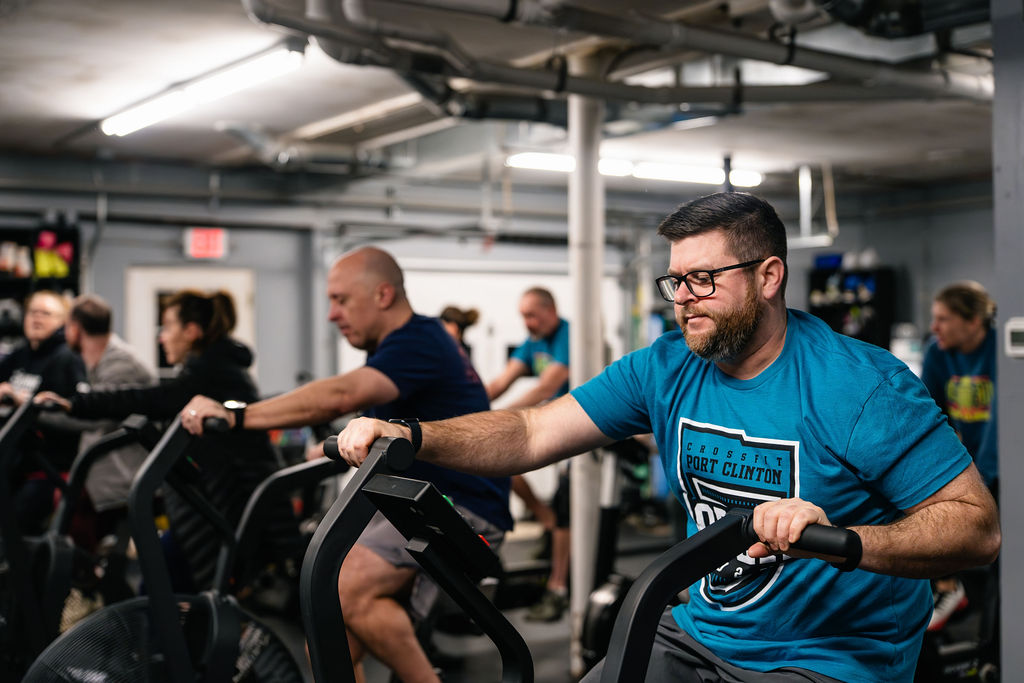
→ Include metabolic conditioning that recruits Type II fibers — short, intense intervals, loaded carries, kettlebell work.
→ Prioritize consistency over intensity. Three quality training sessions per week, sustained for years, will produce more muscle than sporadic intense periods.
The most effective program is the one you can execute consistently for years. That is a major reason why the CrossFit methodology — varied, coached, community-driven training — produces such durable results.
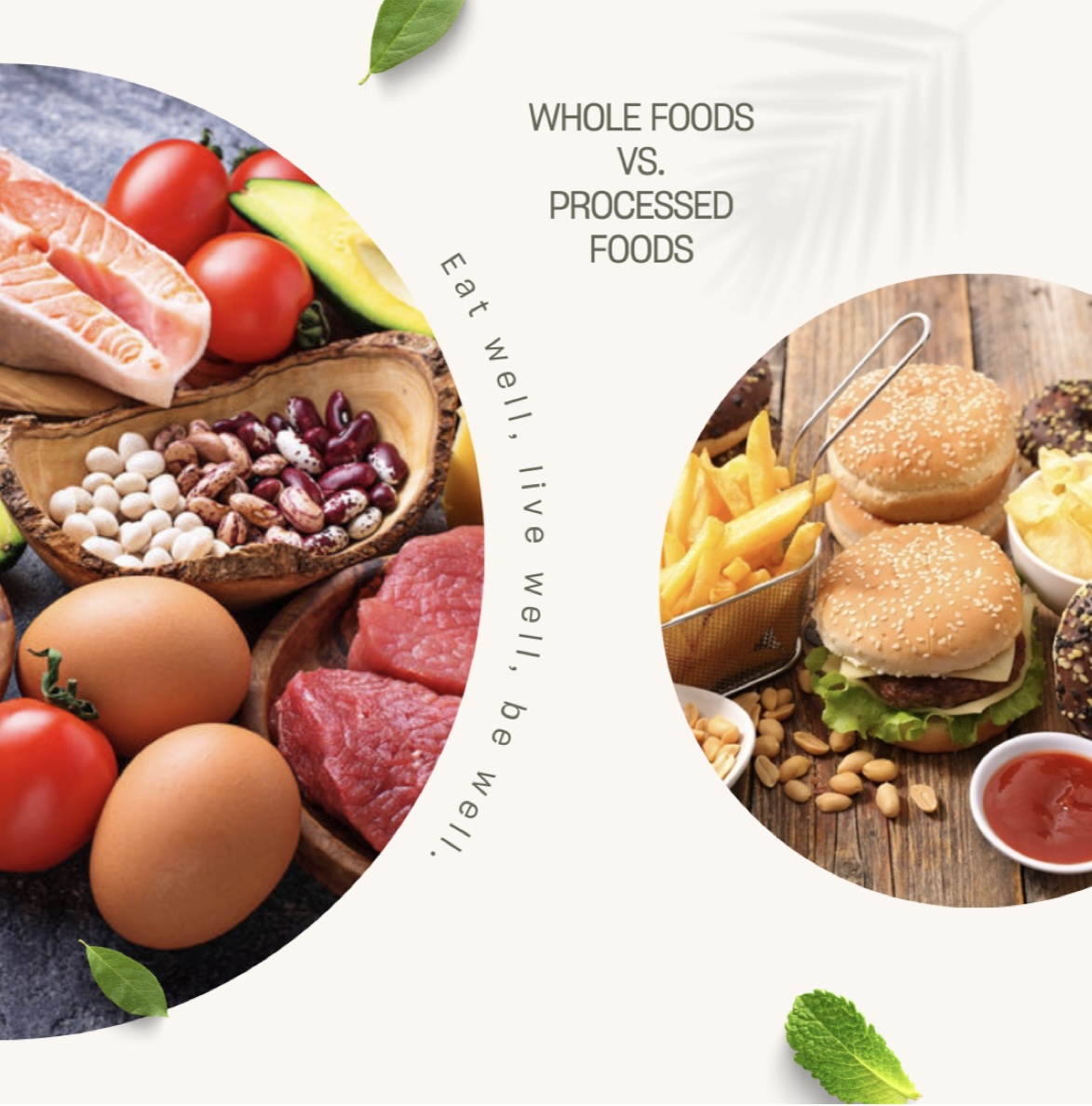
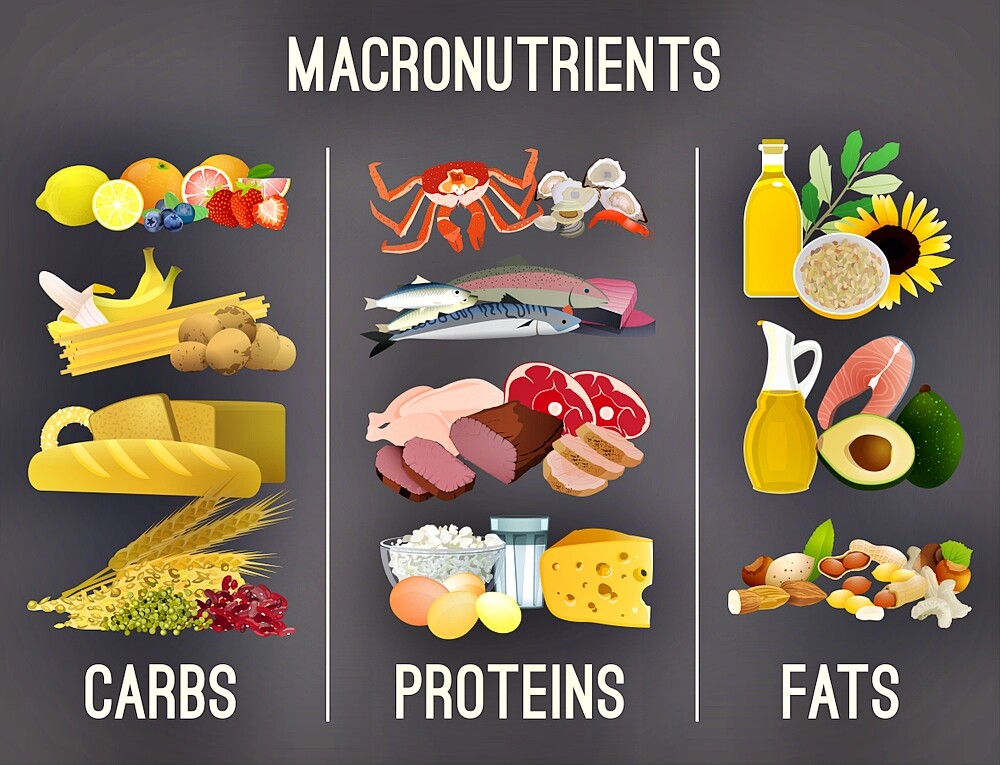
No training program can outrun a chronic nutritional deficit. Muscle is built from dietary protein, fueled by carbohydrates and calories, and supported by micronutrient-rich whole foods. Here is what the evidence says:
Aim for 0.8 to 1.0 grams of protein per pound of bodyweight per day. This is the range consistently shown to maximize muscle protein synthesis in adults who are resistance training. For a 175-pound adult, that means 140 to 175 grams of protein daily. Leucine — found abundantly in eggs, beef, chicken, dairy, and quality protein supplements — is the specific amino acid that triggers mTOR and initiates MPS. Distribute protein across 3 to 5 meals for maximum effect.
Building muscle requires a caloric surplus — more energy coming in than going out. A modest surplus of 200 to 300 calories above maintenance is sufficient to fuel growth without excessive fat gain. Extreme caloric restriction while trying to build muscle is counterproductive.
Carbohydrates are the primary fuel source for high-intensity training. They also spike insulin, which has a powerful anti-catabolic effect — meaning it suppresses muscle protein breakdown. Time carbohydrate intake around training for the best performance and recovery outcomes. Hydration Even mild dehydration (1–2% of bodyweight) impairs strength output by up to 10%. Aim for at minimum half your bodyweight in ounces of water per day, more on training days.
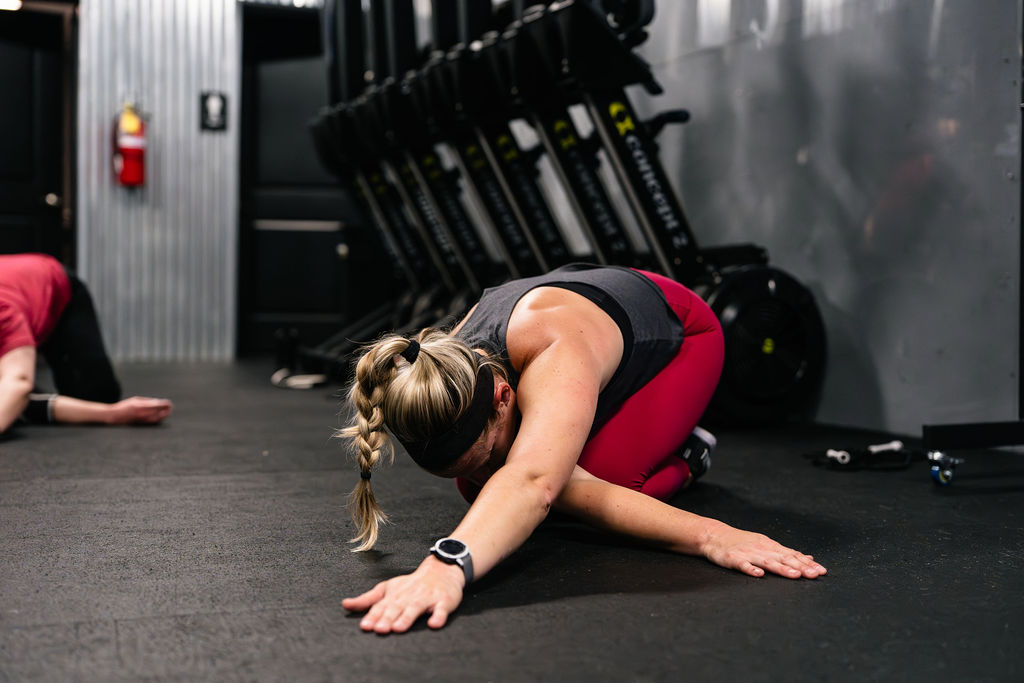
This section is where most people leave gains on the table. Training is the stimulus. Recovery is where the adaptation actually happens.
Growth hormone is primarily released during deep sleep. Testosterone peaks overnight. Protein synthesis continues for up to 48 hours post-training — but only if sleep is adequate. Consistently sleeping fewer than 7 hours per night elevates cortisol, suppresses testosterone, and directly impairs muscle protein synthesis. This is not optional biology.
Every 4 to 8 weeks, reduce training volume by 40 to 50% for one week. This counter- intuitive practice allows accumulated fatigue to dissipate and enables supercompensation — you return to full training stronger and with better joint health than before the deload.
Chronic psychological stress chronically elevates cortisol. Cortisol is catabolic — it promotes muscle protein breakdown and fat storage. Training is an effective stress reliever, but training alone cannot overcome the effects of unmanaged chronic stress. Community, sleep, meditation, and time in nature all play a role.
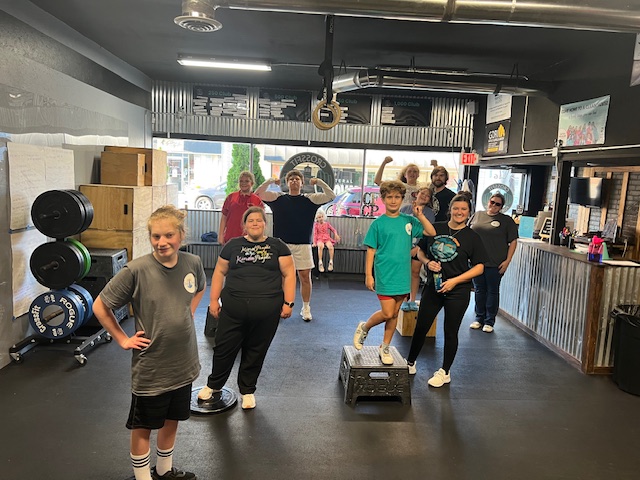
Everything we've covered in this guide — progressive overload, compound movements, high-intensity recruitment of Type II fibers, protein timing, accountability, and recovery — is built into the CrossFit Port Clinton experience from Day 1. Here's how we set you up for success:
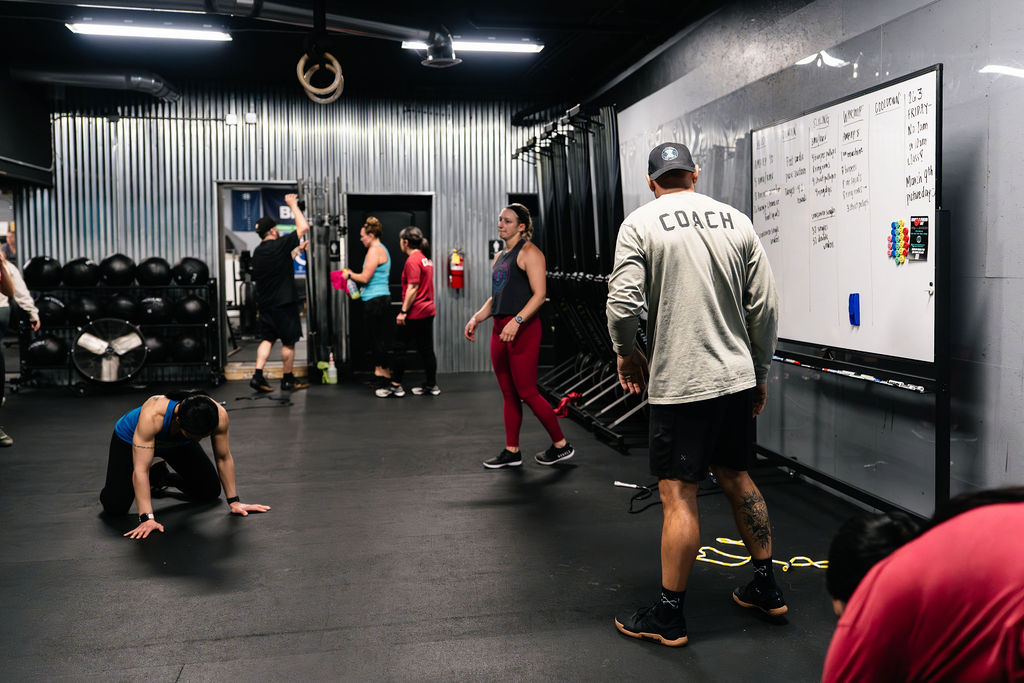
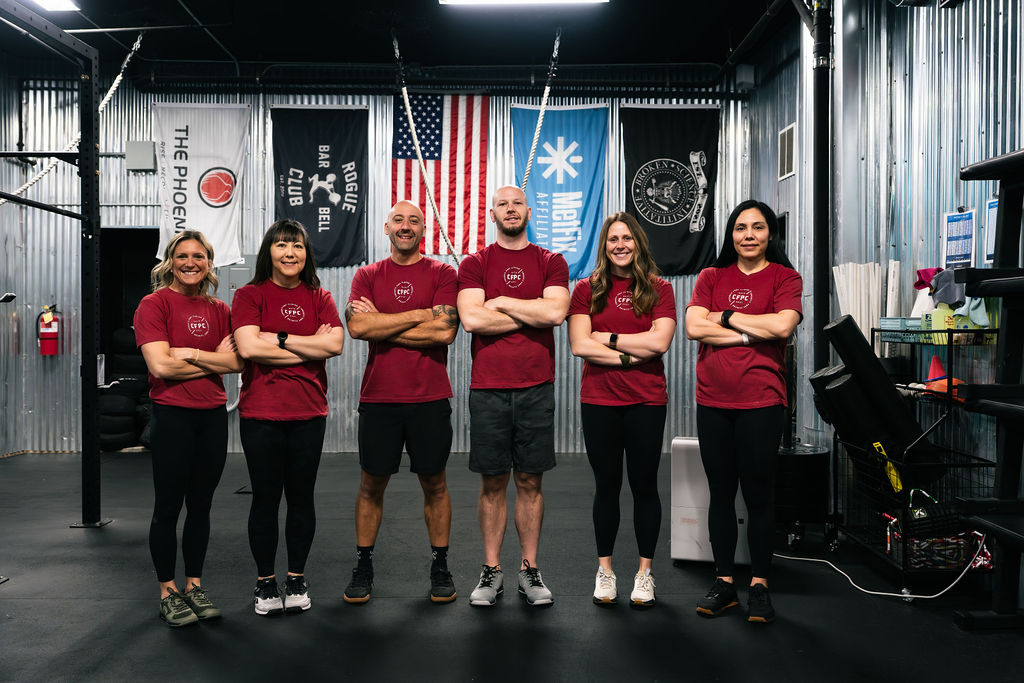
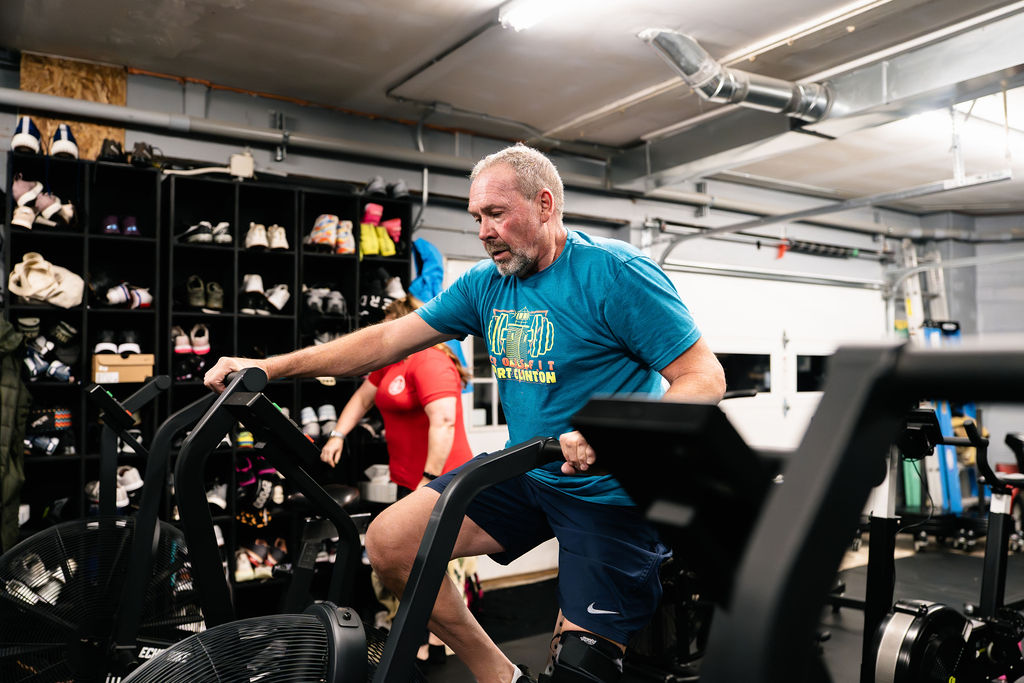
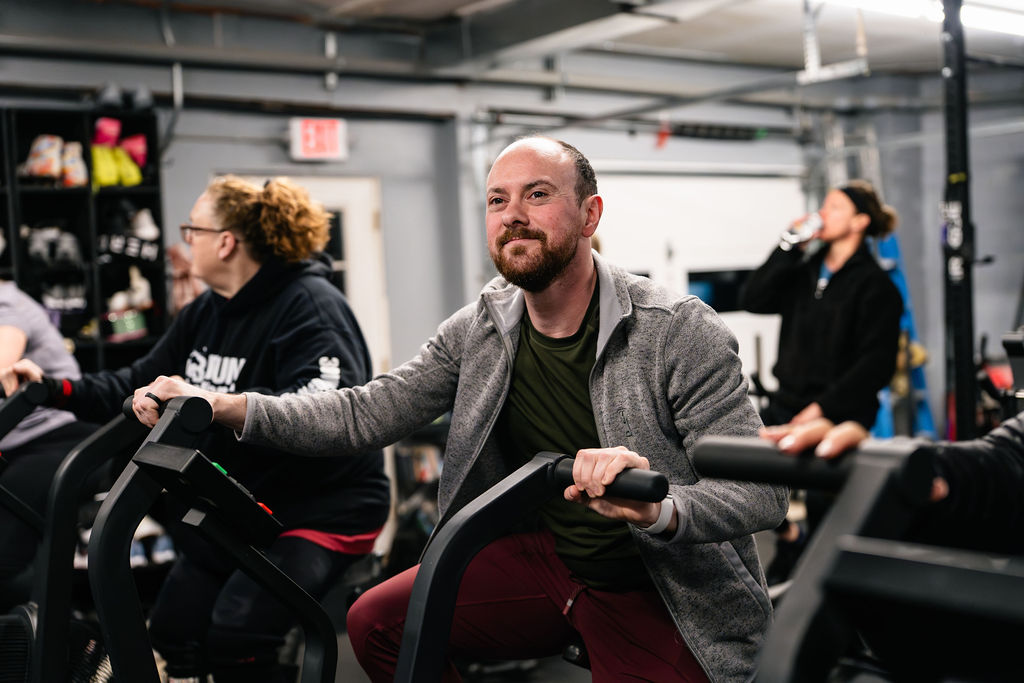
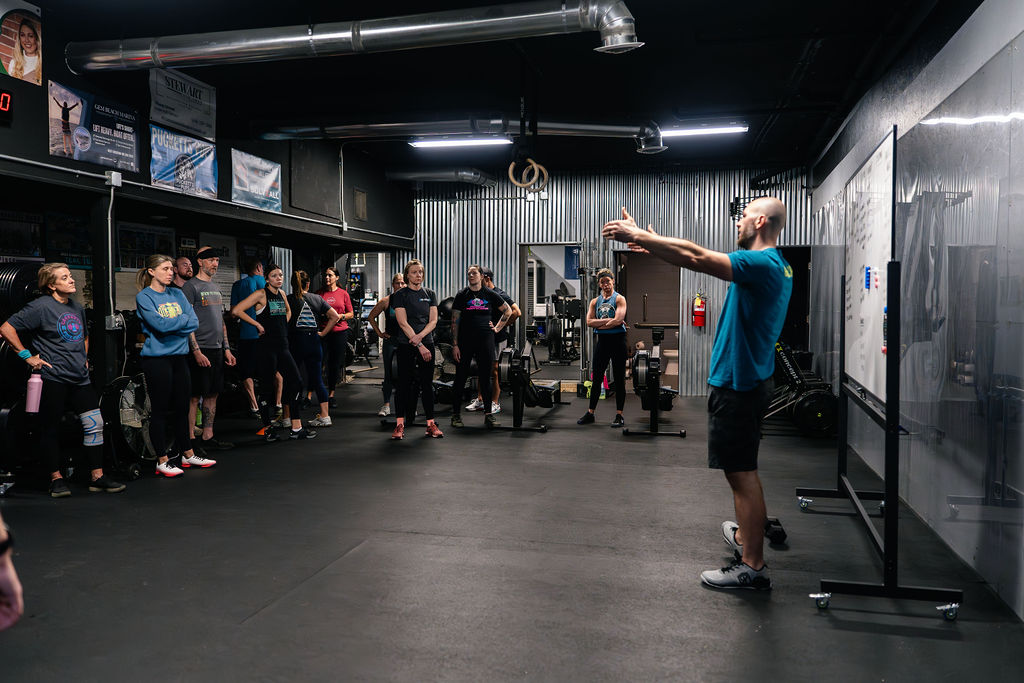
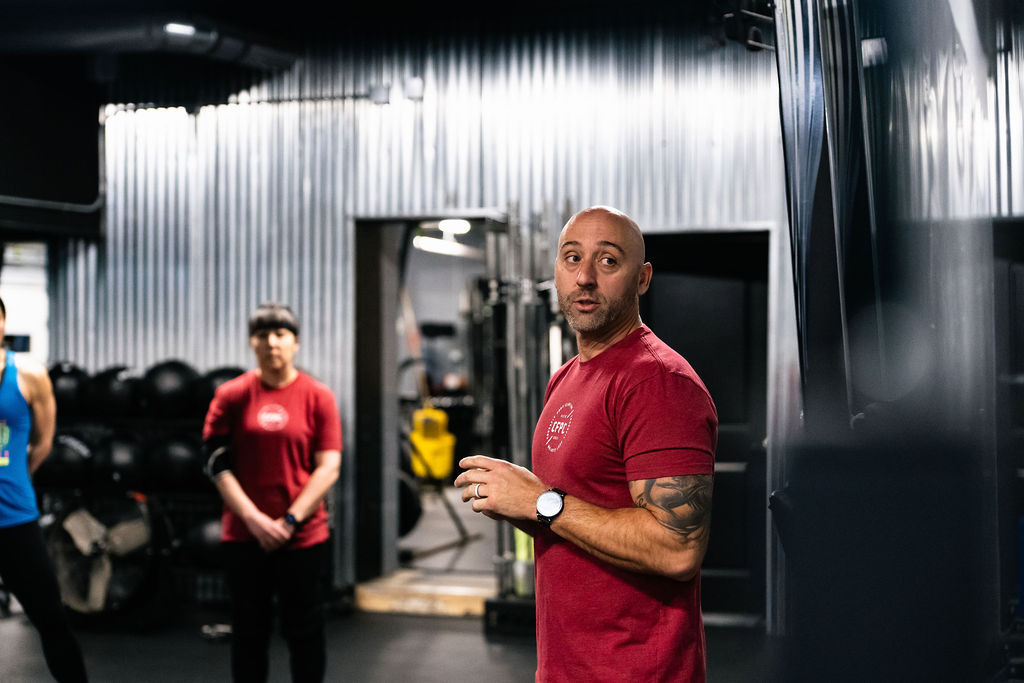
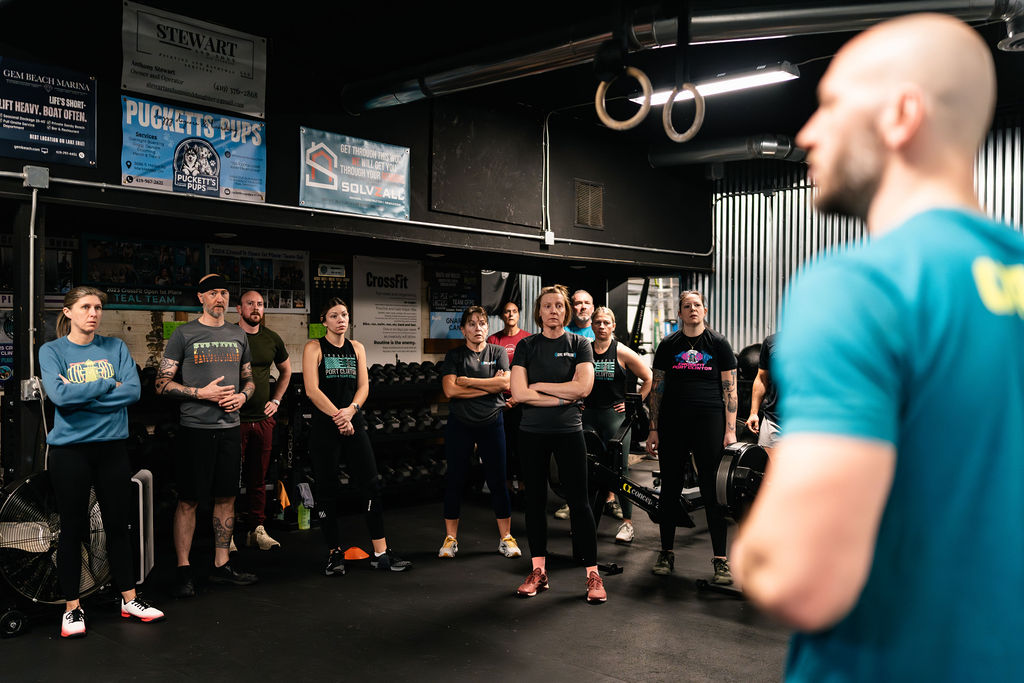
Every class at CrossFit Port Clinton is led by a certified coach who watches your movement, cues your technique, and helps you choose appropriate loads. You're never left guessing whether you're doing it right. That level of instruction produces faster, safer results — and reduces the injury risk that derails so many people.
Our programming is not random. It is systematically designed to develop the ten recognized components of fitness — including strength and muscular endurance —using periodization principles that ensure progressive overload over time. Every cycle builds on the last.
The scale lies. Weight alone tells you nothing about whether you're gaining muscle or losing fat. Our InBody 380 scanner measures your skeletal muscle mass directly, along with body fat percentage, visceral fat level, basal metabolic rate, and segmental lean analysis by body segment. This data tells you exactly where you are and gives your coach the information needed to personalize your program and nutrition guidance. Scans are included in On-Ramp, personal training, and 1:1 nutrition coaching.
Our nutrition coaching service pairs you with a coach who builds a personalized nutrition plan around your goals, lifestyle, and InBody data. We track your protein targets, caloric intake, and body composition changes over time — giving you the nutritional side of the muscle-building equation handled with the same precision as your training.
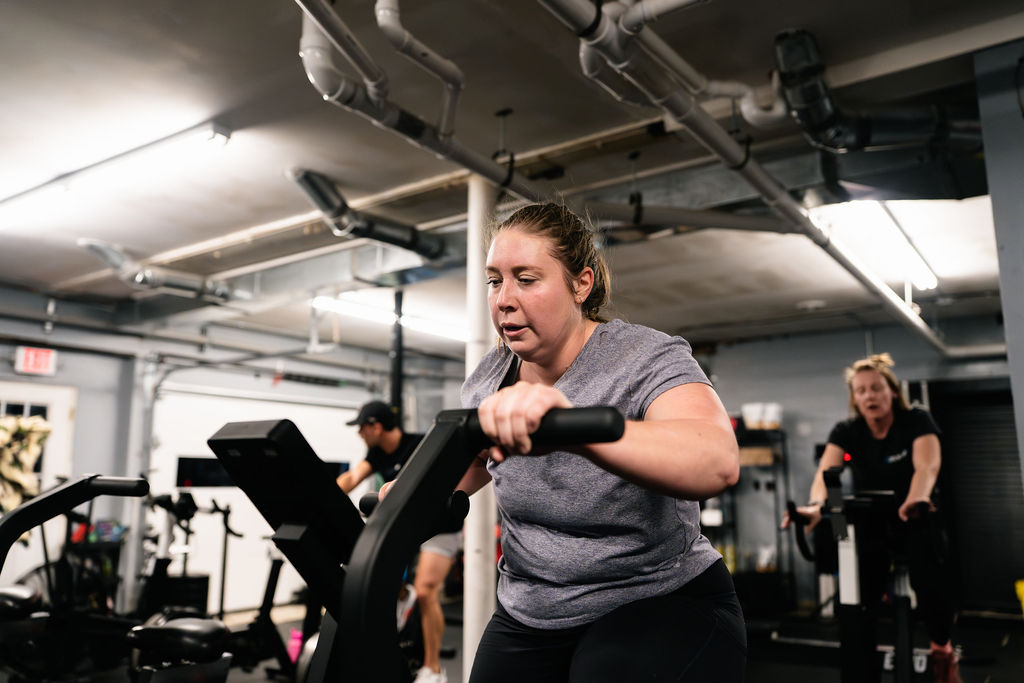
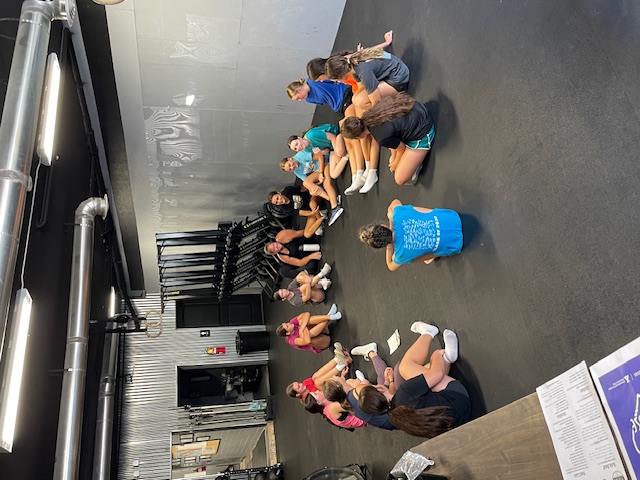
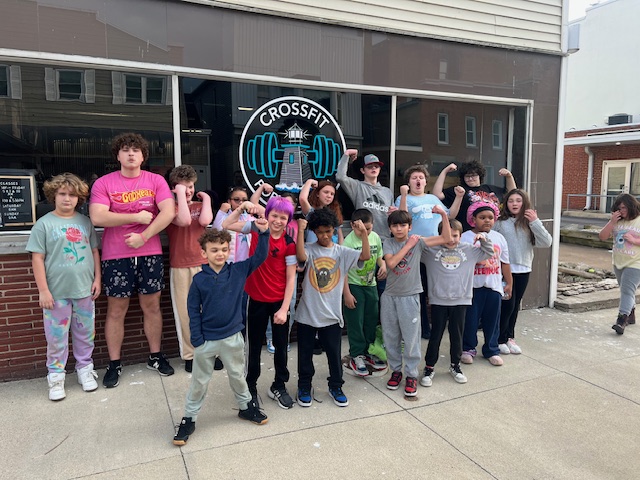
Motivation fades. Structure and community don't. CrossFit Port Clinton athletes show up because their coaches know their name, their goals, and when they've been missing. That accountability — built into every class — is what makes the difference between people who sustain their results and people who don't.
The No Sweat Intro is a free, no-pressure conversation with one of our coaches. We'll talk about where you are, where you want to be, and exactly how CrossFit Port Clinton can help you get there.
No workout.
No commitment.
Just clarity.
Book yours today at crossfitportclinton.com


.png)























.jpg)