You've probably heard the phrase "eat more protein" more times than you can count. But there's a specific target that keeps coming up in nutrition research and among fitness professionals: 1 gram of protein per pound of bodyweight per day. For a 180-pound person, that's 180 grams — a number that might sound extreme at first, but one that makes complete physiological sense when you understand what protein actually does in your body.
Stat 1: 30% — of calories burned just digesting protein
Stat 2: ~0.6g — avg. daily protein intake for most Americans per lb
Stat 3: 1g — per lb target for muscle retention & fat loss
Every cell in your body contains protein. Your muscles, organs, skin, hormones, and enzymes are all built from amino acids — the components protein breaks down into. When you don't eat enough, your body turns to its own muscle tissue for fuel. This process, called muscle catabolism, can quietly erode your lean mass even as the number on the scale goes down.
Eating 1 gram per pound of bodyweight keeps your body in a positive nitrogen balance — a state where you're building and maintaining muscle rather than losing it. It also has a significant thermic effect, meaning your body burns roughly 25–30% of protein's calories just in the process of digesting and metabolizing it. No other macronutrient comes close.
"You can lose weight without protein, but you'll lose muscle along with fat. With adequate protein, you lose fat and keep — or even build — the body you actually want."
High protein intake is one of the most well-supported strategies for reducing hunger. Protein suppresses ghrelin (the hunger hormone) and boosts satiety hormones like peptide YY, helping you feel full longer without relying on willpower. It also stabilizes blood sugar, supports liver function, and plays a critical role in producing neurotransmitters like dopamine and serotonin — meaning how you eat affects how you feel, focus, and sleep.
If you're taking a GLP-1 medication, hitting your protein target becomes even more critical. These medications work by suppressing appetite and slowing gastric emptying, which is great for weight loss — but the flip side is that you're eating significantly less food overall. When overall food volume drops, the first casualty is often protein.
Research shows that a meaningful portion of weight lost on GLP-1 medications can come from lean muscle mass if protein intake isn't actively protected. Muscle loss slows metabolism, weakens the body, and makes it harder to maintain weight loss long-term. Intentionally prioritizing protein at every meal — even when you're not very hungry — is one of the most important habits you can build while on these medications.
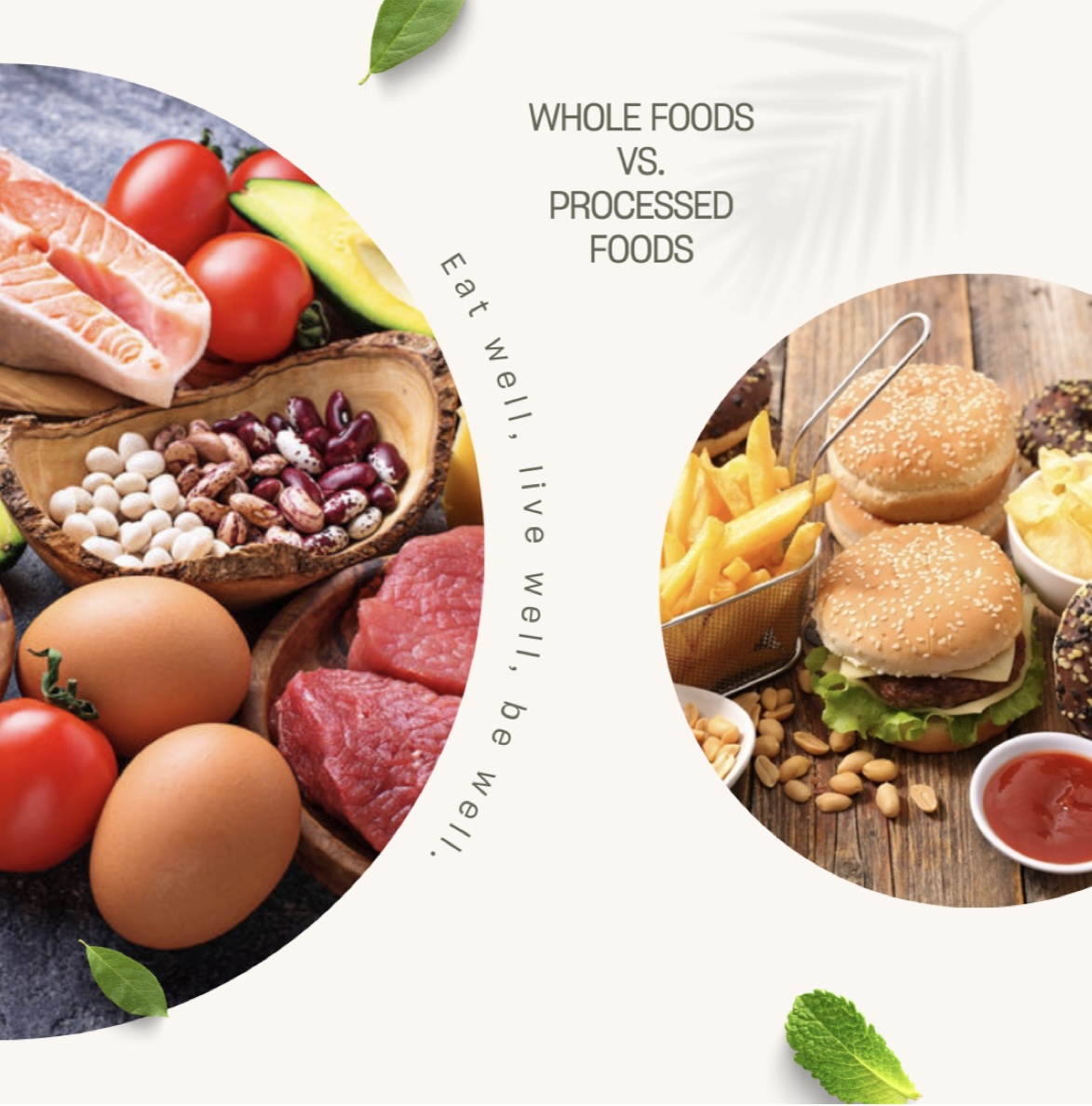
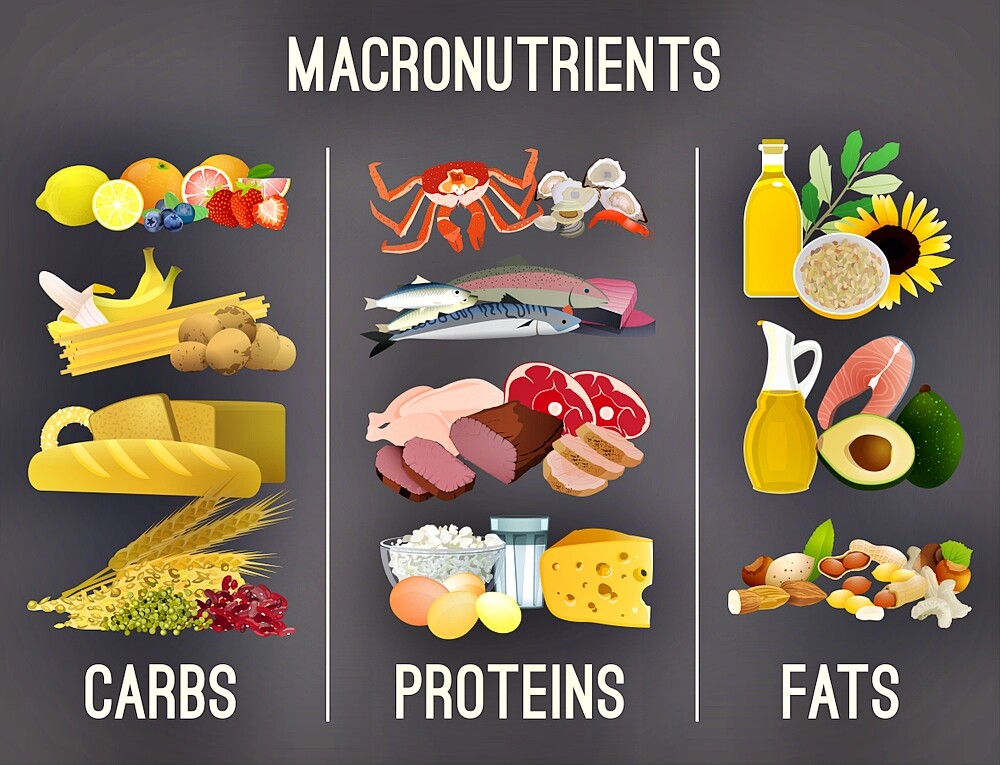
Most people are surprised to find out how much protein is in common foods — and how little they've actually been eating. Here are some practical ways to build your intake throughout the day:
Whether your goal is fat loss, muscle gain, better energy, or simply aging well, protein is the one macronutrient worth being intentional about. The 1 gram per pound guideline isn't arbitrary — it's a practical, well-researched target that gives your body what it needs to perform, recover, and stay strong. And if you're using a GLP-1 medication, it's not just a recommendation. It's a non-negotiable (along with lifting heavy weights) foundation for making sure the weight you lose is fat — not the muscle you've worked hard to build.

.png)


























.jpg)