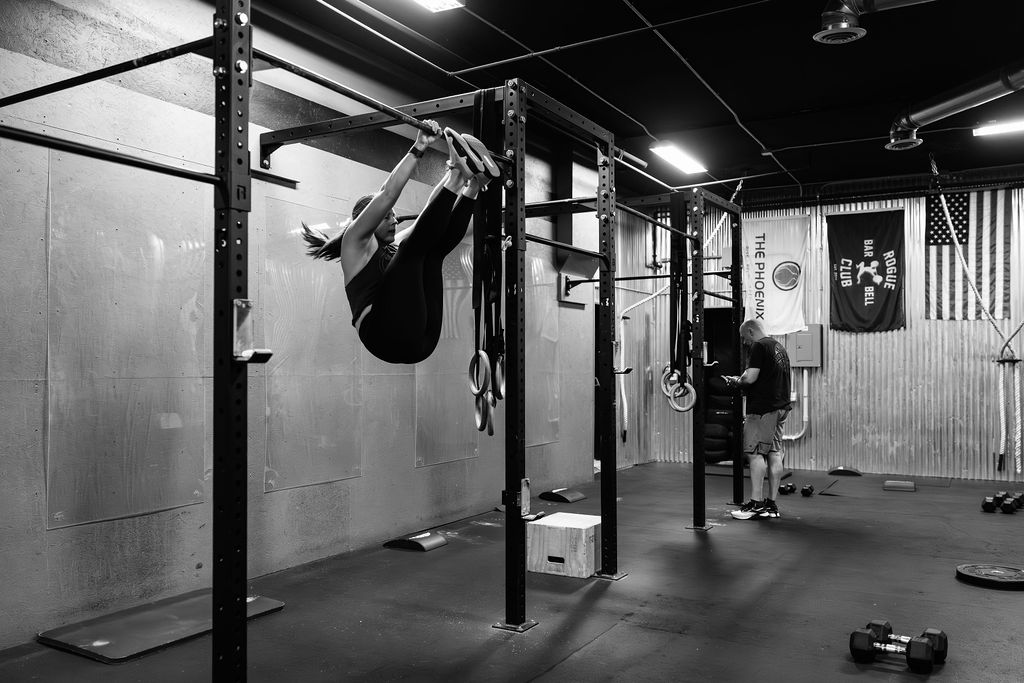
If you've ever hesitated to sign your child up for a strength program because you were worried about their growth plates, you're in good company. It's one of the most common concerns we hear at CrossFit Port Clinton — and one of the most persistent myths in all of youth fitness.
Here's the truth: the fear that resistance training stunts children's growth traces back not to science, but to a 19th-century misreading of child labor conditions in English coal mines.
Where the Myth Came From
In 1842, a British commission noticed that children working in coal mines were shorter than average. They blamed the loads. Their conclusion — that heavy work compressed children's skeletons — became conventional wisdom for over a century.
But researcher Peter Kirby later dismantled this completely. The shorter kids were chosen for mine work because they fit better in tight tunnels. Rickets was rampant in mining communities where children went entire winter days without seeing sunlight. Malnutrition was common. Childhood anxiety from high paternal mortality suppressed growth hormone. The weight didn't stunt them. Their environment did.
What's striking is that some observers actually noted the opposite effect — that young miners had exceptional muscular development, described in one historical report as comparable to champion athletes of ancient Greece.
What Actually Damages Growth Plates
Growth plates — the cartilage at the ends of long bones — can be damaged. But the culprits are contact sports injuries, falls, crashes, and fractures. When researchers examine injuries attributed to resistance training in youth, they almost always find the same causes: kids falling off equipment, dropping heavy objects on themselves, or getting pinched by machines. The lifting itself is rarely the problem.
Dr. Jon Gary of CrossFit Kids frames the readiness question differently than most parents expect. It's not primarily about age. It's about focus. Can your child follow instructions? Can they concentrate through a five-second lift? Can they maintain consistent movement patterns? Those are the real indicators.
Playgrounds Are More "Dangerous" Than Barbells
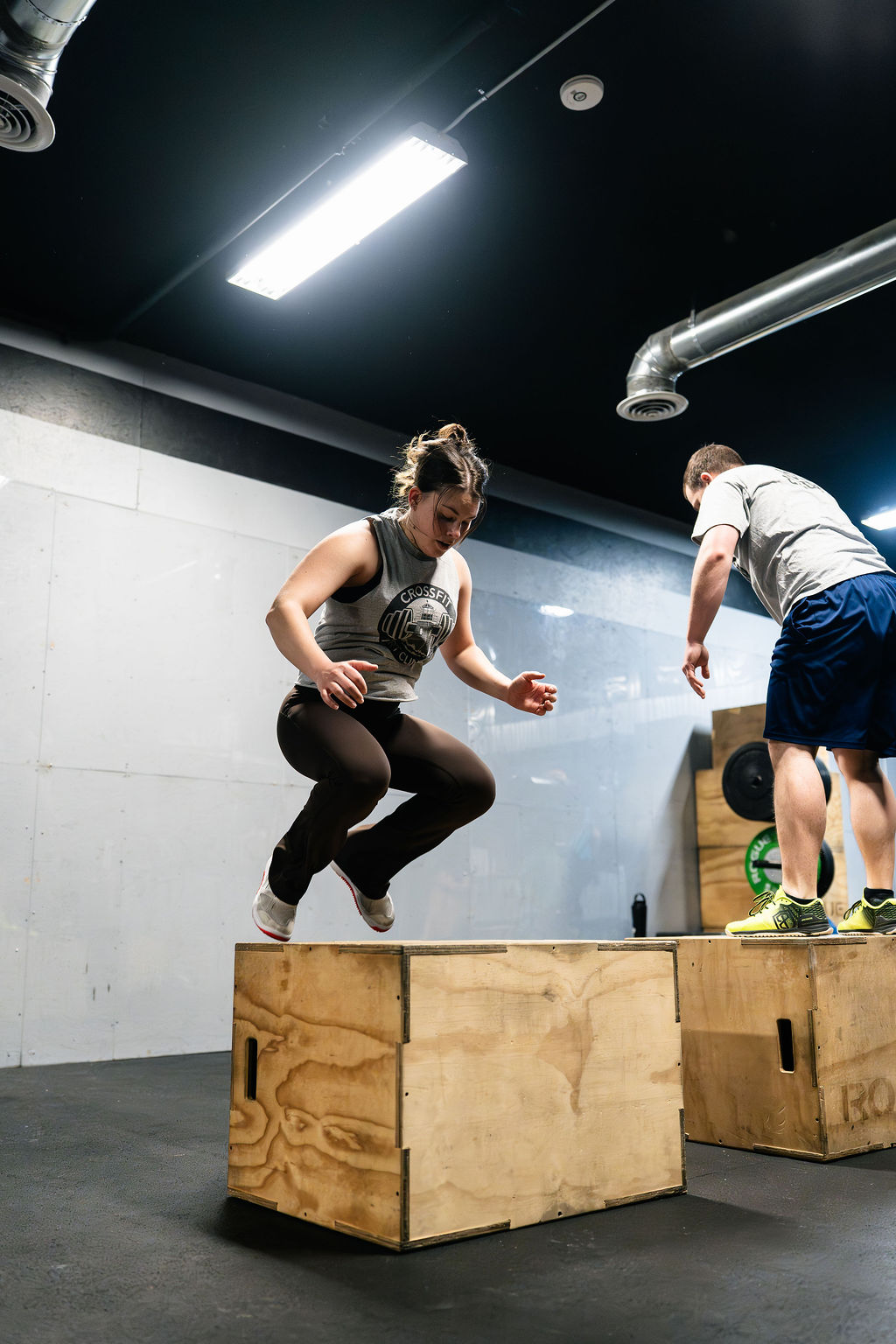
Here's a perspective shift worth sitting with: when children drop from a 20-inch box, they absorb close to five times their body weight at landing impact. Jumping jacks? About 3.7 times body weight. Hopscotch, running, and skipping are all plyometric by nature and create significant ground reaction forces — and nobody bans the playground.
The barbell draws fear disproportionate to its actual risk. In many cases, unstructured play creates more skeletal stress than a properly coached lift.
What the Research Actually Says
The National Strength and Conditioning Association first endorsed youth resistance training in 1985, then strengthened that position in 1996 when evidence showed even heavy resistance training to be safe and effective. By 2007, the President's Council on Physical Fitness was recommending strength training over aerobic exercise as the better option for overweight youth. The Canadian Society for Exercise Physiology stated plainly: there is no minimum age for resistance training.
The universal caveat across all research? A skilled coach makes the difference between a safe program and an unsafe one.
How We Do It at CrossFit Port Clinton
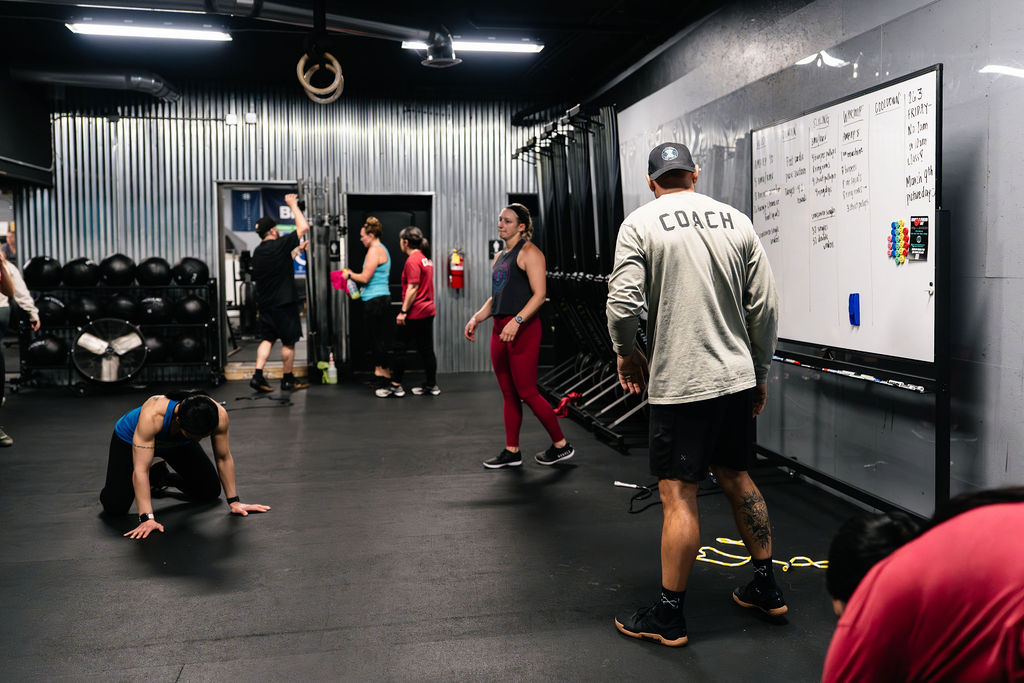
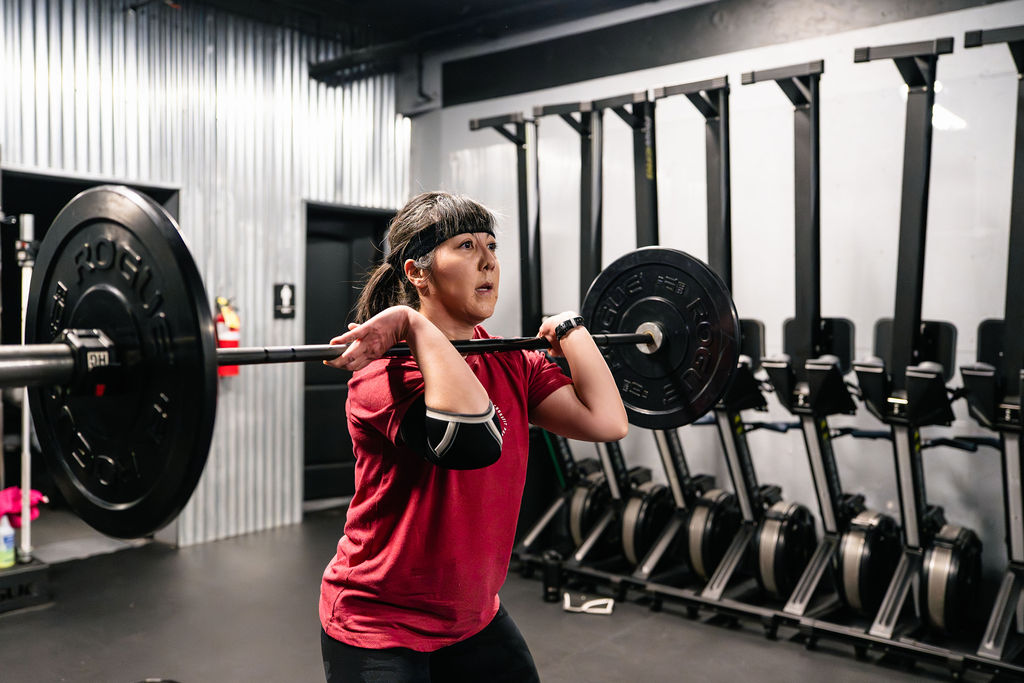
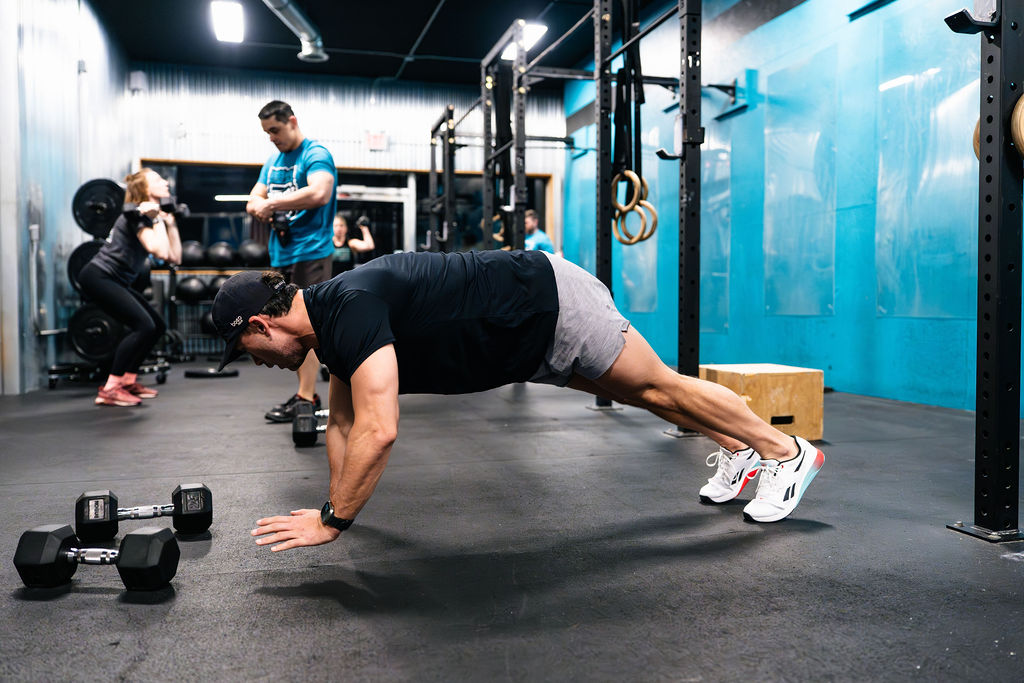
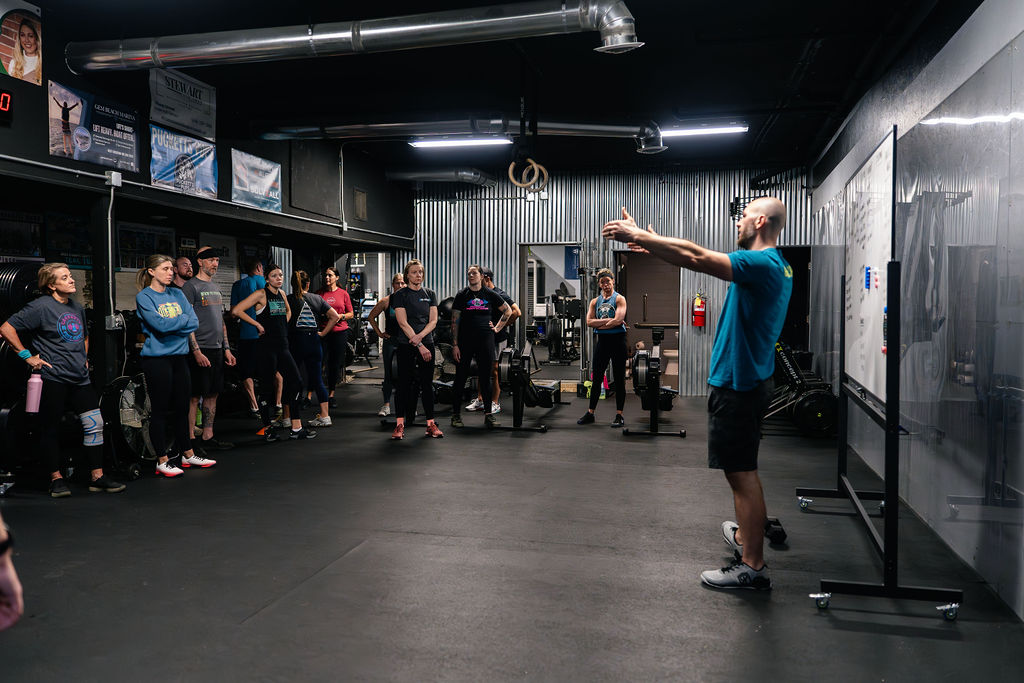
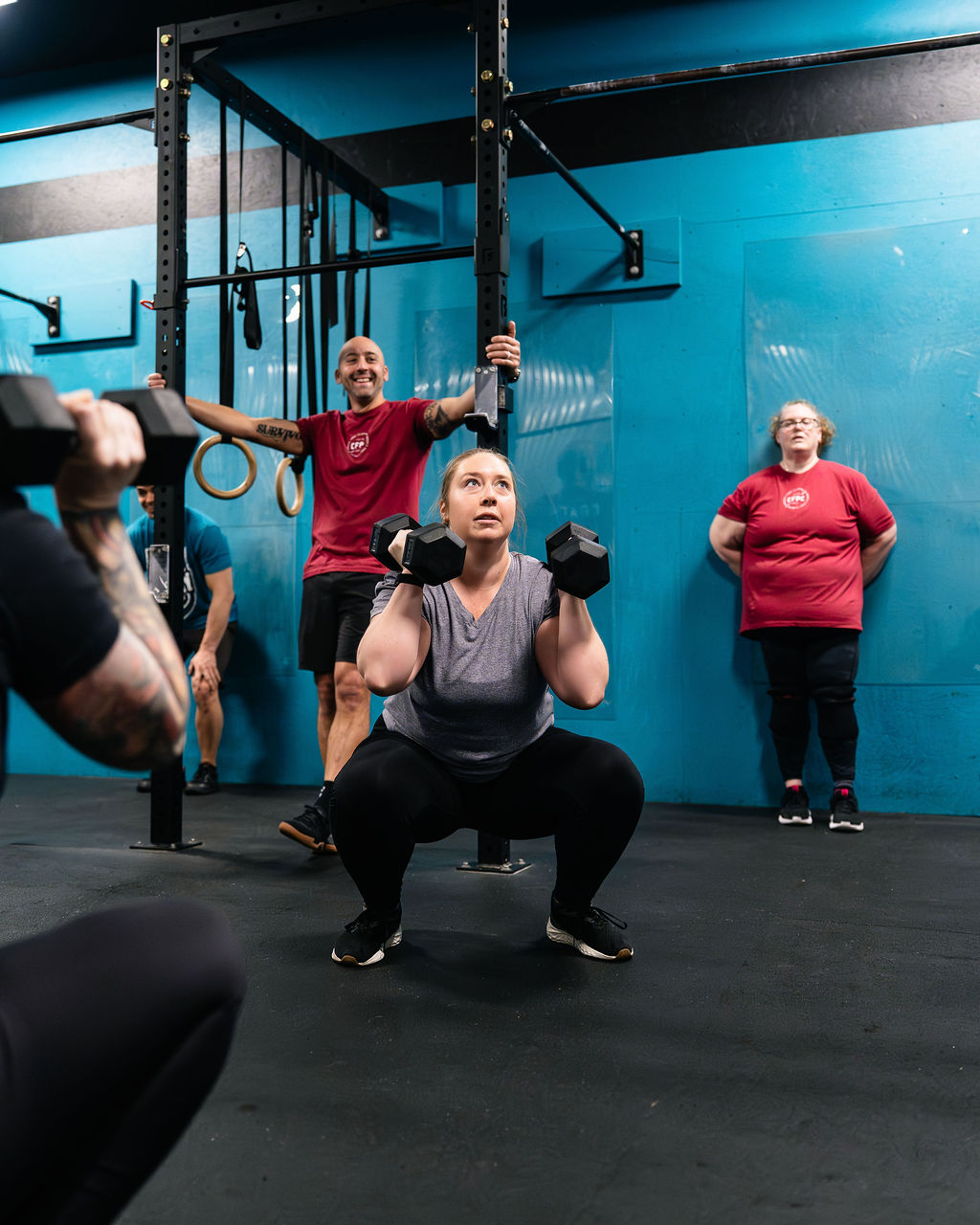
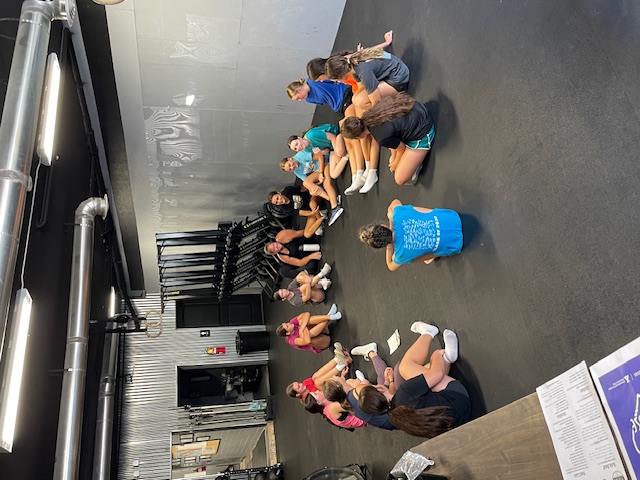
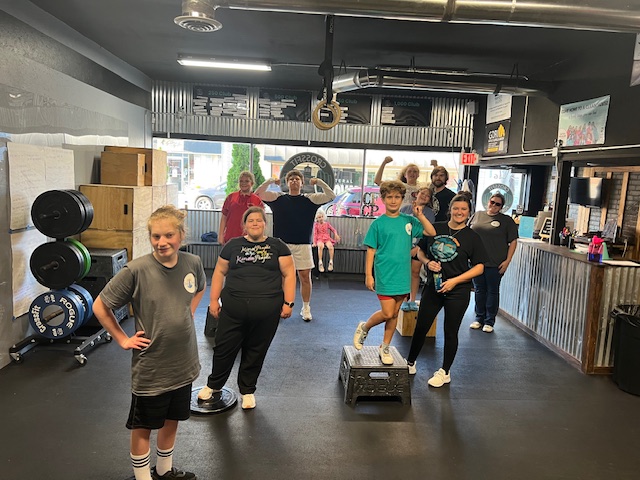
Our approach mirrors the CrossFit Kids methodology: mechanics first, always. We don't add load until movement quality is consistent. We don't rush. We don't compete on who can lift the most. We ask one question: does that look good?
A child might work with a PVC pipe for a year. That's not a slow start — that's the right start. The kids who build that foundation are the ones who thrive at 16, 18, and beyond.
When your child struggles in the water, you don't avoid the pool — you find them a swim coach. The same logic applies to the weight room. If your kid is curious about strength training, the answer isn't "wait until they're older." It's "find them a great coach."
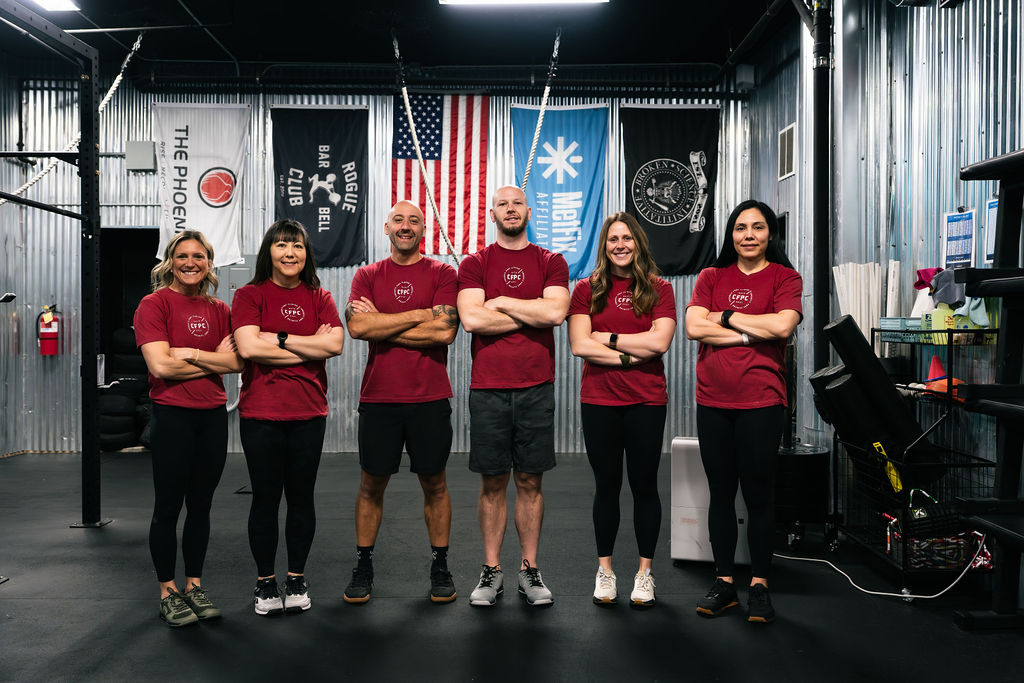
We'd love to be that coach. Learn more at crossfitportclinton.com.

.png)





















.jpg)