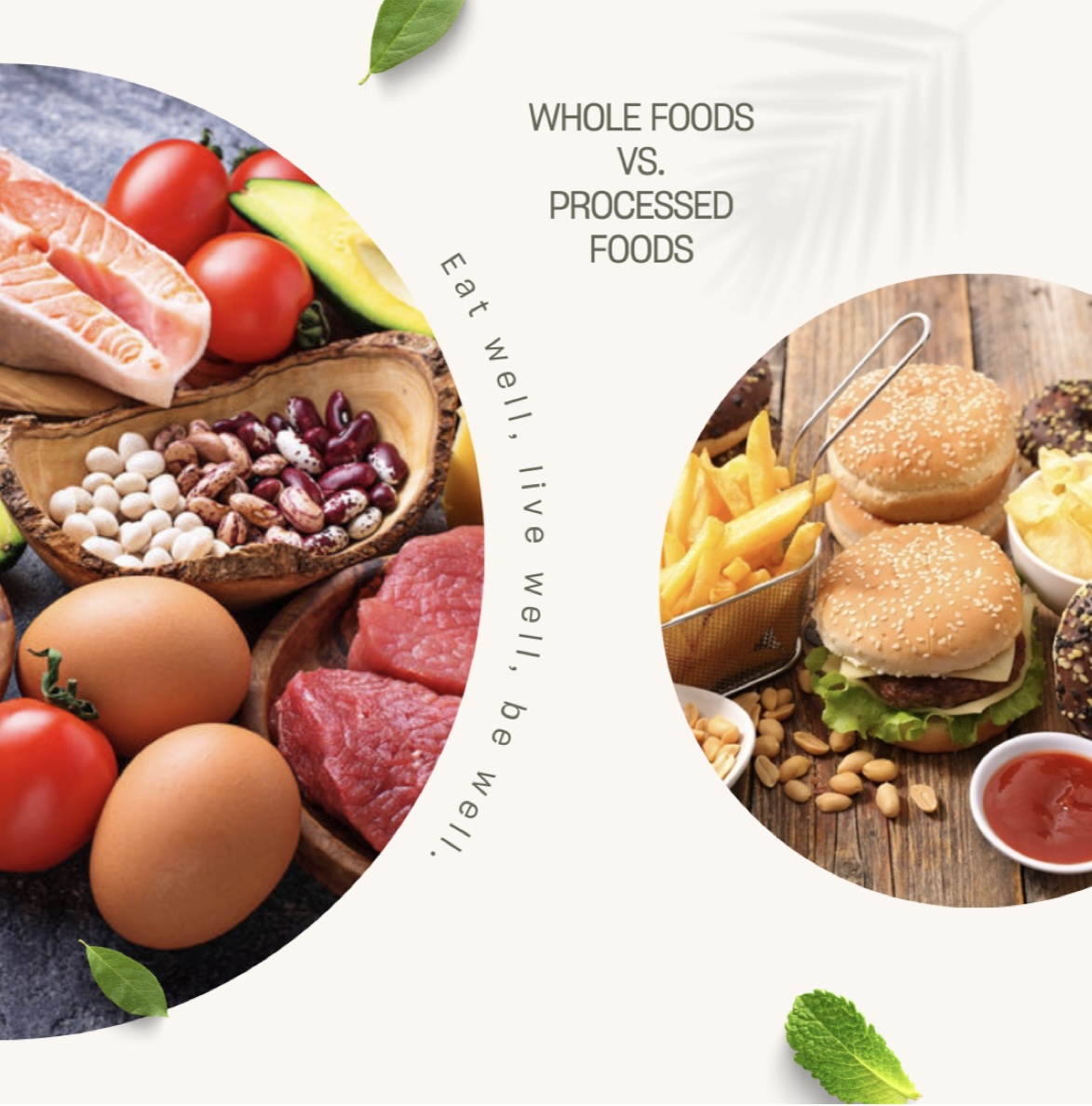

The carnivore and keto debate is loud right now. Both diets have passionate communities and real results for certain goals. And if you've spent any time on fitness social media, you've probably seen both held up as the ultimate answer.
So let's get into it honestly —because the answer for CrossFit performance is more nuanced than either camp usually admits.
CrossFit's nutritionalprescription has been the same since the beginning — and it's worth stating clearly because it often gets misrepresented in both directions:
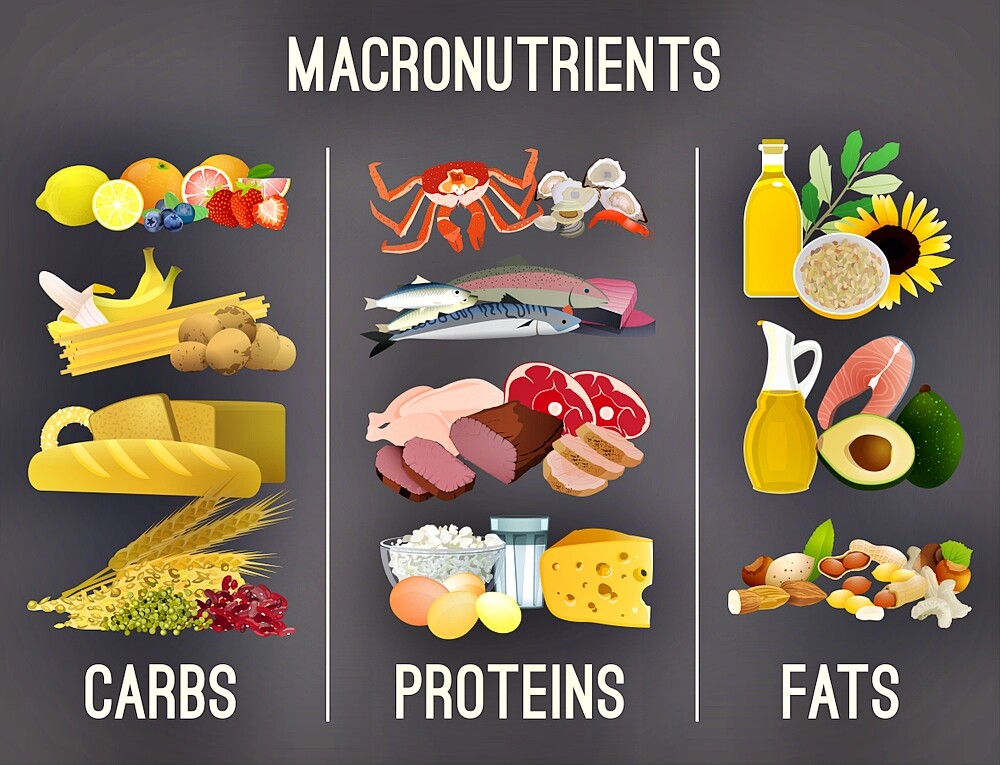
Meat and vegetables, nutsand seeds, some fruit, little starch, and no sugar.
Read that again. It's not ahigh-carb diet. It's not a processed food diet. It's whole, real food — with carbohydrates coming primarily from vegetables, fruit, and small amounts of starch. Grains, processed foods, added sugars, and refined carbohydrates are not part of the CrossFit nutrition template.
So when research shows that 'high-carbohydrate diets support CrossFit performance,' that does not mean bags of chips, pasta every night, and sports drinks. It means the carbohydrates found in real, whole food — sweet potatoes, fruit, vegetables, and occasional whole grains.
A 2025 scoping review of CrossFit nutrition research found that high-carbohydrate diets had a positive effect on CrossFit performance, and that evidence for ketogenic diets improving performance is limited. Keep in mind, this is for elite athletes, who are training 4-7 hours a day. The reasoning is below.
CrossFit training is primarily glycolytic — sprints, heavy lifts, and high-rep conditioning work all depend on carbohydrates as their fast-access fuel source. When whole-food carbohydrates are too low, output in those efforts typically drops.
Here's the key distinction: the carbohydrates that support CrossFit performance are the same ones CrossFit's prescription already includes — vegetables, fruit, some starch. Not processed, high-sugar junk food. The issue isn't carbs vs. no carbs. It's whole-food carbs in appropriate amounts vs. elimination.
Here's what gets lost in the debate: carnivore and keto share more with CrossFit's nutrition foundation than people realize.
• All three eliminate processed foods and refined sugars
• All three prioritize whole, real food over packaged convenience food
• All three put animal protein front and center
• All three reject the standard American diet
The divergence is specifically on whole-food carbohydrates — vegetables, fruit, and small amounts of starch. CrossFit's prescription includes them. Strict keto and carnivore eliminate most or all of them.
When carbohydrates are eliminated — even whole-food ones — a few things tend to happen for athletes doing high-intensity work:
• Energy availability for glycolytic efforts decreases
• Mid-WOD output drops, especially in longer conditioning pieces
• Recovery between sessions slows
• Total training volume becomes harder to sustain
This isn't universal — some people adapt well and maintain solid performance on lower carbs, especially athletes who are training for longevitiy of life and quality of life.
This is not a defense of high-carb processed eating. Bread, pasta, crackers, cereals, granola bars, sports drinks, and sugar-laden foods are not what we're talking about. Those aren't part of a performance nutrition plan regardless of which framework you're using.
And if you're currently on a carnivore or keto diet and your performance feels strong, your recovery is solid, and you feel genuinely good — you don't need to change anything. People respond differently. Context matters.
If any of these sound familiar, whole-food carbohydrates are the first variable to examine:
• Energy crashes during or after WODs
• Lifts plateauing or declining over multiple weeks
• Slow, dragging recovery between sessions
• Inability to push intensity during conditioning work
• Persistent fatigue that sleep alone doesn't fix
The Bottom Line
CrossFit's nutrition prescription is clear: meat and vegetables, nuts and seeds, some fruit, little starch, no sugar. Real food. No processed junk.
That approach includes meaningful carbohydrates from whole sources. Eliminating them entirely — while not catastrophic for everyone, and even benefical for overweight individuals— may cost performance over time.
High-carb processed diets aren't the answer. Neither is complete carbohydrate elimination. Whole food, eaten in the right amounts for your training load, is.
Want to talk through what your nutrition should actually look like? Book a free No Sweat Intro at CrossFit Port Clinton.
CrossFit Port Clinton | Port Clinton, Ohio | crossfitportclinton.com



.png)

















































.jpg)