You've probably heard of creatine. You've almost certainly seen it on the shelves of every supplement store. Maybe you've even tried it. But if you were asked right now to explain exactly what it does, why it works, how to use it, and whether the concerns you've heard about it are legitimate — could you?
Most people can't. And that gap in knowledge is costing them real results.
This blog covers everything: the science of how creatine works, the evidence behind its benefits, the right protocol, the myths worth busting, and why it's particularly powerful for CrossFit-style functional training. By the end, you'll know more about creatine than most personal trainers — and you'll be ready to use it with confidence.
Creatine is a naturally occurring compound synthesized in your liver, kidneys, and pancreas from three amino acids: arginine, glycine, and methionine. Small amounts are also found in dietary sources — primarily red meat and fish. But the amounts available through food are modest. A pound of raw beef contains roughly 1-2 grams of creatine. Your daily maintenance dose for supplementation? 3-5 grams.
Your body stores approximately 95% of its creatine in skeletal muscle tissue, with the remaining 5% distributed in the brain, liver, kidneys, and testes. Within muscle tissue, creatine exists in two forms: free creatine and phosphocreatine (also called creatine phosphate). Phosphocreatine is the active player. It's the molecule that powers your muscles during explosive, high-intensity effort — and it's the reason supplementing with creatine changes your training.
The average person stores about 120 grams of creatine in their muscles. Supplementation can raise this to approximately 160 grams — a significant increase that directly translates to performance.
To understand why creatine matters, you first need to understand ATP.
ATP — adenosine triphosphate — is the energy currency of every cell in your body. When your muscles contract, they break ATP down into ADP (adenosine diphosphate) plus a phosphate group, releasing energy. The problem: your muscles only store enough ATP for about 2-3 seconds of maximal effort. After that, ATP must be regenerated.
Your body has three energy systems for regenerating ATP. The fastest — and the one creatine directly fuels — is the phosphocreatine system (also called the ATP-PCr system or alactic anaerobic system).
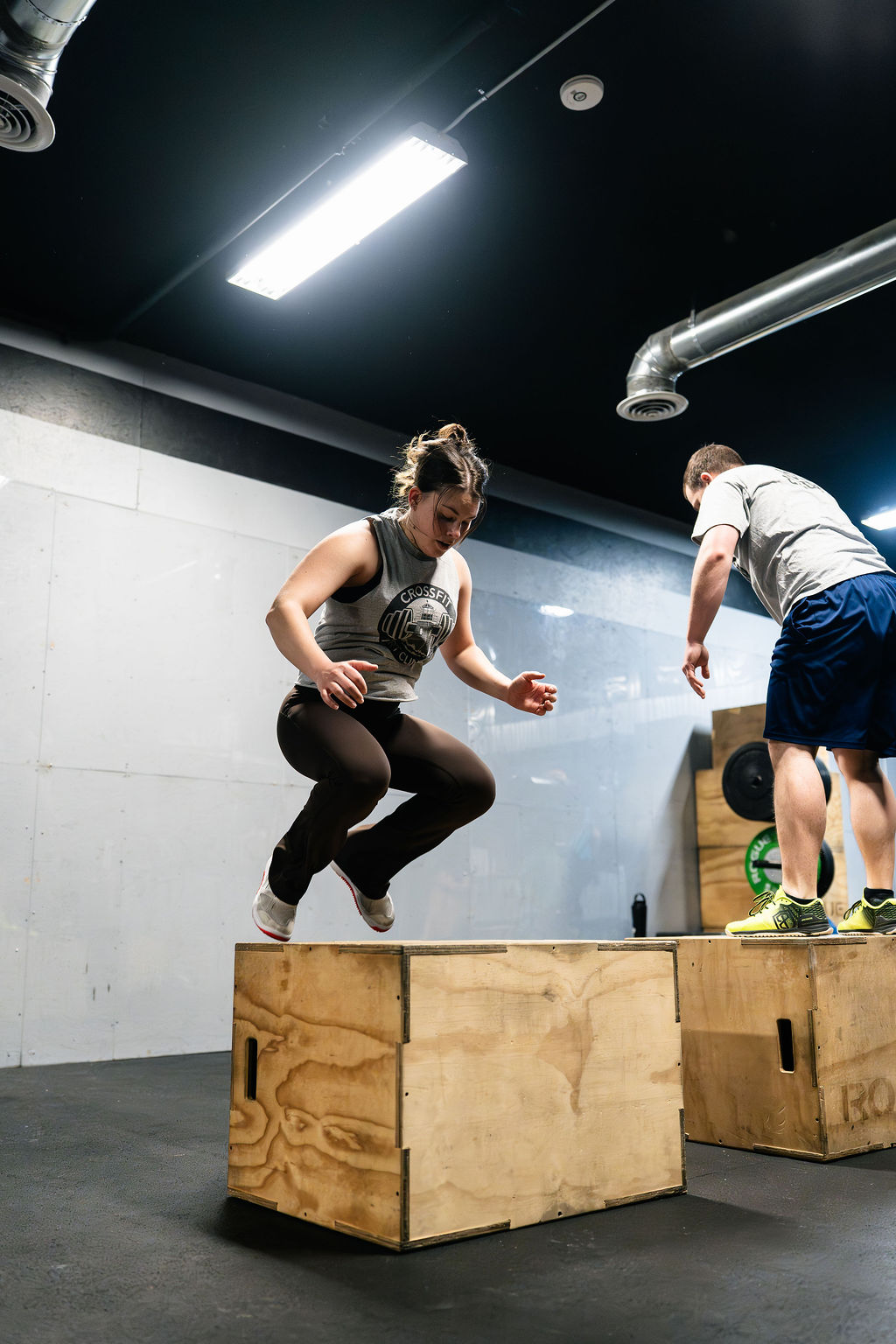
Here's how it works: phosphocreatine donates its phosphate group to ADP, instantly regenerating ATP. This system can produce energy faster than either glycolysis or aerobic metabolism — which is why it powers every explosive movement you make: the first pull of a deadlift, the jump in a box jump, the sprint at the end of a metcon.
The limitation? Your stores of phosphocreatine are small. They deplete in about 10-15 seconds of maximal effort and take 3-5 minutes to fully replenish. This is exactly why you rest between sets — you're waiting for phosphocreatine to recover.
When you supplement with creatine and saturate your muscle stores, you have more phosphocreatine available at the start of each effort. This translates directly to:
→ More work capacity — More reps before phosphocreatine depletes
→ Faster recovery — Phosphocreatine stores replenish faster between efforts
→ Greater training adaptations — More contractile protein synthesis signaled
→ Cell volumization — Water drawn into muscle cells triggers protein synthesis pathways
Creatine is the most studied supplement in sports science history. Over 500 peer-reviewed studies have examined its effects. The consistency of the findings is remarkable — across populations, training modalities, and age groups, the results point in one direction.
5-15% STRENGTH INCREASE
500+ PEER-REVIEWED STUDIES
10- 15% LEAN MASS GAINS
All ages benefitted
Multiple meta-analyses — studies that combine data from dozens of individual trials — show creatine supplementation produces 5-15% improvements in maximum strength and explosive power compared to placebo. For someone squatting 300 lbs, that could be 15-45 additional pounds on the bar.
Creatine enhances lean mass gains through several mechanisms: increased training volume (more total work per session), cell volumization (which signals anabolic pathways), and direct effects on muscle protein synthesis. Long-term studies consistently show 10-15% greater lean mass gains in creatine users versus non-users following the same training program.
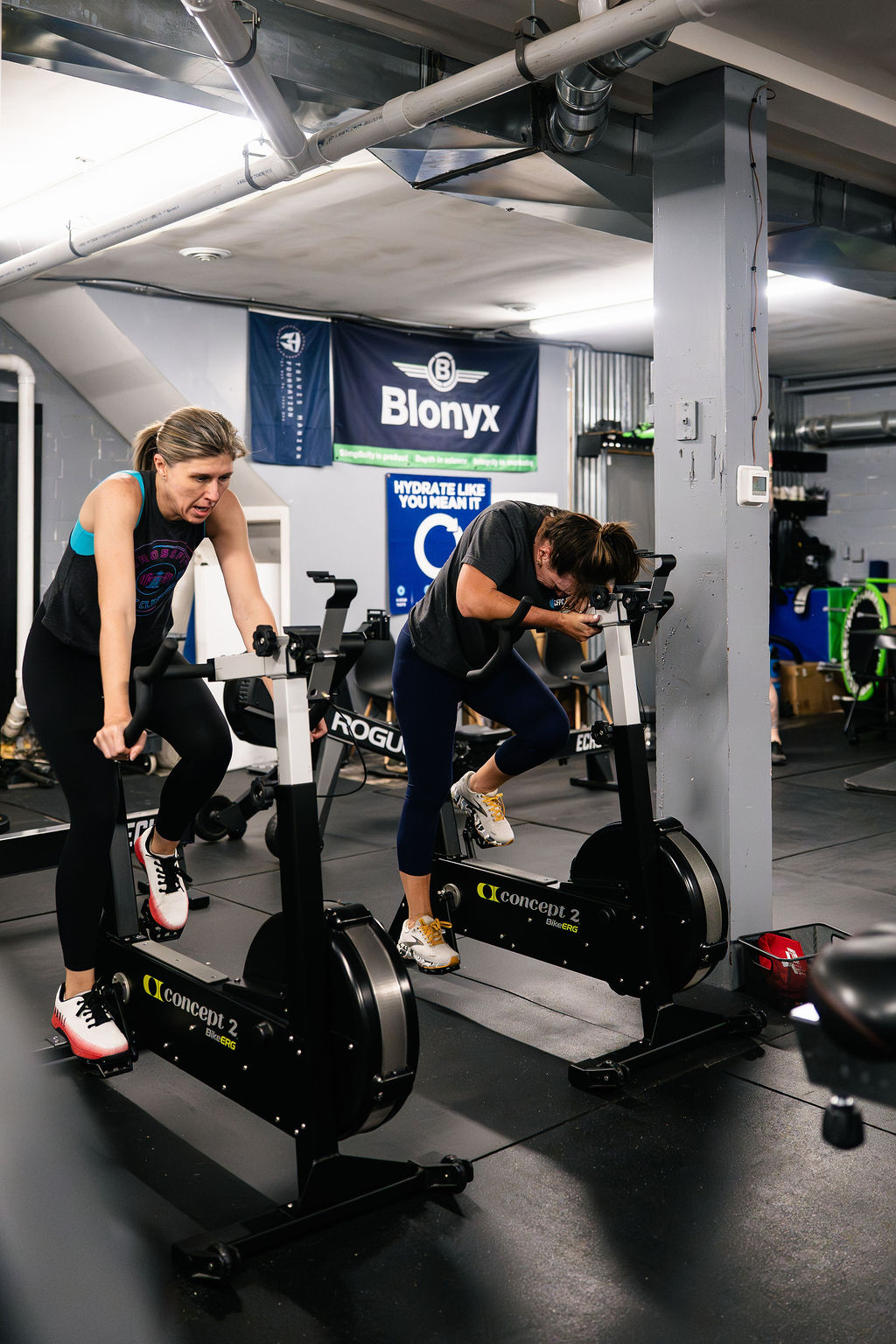
Sprint performance, repeated sprint ability, and high-intensity interval performance all improve with creatine supplementation. This is particularly relevant for CrossFit-style training, where workouts often involve repeated explosive efforts with incomplete rest.
Creatine reduces markers of muscle cell damage after intense exercise and accelerates phosphocreatine replenishment between bouts. This means less soreness, faster readiness for the next session, and better performance across multiple training days.
Emerging research — and there's a growing body of it — shows creatine's benefits extend beyond muscle. The brain uses significant amounts of ATP and has its own creatine stores. Supplementation has been shown to improve working memory, reduce mental fatigue, enhance processing speed under stress, and may offer neuroprotective effects relevant to aging and neurological conditions.
Vegetarians and vegans typically see the largest performance gains from creatine — their baseline muscle creatine stores are lower due to the absence of dietary sources, so the relative increase from supplementation is greater.
The research is clear on the fundamentals. Here's what actually matters:
Creatine monohydrate. Full stop. It is the most studied, most effective, and least expensive form available. Every alternative — creatine ethyl ester, buffered creatine, creatine HCl, creatine nitrate — costs more and is supported by far less research. Several have been shown to be inferior to monohydrate in direct comparisons. Save your money.
Maintenance: 3-5 grams per day. This is the dose supported by the majority of research. Some larger individuals (over 220 lbs) may benefit from the higher end of this range.
Loading phase (optional): 20 grams per day for 5-7 days, split into four 5g doses. Loading saturates your muscle stores in about a week rather than 3-5 weeks. It is not required — you'll reach the same endpoint either way — but it's useful if you want results quickly. Note that loading may cause temporary water retention and digestive discomfort in some individuals.
Timing matters less than consistency, but post-workout is slightly favored by research. The likely reason: post-workout, muscle cells are more receptive to creatine uptake due to insulin sensitivity and increased blood flow. Taking creatine with carbohydrates or protein (which stimulates insulin) may enhance uptake slightly.
The most important rule: take it every day. Creatines benefits come from sustained elevation of muscle stores — not from any single dose. Pick a consistent time that fits your routine.
Creatine draws water into muscle cells — this is part of how it works, and part of why your muscles look fuller when saturating. It also means you need to increase your water intake. Aim for at least half your bodyweight in ounces daily when supplementing. Dehydration blunts the benefits and increases the risk of cramping.
CrossFit-style functional fitness is uniquely well-suited to benefit from creatine supplementation. Here's why:
CrossFit training hits every energy system — but the workouts that generate the most adaptation (and the most demand on recovery) are the ones that tax the phosphocreatine system most aggressively: heavy barbell work, short high-intensity metcons, repeated sprint efforts, and gymnastics movements requiring maximal force output.
More phosphocreatine available at the start of each set means more explosive force production. Your deadlift, back squat, clean, and overhead press numbers move faster. More phosphocreatine stores also means less fatigue between sets — you can maintain effort quality across all working sets, not just the first one.
The signature CrossFit format — a metabolic conditioning workout that combines multiple movements, high reps, and time pressure — relies heavily on repeated phosphocreatine cycling. Creatine extends the time you can sustain high power output before the phosphocreatine system depletes and you're forced into glycolysis (the burning feeling). More rounds. Faster times. More consistent pacing.
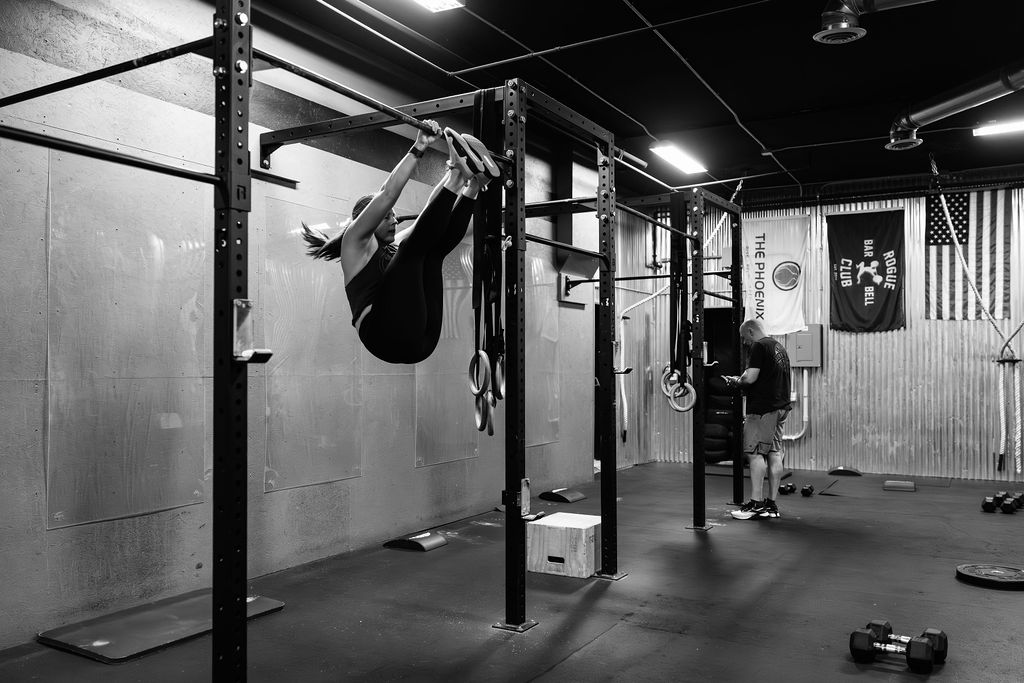
Kipping pull-ups, ring dips, handstand push-ups, bar muscle-ups — these movements require repeated explosive muscle contractions with minimal rest between reps. Creatine's ability to accelerate phosphocreatine replenishment between individual contractions makes a real difference in unbroken sets and total volume.
For athletes training 4-6 days per week, creatine's recovery benefits compound. Faster phosphocreatine replenishment and reduced muscle damage markers mean you show up to Tuesday's training fresher than you would without supplementation. Over weeks and months, that compounds into significantly greater training volume — and significantly greater adaptation.
Ask your CFPC coach how to integrate creatine into your current training plan. We build programs around your actual numbers — and your InBody scan gives us the body composition baseline to track whether it's working.
This is the most persistent myth in the supplement world — and it is not supported by evidence. The confusion arises because creatine metabolism produces creatinine, a byproduct that some kidney function tests measure as a marker of renal health. When you supplement with creatine, creatinine levels rise. Some tests flag this as a concern. But in healthy individuals, this elevation reflects increased creatine metabolism — not kidney damage. Decades of research, including long-term studies in various populations, have found no adverse effects on kidney function in healthy individuals. People with pre-existing kidney disease should consult a physician before supplementing.
Creatine is a naturally occurring compound found in food and synthesized by your body. It has zero hormonal activity — it does not interact with androgen receptors, does not affect testosterone or estrogen levels, and is not banned by any major sports organization including the Olympics, CrossFit, the NFL, NBA, or NCAA. It is a legal, non-hormonal compound.
There is no scientific basis for cycling creatine. This advice persists from early supplement marketing and has no support in the research literature. Your body does not develop "tolerance" to creatine, does not stop responding to it, and does not require periods off. Consistent daily supplementation is the most effective protocol.
Research has confirmed creatine's benefits across an enormous range of populations: endurance athletes, team sport athletes, combat sport athletes, older adults (where it helps preserve muscle mass and combat sarcopenia), vegetarians, women, and even non-athletes seeking cognitive benefits. The evidence is not limited to large men lifting heavy weights.
Creatine does cause initial water retention — in your muscles, not subcutaneously. The slight weight gain (1-3 lbs) in the first weeks reflects intramuscular water, which is part of how creatine works and is associated with the cell volumization that promotes protein synthesis. This is not the same as the soft, puffy water retention associated with high sodium intake. Muscle fullness is not bloating.
Creatine is appropriate for nearly any healthy adult engaged in regular exercise. The benefits are most pronounced for:
→ Strength and power athletes — Training 3+ days per week with weights or high- intensity conditioning
→ CrossFit athletes — CrossFit training taxes the phosphocreatine system repeatedly every session
→ Older adults (40+) — Creatine's role in muscle preservation becomes increasingly important after 40
→ Vegetarians and vegans — Lower baseline stores mean larger relative gains from supplementation
→ Anyone under mental or cognitive stress — Cognitive benefits make creatine relevant beyond athletic performance
Creatine is generally not recommended for individuals with pre-existing kidney disease, or those who are pregnant, without first consulting a physician.
Creatine monohydrate is the most thoroughly researched, most consistently effective, and most cost-efficient performance supplement available. The evidence is not preliminary or conflicted — it is overwhelming and spans decades of research in diverse populations.
3-5 grams per day.
Every day.
Creatine monohydrate.
Drink more water.
That's it. If you've been leaving it on the table, it's time to stop.
At CrossFit Port Clinton, we believe in building performance plans around real data. Our InBody 380 scans give you a baseline body composition picture before you start — and track exactly how your muscle mass responds over time. Pair creatine with consistent training, smart nutrition, and coaching that actually knows your body, and the results compound fast.
Book Your Free No Sweat Intro → crossfitportclinton.com
Schedule an InBody Scan → CrossFit Port Clinton | InBody Scans In Port Clinton, OH

.png)





















.jpg)