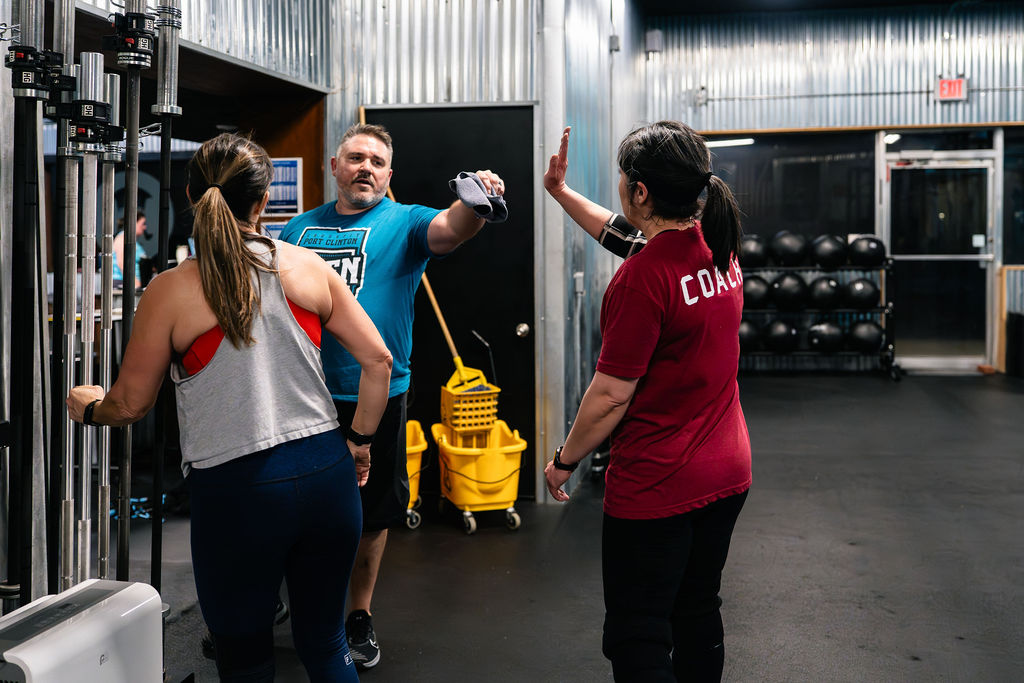

There's a myth about CrossFit that needs to die: that it's a young person's sport.
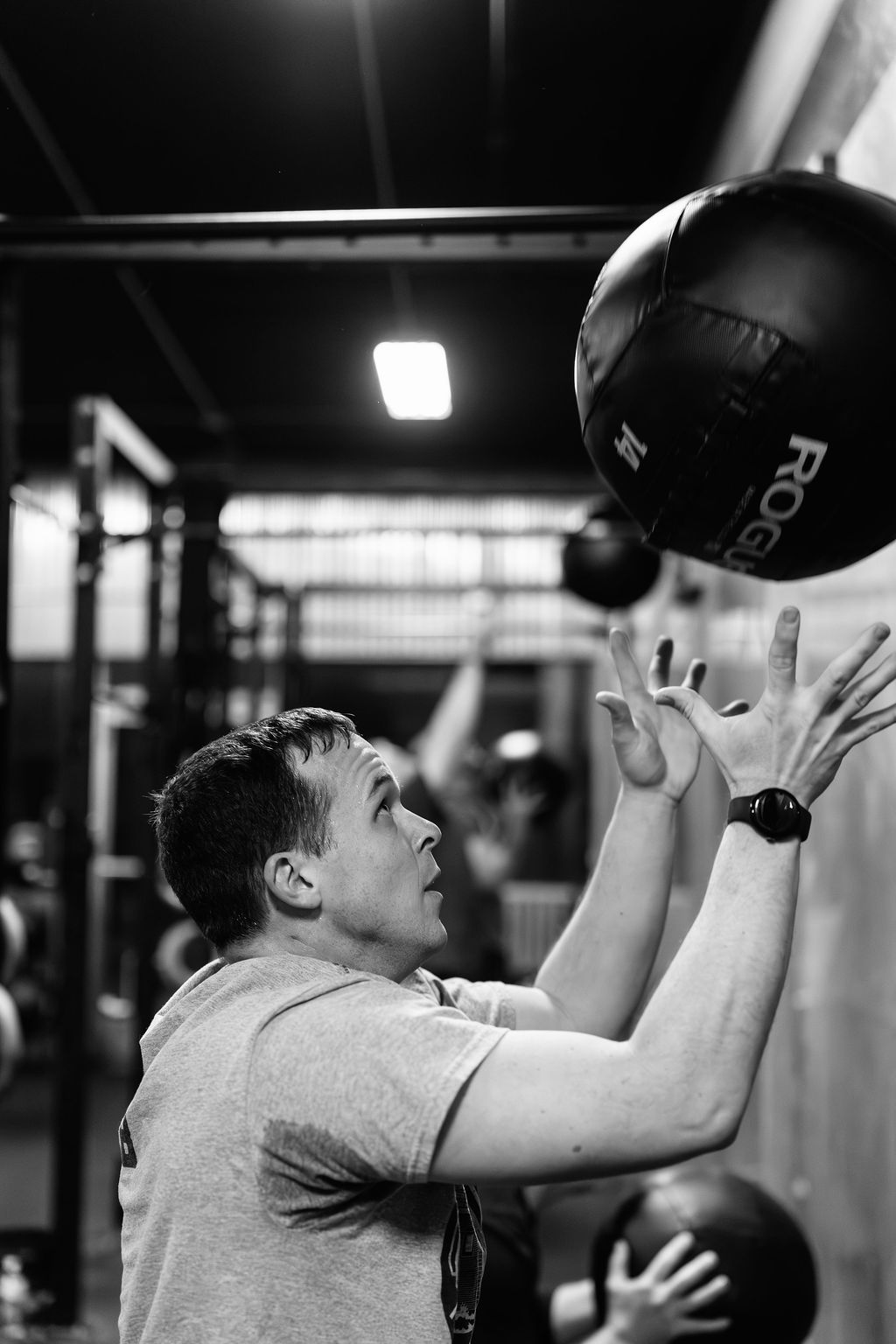
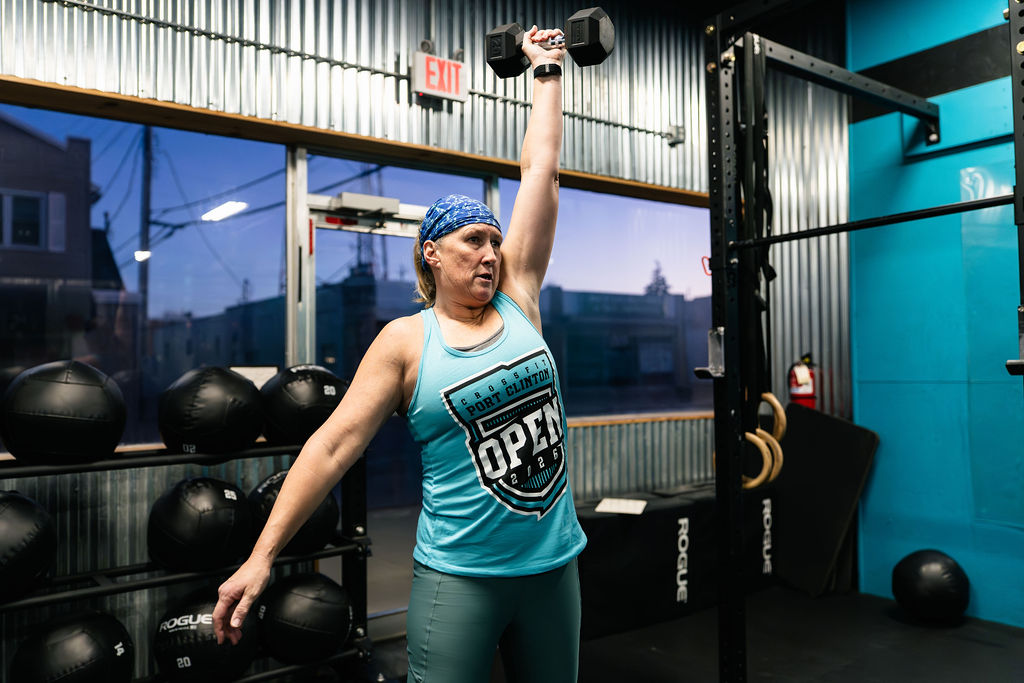
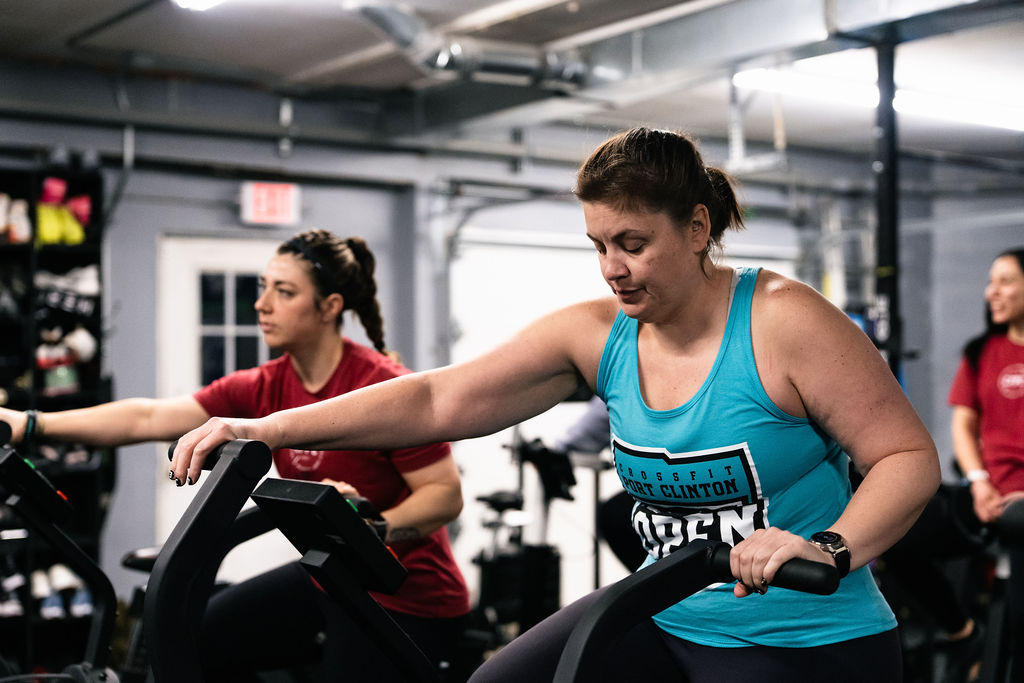
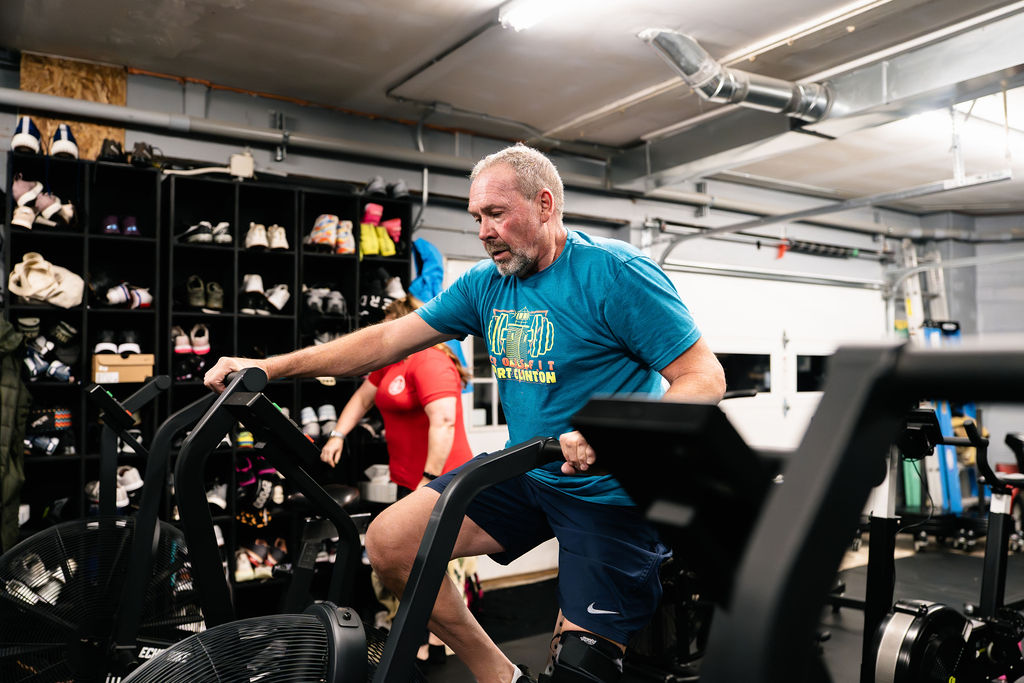
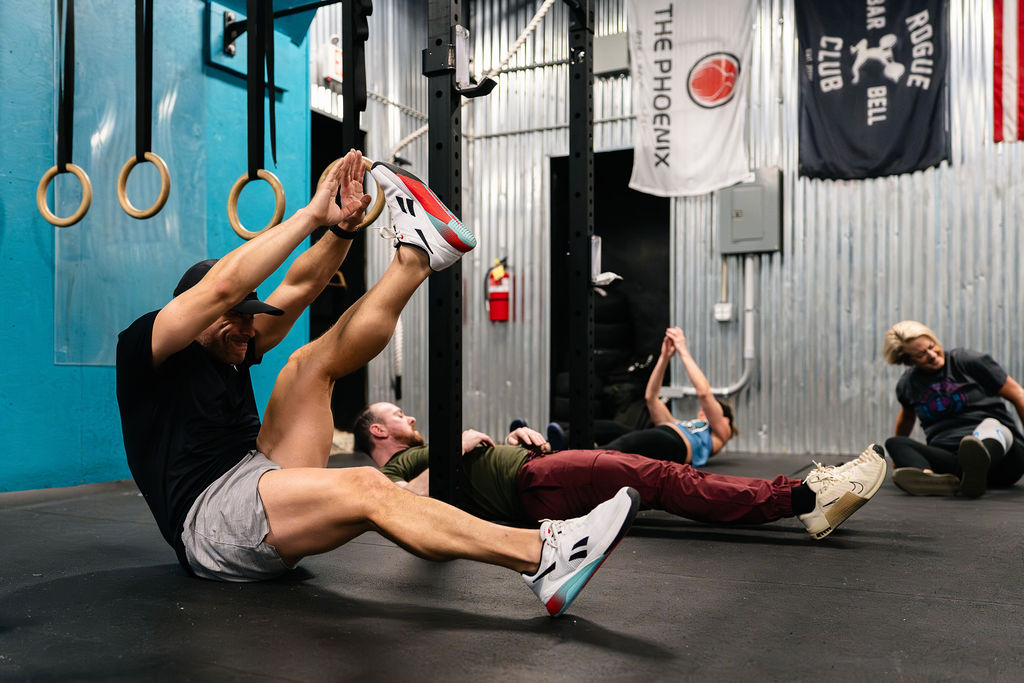
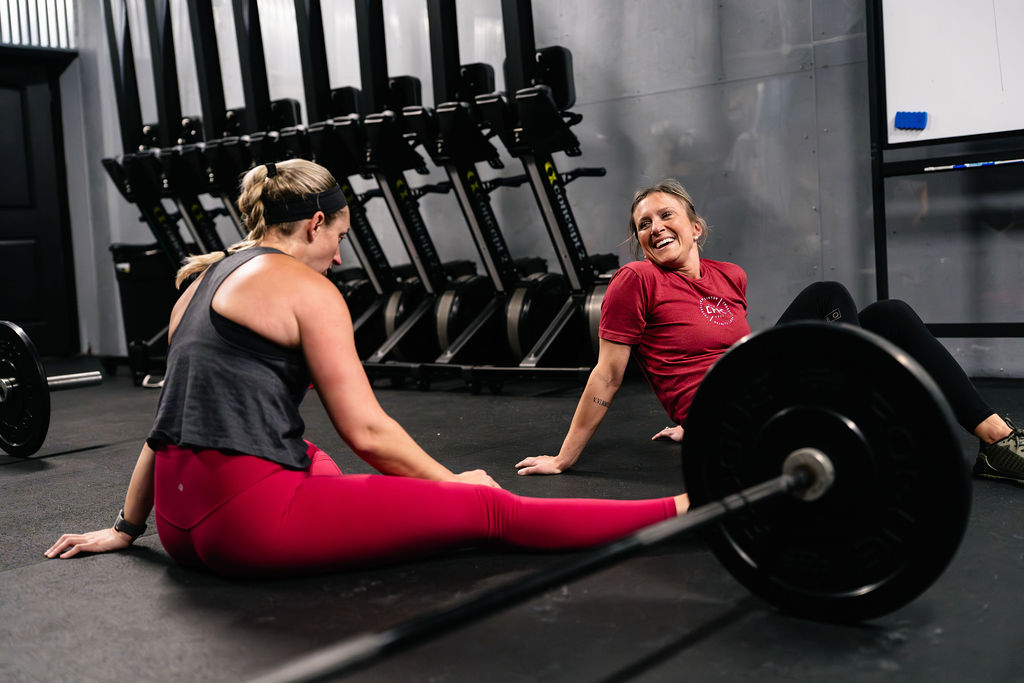
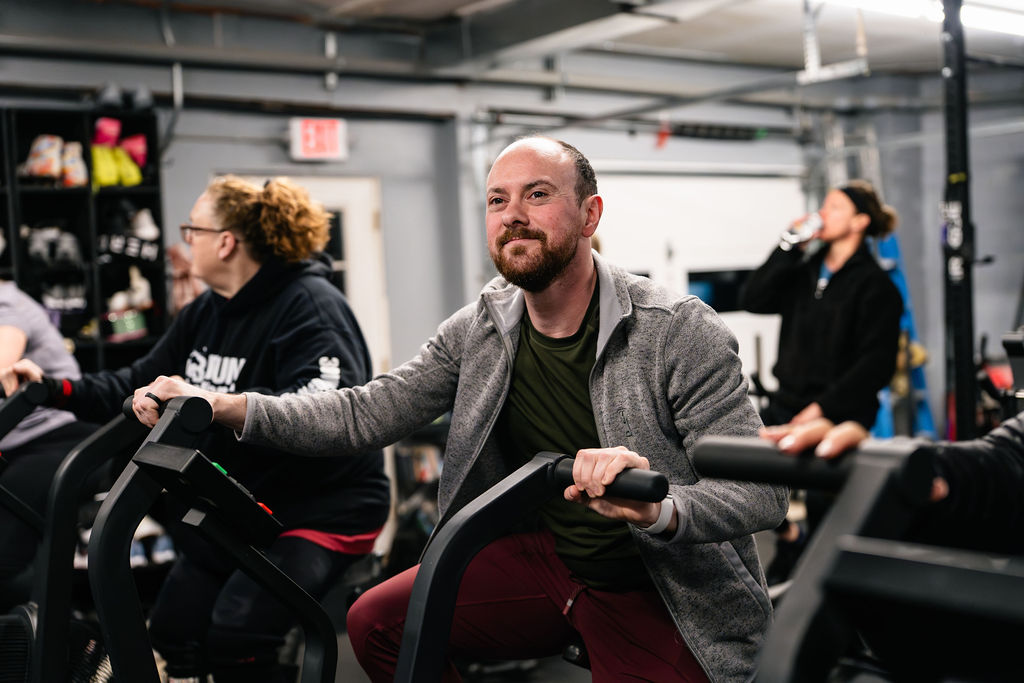
Walk into CrossFit Port Clinton on any given morning and you'll see it shattered in real time. Athletes in their 50s deadlifting more than they could at 30. Members in their 60s moving with more mobility and confidence than most people half their age. People who came to us convinced their best physical years were behind them — and who are now setting personal records.
CrossFit has always been built for everyone. But in 2026, the data and the culture are catching up to what we've known on the gym floor for years: the masters athlete population — generally defined as 35 and over — is one of the fastest-growing and most dedicated segments in the sport.
According to current CrossFit statistics, 5% of CrossFit athletes are 65 or older — and that number keeps growing. The 45–54 and 55–64 age brackets are among the most active in affiliate gyms around the world. These aren't athletes just showing up to maintain. They're competing in the CrossFit Open, setting PRs, and outperforming people decades younger in consistency and commitment.
CrossFit itself has taken notice. Their coaching education content now dedicates significant resources to masters athletes — covering how to program, scale, and coach older athletes for maximum benefit and minimum injury risk. The message from CrossFit HQ is clear: aging athletes aren't a niche. They're a core part of what this sport is.
Here's the biological reality that nobody talks about enough: muscle loss begins in your 30s. Without deliberate resistance training, adults lose 3–8% of their muscle mass per decade — a condition called sarcopenia. After 60, that rate accelerates. The downstream effects include reduced strength, slower metabolism, increased injury risk, loss of balance, and a narrowing of physical independence.
Bone density follows a similar trajectory. Decreased estrogen in women during and after perimenopause accelerates bone loss, increasing fracture risk. Men lose bone density more gradually but face the same long-term consequences without intervention.
Here's what makes CrossFit uniquely well-suited for addressing all of this:
Strength training is the single most effective tool against sarcopenia. CrossFit's programming includes strength work in every weekly cycle — not as an afterthought, but as a core pillar. Compound lifts like deadlifts, squats, and overhead presses load the entire skeletal system and stimulate the muscle protein synthesis that counteracts age-related muscle loss.
Functional movement preserves independence. The movements we train — squats, carries, pulling, pushing — are the exact patterns that determine whether you can live independently and actively as you age. CrossFit doesn't isolate muscles; it trains movement, which is what life actually requires.
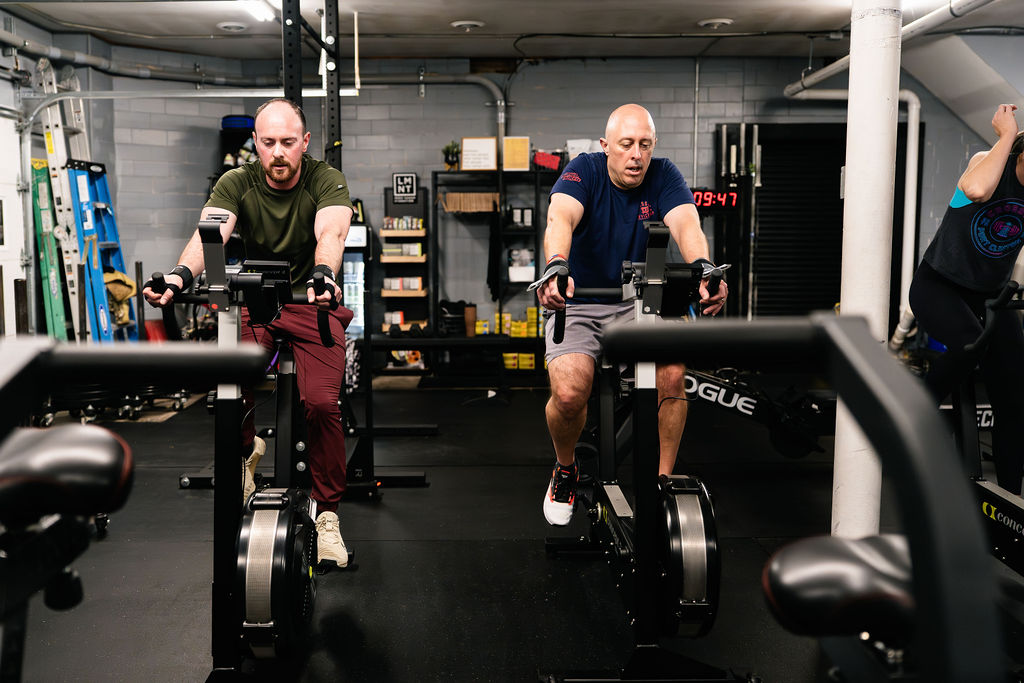
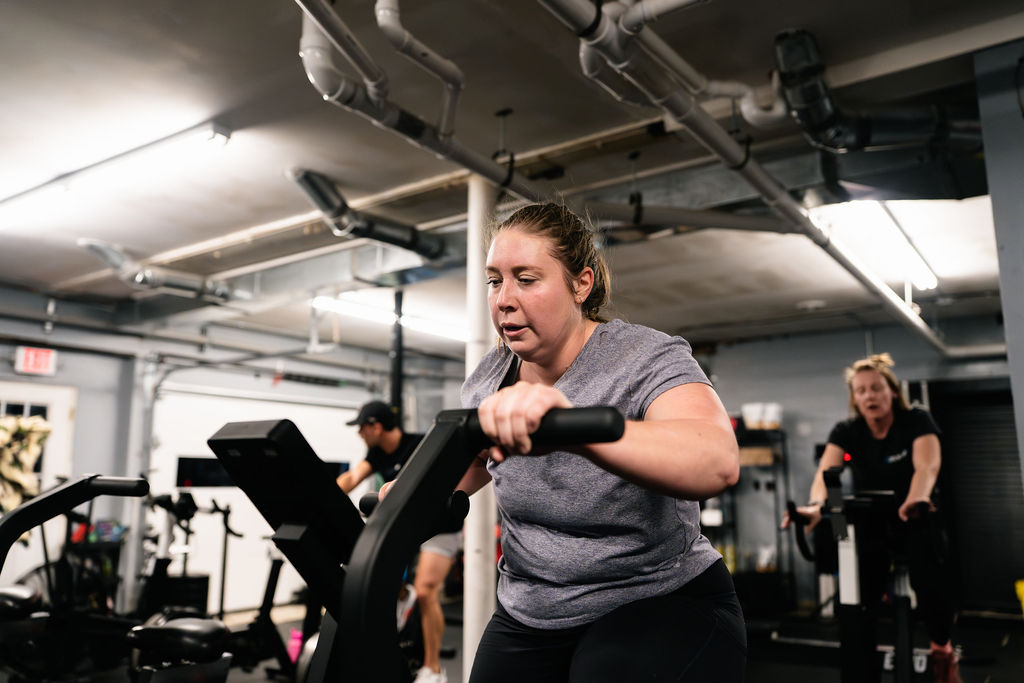
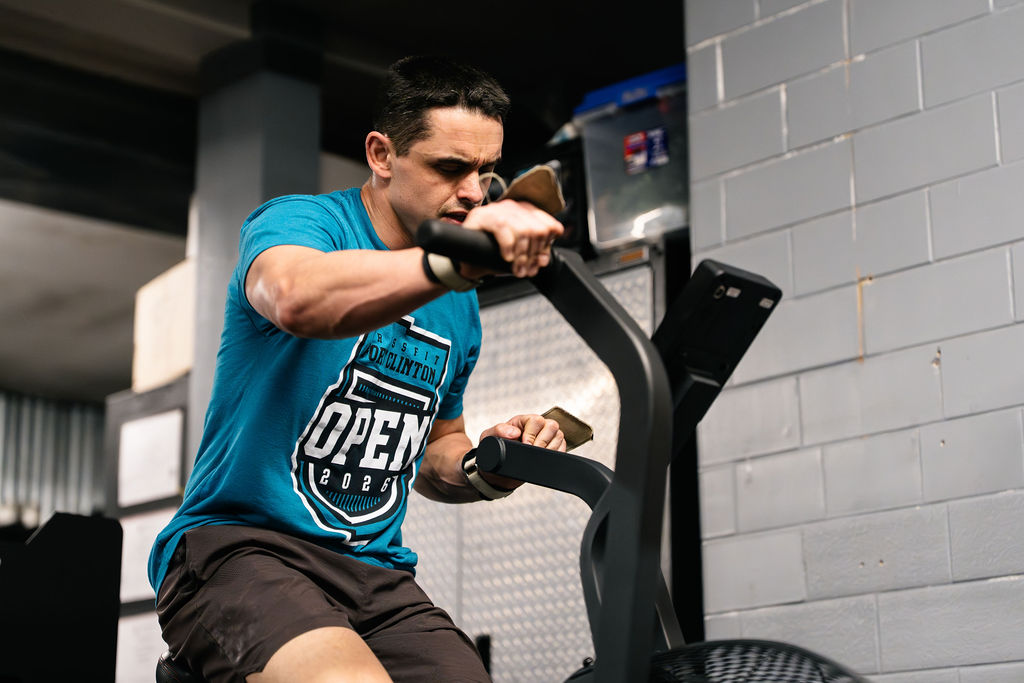
Cardiovascular conditioning protects your heart. The metabolic conditioning that defines CrossFit — those classic workouts that leave you breathless — builds cardiovascular capacity that reduces the risk of heart disease, improves insulin sensitivity, and supports healthy weight management well into later decades.
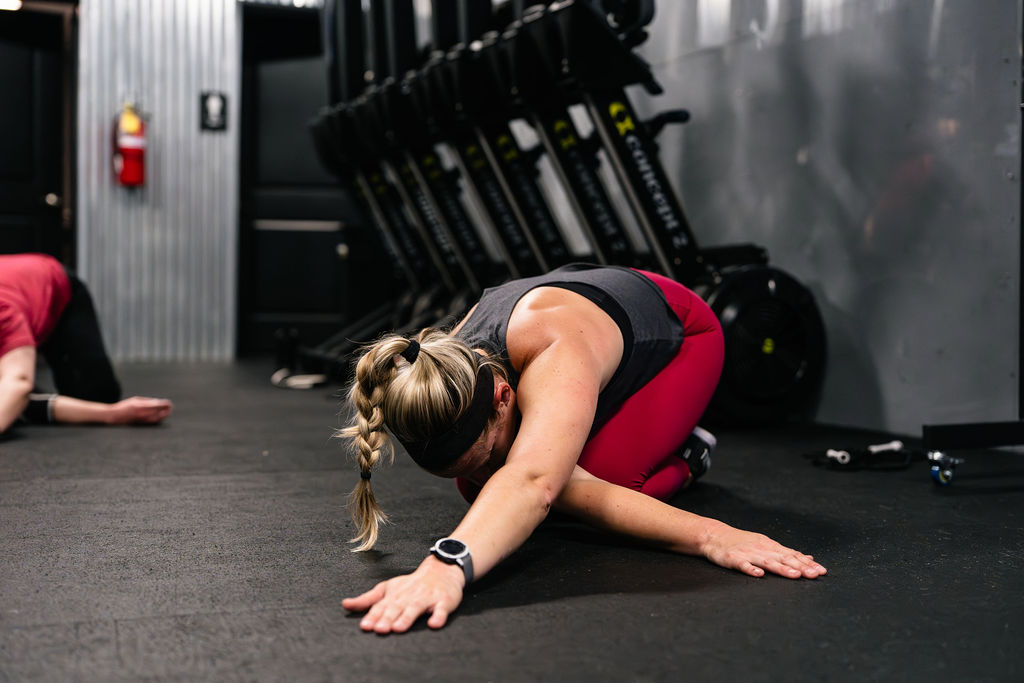
Mobility work keeps you moving freely. Every CrossFit class includes warm-up and cool-down work targeting joint mobility and flexibility. For aging athletes, this is often where the most life-changing gains happen.
One of the most common things we hear from people considering CrossFit after 40, 50, or 60 is some version of: "I'm not sure CrossFit is for me — I'm not as young as I used to be."
That concern is exactly backwards. CrossFit's methodology is more valuable as you age, not less. And every movement in our programming can be scaled to meet you where you are right now.
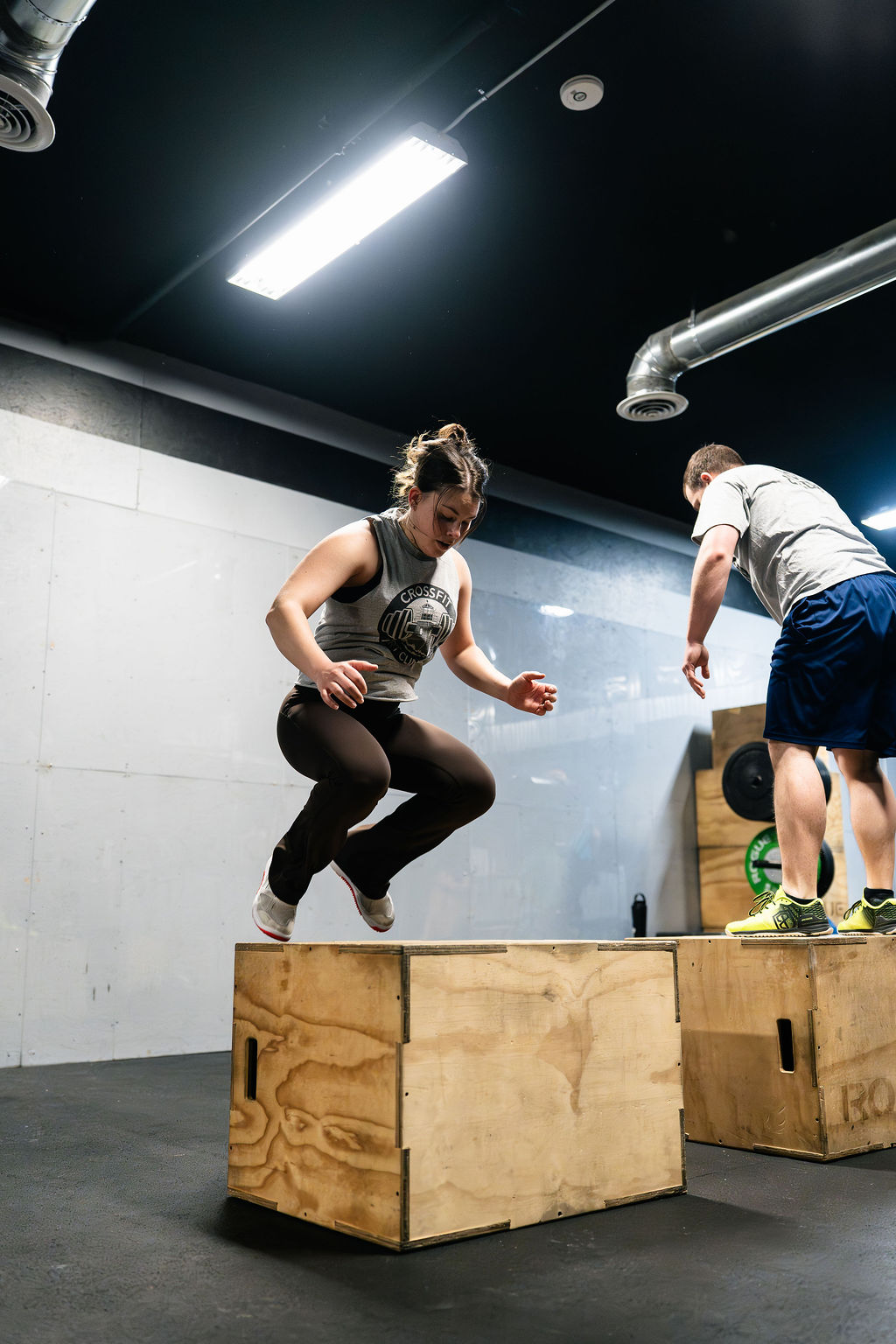
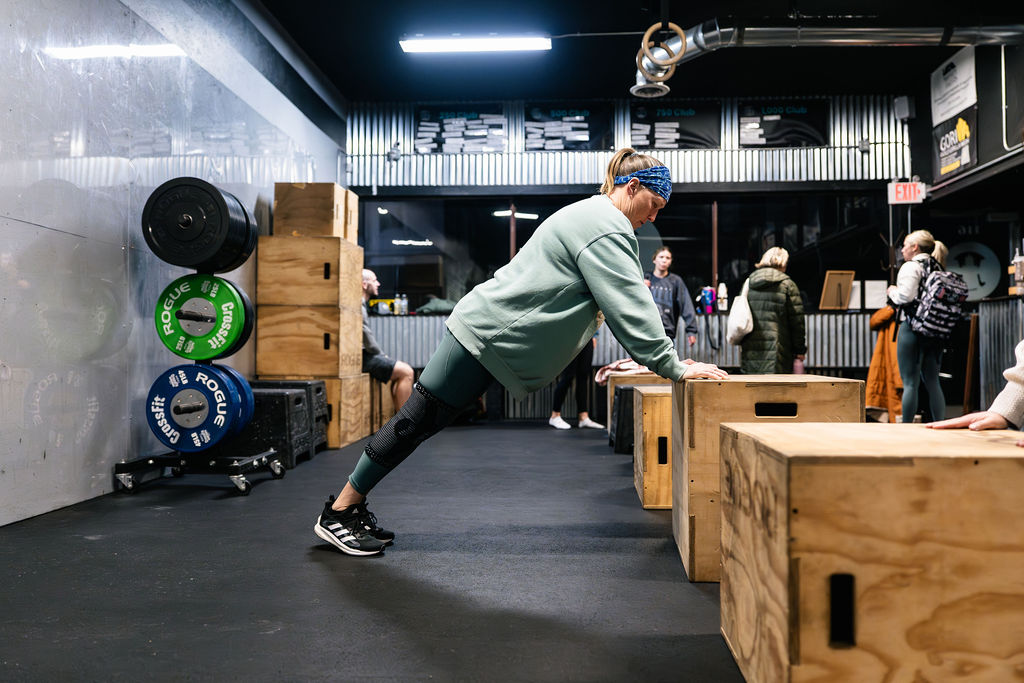
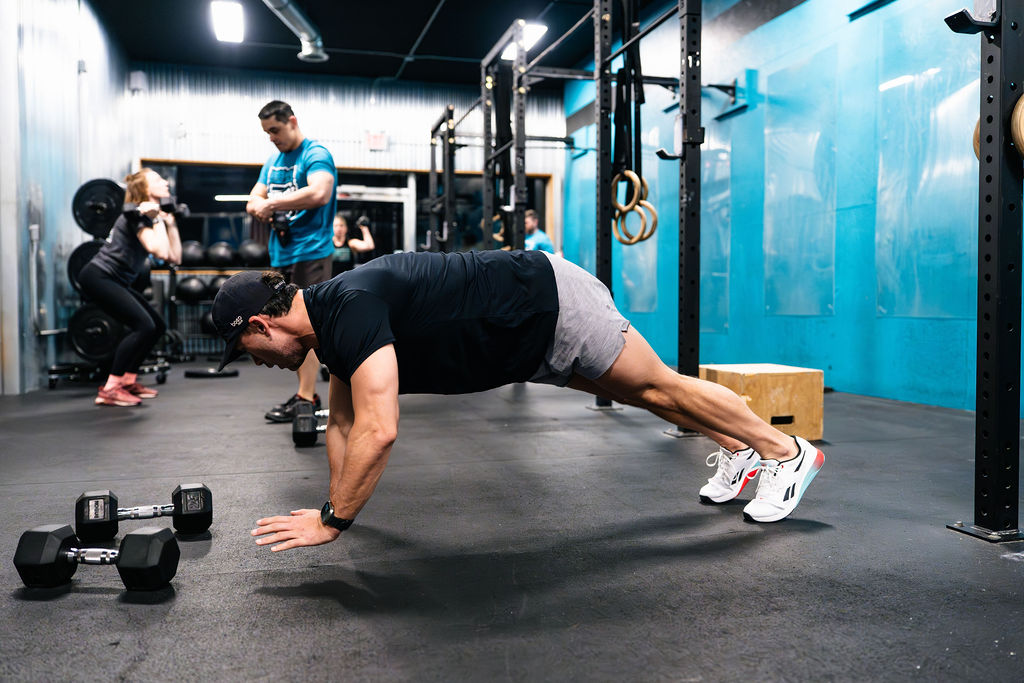
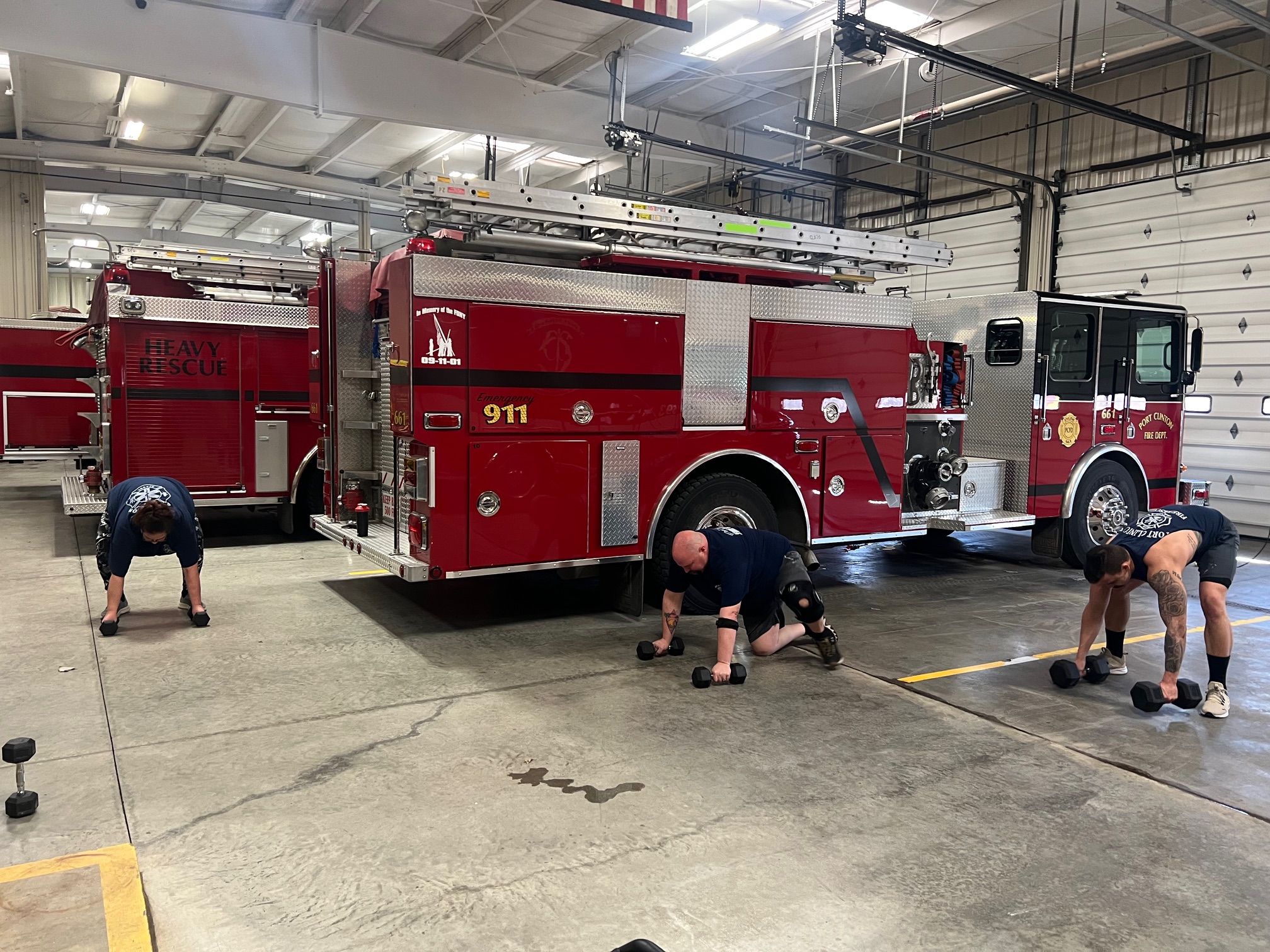
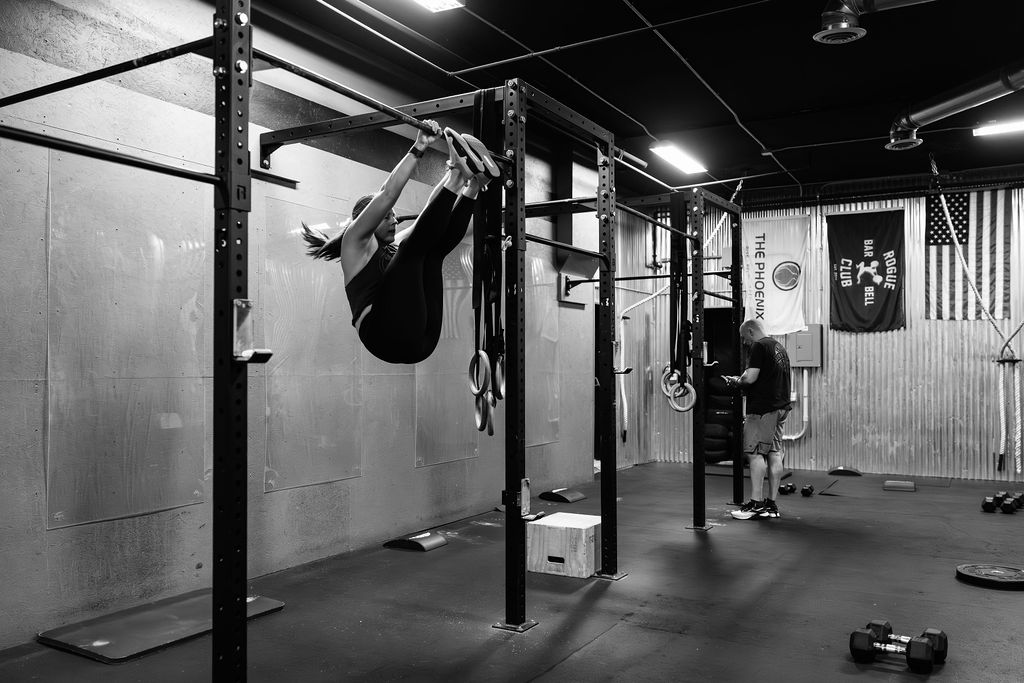
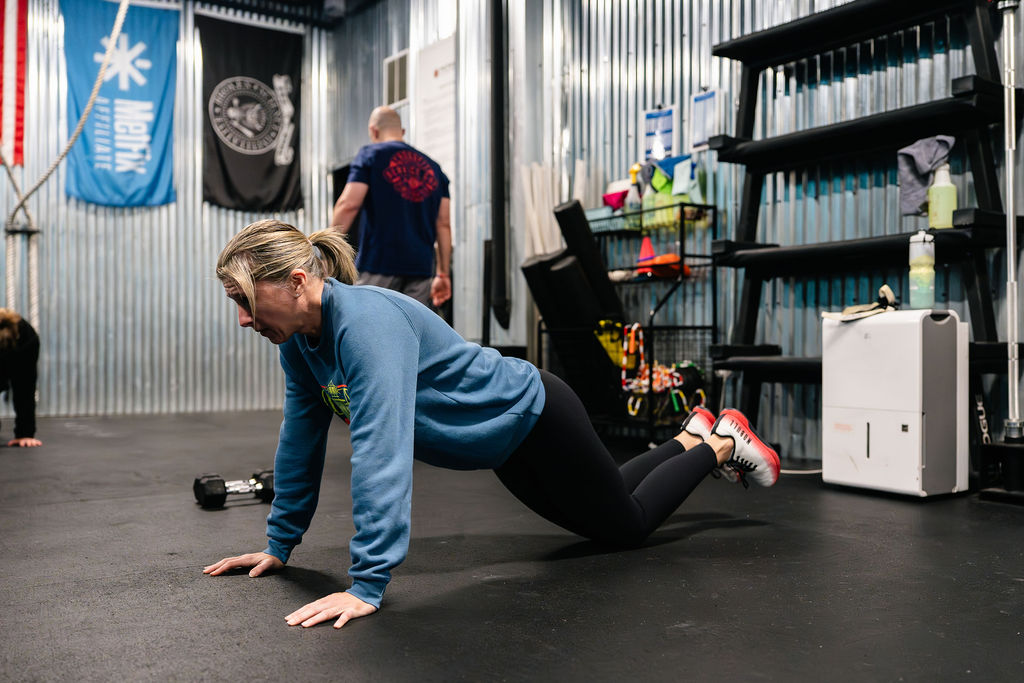
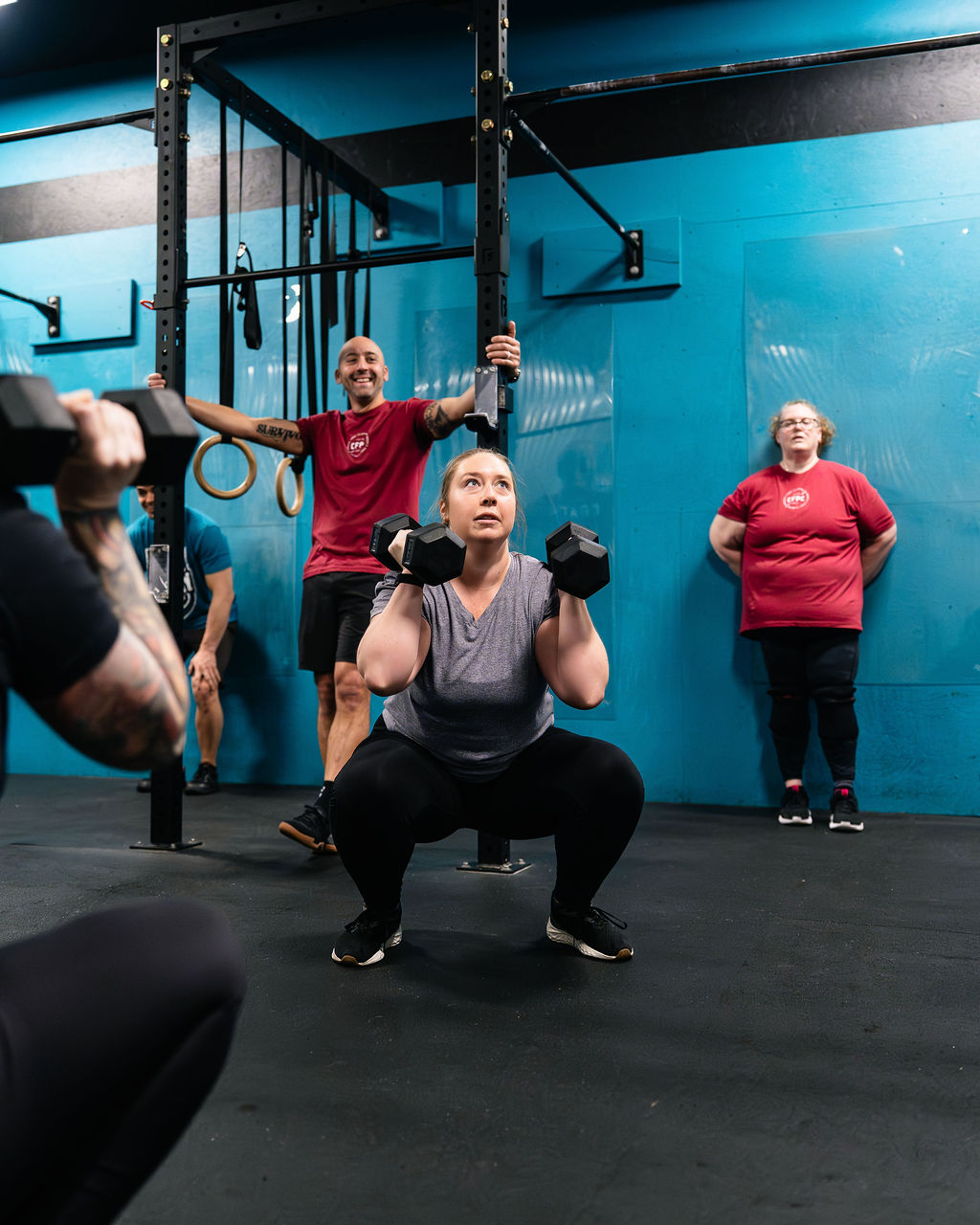
Jumping pull-ups can become ring rows. Heavy barbell cleans can start as dumbbell movements. High-impact box jumps can become step-ups. The stimulus — developing strength, conditioning, and movement quality — is the same regardless of how the movement is modified. Our coaches are trained to make every class accessible and effective for every athlete, regardless of age or background.
As CrossFit's own coaching guide puts it, aging athletes often see the most remarkable gains in strength, mobility, and confidence. Counterintuitive? Maybe. But we see it every week at CrossFit Port Clinton.
We've had members walk through our doors in their 50s who had never touched a barbell. We've had members in their 60s who came to us after years of dealing with chronic pain, told by doctors that "low-impact" was their only option — and who found, with proper coaching and scaling, that they could do far more than anyone expected.
The best time to start was a decade ago. The second best time is now.
Thinking about trying CrossFit for the first time, or returning after time away? Come in for a free No Sweat Intro at CrossFit Port Clinton. We'll meet you exactly where you are.
.png)

















.jpg)