
GLP-1 medications have changed the weight loss conversation in a real way. More people than ever are using them — and more of those people are also training. Which means the question we're hearing more often is: 'How do I make sure I'm doing this right?'
This isn't a post about whetheryou should or shouldn't take these medications. That's a conversation for yourdoctor. This is about what happens when you pair them with CrossFit, and how tomake sure you keep — and build — your muscle in the process.
GLP-1 agonists (like semaglutide — the active ingredient in Ozempic and Wegovy) work by mimicking a hormone that regulates appetite and blood sugar. They slow digestion, reduce hunger, and make it easier to eat significantly less.
That appetite suppression is why they're effective for weight loss. But here's the catch: the medications don't distinguish between fat and muscle. When you're eating substantially less without intentional nutrition strategy, you can lose both.
Studies on GLP-1 medications have shown that a meaningful percentage of weight lost can come from lean muscle mass — not just fat. For someone who just wants the number on the scale to go down, this might feel acceptable. For someone who trains, it's a problem.
Muscle is what makes you functional. It's what makes you fast, strong, and capable. Losing it while losing weight means you might end up lighter but weaker — the opposite of what training is for.
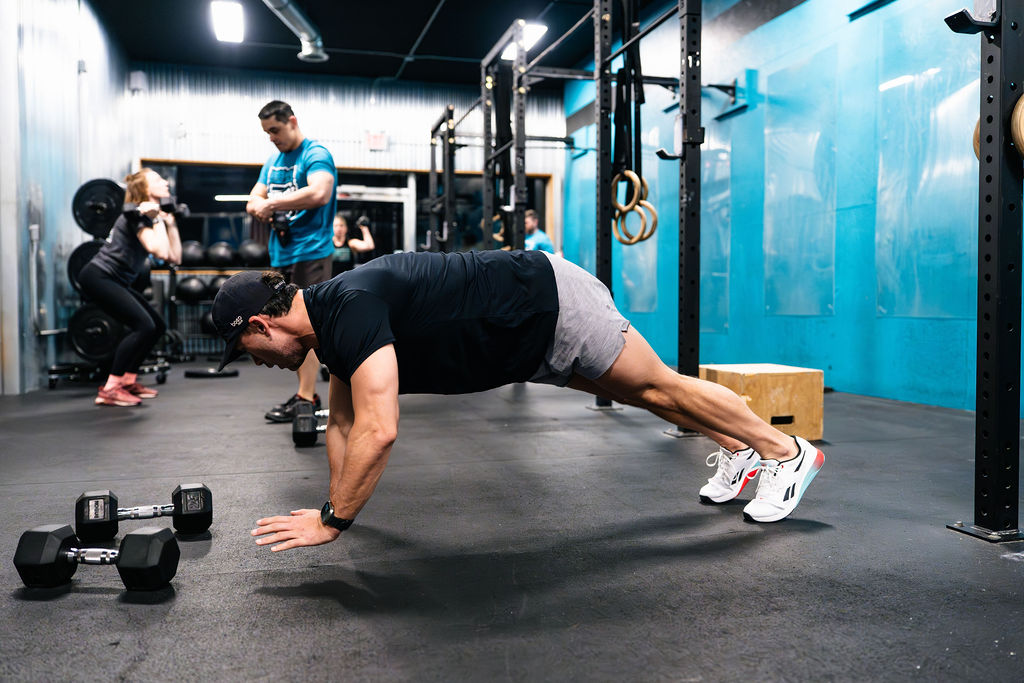
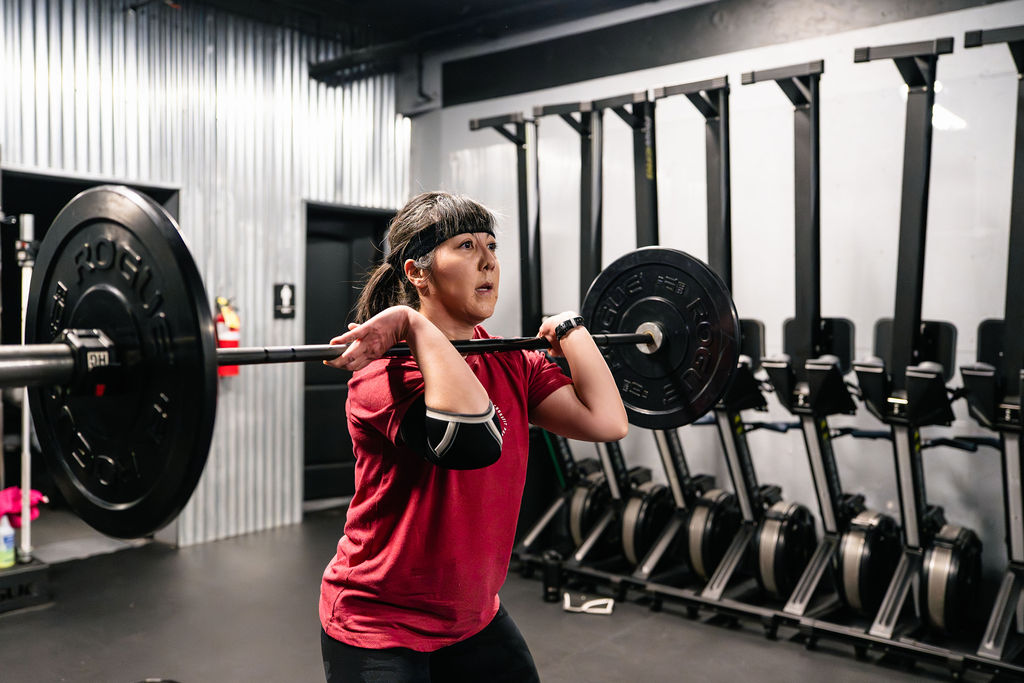
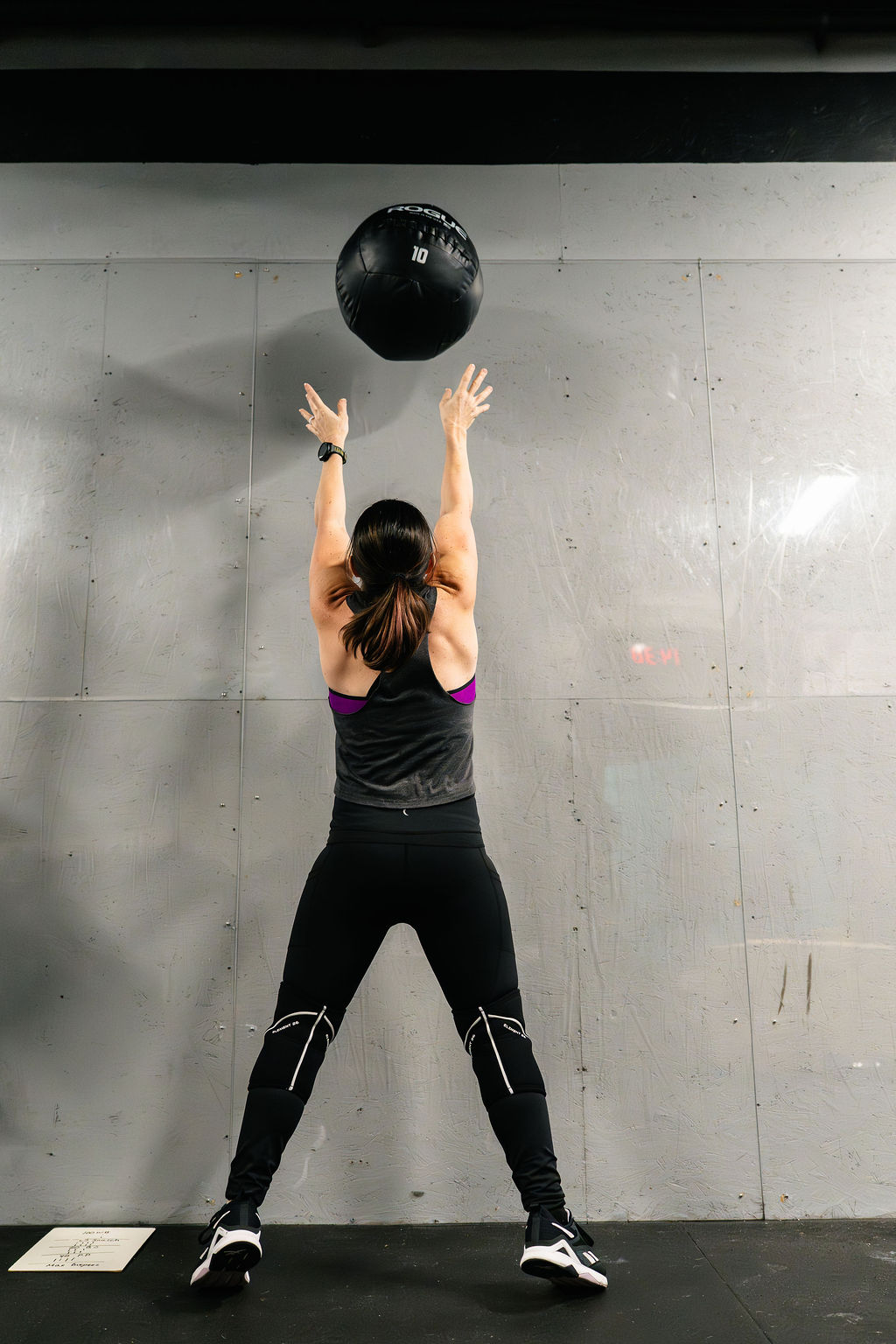
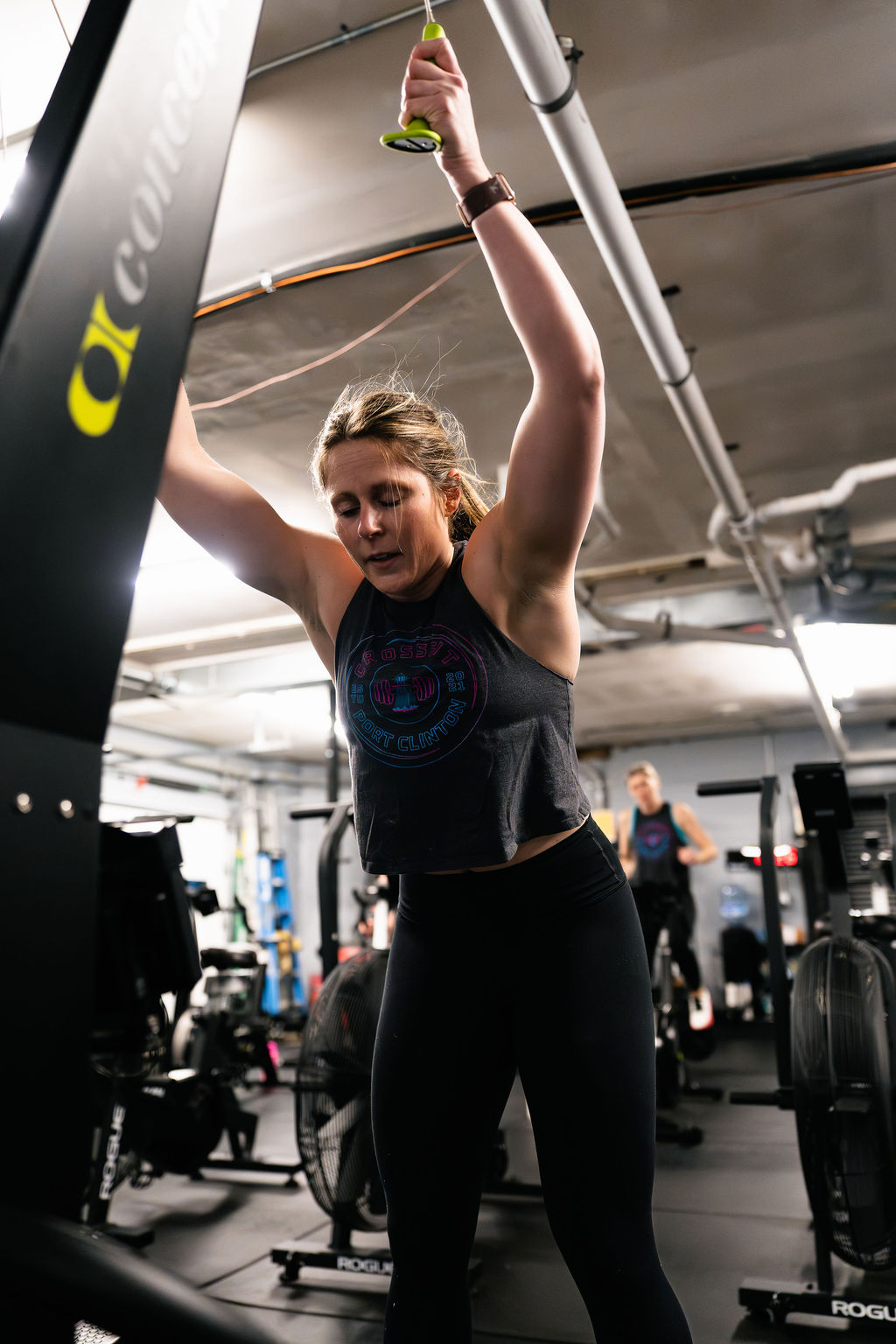
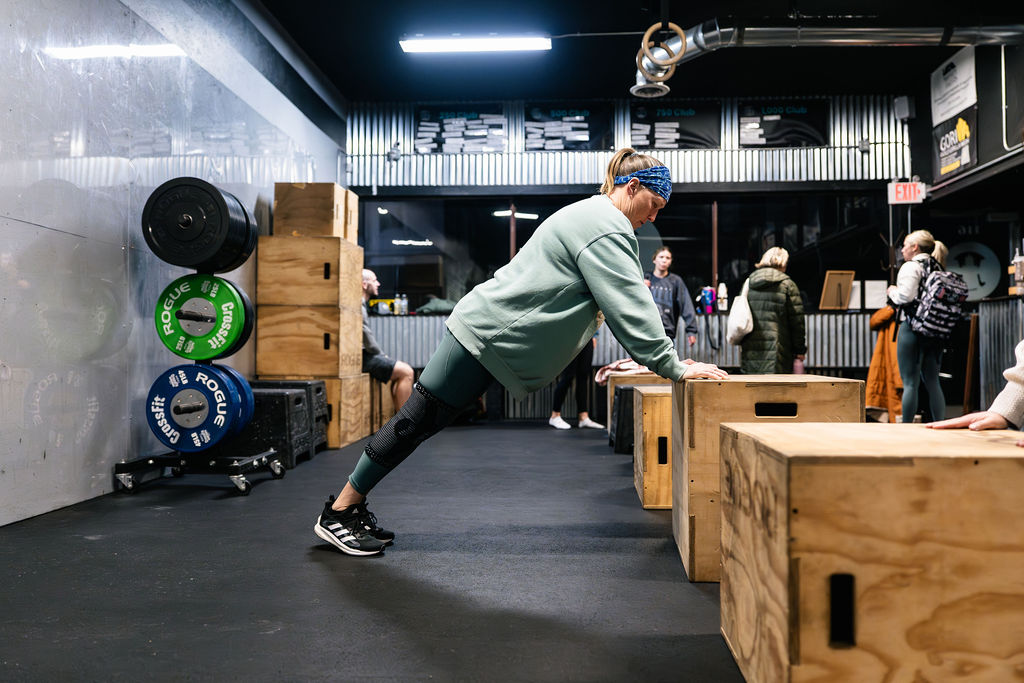
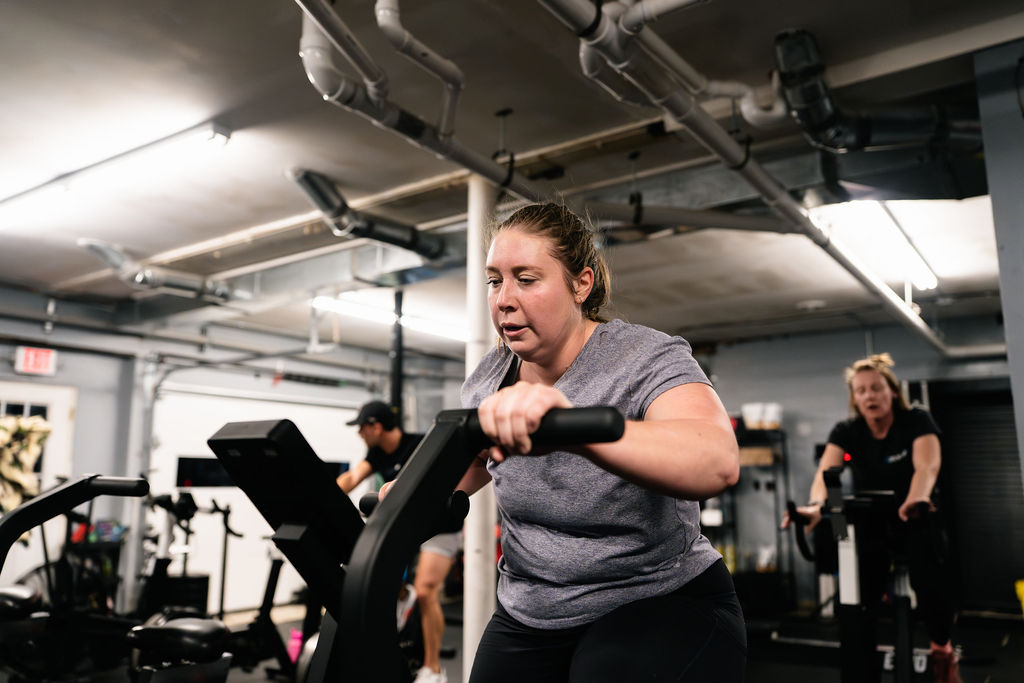
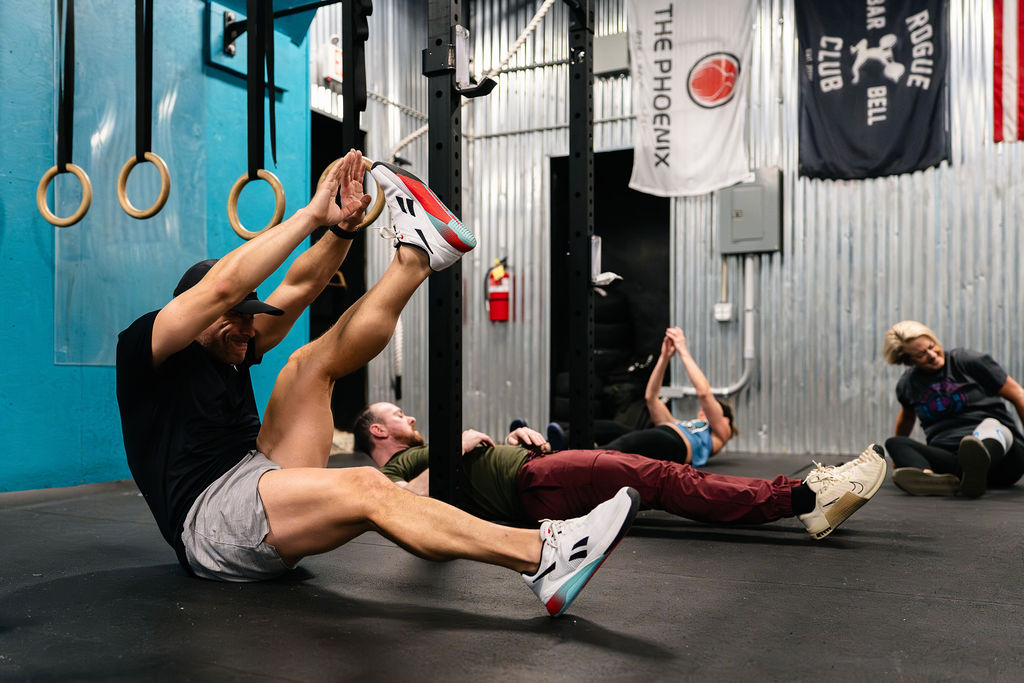
Here's the good news: resistance training is the most effective tool for preserving lean muscle during a caloric deficit. And CrossFit — with its combination of strength work, functional movements, and metabolic conditioning — is exceptionally well-suited for this.
When you train consistently while using GLP-1 medications, you're essentially telling your body: 'Keep the muscle. We're using it.' The medication handles appetite regulation; the training signals your body to protect and maintain lean tissue.
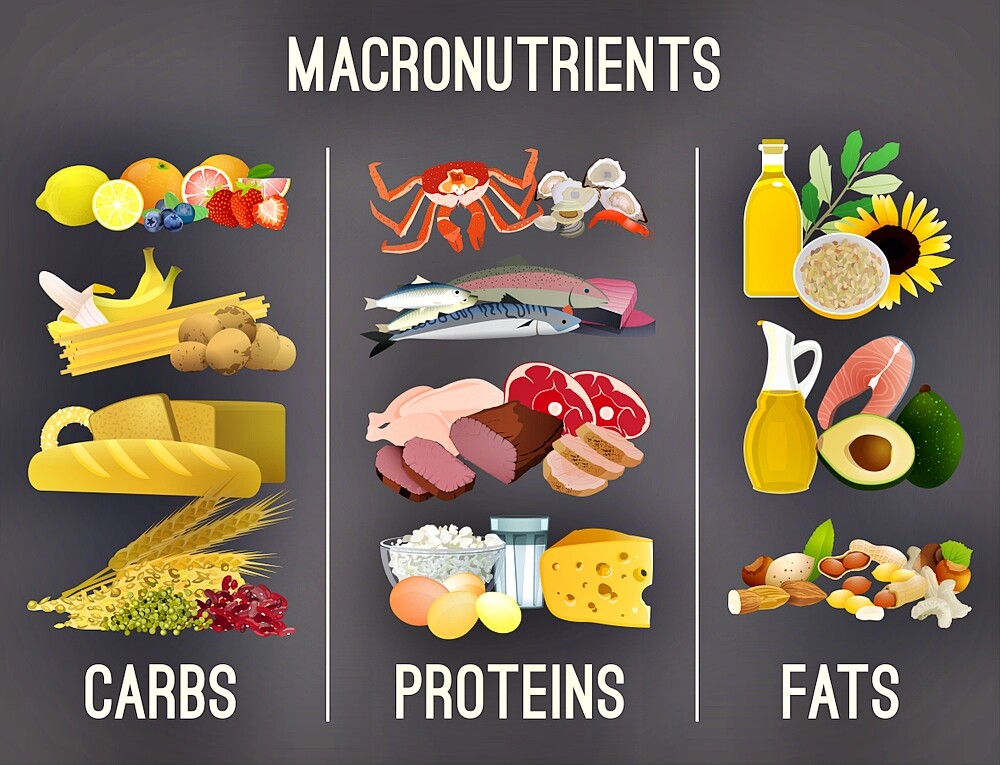
Even with training, proteinintake becomes absolutely critical when appetite is suppressed. If you'reeating significantly less overall, and protein isn't a deliberate priority,you'll lose muscle.
The target stays the same: aimfor roughly 1 gram of protein per pound of bodyweight daily. When you're eatingless total food, this means protein has to take up a higher percentage of whatyou do eat.
Practical tips:
• Front-load protein — eat it first at every meal
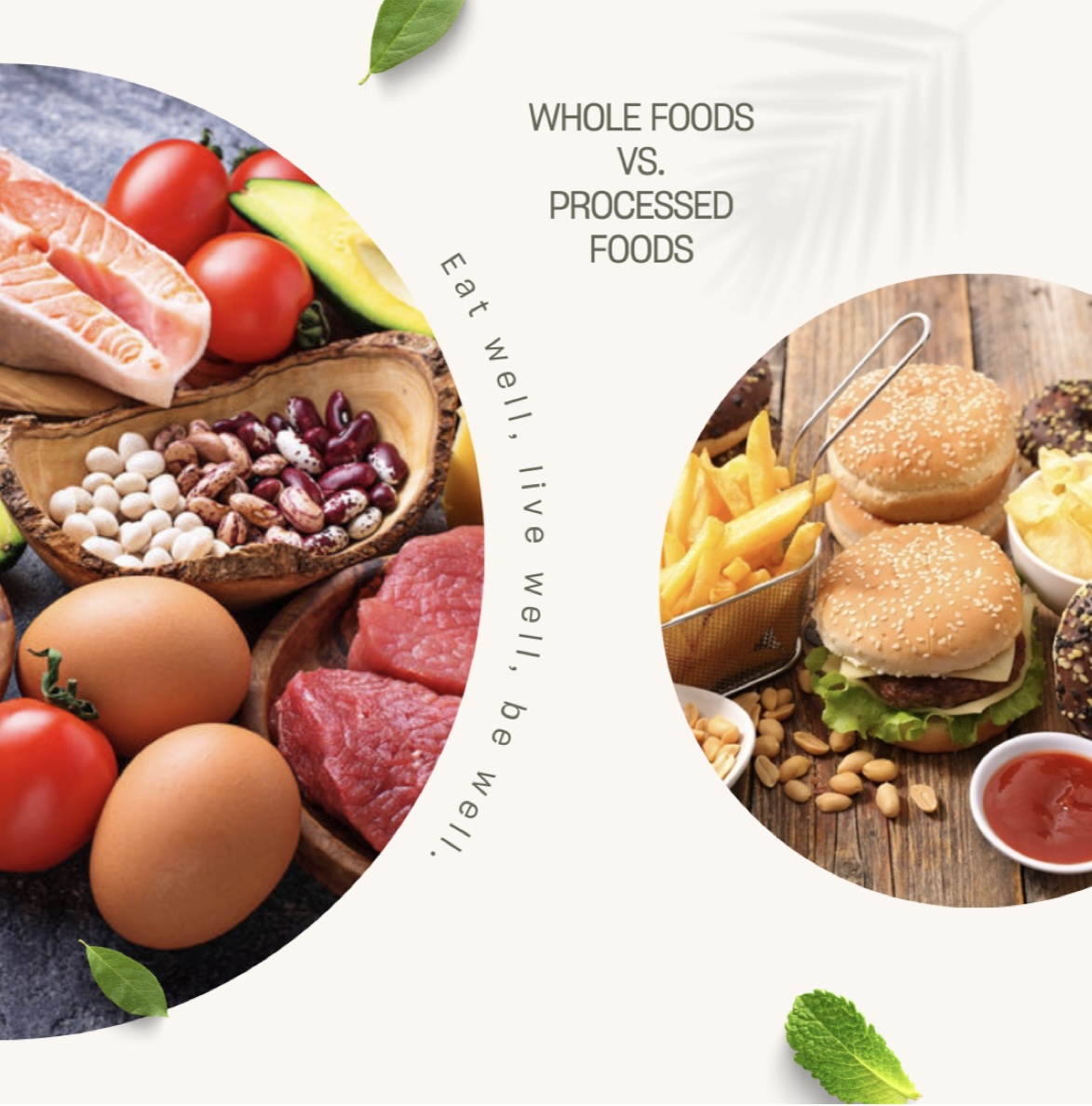
• Choose high-protein, lower-volume foods (Greek yogurt, eggs, cottage cheese, lean meats)
• Consider a quality protein supplement if whole food volume feels too high
• Work with a nutrition coach, like Brett or Sarah, to hold you accountable for your protein goals
If you're training while on GLP-1 medications, pay attention to:
• Energy levels — persistent fatigue can signal inadequate fueling
• Performance drops — if your lifts are declining week over week, nutrition needs attention
• Recovery— are you more sore than usual, or not recovering between sessions?
These aren't signs to stoptraining — they're signals to adjust your nutrition, not your workout schedule.
Let's Talk
If you're navigating GLP-1medication and training, we're happy to have that conversation with you. Nojudgment — just practical guidance on how to fuel for what you're doing.
Booka free No Sweat Intro at CrossFit Port Clinton.
CrossFit Port Clinton | PortClinton, Ohio | crossfitportclinton.com
.png)

















.jpg)