
For years, the fitness world glorified the grind. Sleep less, train more. Push through the pain. Rest days are for the weak. But in 2026, one of the fastest-growing shifts in the entire fitness industry is a simple, science-backed realization: recovery isn't the opposite of training. It's part of it.
Hot and cold therapies — ice baths, cold plunges, sauna sessions, contrast therapy — have climbed to #17 on the American College of Sports Medicine's 2026 Worldwide Fitness Trends list, after debuting at #20 just last year. Major gym chains are investing heavily in recovery lounges and wellness suites. The industry is finally catching up to what high-performance athletes have known for decades: how you recover determines how well you perform.
A few things have converged to push recovery from afterthought to priority.
First, the science has gotten louder. Research continues to pile up on the benefits of cold exposure and heat therapy — reduced inflammation, improved circulation, accelerated muscle repair, and powerful effects on mood and stress hormones. What used to feel like an elite athlete's ritual is now backed by enough peer-reviewed data to reach mainstream fitness culture.
Second, people are training smarter. As the longevity movement reshapes why people exercise, they're less interested in burning themselves out and more interested in sustainable performance over decades. That means taking recovery as seriously as any WOD.
Third, the mental health piece. Both cold plunges and sauna sessions trigger significant hormonal responses — cold exposure releases norepinephrine (a potent mood elevator), while sauna use has been associated with reduced symptoms of depression and anxiety. When you're training for how you feel, not just how you look, recovery tools become essential, not optional.
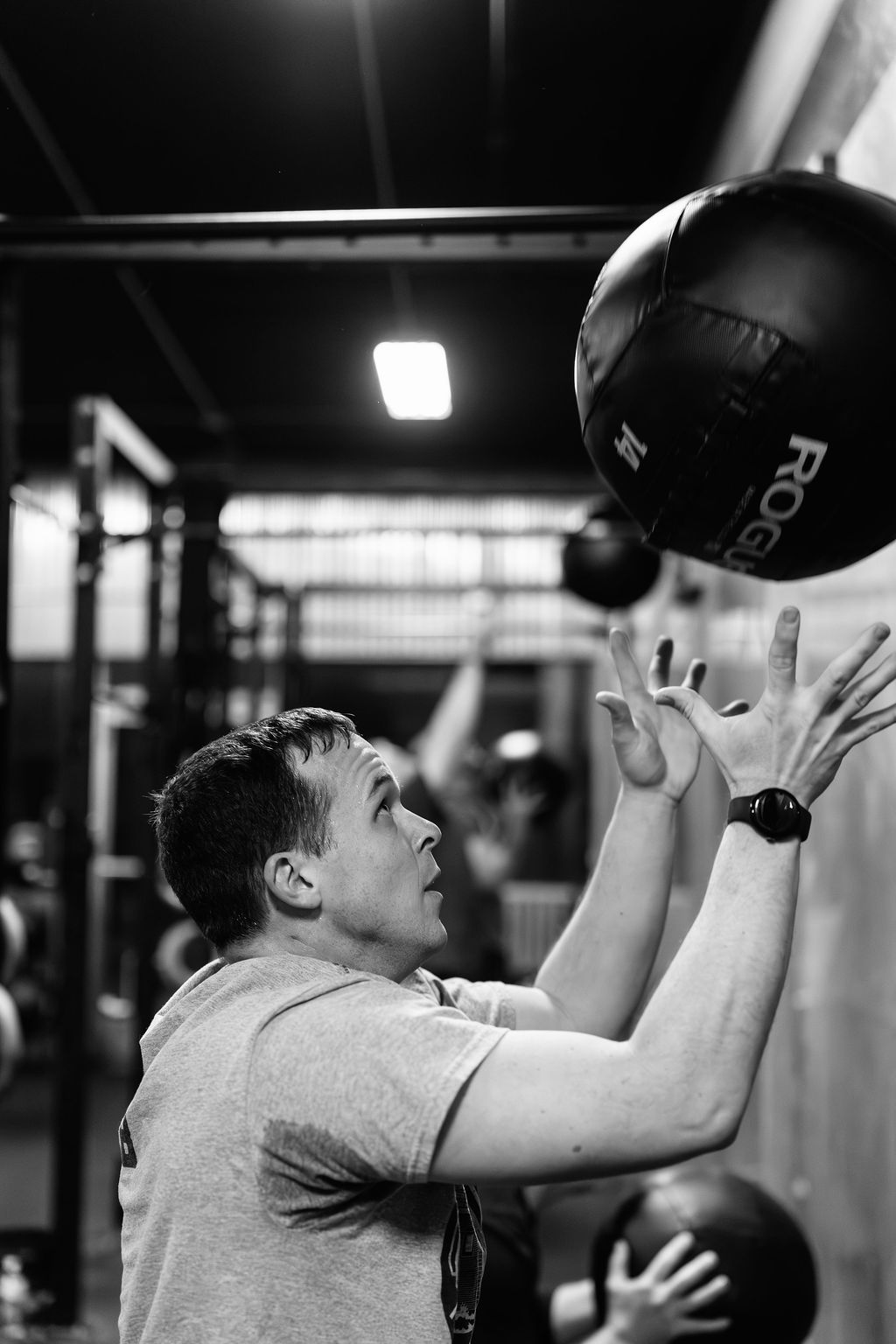
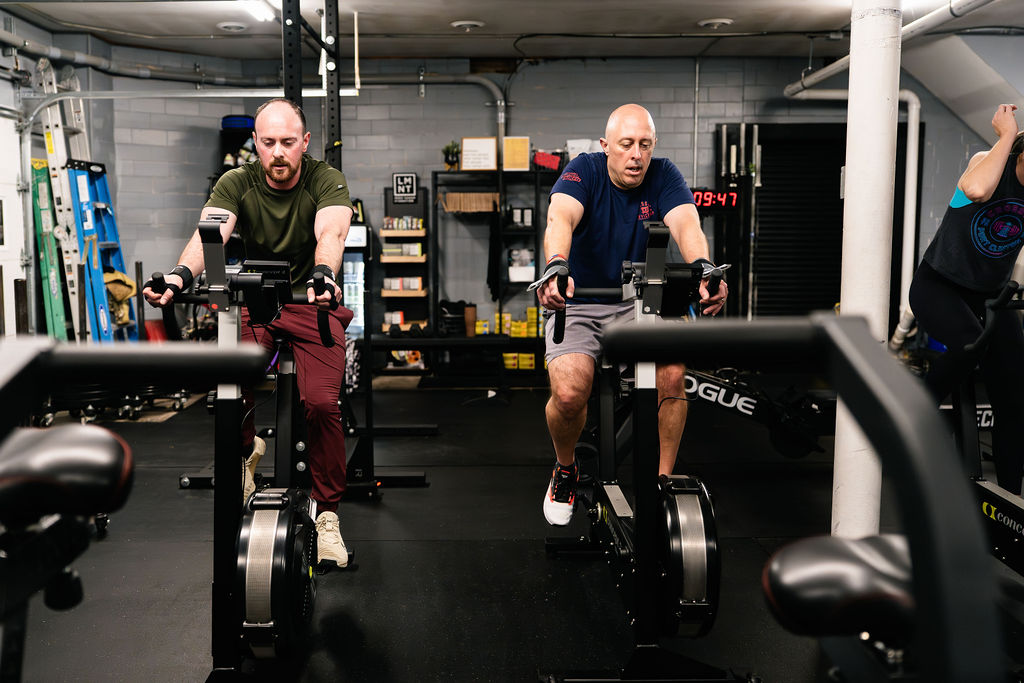
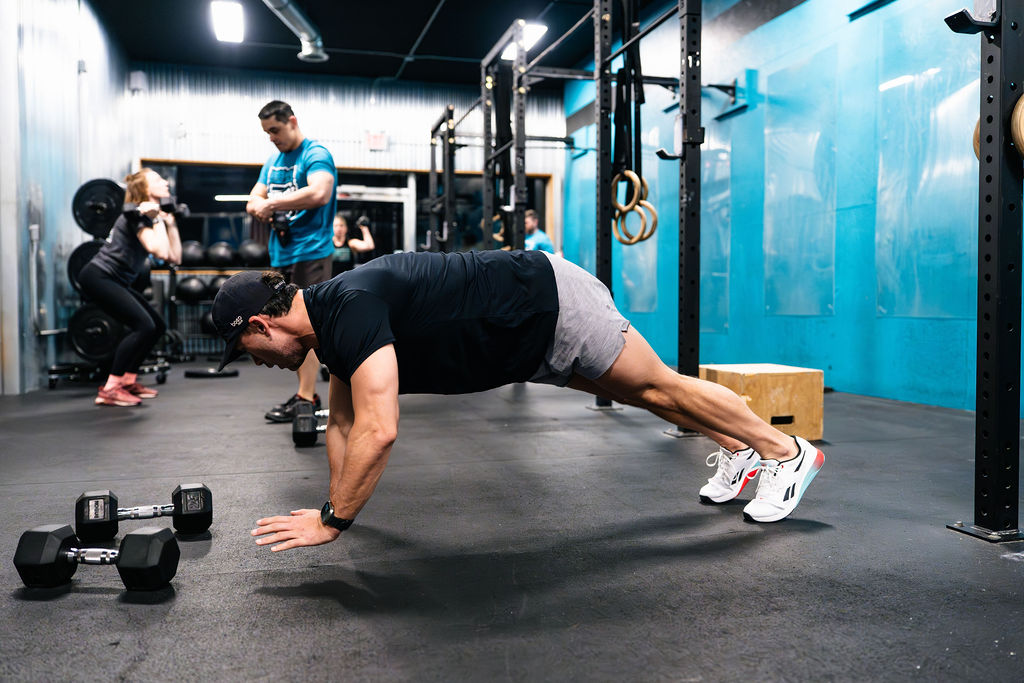
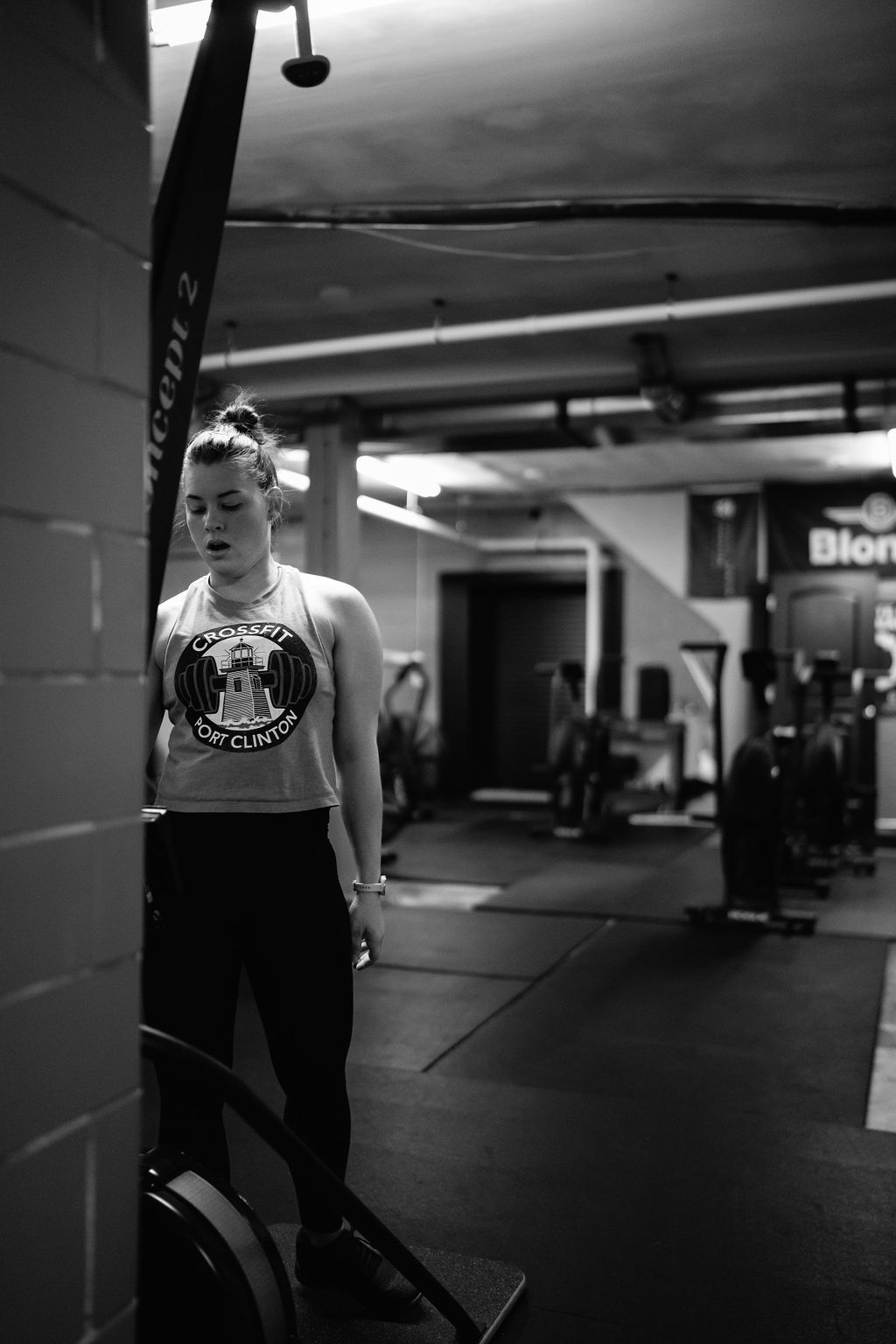
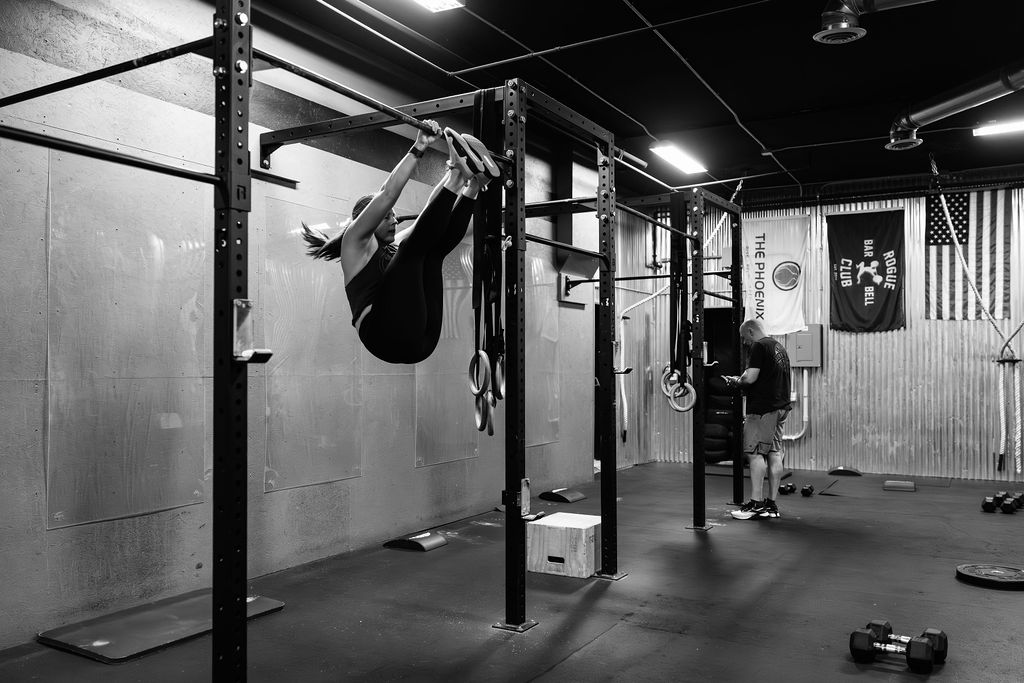
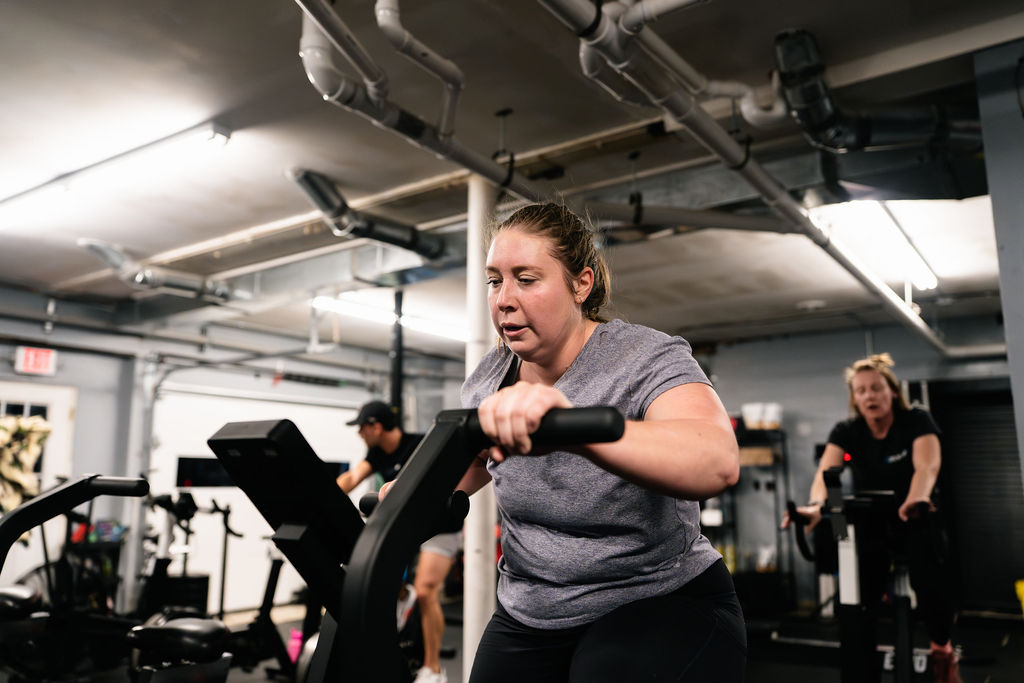
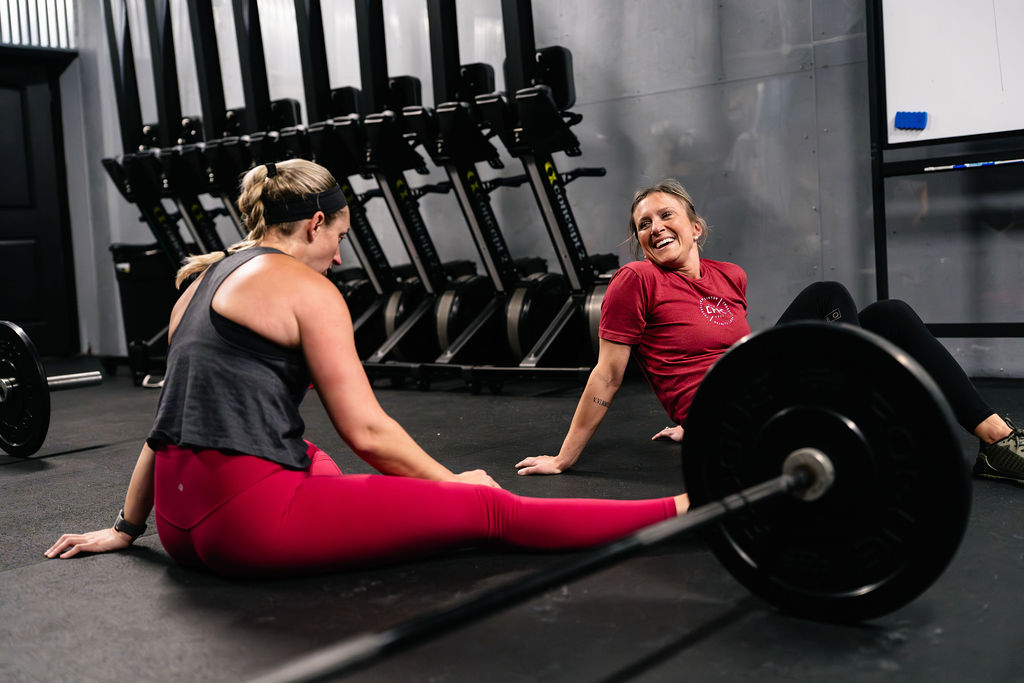
Here's something CrossFit athletes have always understood intuitively: intensity demands intention. When you're giving everything to a workout — and our athletes do — what happens in the hours and days afterward matters just as much as what happens on the floor.
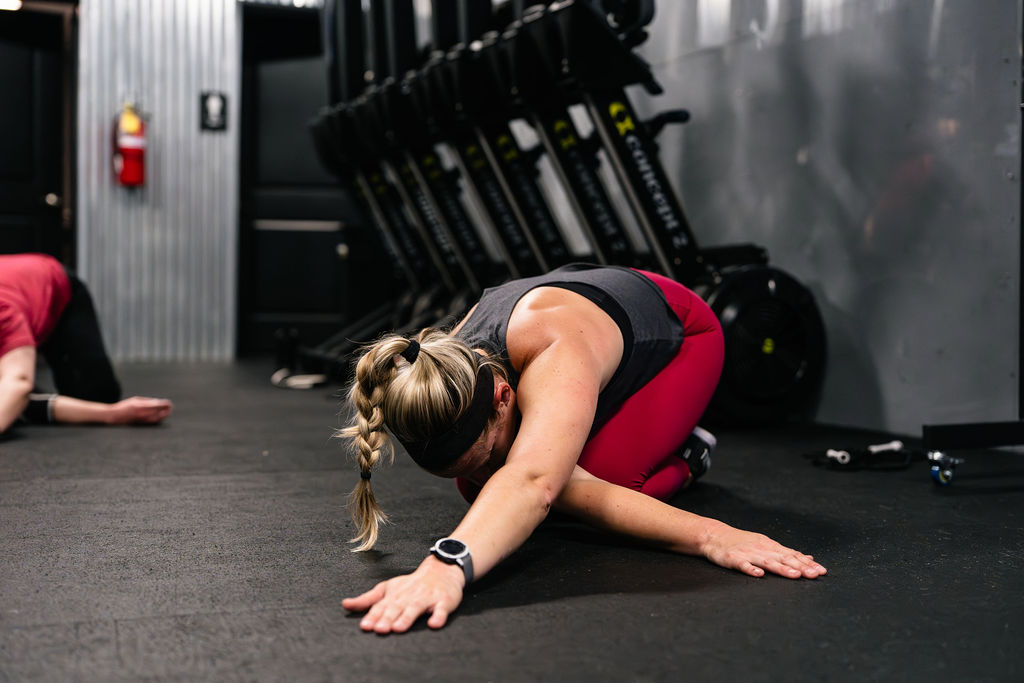
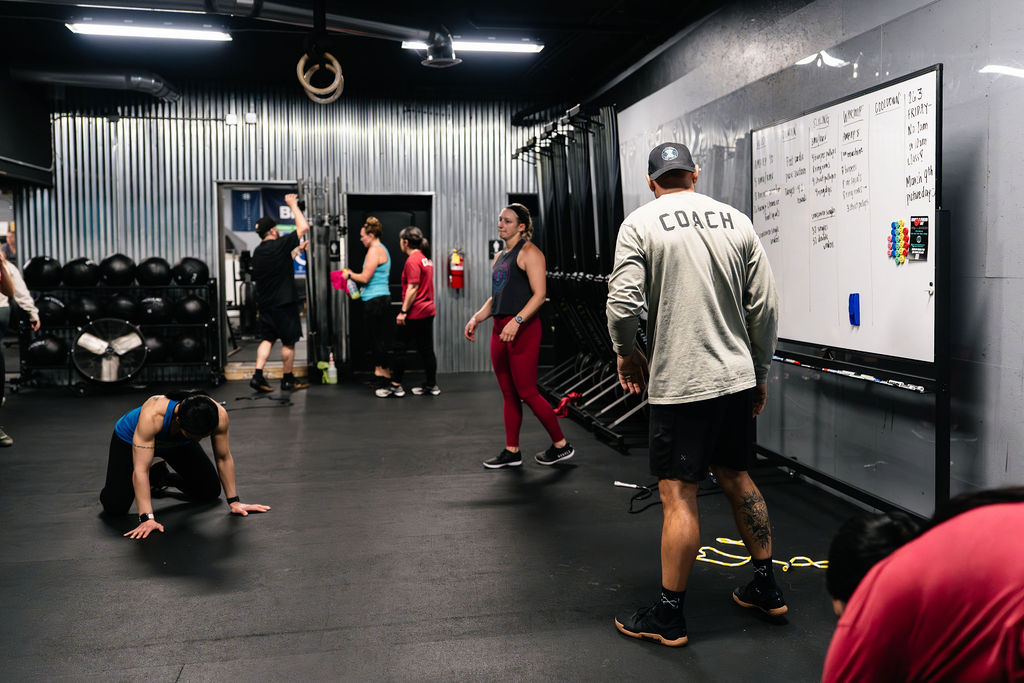
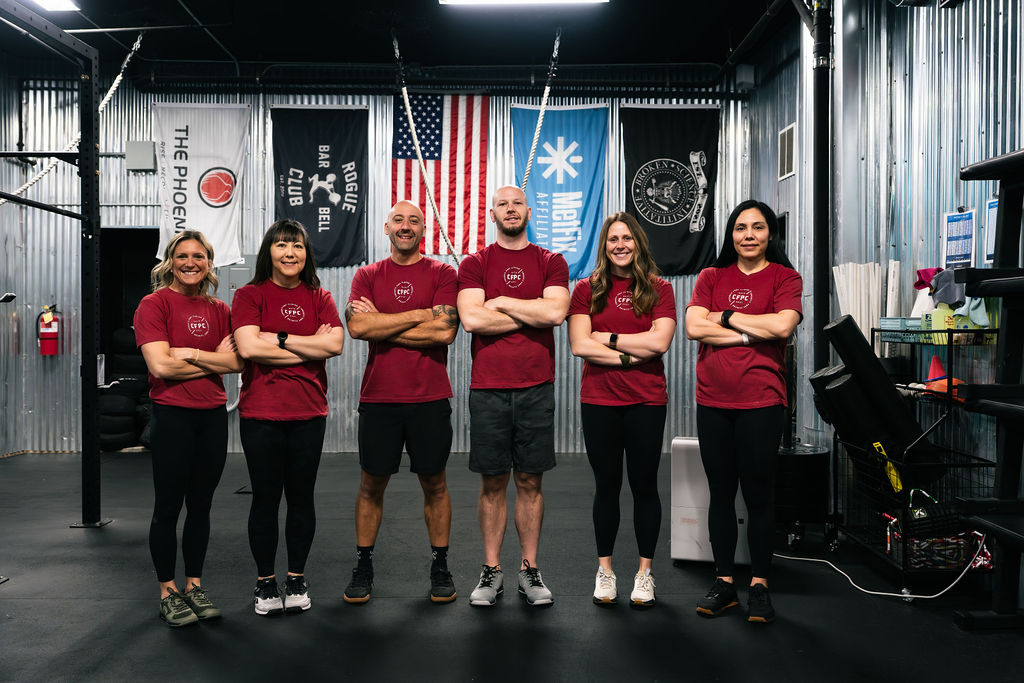
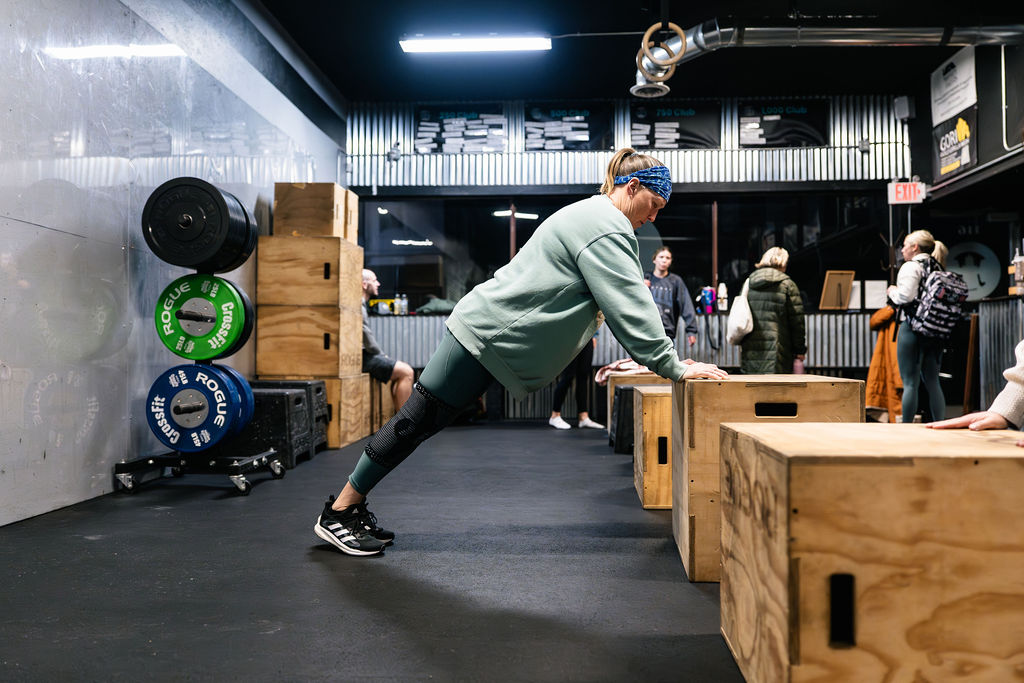
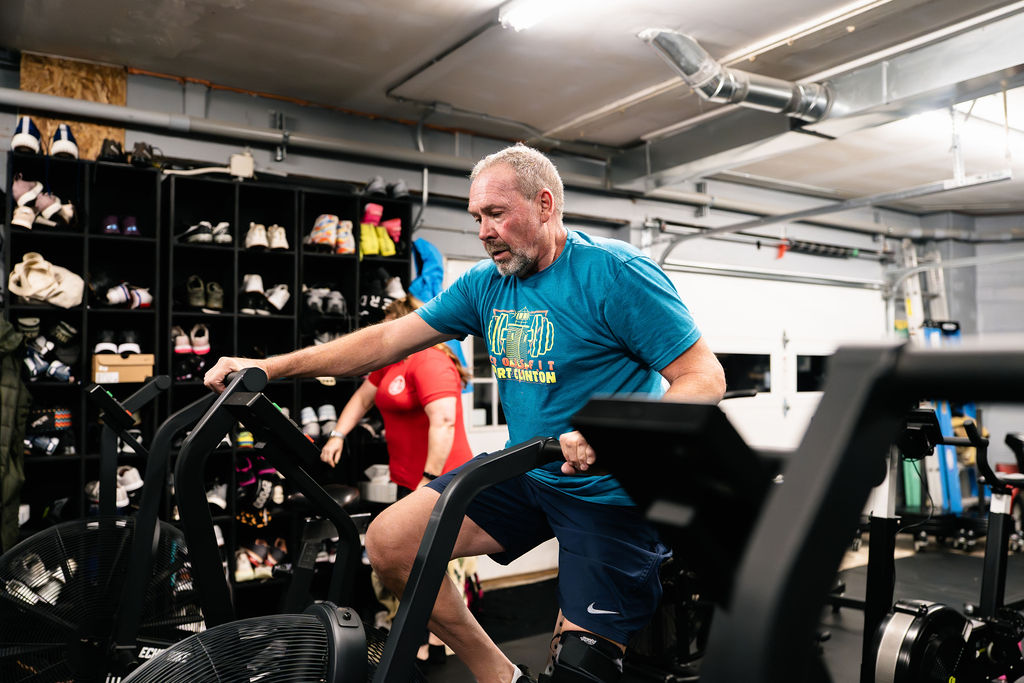
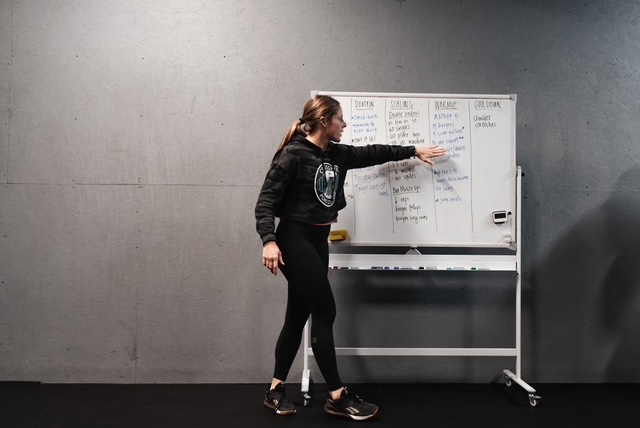
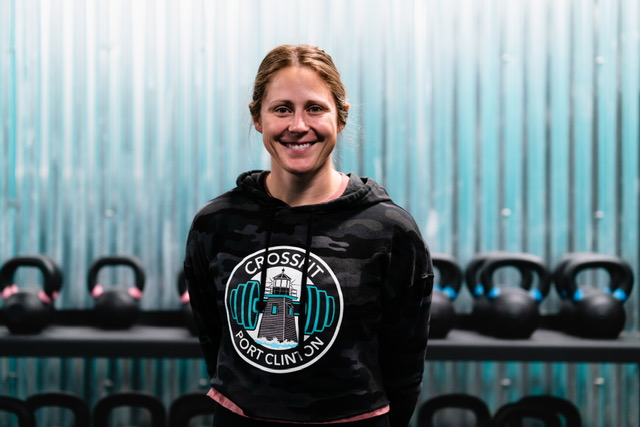
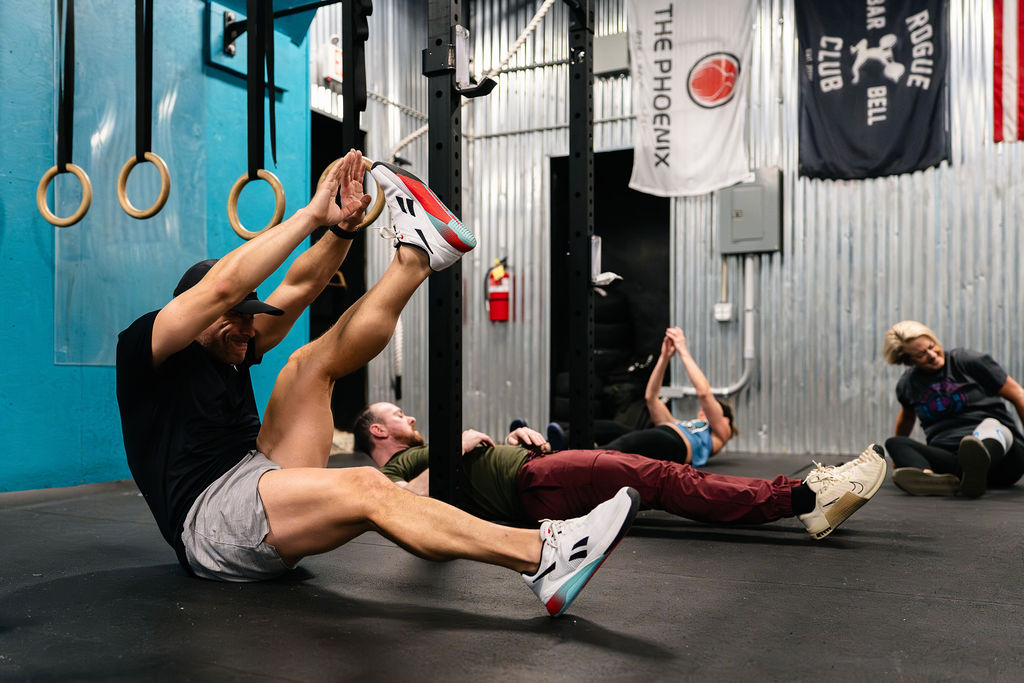
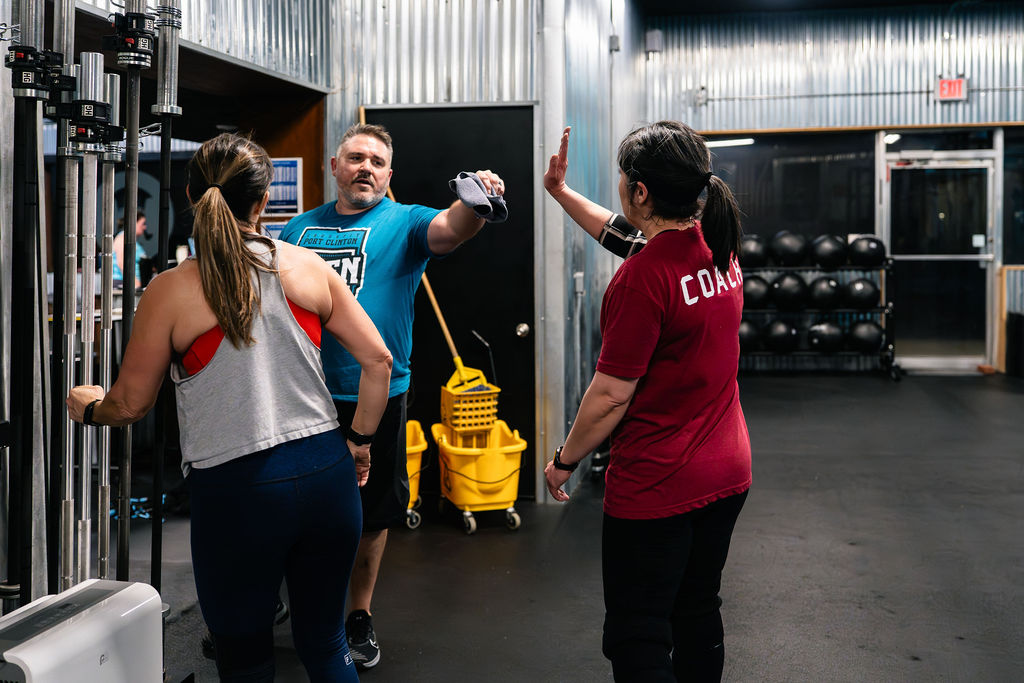
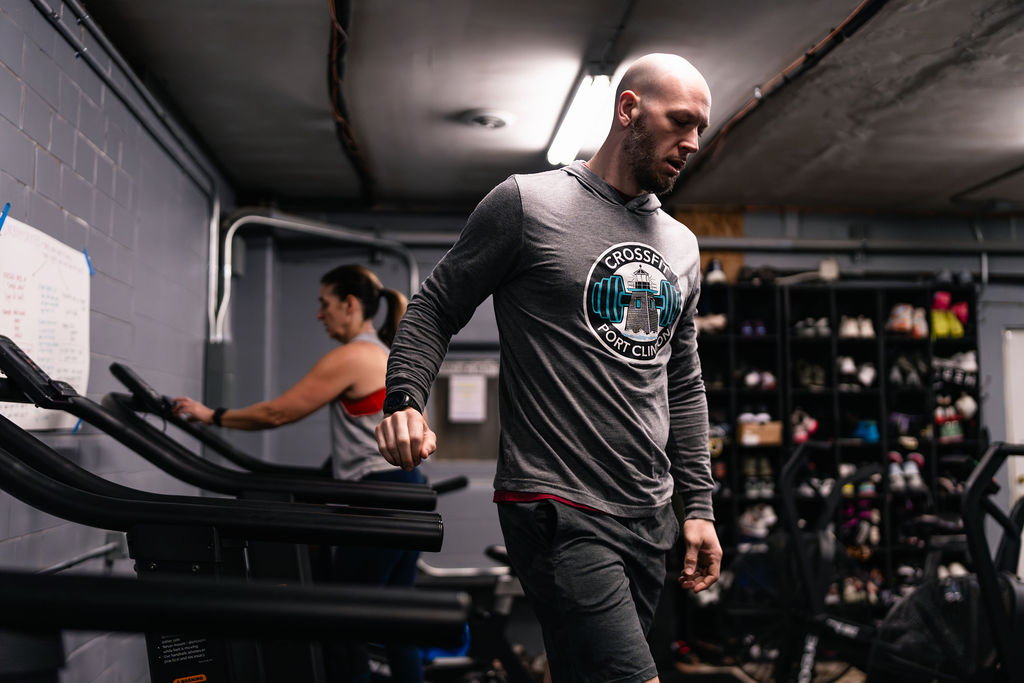
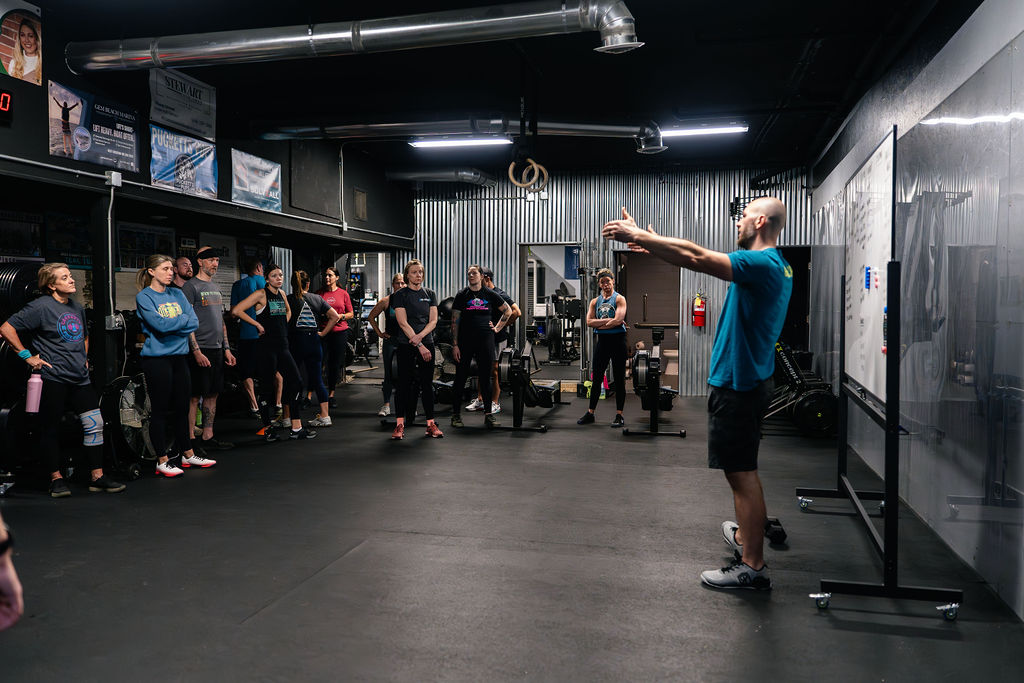
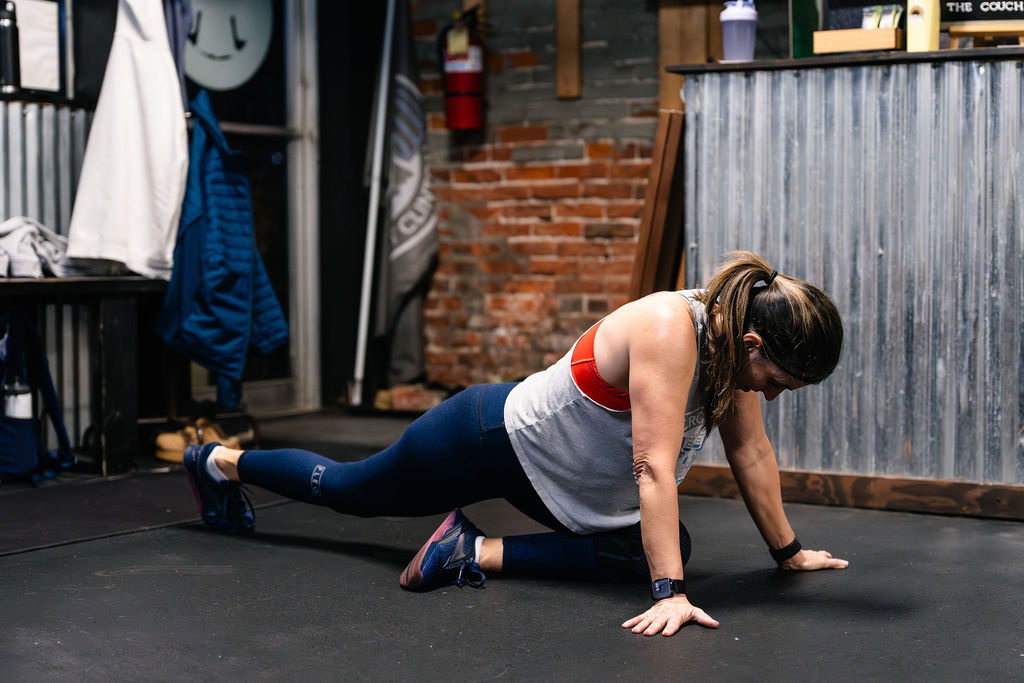
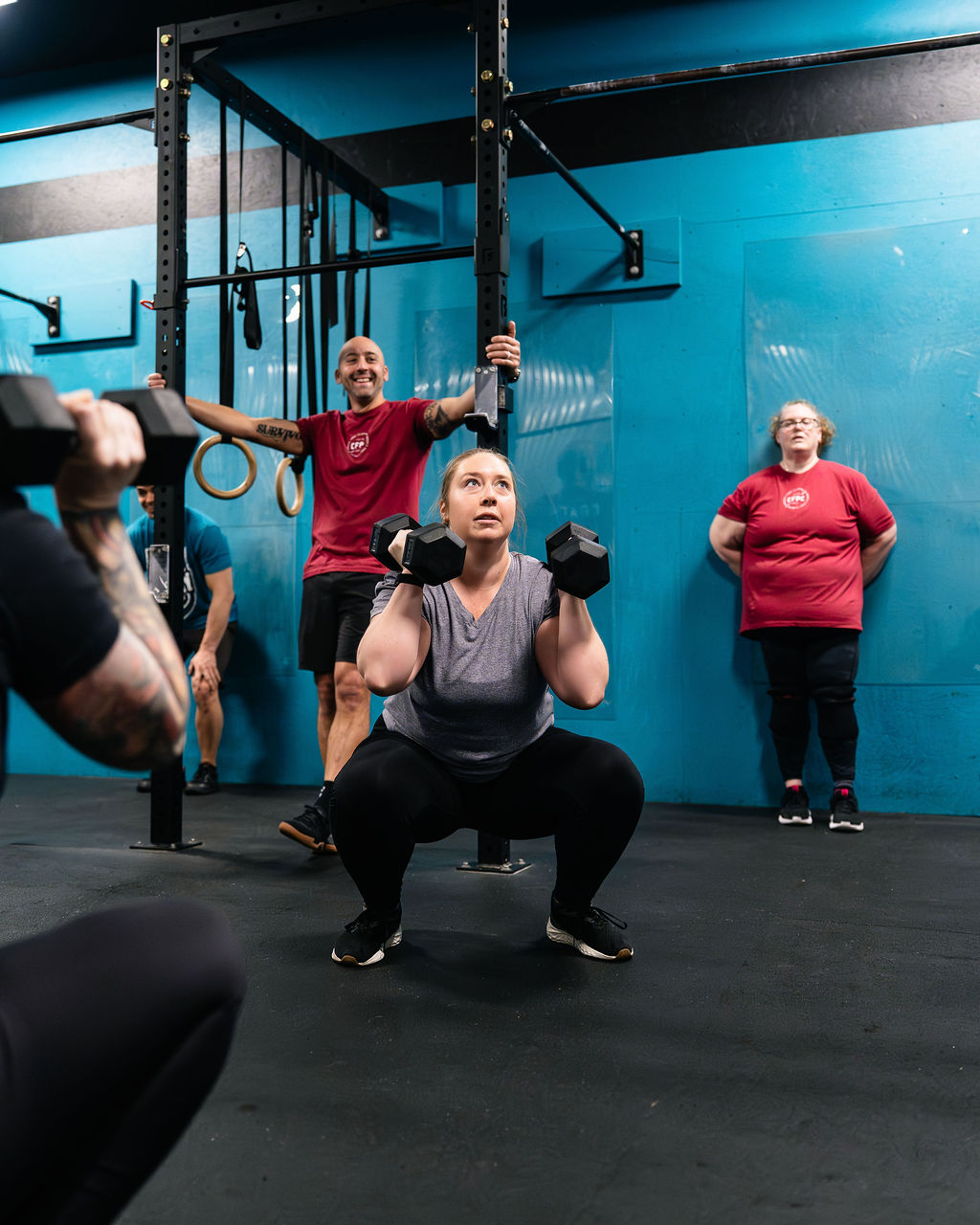
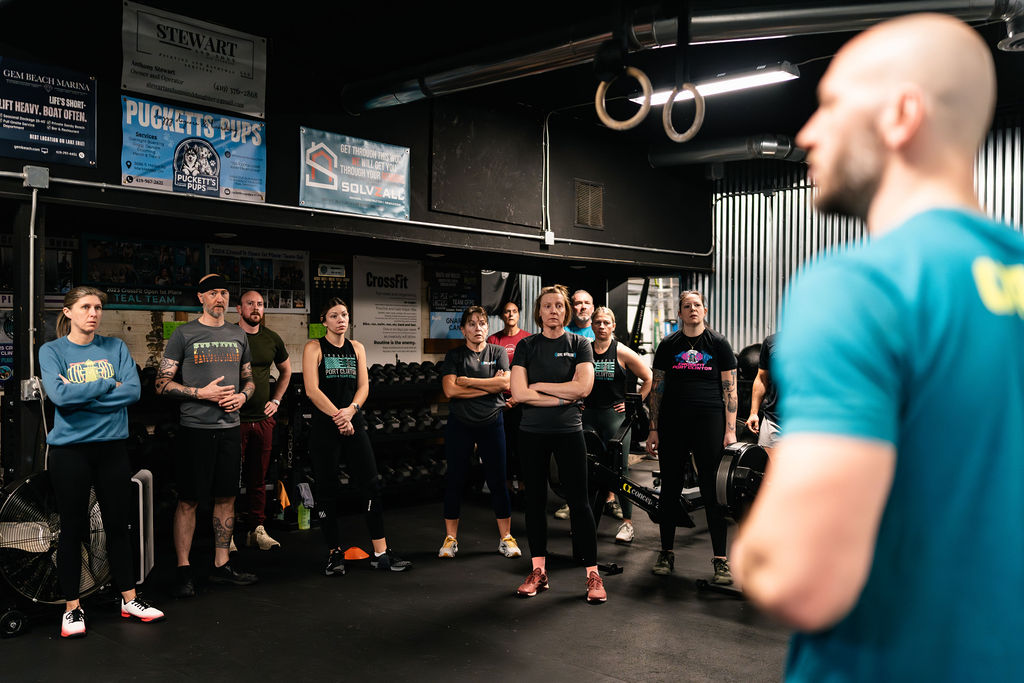
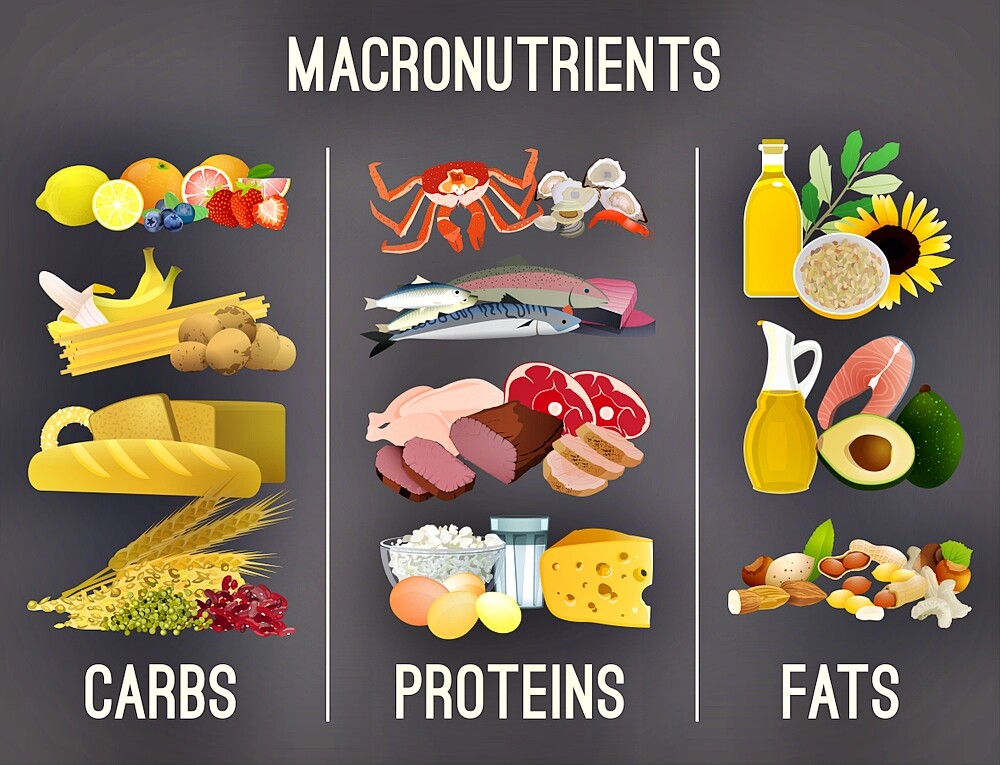
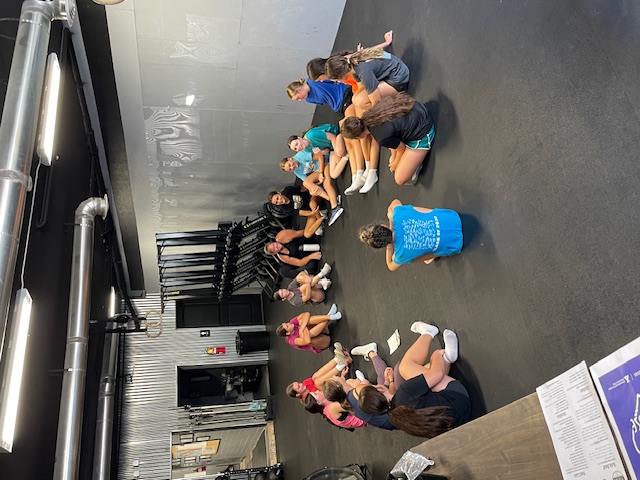
At CrossFit Port Clinton, we program with recovery in mind. That means building rest days into your training cycle, coaching members on sleep, nutrition, and stress management, and encouraging the kind of active recovery — light movement, mobility work, breathwork — that keeps your body primed for the next session.
We also know our Lake Erie location gives us something most gyms can't claim: cold water access. There's a reason cold plunges are one of the hottest recovery tools of 2026, and we've got the real thing right outside our door. There's nothing quite like a post-WOD dip in the lake to remind you what recovery feels like.
You don't need a fancy recovery suite to start prioritizing rest. Here's what the research and our coaching staff recommend:
The fitness industry spent decades telling people to push harder. The 2026 message is more nuanced — and more sustainable: push hard, recover harder. At CrossFit Port Clinton, we help you do both.
Ready to train smarter? Schedule a FREE "NO Sweat Intro" to see what a recovery-first approach to high-intensity training looks like.
.png)
















.jpg)