
A member walked up to me after class last week and asked the question I hear more than almost any other:
"Why does my lower back hurt after I deadlift?"
It's a fair question. And the answer people usually get is: stretch more, rest more, maybe just avoid deadlifts for a while.
That's the wrong answer.
Here's what's actually going on.
Most people reach for the foam roller when their back hurts. And sometimes it helps. Tight muscles can feel better after some work.
But lower back pain after deadlifting is almost never a flexibility problem.
It's a mechanics problem. Or a strength problem. Or both.
You cannot stretch your way out of a weakness. And if your form is loading your spine wrong, no amount of rolling is going to fix that.
When someone comes to me with this issue, I look at three things.
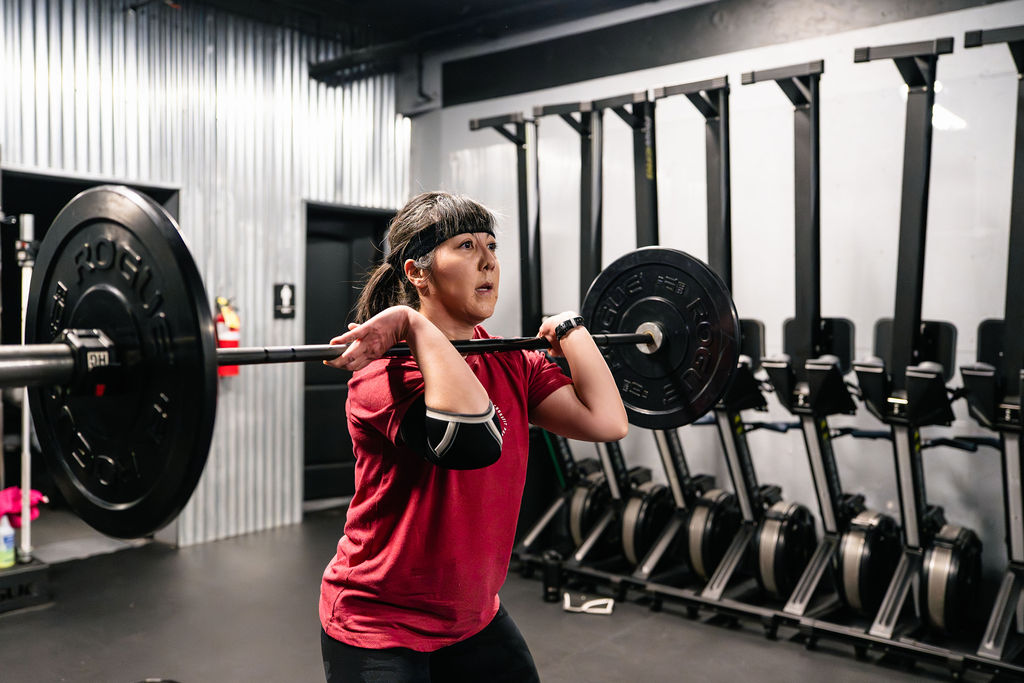
First: form. The deadlift is a hip hinge. Your hips go back. Your chest stays tall. Your core stays braced the entire lift. If any of those things break down — especially under heavy load — your lower back takes over. And it is not designed to be the primary mover in a deadlift.
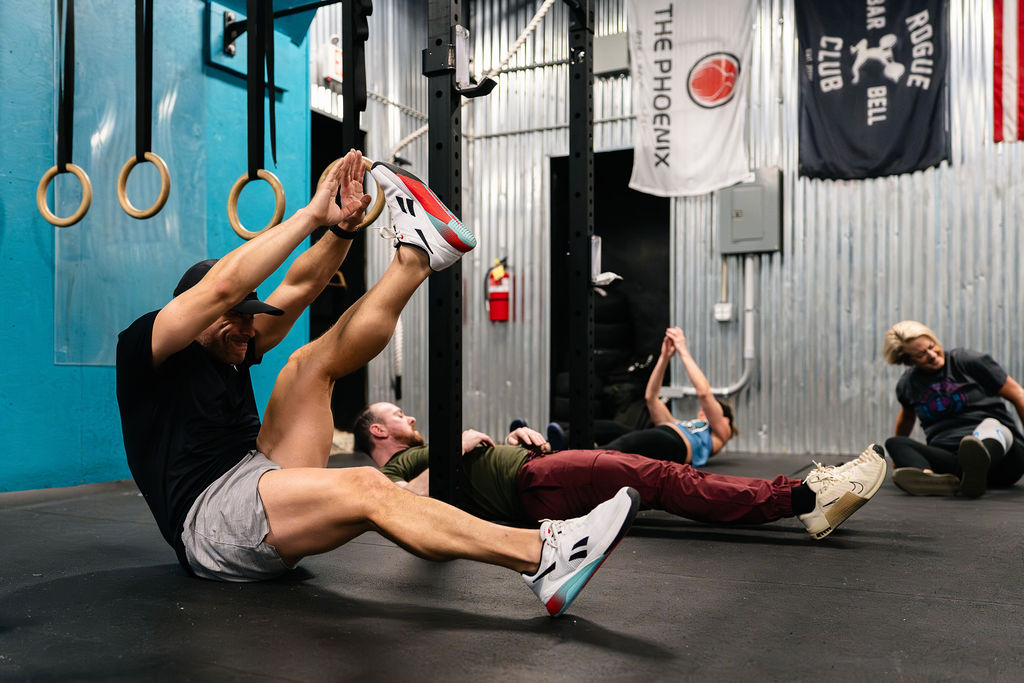
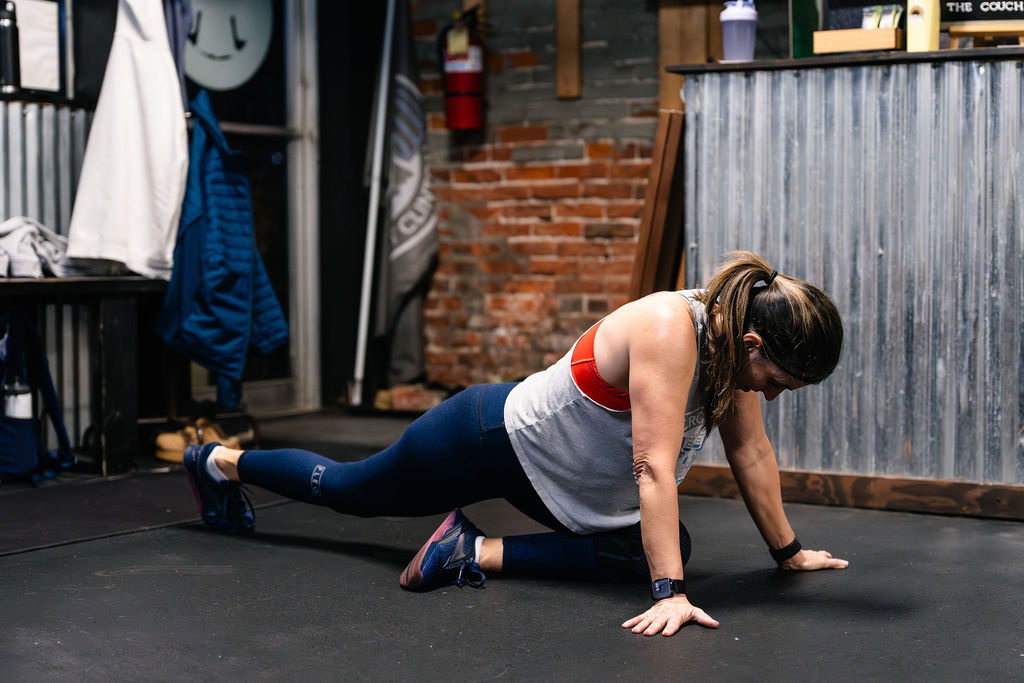
Second: mobility. Some people have genuine hip mobility limitations that prevent them from getting into a good starting position. Simple stretches like alternating scorpions, crossed-foot toe touches, and standing torso rotations can help open things up. These are useful tools. They are not the cure.
Third: weakness. This is the big one that nobody talks about. Weak hamstrings. Weak glutes. A core that gives out when the weight gets heavy. These force your lower back to compensate. And that compensation is what you feel the next morning.
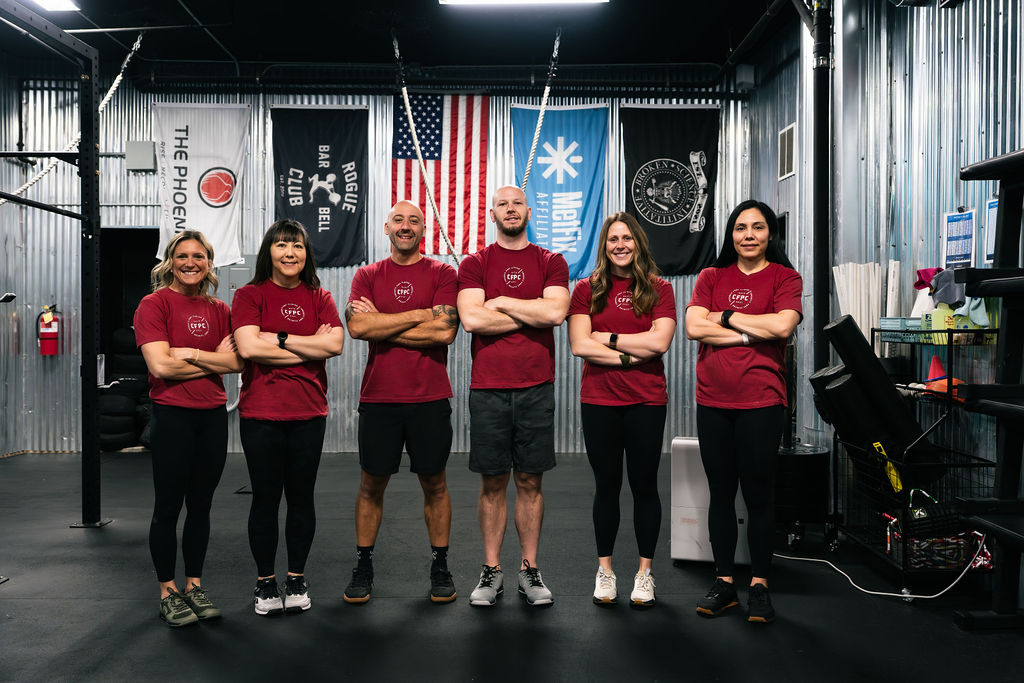
At CrossFit Port Clinton, every member goes through our on-ramp program before they ever step into a group class. We teach the mechanics, consistency, intensity hierarchy.
Mechanics first. Can you move correctly? Before we add any weight, we need the movement pattern dialed in. This is not slow. This is the fastest path to progress.
Consistency next. Can you hit that position ten times in a row? Not just once on a good day. Consistently.
Intensity last. Now we add load. Now we push the pace.
Most people want to skip to intensity. They want to put weight on the bar before they have earned it. That is where backs get hurt.
If someone comes in with lower back soreness from deadlifting, here is the protocol we follow.
We go back to basics. Romanian deadlifts with lighter weight. Slow, controlled, with emphasis on feeling the hamstrings load.
We work the posterior chain. Banded clamshells to activate the glutes and stabilizers. Hip extensions on the GHD. Planks for midline stability.
We coach the brace. Bracing your core before you pull is one of the most important things you can learn in the gym. It protects your spine. It transfers power more efficiently. And most people do not know how to do it consistently.
We book a personal training session when needed. One hour one on one with a coach can solve in a session what months of guessing cannot.
Here is what I want people to understand.
Sitting at a desk for eight hours a day is more dangerous for your back than deadlifting.
A sedentary lifestyle shortens your hip flexors. Weakens your glutes. Turns off your core. And then one day you bend over to pick something up and your back gives out.
The barbell did not do that. The couch did.
When you learn to deadlift correctly, you are building the exact muscles that protect your spine. You are teaching your body to produce and absorb force safely. That is not dangerous. That is the solution.
The goal is not to avoid loading your back. The goal is to load it correctly.
If you are local to Port Clinton, Ohio and you are dealing with lower back issues or you want to learn how to deadlift safely, come in for a free No Sweat Intro.
No workout. No pressure. Just a conversation about what you need and whether we can help.
Book at crossfitportclinton.com.
If you are not local, the takeaway is this: find a coach who understands the mechanics, consistency, intensity hierarchy. Find someone who will slow down with you before pushing the intensity. That is how you build a body that lasts.
.png)


















.jpg)