There's a health crisis hiding in plain sight across America, and it affects far more people than most realize. It goes by several names — metabolic syndrome, insulin resistance, prediabetes — but the common thread is a cluster of interconnected conditions: high blood sugar, excess body fat around the midsection, high blood pressure, elevated triglycerides, and low HDL cholesterol.
By most estimates, roughly 93% of American adults are not metabolically healthy by all five markers. That number is stunning. It means that the vast majority of people walking around — many of whom consider themselves reasonably healthy — have at least one metabolic risk factor quietly working against them.
The good news: exercise is one of the most powerful tools available to reverse this. And CrossFit's methodology targets metabolic health in ways that few other training programs can match.
Your metabolic health reflects how efficiently your body processes and uses energy — primarily glucose and fat. When it's working well, your blood sugar stays stable, your body responds appropriately to insulin, your energy is steady, and your risk of chronic disease is low.
When it breaks down, the consequences compound over time: elevated blood sugar strains the cardiovascular system. Insulin resistance drives fat storage, particularly visceral fat around the organs. Chronic low-grade inflammation damages blood vessels. Together, these factors dramatically increase the risk of type 2 diabetes, heart disease, stroke, and certain cancers.
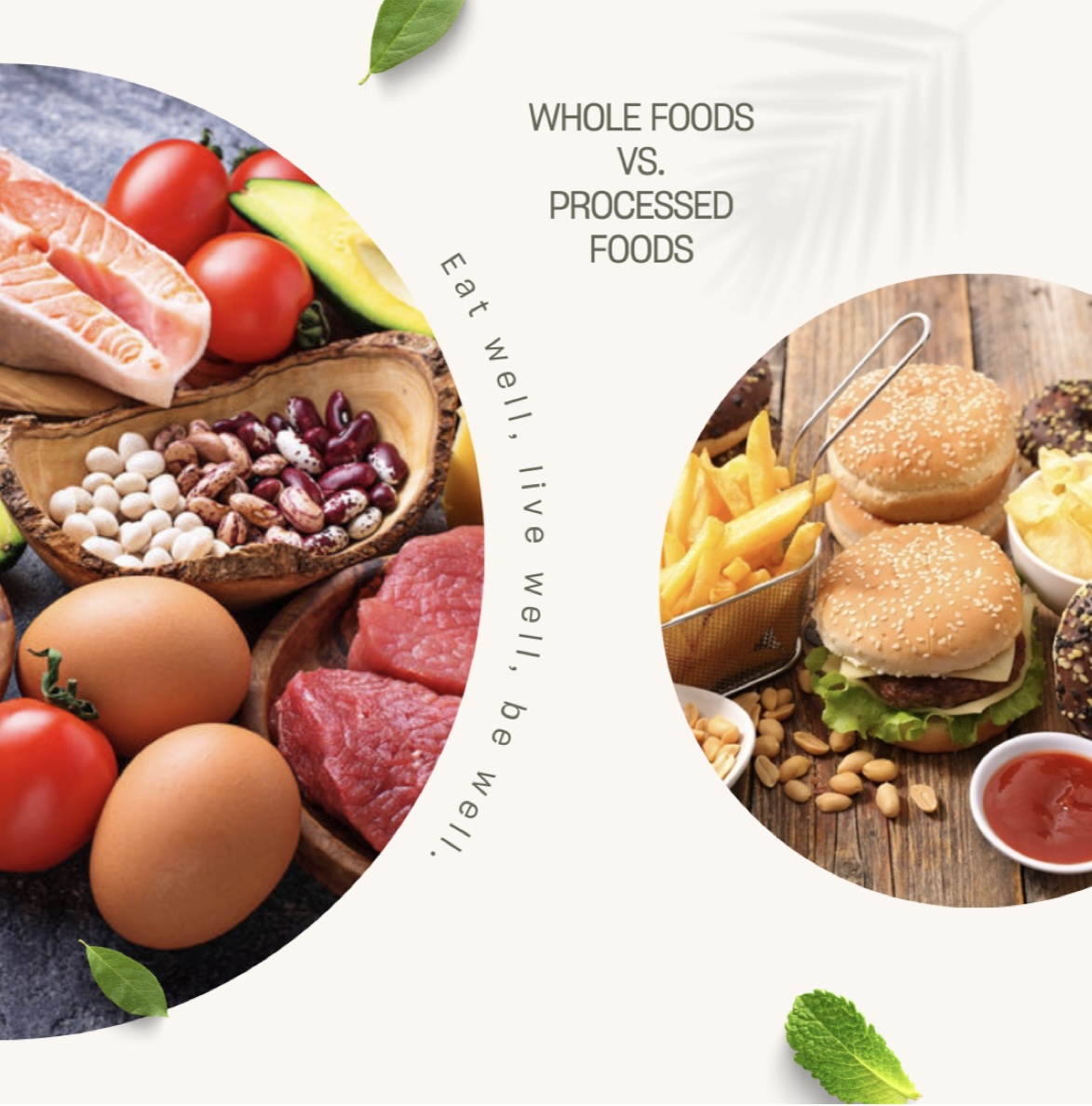
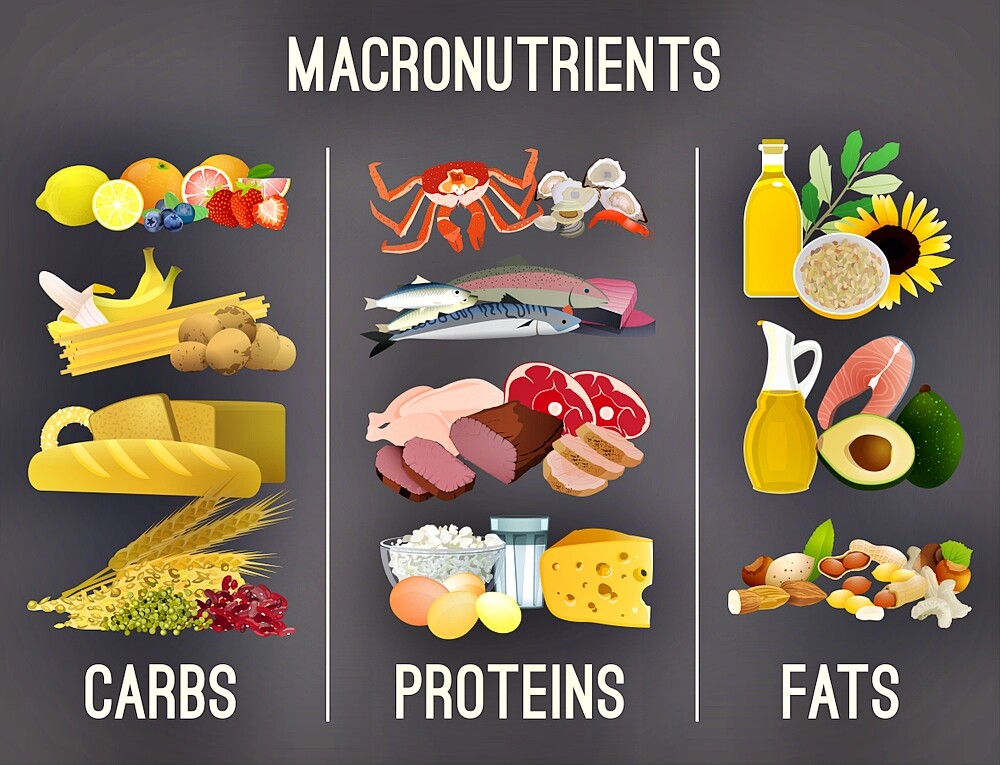
The things that damage metabolic health are uncomfortably familiar: sedentary behavior, poor sleep, chronic stress, and a diet high in processed foods and refined carbohydrates. And the things that restore it are equally clear — movement, sleep, stress management, and whole food nutrition.
Not all exercise is equal when it comes to metabolic impact. Here's why CrossFit's approach stands out:
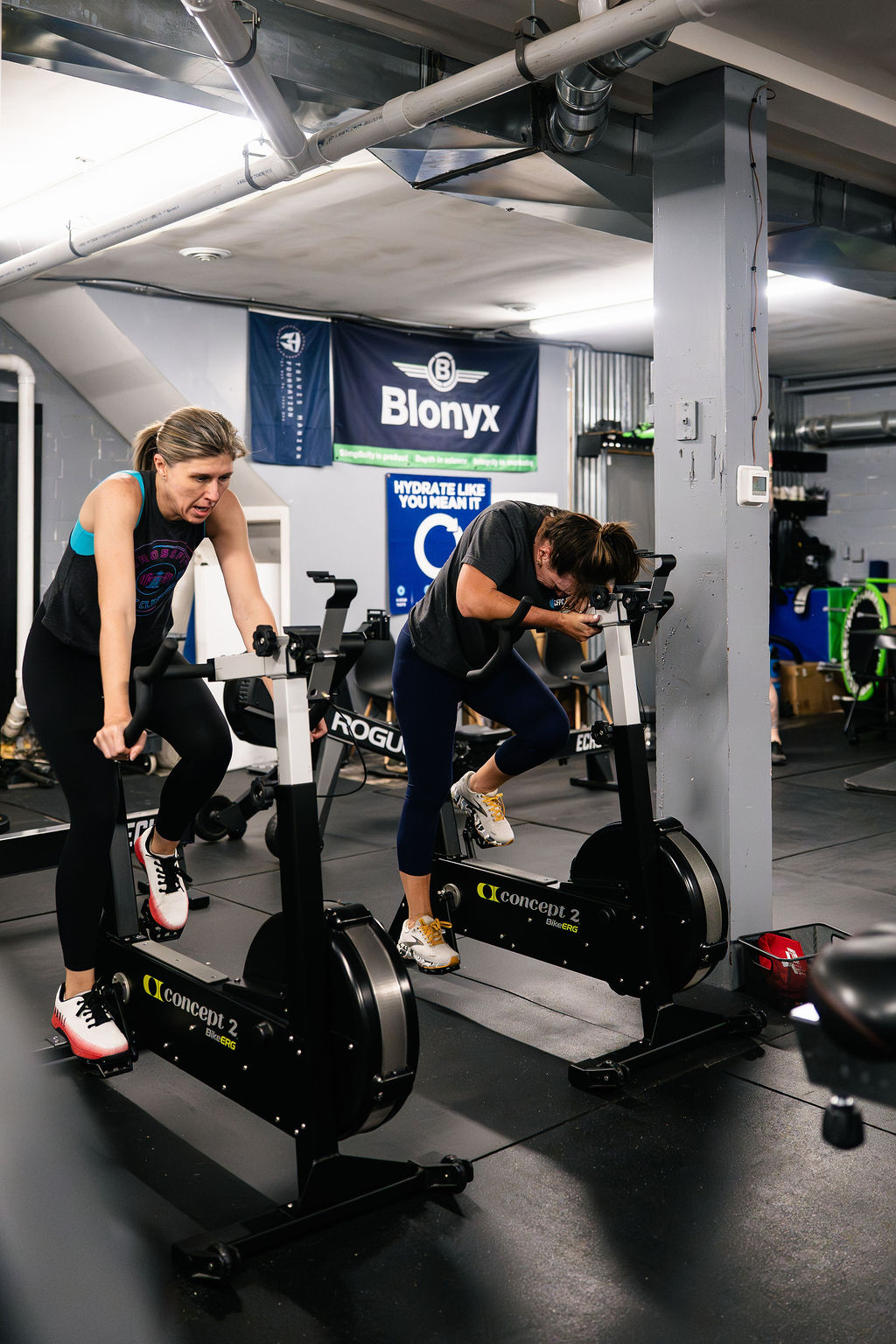
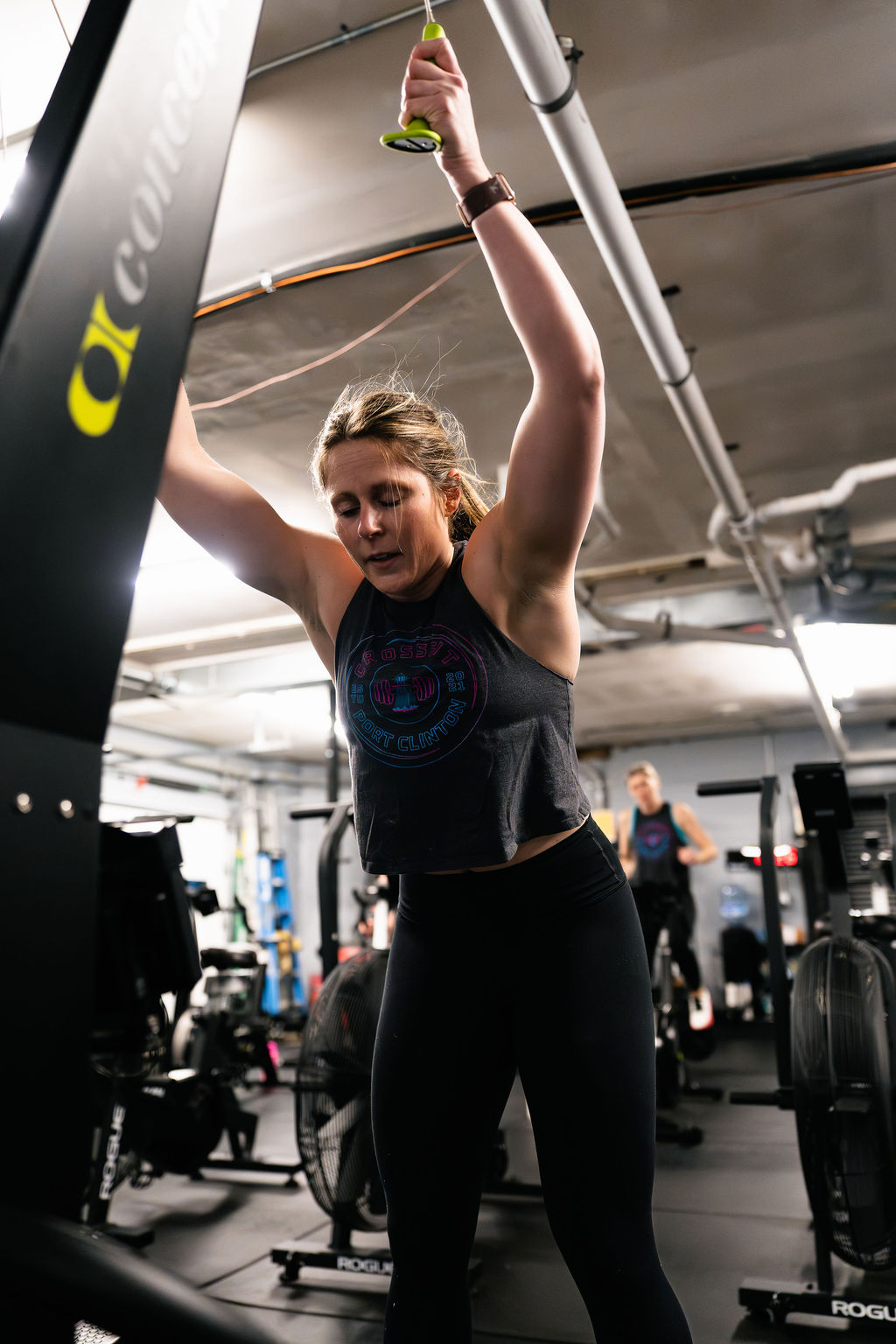
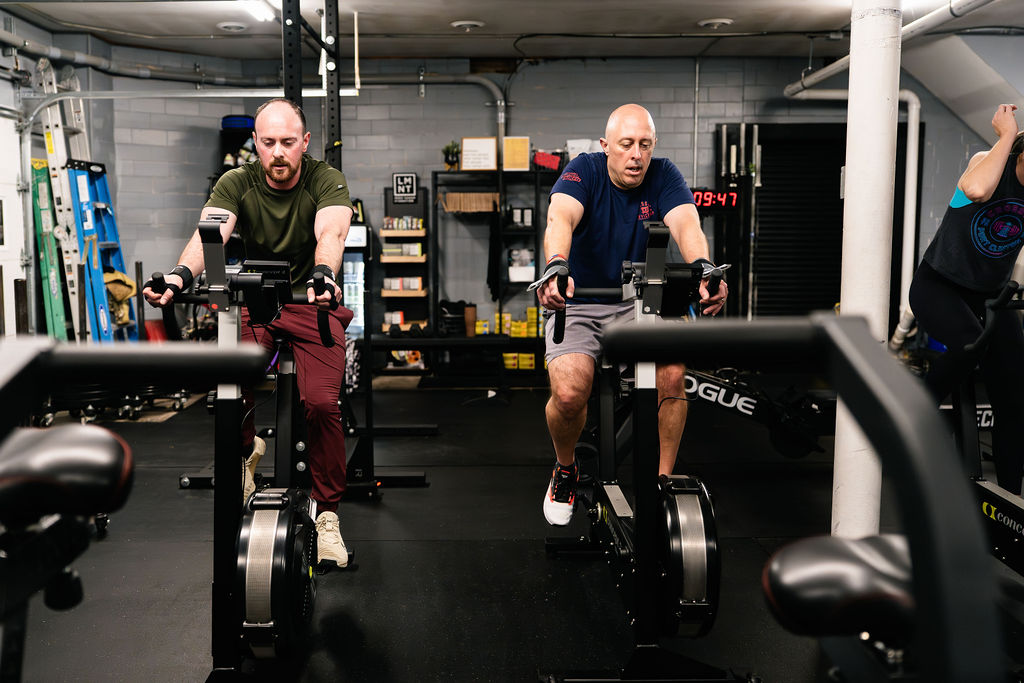
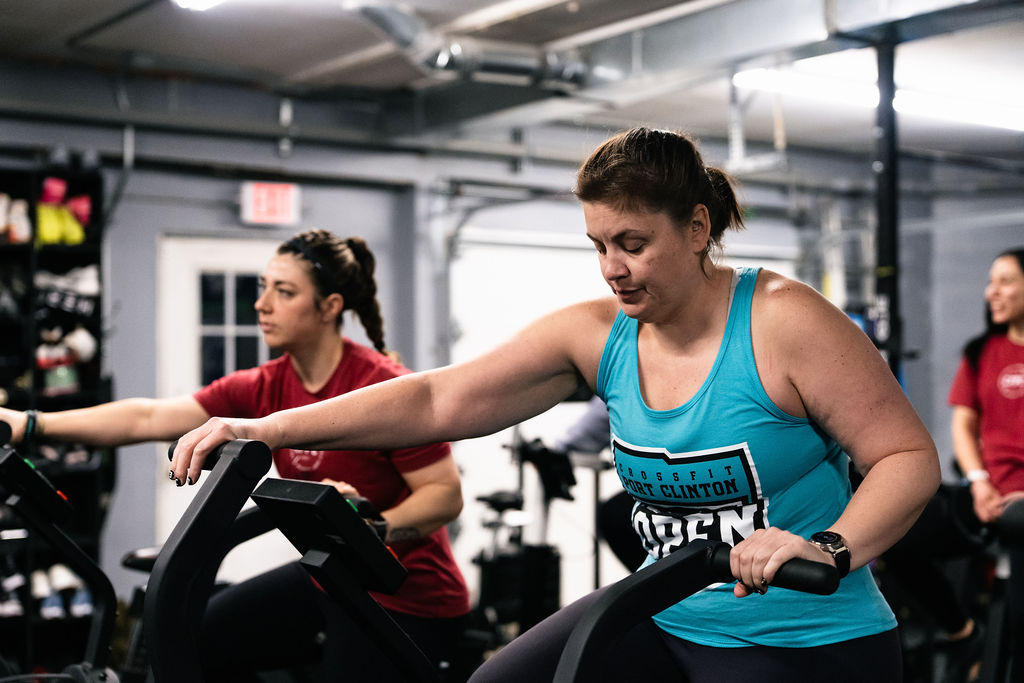
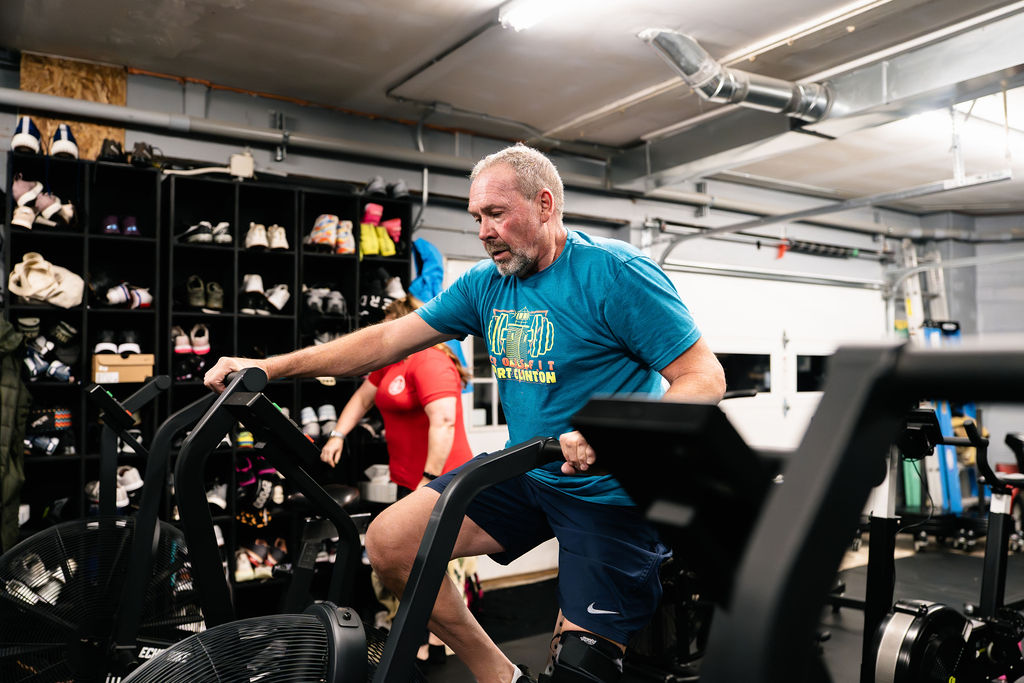
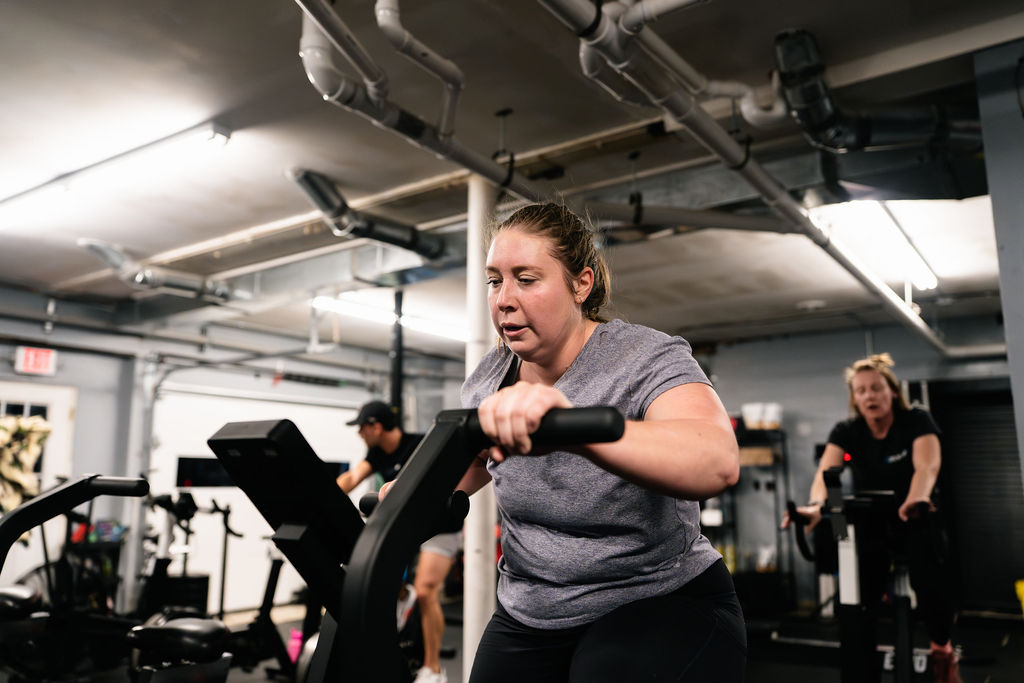
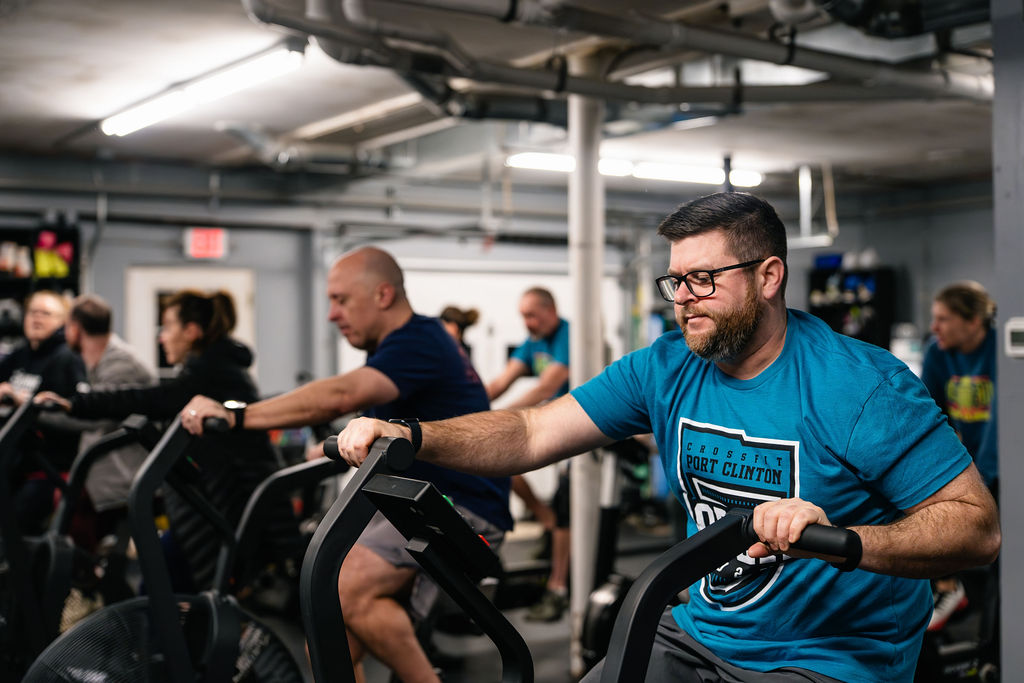
High-intensity interval training (HIIT) dramatically improves insulin sensitivity. The metabolic conditioning that defines CrossFit — short, intense bursts of effort followed by rest or lower-intensity work — is consistently shown in research to be among the most effective exercise modalities for improving how the body handles glucose. A single high-intensity WOD can improve insulin sensitivity for 24–48 hours. Do this consistently, five days a week, and the cumulative effect on metabolic health is profound.
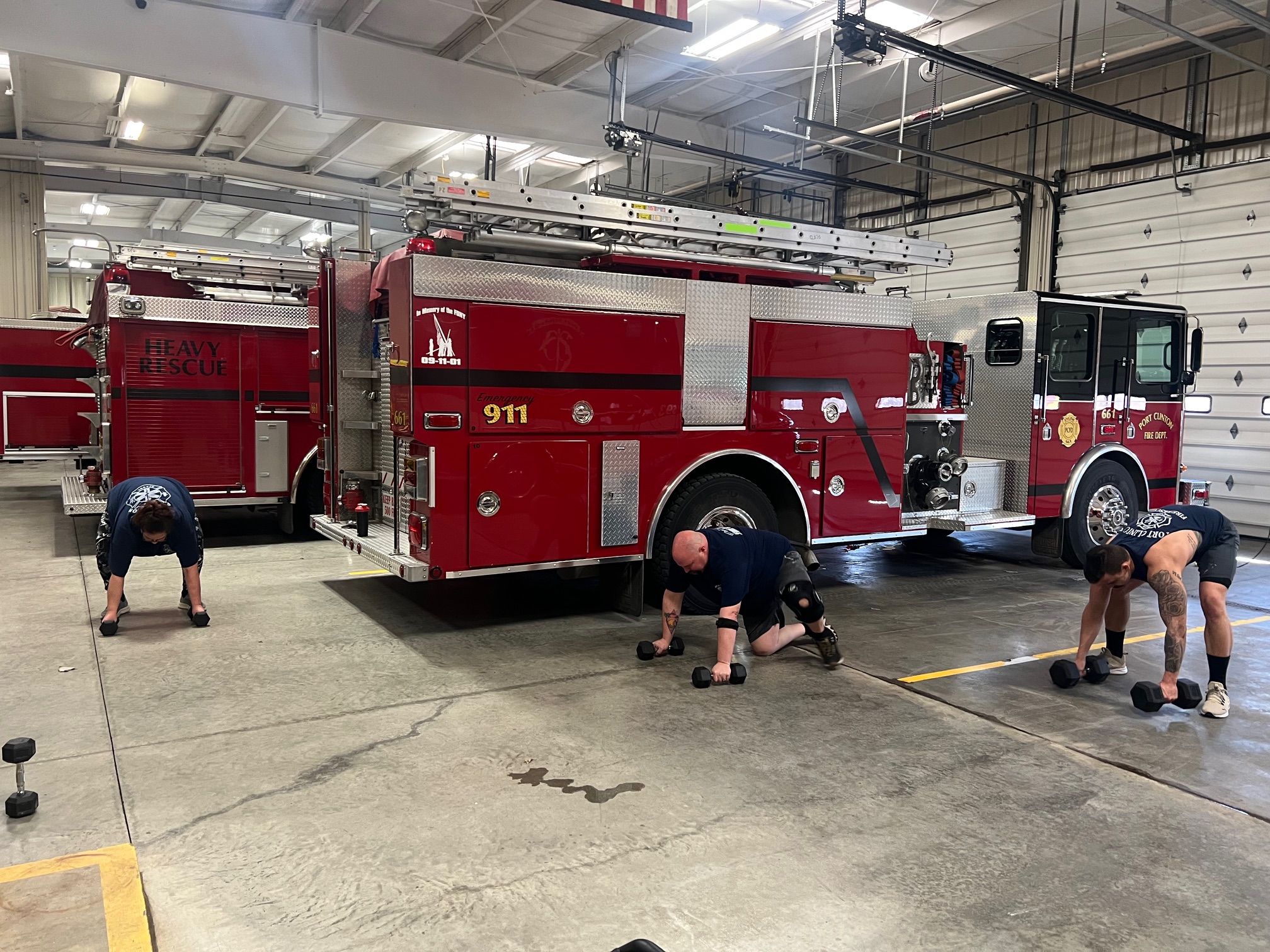
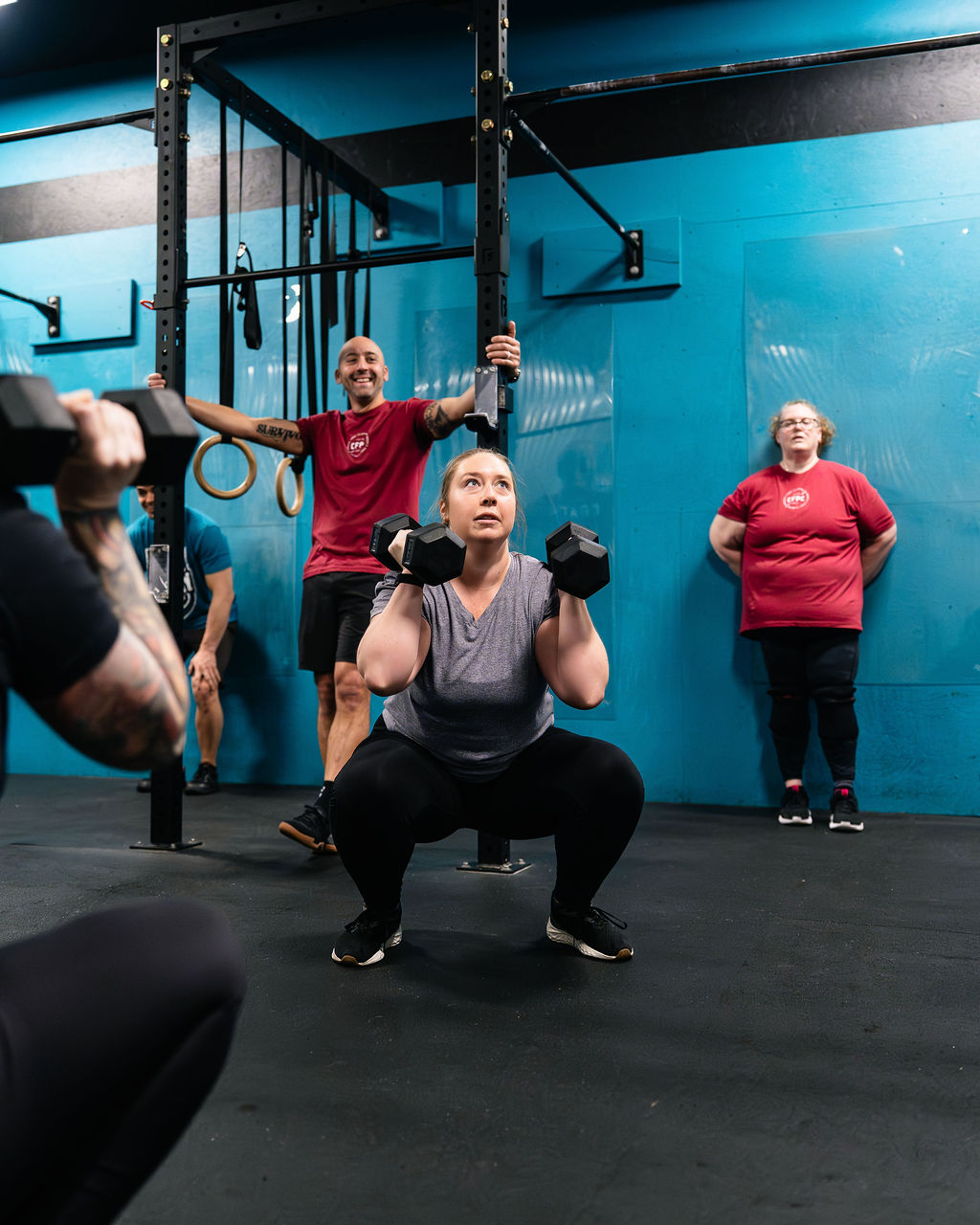
Strength training builds metabolically active tissue. Muscle is not just for lifting — it is your body's primary glucose disposal site. When muscle cells take up glucose from the bloodstream, blood sugar stays stable and insulin demand drops. The more muscle mass you carry, the better your baseline metabolic health. CrossFit's programming builds muscle systematically through compound strength work — deadlifts, squats, presses, pulls — which directly improves your body's metabolic capacity.
The combination is more powerful than either alone. Research shows that combining cardiovascular conditioning with resistance training produces better metabolic outcomes than either modality in isolation. CrossFit's constantly varied programming delivers both in every training cycle, which is one of the reasons its effects on body composition and metabolic markers tend to be more dramatic than single-modality training programs.
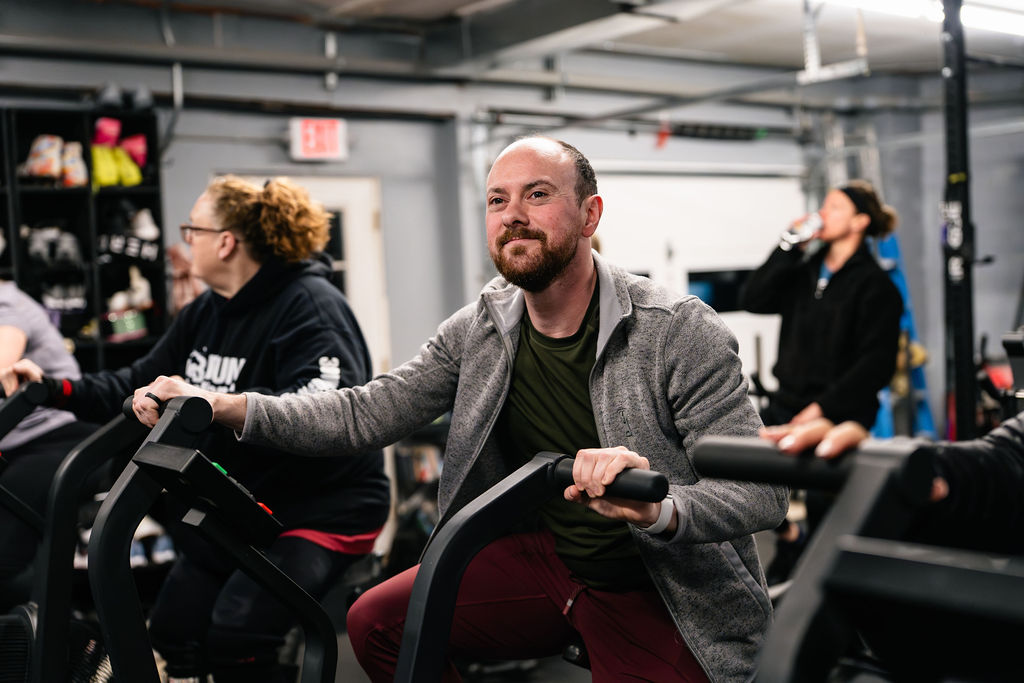
We see this play out in our gym every week. Members who arrive with elevated blood pressure, prediabetic blood sugar readings, or excess body fat — and who commit to consistent training and basic nutritional improvements — routinely see those markers move in the right direction, often within months.
These aren't outliers. They're the expected outcome of doing what the research consistently shows works: progressive strength training, high-intensity cardiovascular conditioning, adequate protein, real food, sufficient sleep. CrossFit puts all of those in one place, packaged in a program that's varied enough to stay engaging and communal enough to stay consistent.
For adults in their 30s, 40s, 50s, and 60s — the population most at risk for metabolic decline — this matters enormously. Every year of inaction is a year of metabolic drift. Every year of consistent training is a year of measurable improvement.
One of the emerging trends in the fitness and metabolic health space is the use of continuous glucose monitors — small sensors worn on the arm that track blood sugar in real time throughout the day. Originally developed for diabetics, CGMs are increasingly being used by health-conscious adults without diabetes to understand how their diet, exercise, and sleep affect their blood sugar.
For CrossFit athletes interested in optimizing their metabolic health, CGM data can be eye-opening. Seeing how a particular meal spikes your blood sugar, or how a hard WOD drives glucose levels down, makes abstract nutrition principles concrete and personal.
If this is something you're curious about, talk to your doctor — CGMs are becoming more accessible and more affordable, and the information they provide can be genuinely transformative.
Metabolic health is the foundation of everything — energy, body composition, disease risk, longevity, mental clarity. And the best single thing most adults can do to improve it is exactly what we do every day at CrossFit Port Clinton.
If you've been told your blood sugar is trending up, your blood pressure is borderline, or your doctor is watching your cholesterol — consider this your most actionable next step. Come train with us.
Free No Sweat Intro -- schedule yours today! 15 minutes to chat about your goals and how we can help you!



.png)

















































.jpg)