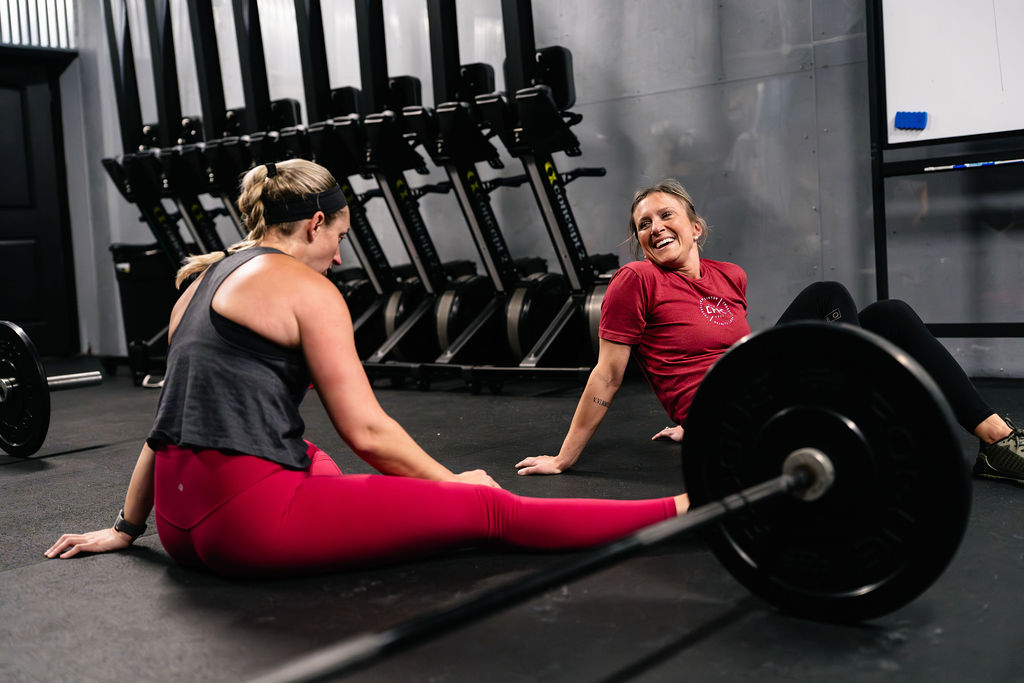

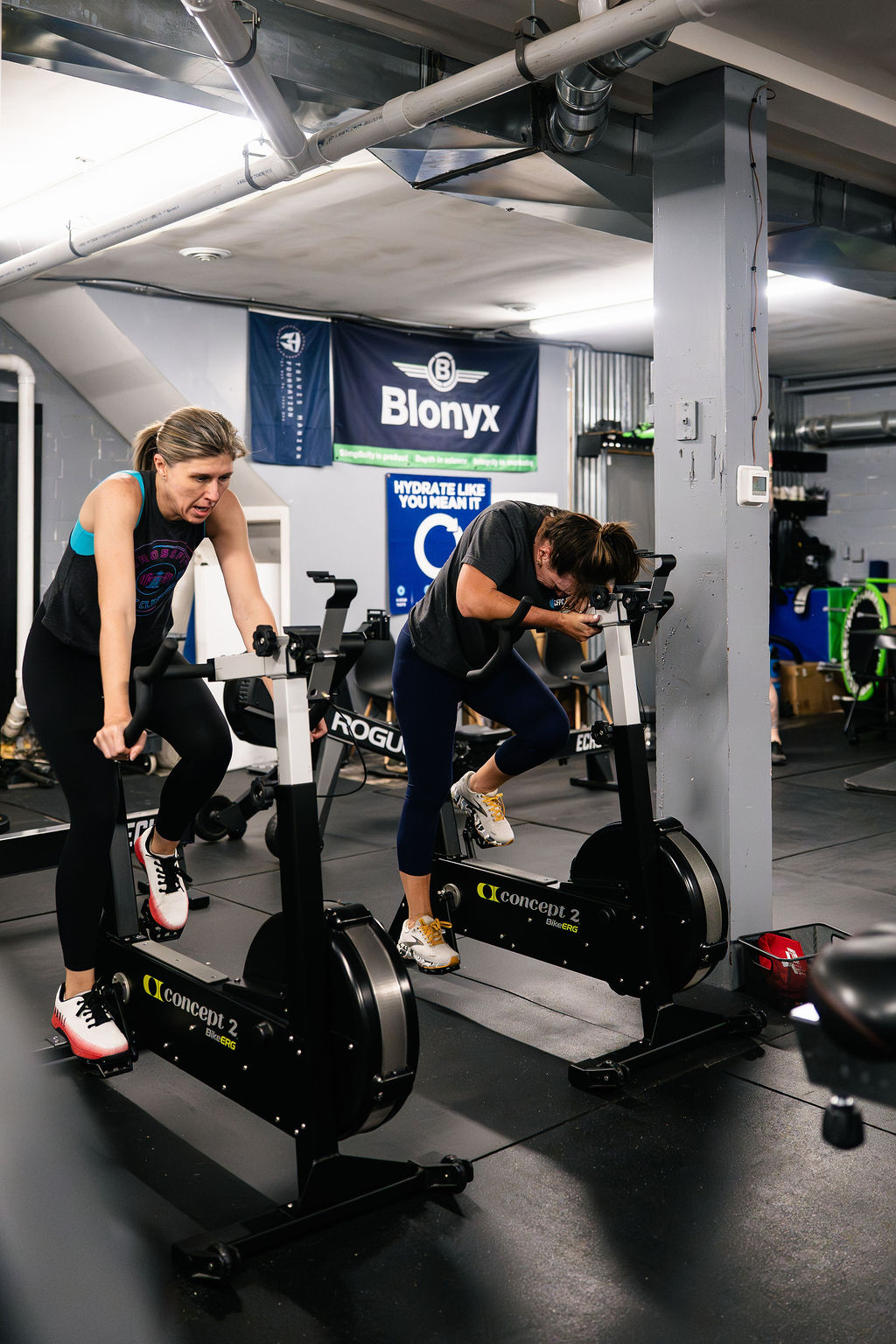
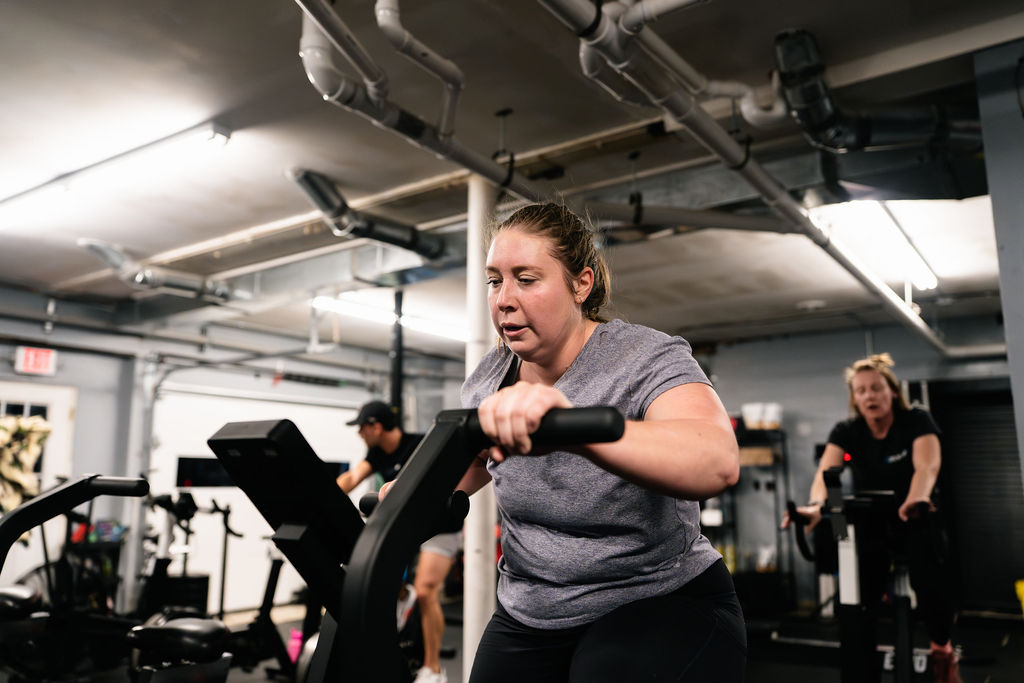
Something interesting is happening across America's gyms and fitness studios. After years of solo workouts, noise-canceling headphones, and on-demand everything, people are showing up — together. Run clubs are booming. Group fitness classes are packed. Small-group training is one of the fastest-growing segments in the entire industry.
The 2026 American College of Sports Medicine trends report lists adult recreation and sport clubs, group fitness classes, and boutique studios all as rising trends — signaling the same thing from multiple angles. People don't just want to exercise. They want to exercise with other people.
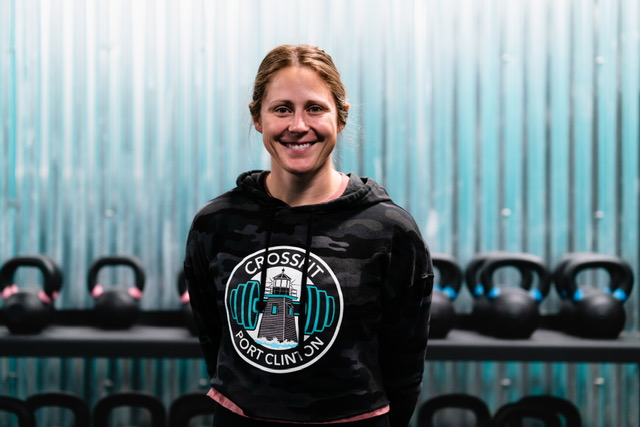
At CrossFit Port Clinton, we've been building this community for years. But understanding why it matters has never been more important — or more urgent.
We are, by most measures, one of the most socially disconnected generations in modern history. Despite being more "connected" than ever online, rates of loneliness, isolation, and social anxiety have risen sharply. The U.S. Surgeon General declared loneliness a public health epidemic. And research consistently shows that social isolation is as damaging to long-term health as smoking 15 cigarettes a day.
Exercise has always been good for the body. But community-driven exercise does something solo training simply cannot: it gives people a place to belong.
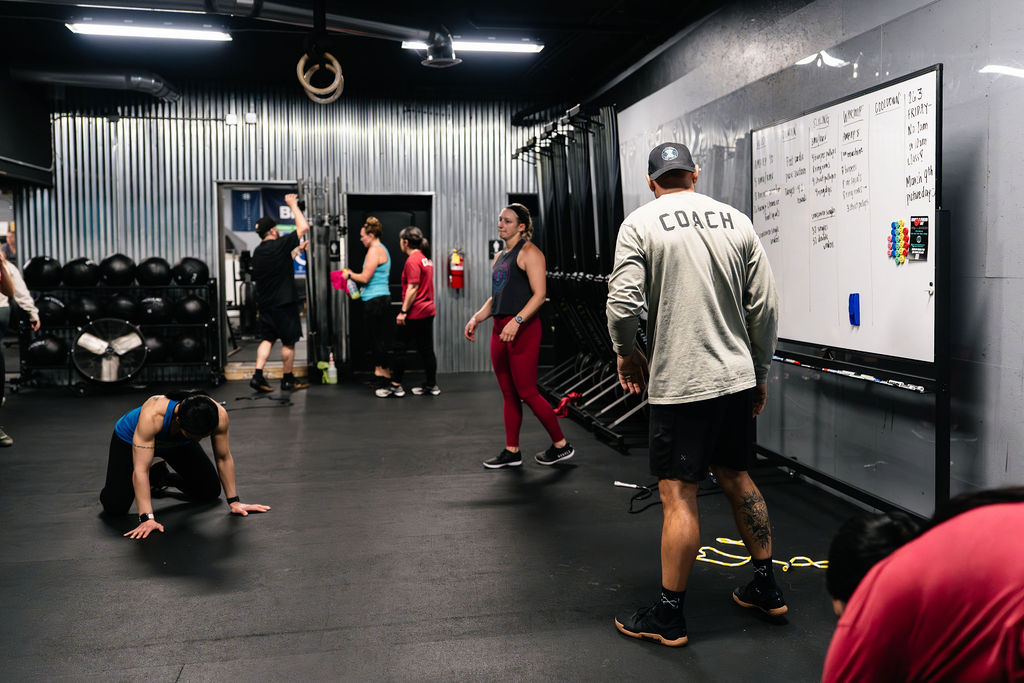
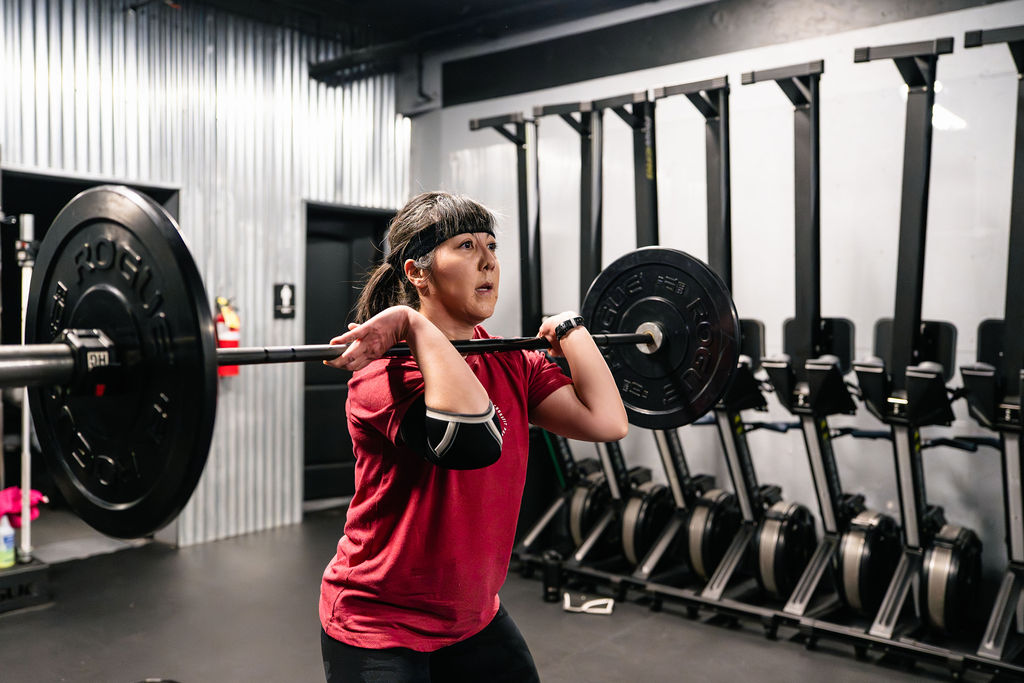
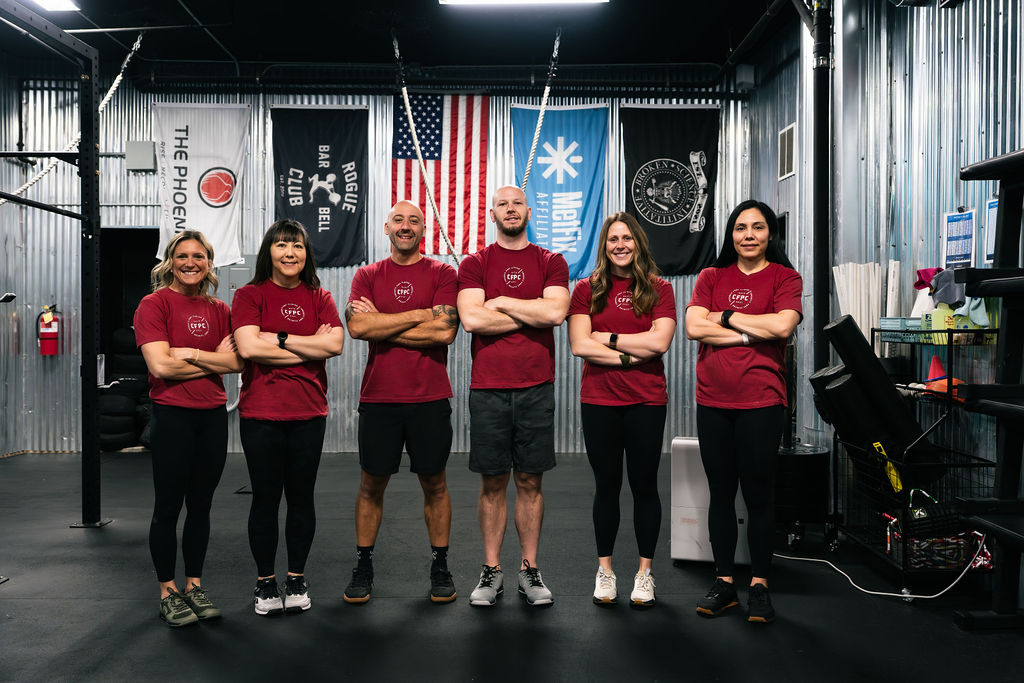
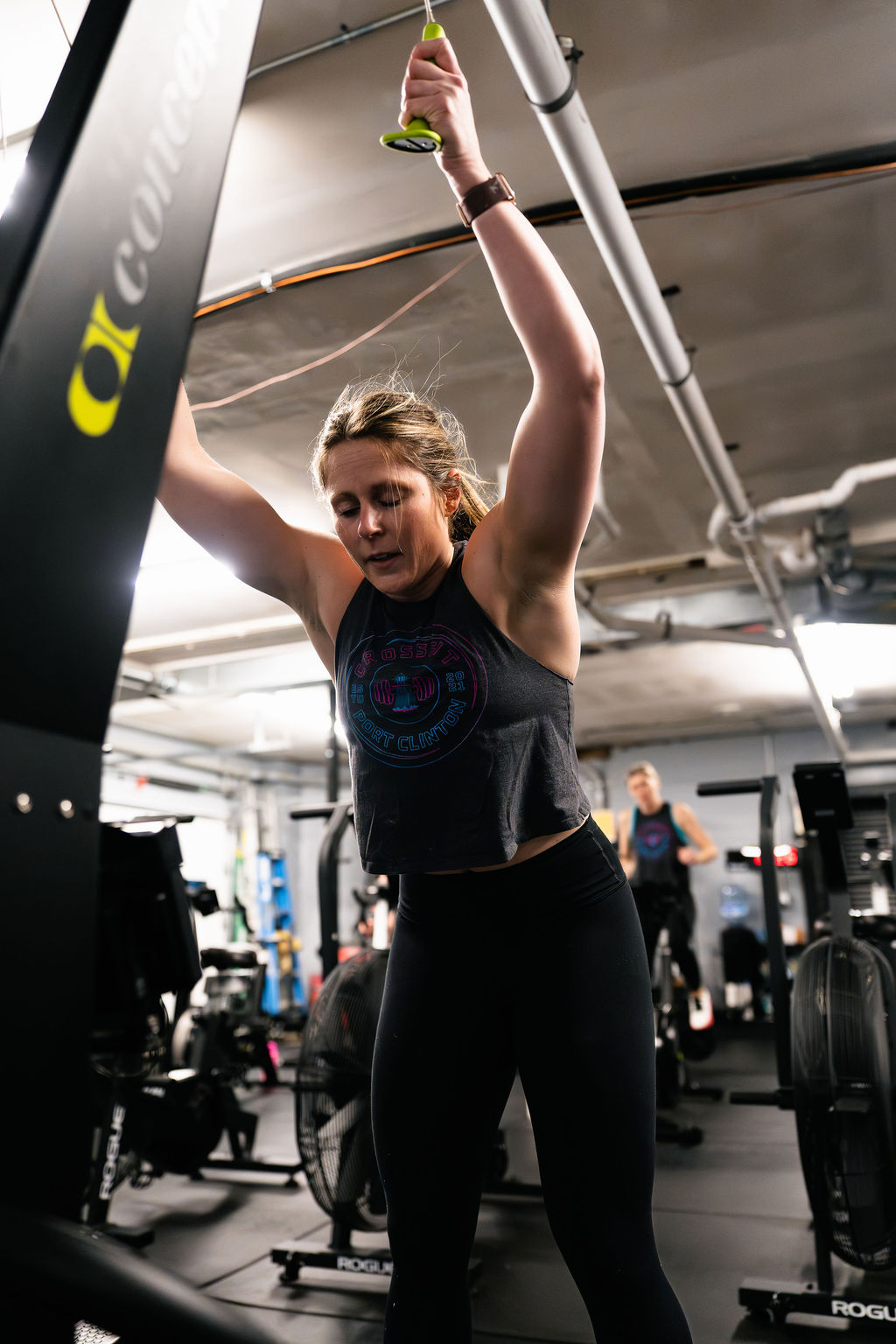
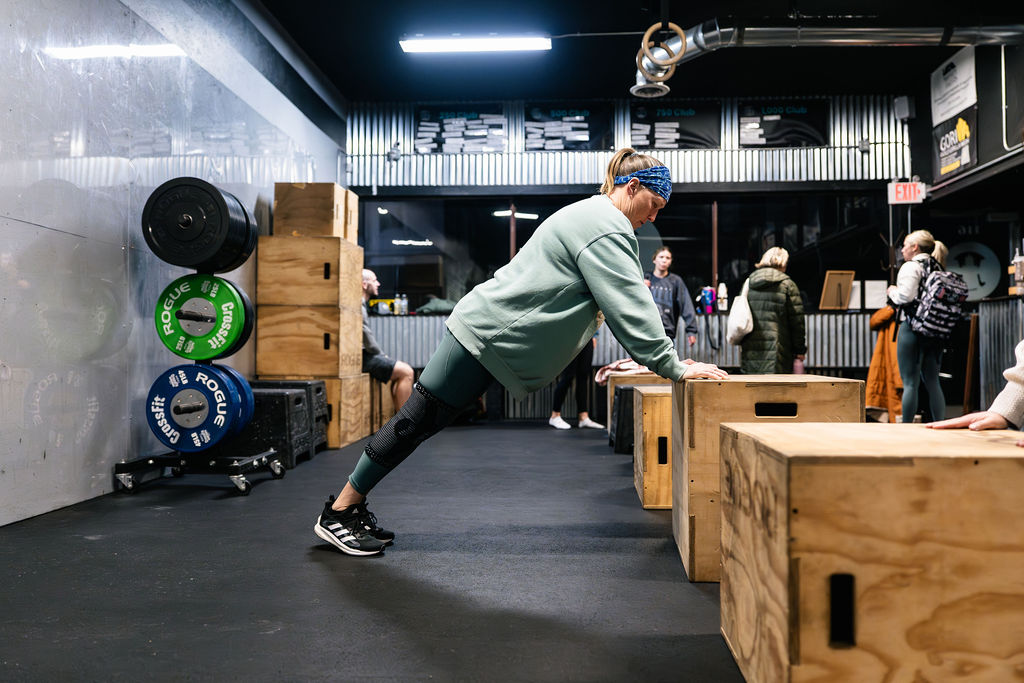
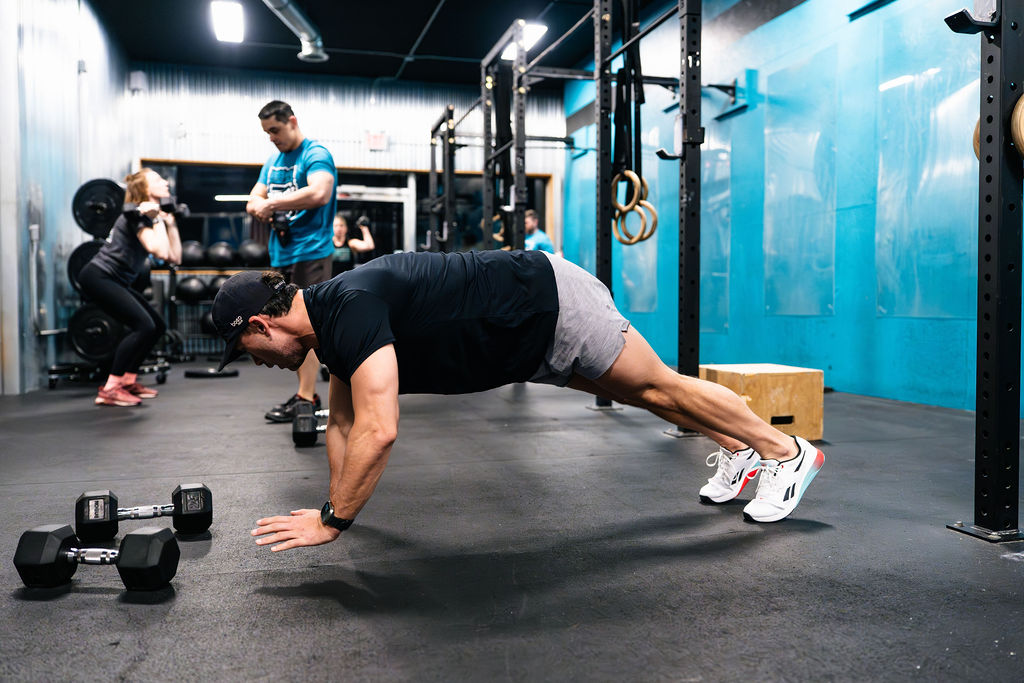
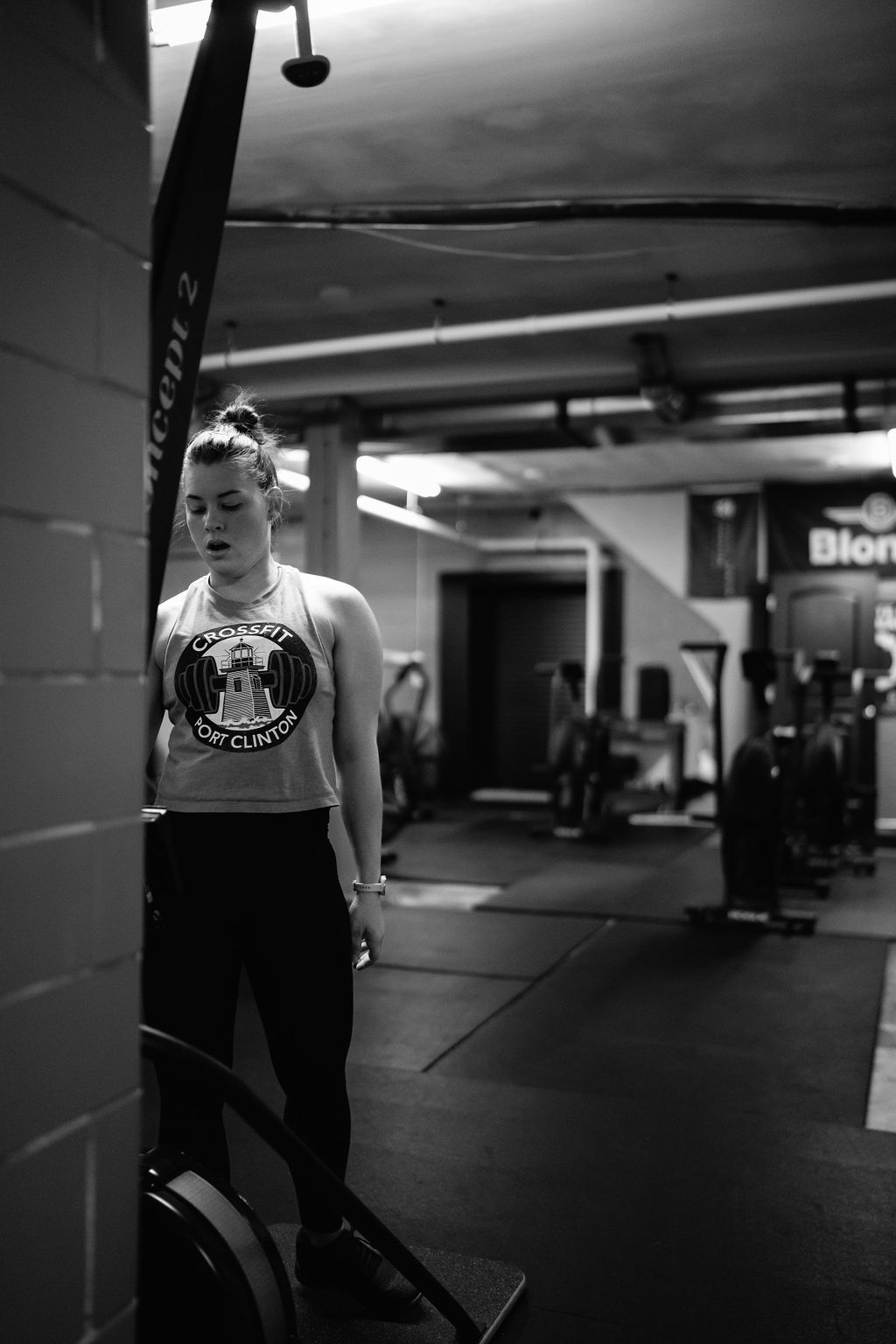
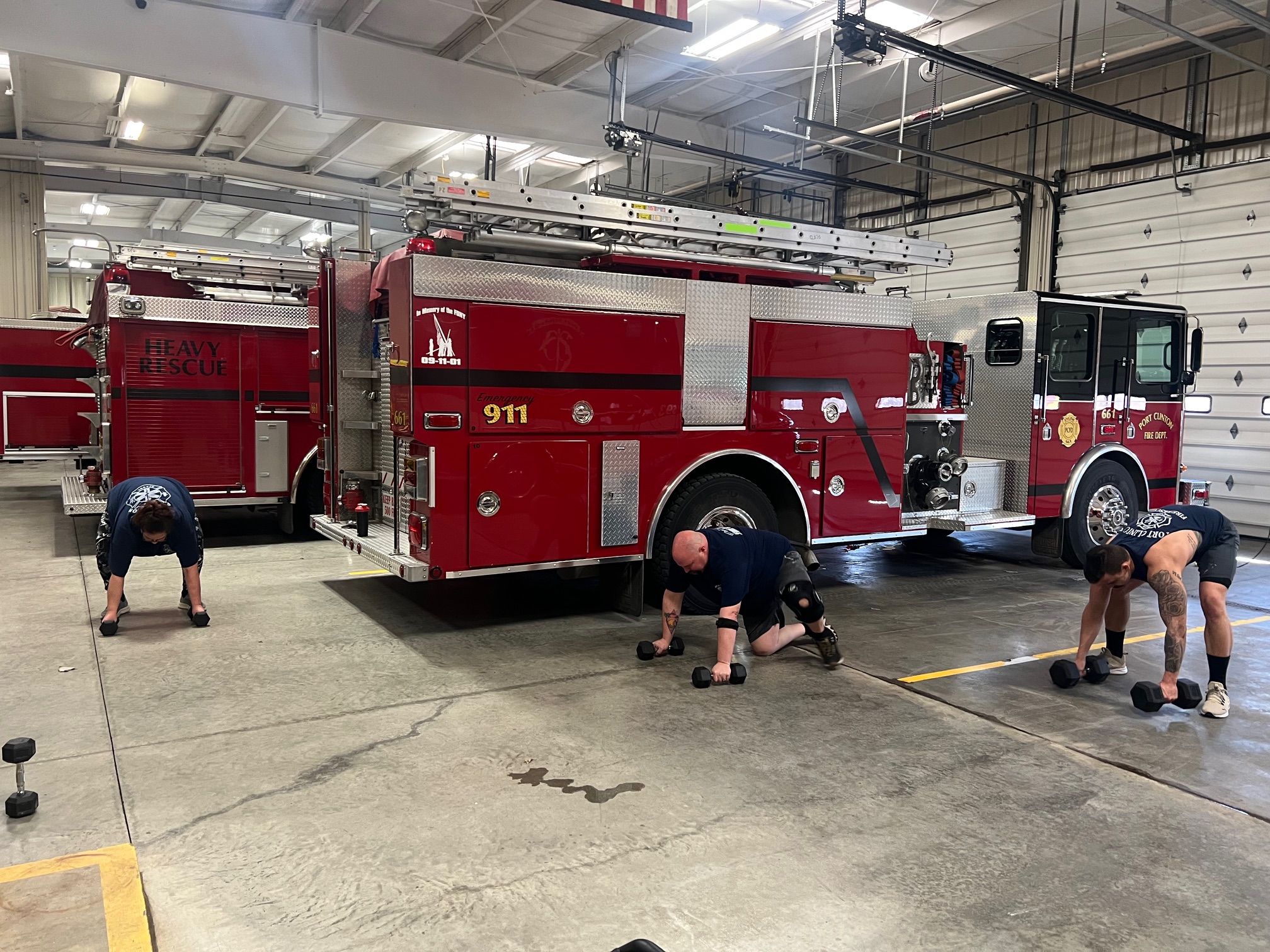
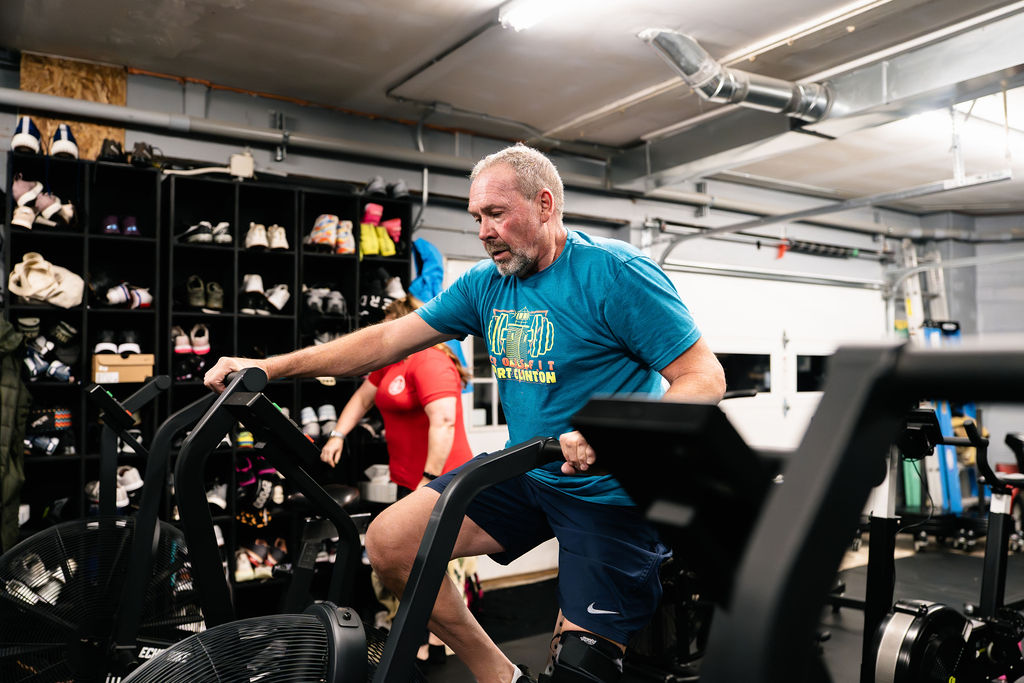
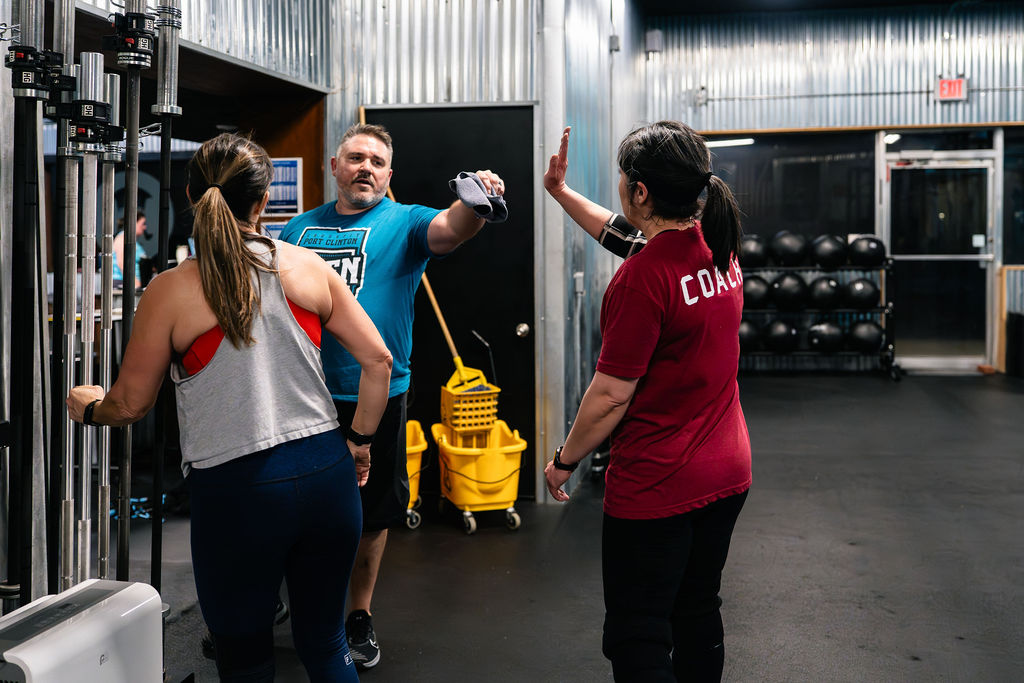
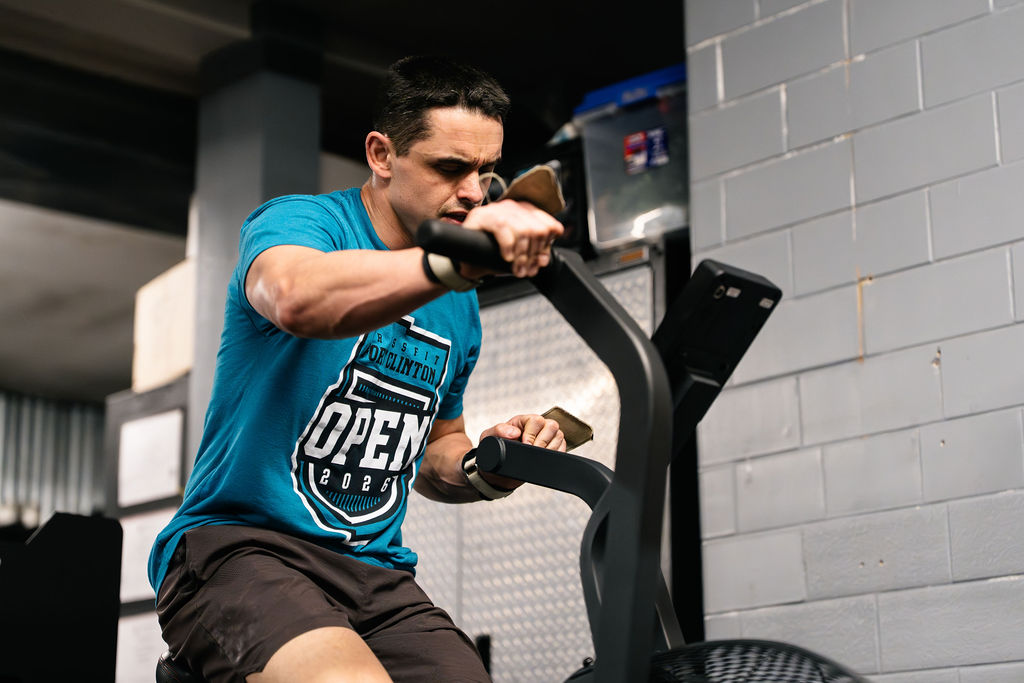
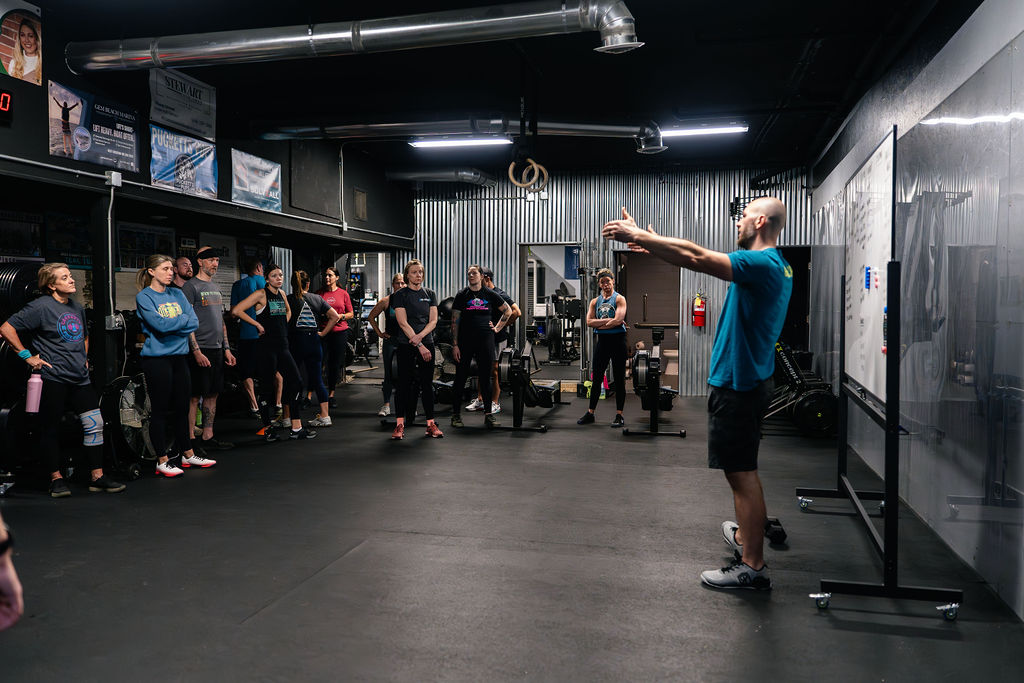
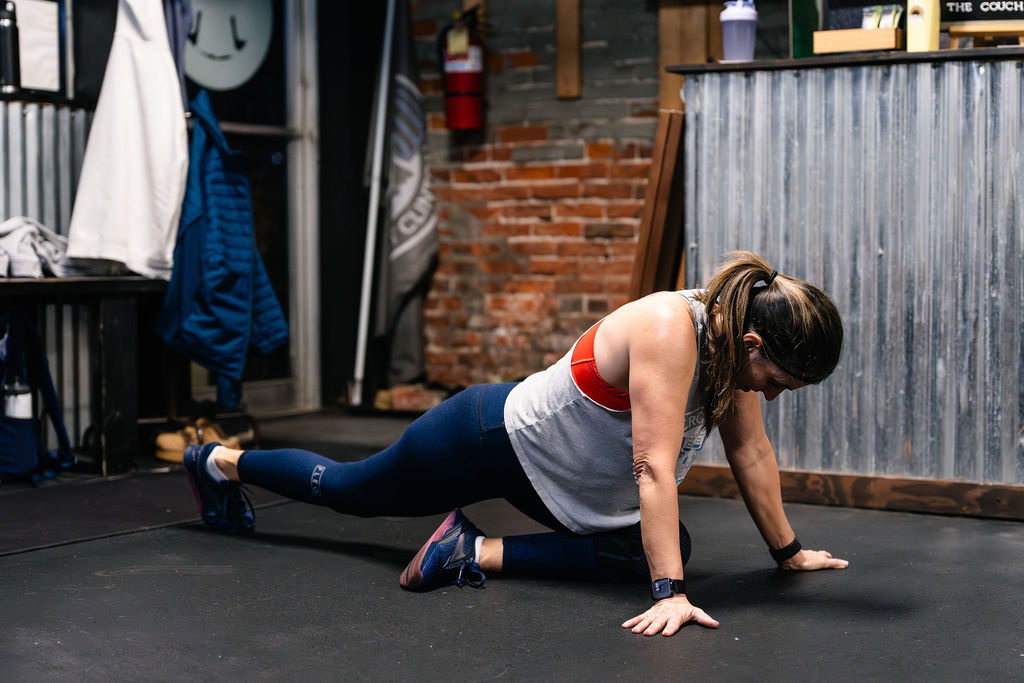
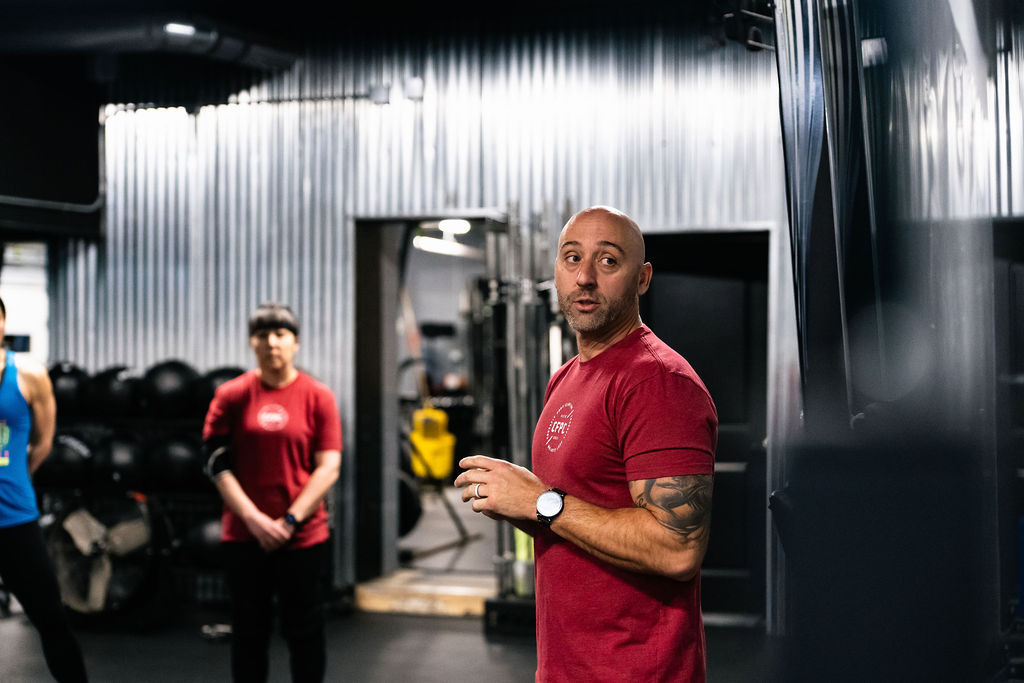
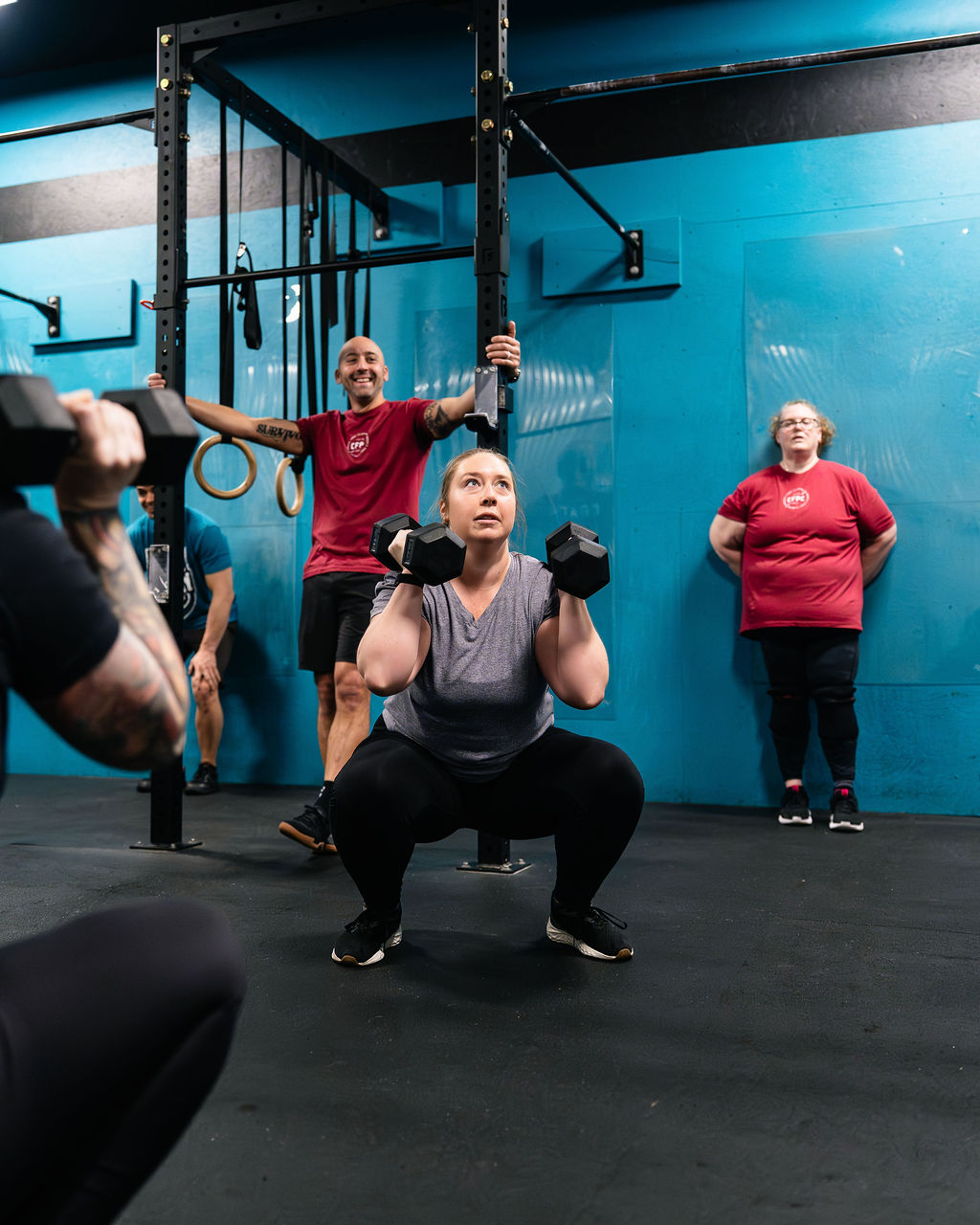
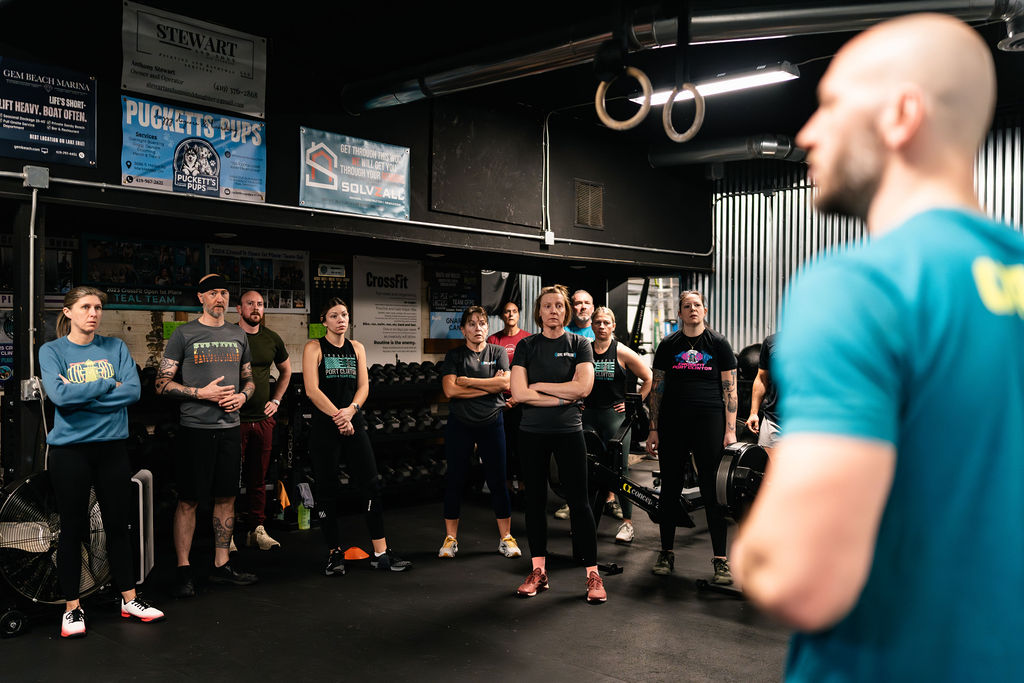
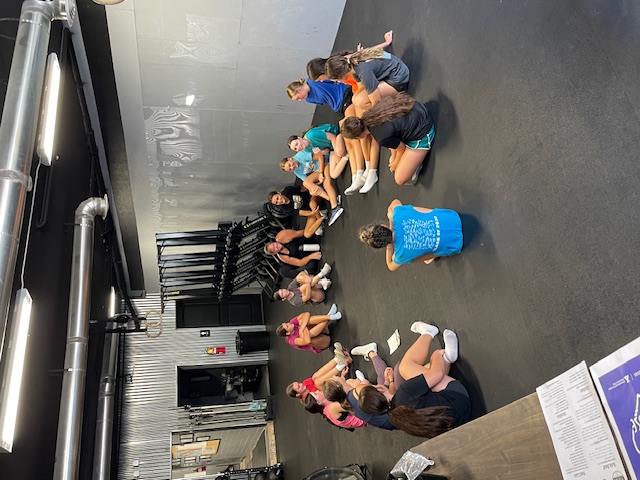
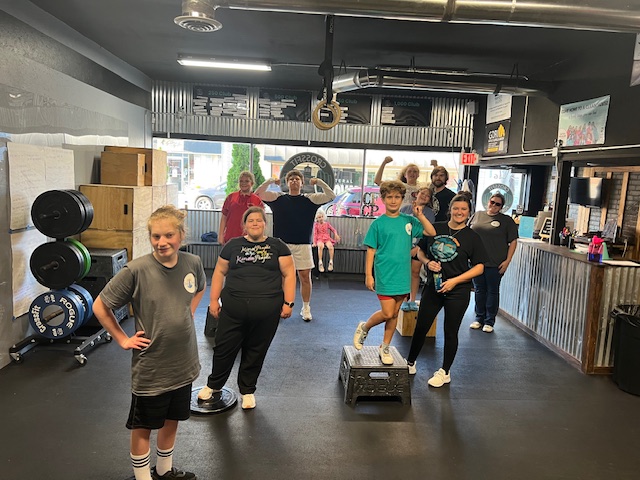
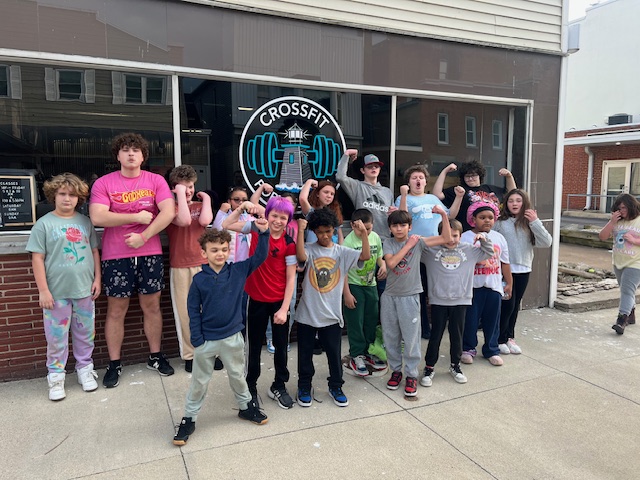
When you walk into CrossFit Port Clinton, you're not just entering a gym. You're walking into a group of people who know your name, remember your PRs, celebrate your wins, and show up for you on the days you'd rather stay home. That social fabric is not a bonus feature of CrossFit. It's core to why the model works.
The evidence for community-based exercise goes well beyond the feel-good stuff. Studies consistently show that:
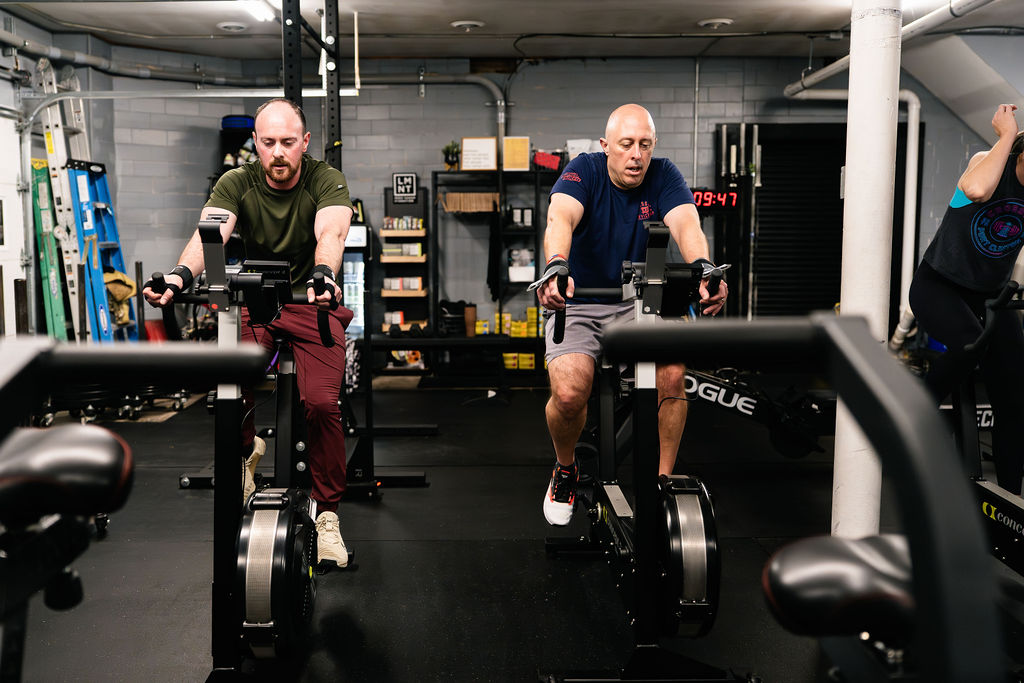
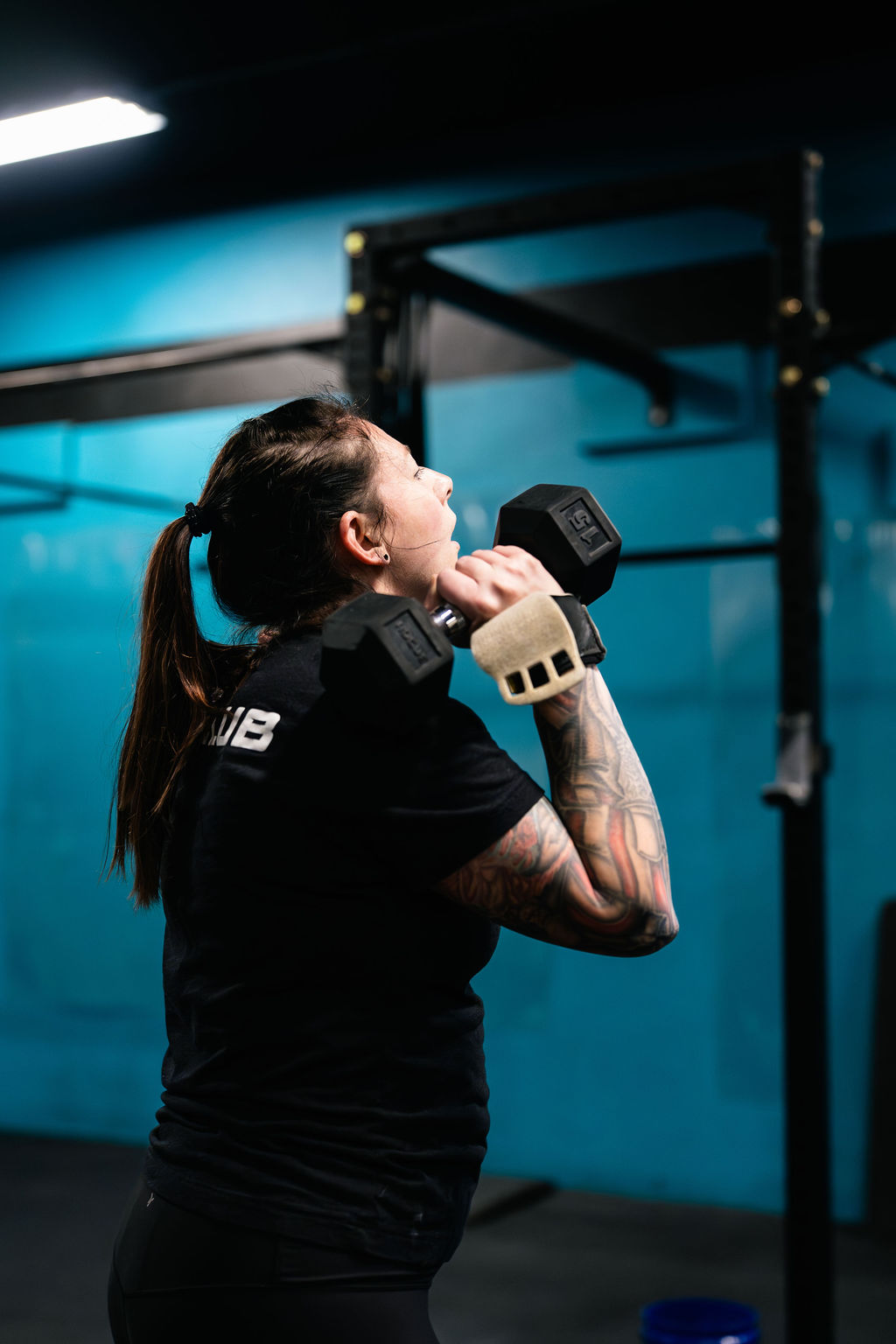
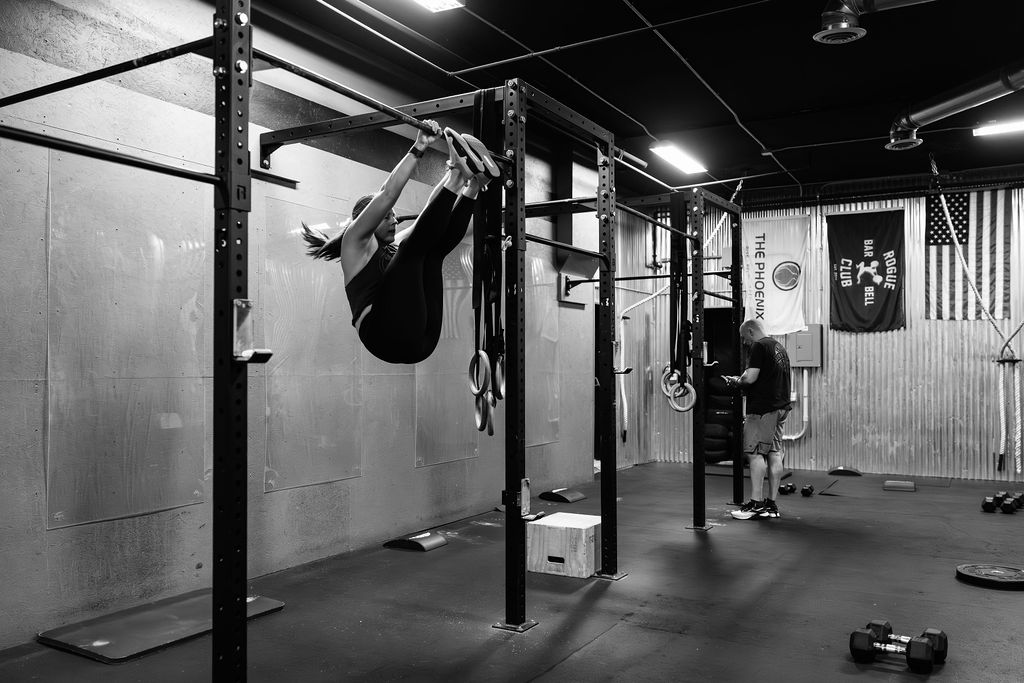
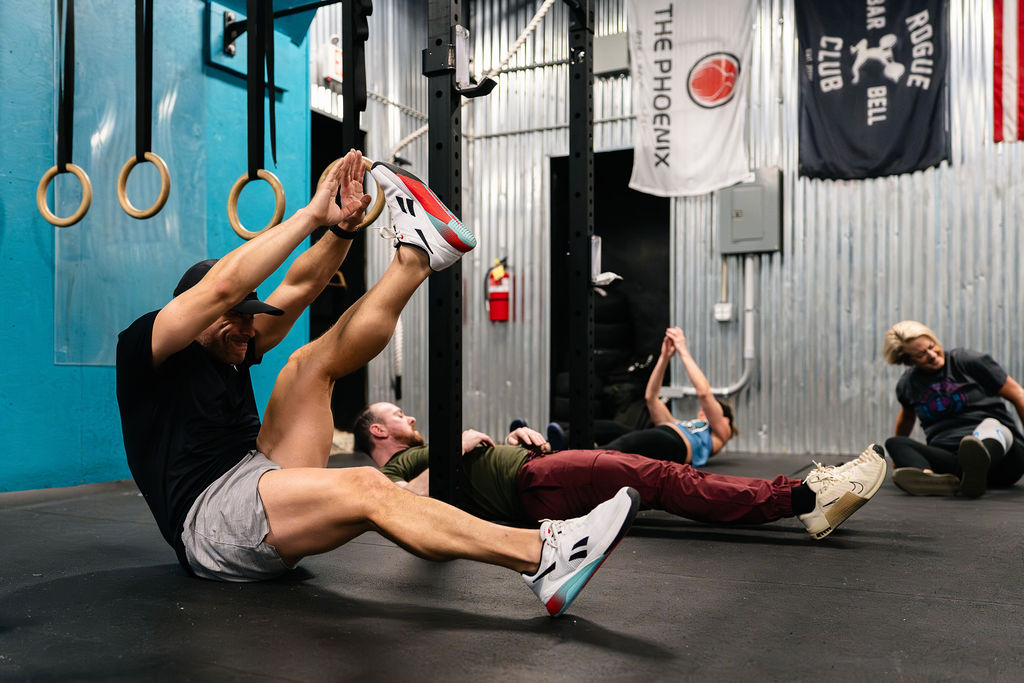
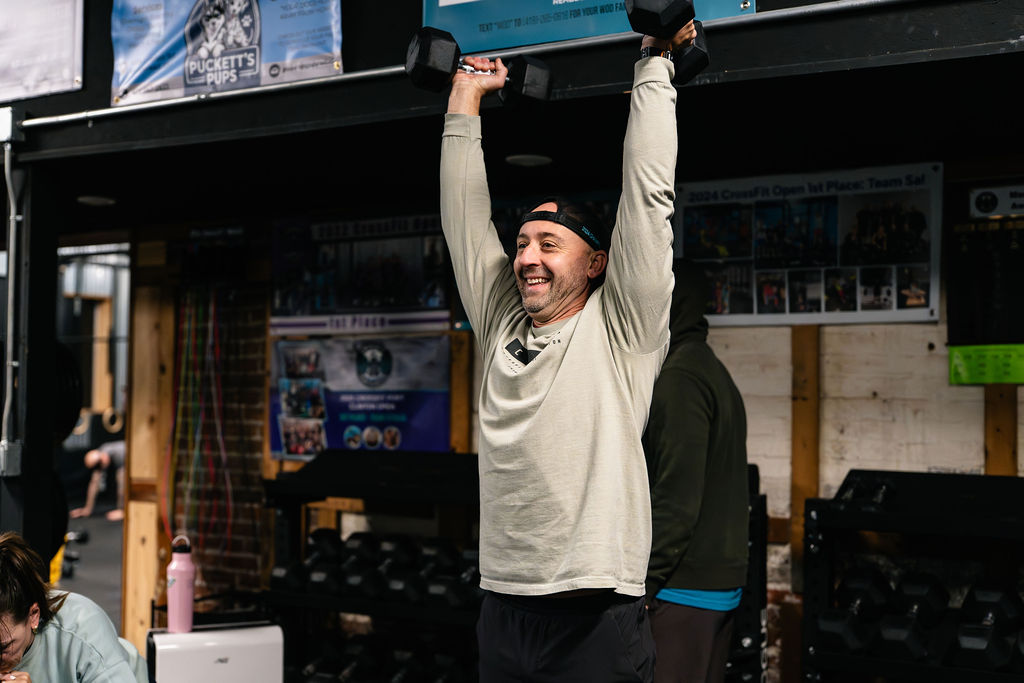
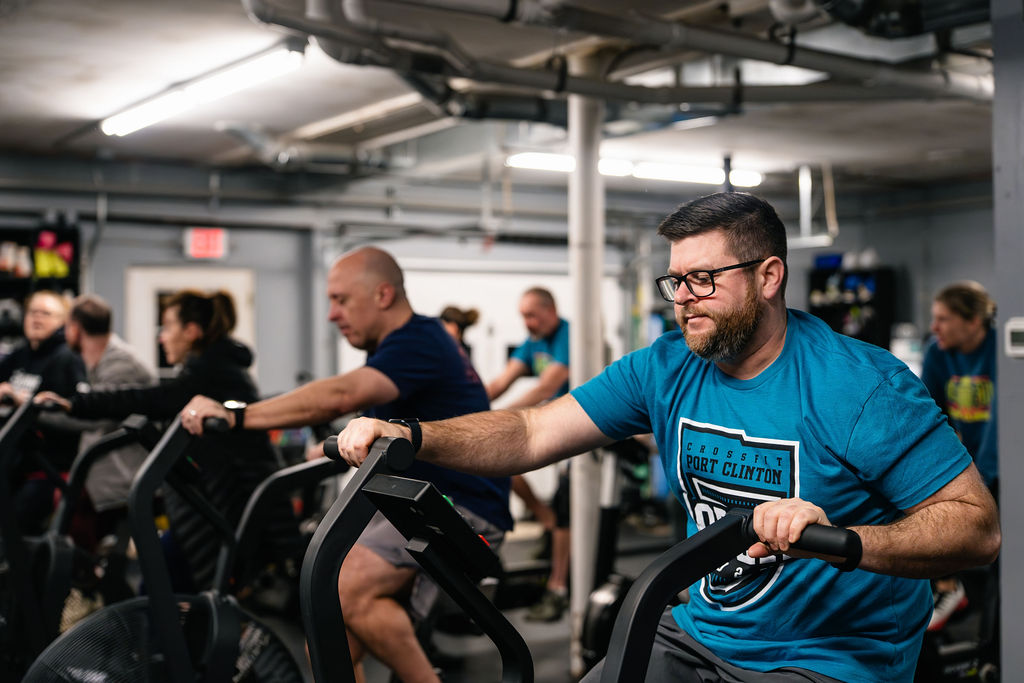
CrossFit's box model was built around the idea that fitness should be shared. Every class, every WOD, every PR board reflects that belief. You suffer together, celebrate together, and get better together.
In Port Clinton, that takes on an extra dimension. We're a small, tight-knit community on the shores of Lake Erie. The relationships people build inside our box spill out into the rest of their lives — barbecues, lake days, watching each other's kids at competitions, showing up when someone's going through a hard time.
That's not something any app or at-home workout program can replicate. And as the fitness industry scrambles to recreate community, CrossFit athletes already have it.
If you've been working out alone and wondering why it feels so hard to stay consistent — or why it doesn't feel as rewarding as it used to — you might not have a motivation problem. You might have a community problem.
The research is clear, the industry is catching up, and the doors at CrossFit Port Clinton are open. Come try a free class and find out why so many of our members say the people are the best part.
.png)
















.jpg)