Walk into any CrossFit gym and it won't take long before someone mentions creatine. It's on the supplement shelves, it's in the group chat, and it's in the shaker bottles of athletes from beginners to Games competitors. And yet, for something so widely used, there's a surprising amount of confusion about what it actually does, whether it's safe, and who should be taking it.
Let's set the record straight — and while we're at it, talk about what CrossFit's own nutrition philosophy says about fueling for performance.
Creatine is not a steroid. It's not a stimulant. It's a naturally occurring compound that your body already produces, found in foods like red meat and fish. It plays a central role in your body's ability to produce ATP — the primary energy currency your muscles use during short, intense bursts of effort.
That's exactly what CrossFit demands. Every time you hit a heavy set of cleans, push through a max set of wall balls, or sprint through the last round of a metcon, your muscles are drawing on the ATP system. More creatine in the muscle means more fuel available for those moments, which translates to more reps, more power, and faster recovery between rounds.
The research on creatine monohydrate is about as solid as it gets in sports science. Decades of peer-reviewed study support its effectiveness for improving strength, power output, and lean muscle mass — with a well-established safety profile at recommended doses.
A landmark study published in January 2026 tracking the supplement habits of CrossFit practitioners found that creatine and protein are the two most widely consumed supplements in the sport — with creatine used by over 60% of athletes surveyed. That number keeps climbing as awareness of the research grows and the product becomes more mainstream.
CrossFit's own nutrition team weighed in on this surge, recommending plain creatine monohydrate — no fancy formulations, no proprietary blends, no added beet juice. Their guidance is straightforward: 5 grams per day, consistently. No loading phase needed. No complicated timing windows. Start with a reasonable dose, stay hydrated, and be consistent.
Creatine is not the foundation. Food is.
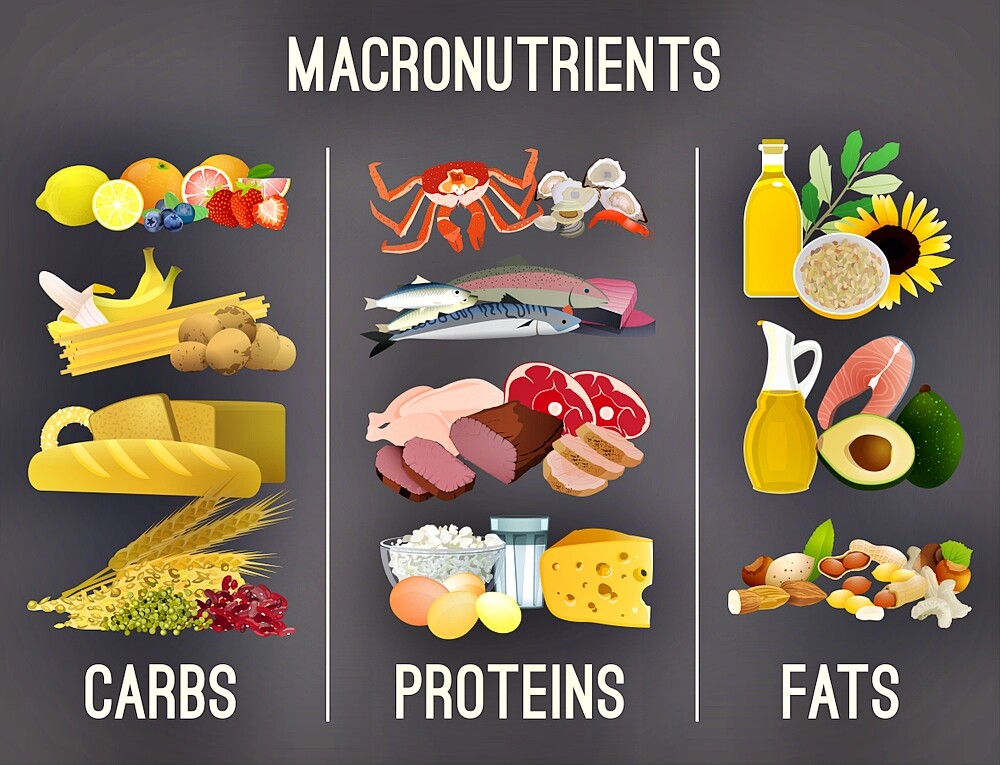
Before you optimize your creatine timing, CrossFit's nutrition philosophy points you firmly back to the basics: eating real, quality food in the right quantities. The framework is simple — roughly 40% carbohydrates, 30% protein, and 30% fat, built from whole food sources. Get that right first. Supplements are what they say on the label: supplemental.
For CrossFit athletes, this means:
Protein is non-negotiable. Muscle repair and adaptation happen when you eat enough protein. Research consistently shows CrossFit athletes benefit from prioritizing protein at every meal, aiming for roughly 0.7 to 1 gram per pound of bodyweight daily.
Carbohydrates fuel your WOD. A 2025 systematic review in the Journal of the International Society of Sports Nutrition found that carbohydrate intake among CrossFit athletes tends to fall below recommended levels for high-intensity sport. The research is clear: higher carbohydrate diets have a positive impact on CrossFit performance. Your body needs fuel to do what CrossFit asks of it.
Caffeine works. The same research found that caffeine — taken before training — has a meaningful positive effect on CrossFit performance. Your morning coffee isn't just a ritual; it's a legitimate ergogenic aid backed by real science.
Our coaching approach to nutrition starts with the same fundamentals CrossFit has advocated for over two decades. Eat real food. Get enough protein. Fuel your training with adequate carbohydrates. Sleep. Then, once those boxes are consistently checked, we'll talk about whether creatine or other supplements make sense for your goals.
The athletes we see making the biggest jumps in performance are rarely the ones who've found the perfect supplement stack. They're the ones who finally started eating enough, sleeping consistently, and showing up to class with fuel in the tank.
That said — if you've got your nutrition dialed in and you're looking for a safe, well-researched performance edge, creatine monohydrate is about as straightforward as it gets. Add it to your water, take it daily, and be patient. The gains are real, they're just not overnight.
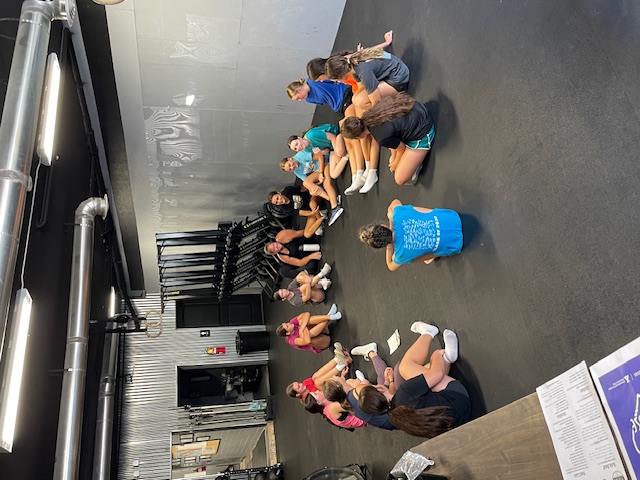
Have questions about nutrition for your CrossFit training? Talk to one of our coaches at CrossFit Port Clinton — we're here to help you perform at your best.


.png)
















































.jpg)