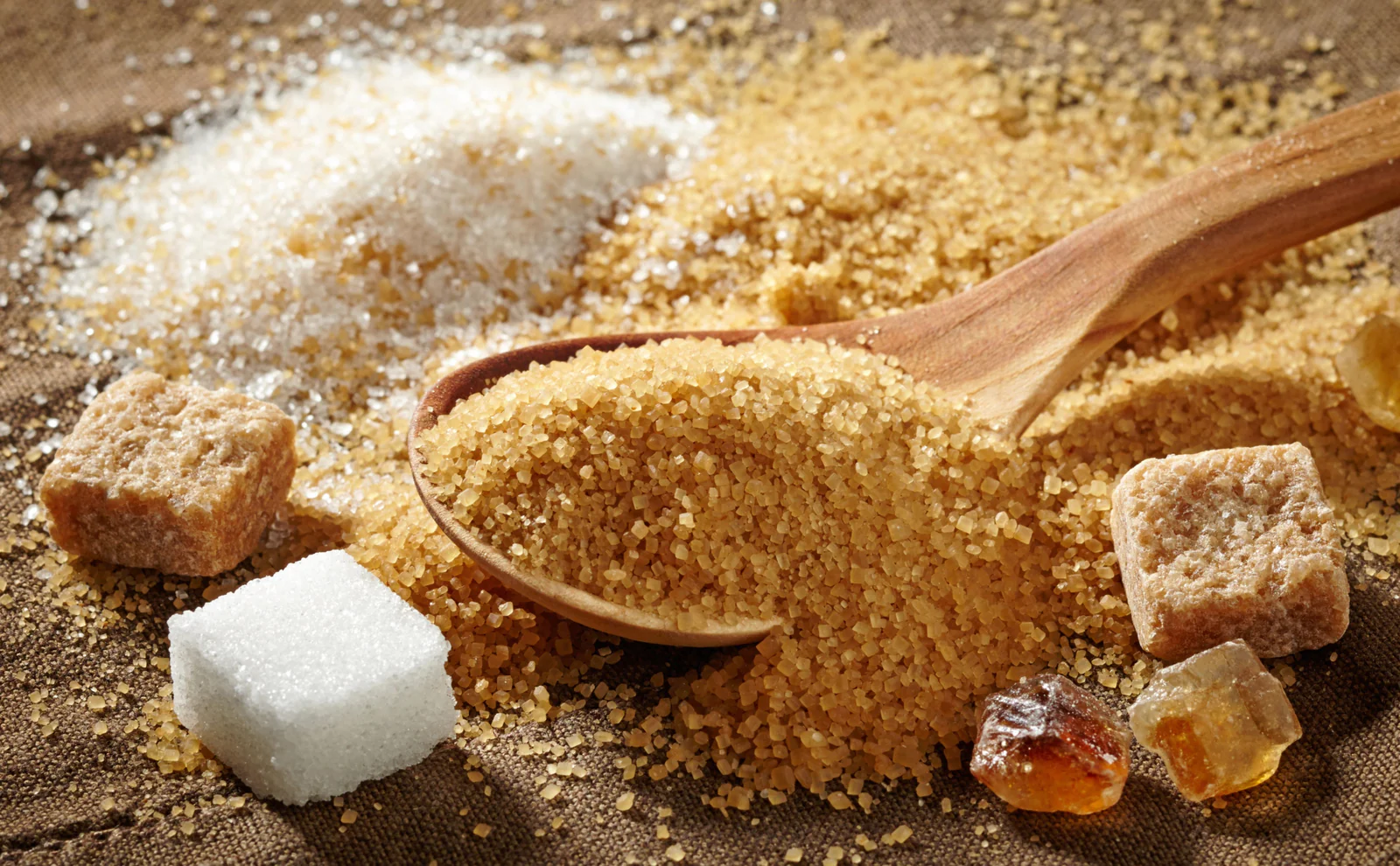

A member asked me this week if I eat sugar.
I told them yes.
And then I told them everything I'm about to tell you.
About 90% of the time I try to stay away from it.
I try not to keep it in the house. I try not to be near it.
Because when I'm near it, I can't stop.
One piece of candy becomes the bag. One donut becomes twelve. That's not an exaggeration — that's my actual experience, and if you're reading this, there's a decent chance you know exactly what I'm talking about.
That's what sugar addiction looks like. Not the dramatic version. The quiet, daily version that most of us are living with and calling normal.
Nobody tells a cocaine addict: just have a little. Be strategic about it.
We don't say that because the advice doesn't work. When something is addictive enough to hijack your behavior, the answer isn't moderation. The answer is removal.
I'm not saying you're a cocaine addict because you ate a candy bar.
I'm saying: we treat sugar with a softness we wouldn't extend to any other substance that does what sugar does to your body at scale.
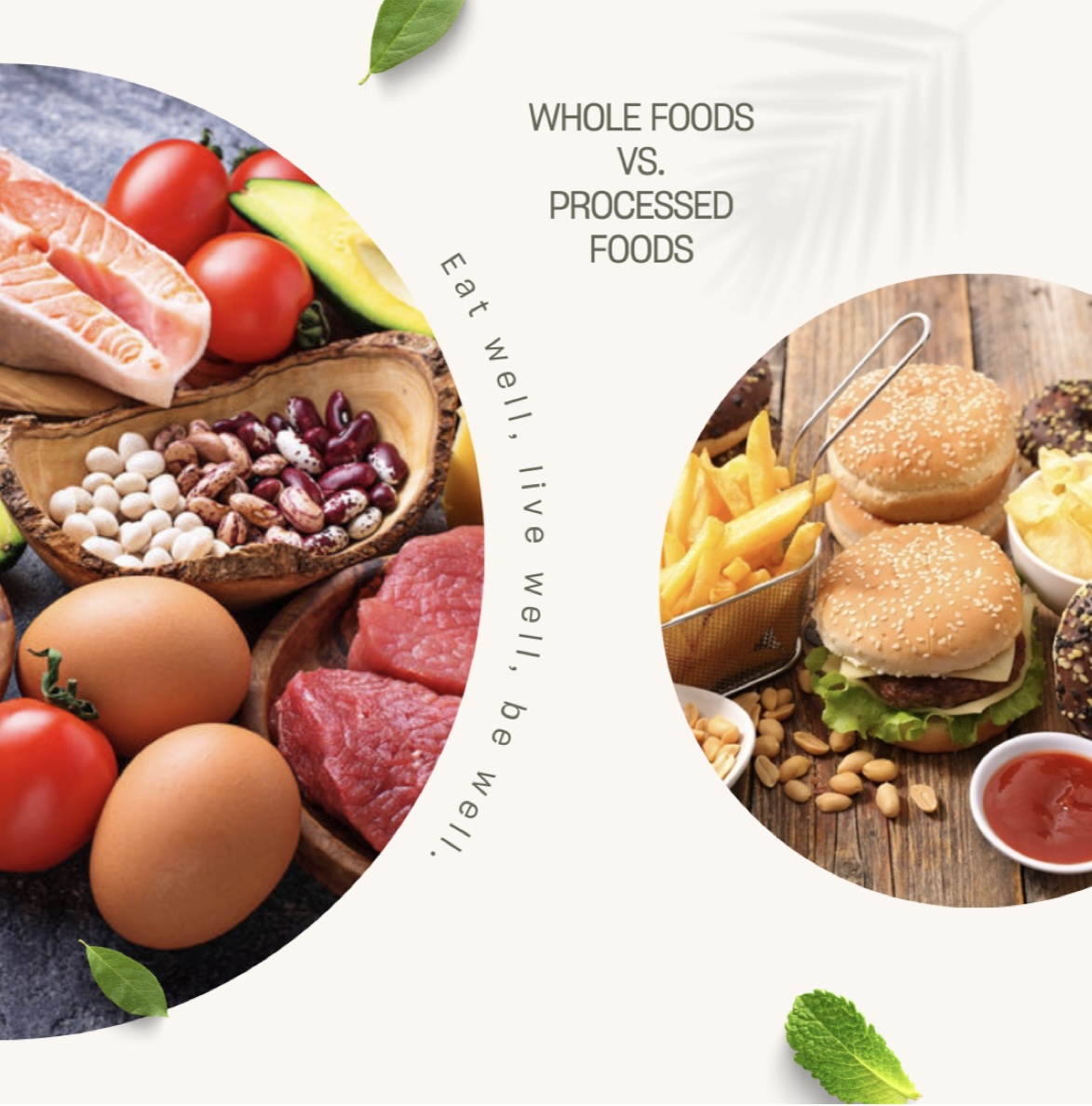
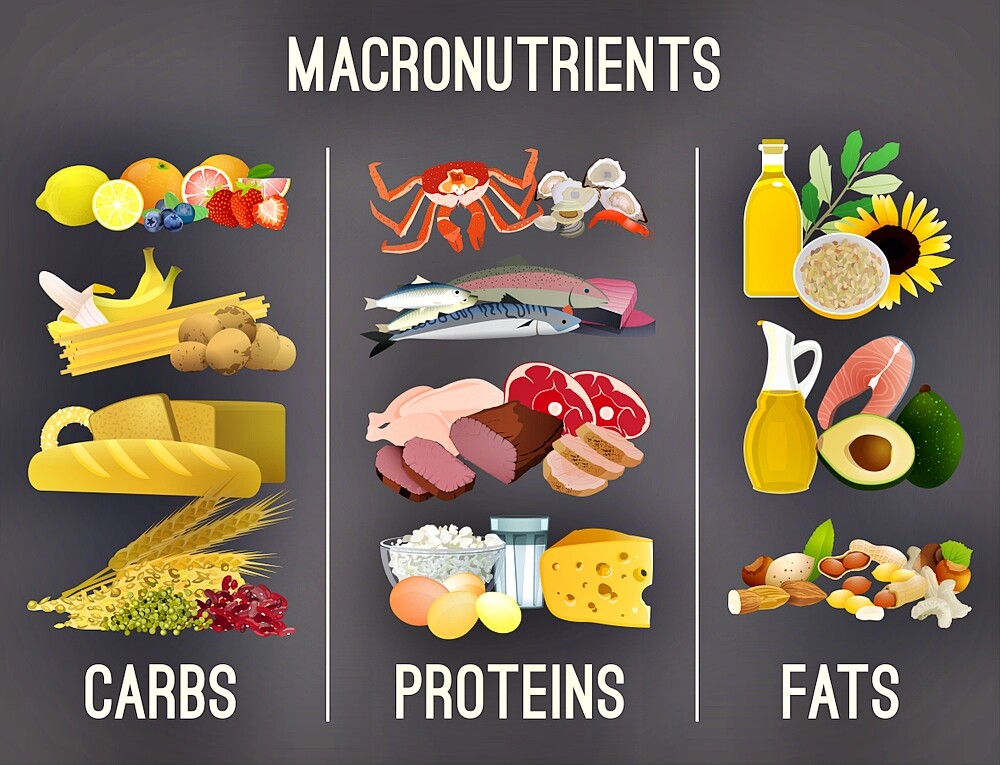
Chronically high sugar and processed carbohydrate intake is directly linked to type 2 diabetes, heart disease, cancer, Alzheimer's, and kidney disease. The list goes on. The research is not nuanced on this.
When you eat it, you are choosing to put a toxin in your body. That is the accurate description.
You don't have to stop entirely. But you should at least be honest about what's happening.
Here is the simplest version of the physiology.
You eat sugar or processed carbohydrates. Your blood glucose spikes. Your pancreas releases insulin to clear the glucose out of your blood. Insulin does its job — but elevated insulin also signals your body to store fat. So as long as insulin is elevated, you are in storage mode, not burning mode.
This is why people who eat a lot of sugar and refined carbs struggle to lose weight even when they're eating less. It's not just about calories. It's about the hormonal environment you're creating.
Now go the other direction.
You cut the sugar. You pull back the processed carbs. Blood glucose levels drop. Insulin drops with it. Now your body has the signal it needs to access stored fat for fuel. The scale starts moving. Energy stabilizes. Hunger normalizes.
That's it. Not magic. Just removing the thing that was blocking the process.
I'll call him Ed.
Ed knew exactly what he needed to do. He'd read about it. He'd talked about it. He'd started and stopped probably five times.
He knew. He just wasn't doing it.
We sat down and talked through what was actually in the way. We put accountability around it. He cut the sugar and pulled back on carbs.
Thirty days later he'd lost ten pounds.
He told me: I knew what to do the whole time.
I hear that more than anything else.
People don't need more information. They need accountability. They need someone to check in. They need a plan that belongs to them specifically, not a generic list they found online.
That's what a nutrition coach is for.
I still eat sugar sometimes. I still drink alcohol sometimes.
You won't see me posting about it.
That's a deliberate choice.
I'm a nutrition coach. When I broadcast my donut, I'm implicitly telling people it's fine. And while one donut won't kill you, the pattern that one donut enables for a lot of people is not fine.
I know what I'm choosing when I eat it. I'm not going to signal to other people that it's a healthy habit worth celebrating.
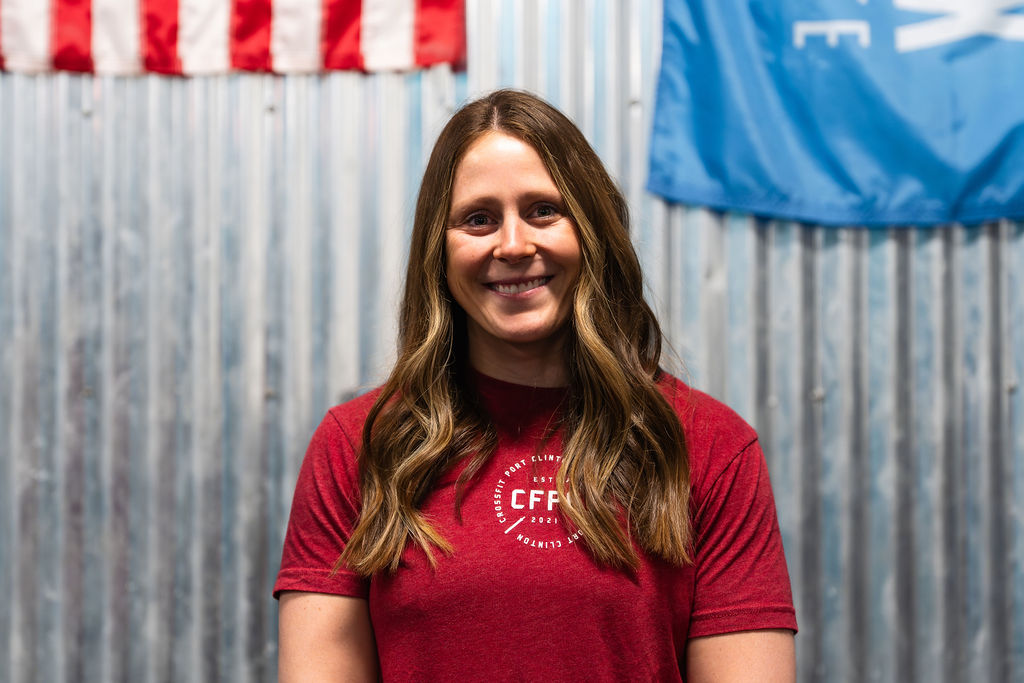
If you're the person who knows what to change but keeps not changing it, I want to sit down with you.
Not to judge you. I eat donuts.
But to figure out what's actually in the way and help you start.
Book a free No Sweat Intro at crossfitportclinton.com.
No workout. No sales pitch. Just a real conversation about what you need.



.png)

















































.jpg)