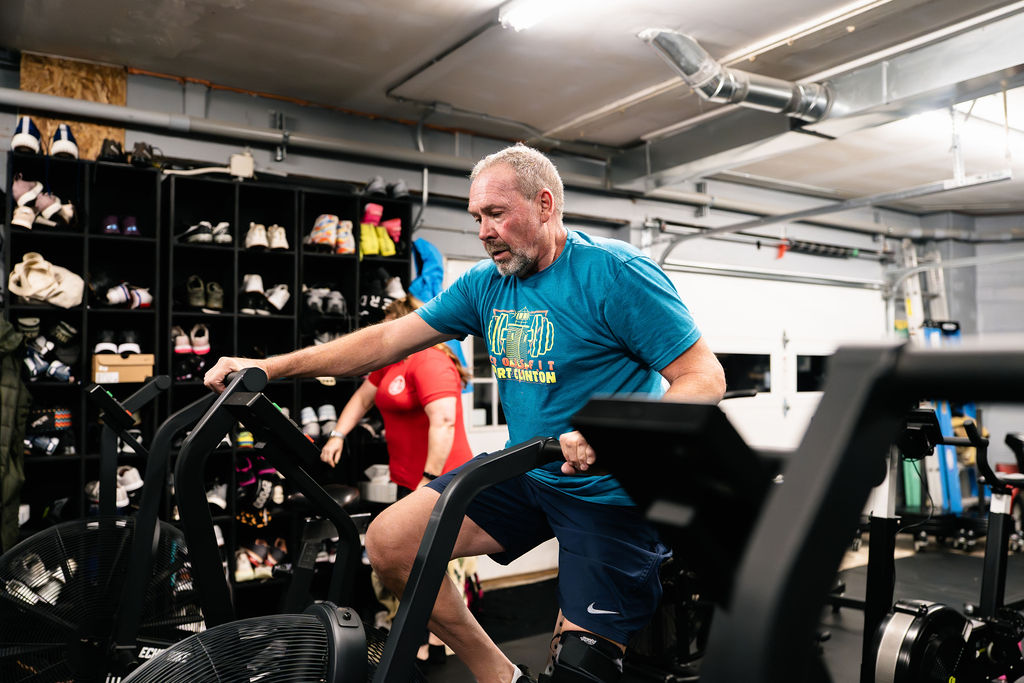

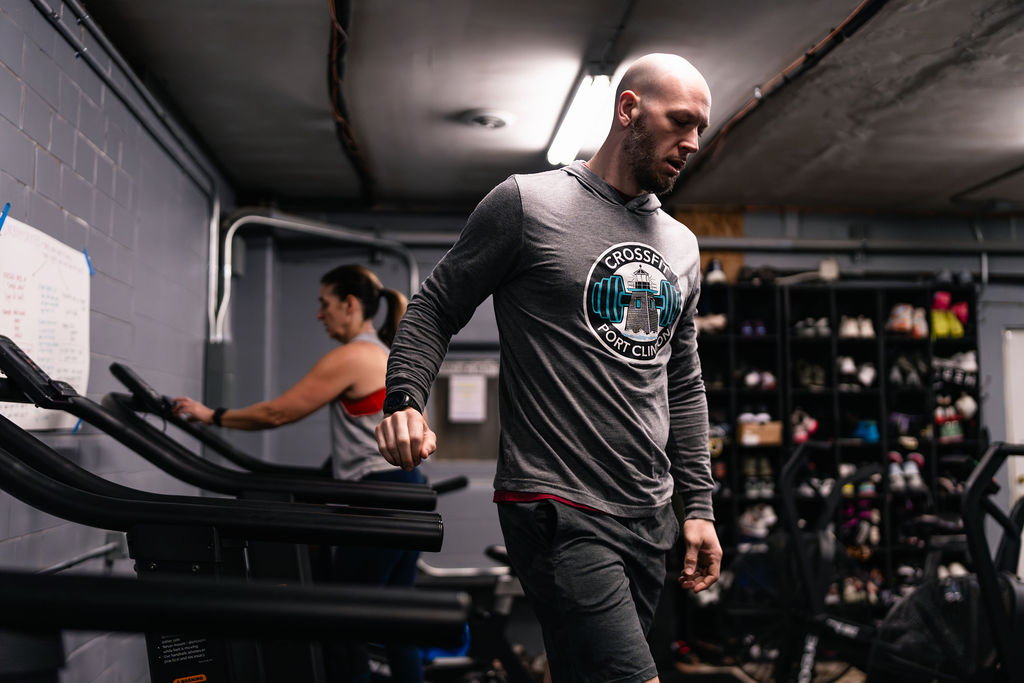
Walk into CrossFit Port Clinton on any given morning and you'll see them on wrists and fingers everywhere — WHOOP bands, Oura rings, Apple Watches, Garmin devices. Wearable fitness technology has gone from a gadget for elite athletes to mainstream equipment for everyday CrossFitters, and 2026 has been a breakout year for the category.
WHOOP just closed a $575 million funding round at a $10.1 billion valuation. Oura was named the official wearable of Team USA for the LA28 Olympics. Nearly half of U.S. adults now own a fitness tracker or smartwatch. Wearable technology has held the number one spot on the ACSM's Worldwide Fitness Trends list for years running.
But here's the question worth asking honestly: does any of this data actually make you fitter? Or is it just expensive anxiety on your wrist?
The answer, with some important caveats, is: yes — if you use it right.
The wearable landscape has evolved well beyond counting steps and calories. Today's leading devices are measuring things that genuinely matter for training and recovery:
Heart Rate Variability (HRV) is the variation in time between your heartbeats, and it's one of the most reliable indicators of how recovered your nervous system is. A high HRV means your body is ready to perform. A low HRV means it needs rest. For CrossFit athletes doing high-intensity work multiple days per week, HRV data can be the difference between a breakthrough training session and digging yourself into a hole.
Sleep tracking has become remarkably accurate. Devices like the Oura Ring now show 94% agreement with clinical sleep studies for sleep stage detection. Knowing how much deep sleep and REM sleep you're getting — and what's disrupting them — gives you actionable data on the single most important recovery tool available.
Recovery scores pull together HRV, sleep quality, resting heart rate, and other variables to give you a daily readiness number. WHOOP's recovery score system, which it built its reputation on with elite athletes from CrossFit competitors to NFL players, tells you whether today is a day to push hard, go moderate, or prioritize active recovery.
Cumulative stress is a newer metric from Oura that tracks how stress accumulates and clears from your body over weeks — not just day to day. For busy adults managing work, family, and training, this longer view is often more useful than any single day's score.
There's no universal answer, but here's an honest breakdown of the most popular options:
WHOOP is the top choice for serious CrossFit athletes who want to optimize training. Its strain and recovery system was built around high-intensity sport, and its ability to quantify the cumulative stress of varied, intense workouts and guide daily training decisions is hard to beat. It tracks continuously, charges while you wear it, and its coaching insights are genuinely actionable. If you train five or more days a week and want to know when to push and when to pull back, WHOOP is purpose-built for you.
Oura Ring is the best option for members who prioritize sleep and recovery tracking and want something discreet. Its sleep accuracy is best-in-class, and its passive biometric data — temperature trends, heart rate, HRV — is excellent for spotting early signs of overtraining or illness. It's less focused on workout tracking and more focused on overall systemic health. For members in their 40s, 50s, and 60s who want a whole-body health view, Oura is an excellent choice.
Apple Watch is the right pick if you want an all-in-one device that handles fitness tracking alongside daily smartwatch functions. It's the most accessible option and offers solid health tracking for most people's needs. It doesn't go as deep as WHOOP or Oura on recovery metrics, but for members who want a capable tracker without a second device or subscription, it delivers real value.
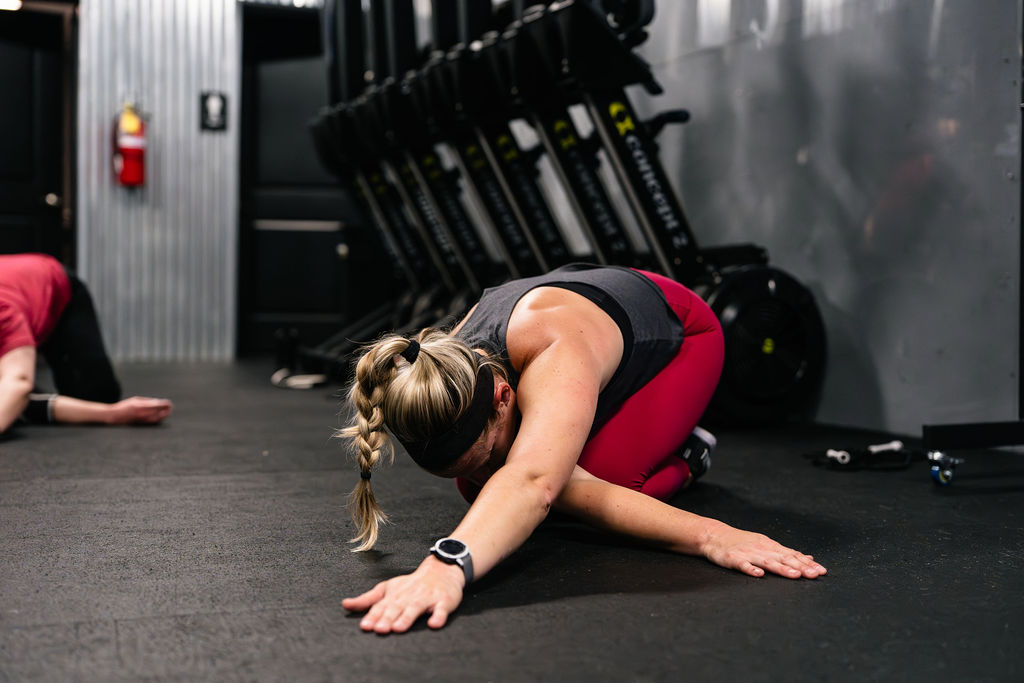
The risk with wearables — and our coaches see this — is that the numbers become the workout. Members who spend more energy analyzing their recovery score than actually showing up and training are missing the point. A WHOOP band doesn't make you fit. Showing up does.
The best use of this technology is as a conversation starter with your body, not a replacement for your own intuition. When your score says you're well-recovered and you feel great, that's a green light to push hard. When it says you're under-recovered and you feel run-down, that's permission to scale back without guilt.
Used that way — as a guide, not a governor — wearable technology is a genuinely powerful training tool. And for our members who are balancing demanding lives alongside their training, having data that helps you make smarter decisions about your body is well worth the investment.
Pay attention to the trends, not the daily numbers. One bad recovery score means nothing. Two weeks of declining HRV with poor sleep means something. The signal is in the pattern.
And if you're in the market for a tracker and not sure where to start, ask a coach. We see these devices in action every day and can help you figure out which one fits your training goals and lifestyle.
.png)






















.jpg)