We talk a lot about reps, sets, and PRs — but one of the biggest performance levers in your entire week has nothing to do with the gym floor. It's sleep. And it's quickly becoming one of the most talked-about topics in fitness, for good reason.
Every hard workout you do creates a stimulus — a signal to your body that it needs to get stronger, more efficient, more resilient. But the workout itself isn't where that adaptation happens. It happens afterward, primarily during sleep, when your body repairs muscle tissue, regulates the hormones responsible for recovery and appetite, consolidates the mental focus you'll need for your next session, and resets your nervous system. Skimp on sleep, and you're leaving results on the table no matter how hard you train.
There's a real shift happening across fitness right now, away from hustle-culture messaging and toward what some coaches are calling "nervous system hygiene" — treating recovery, breathwork, and sleep as part of the training itself, not an afterthought. The most telling metric of fitness today isn't how much weight you can move; it's how quickly your heart rate returns to baseline after effort. That's a direct reflection of how well-recovered and regulated your nervous system actually is.
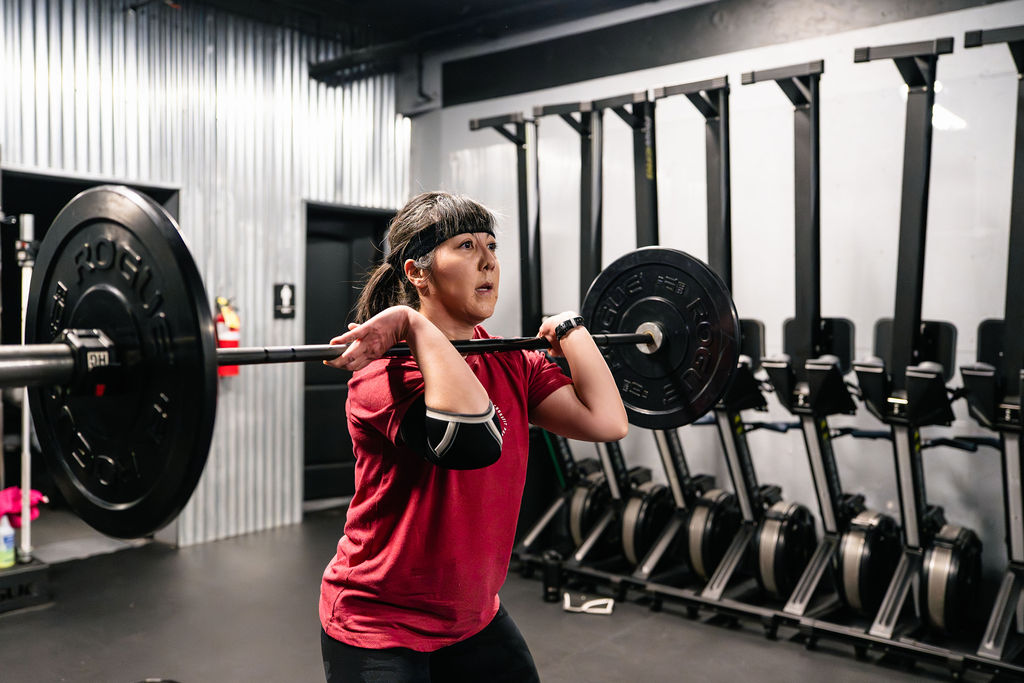
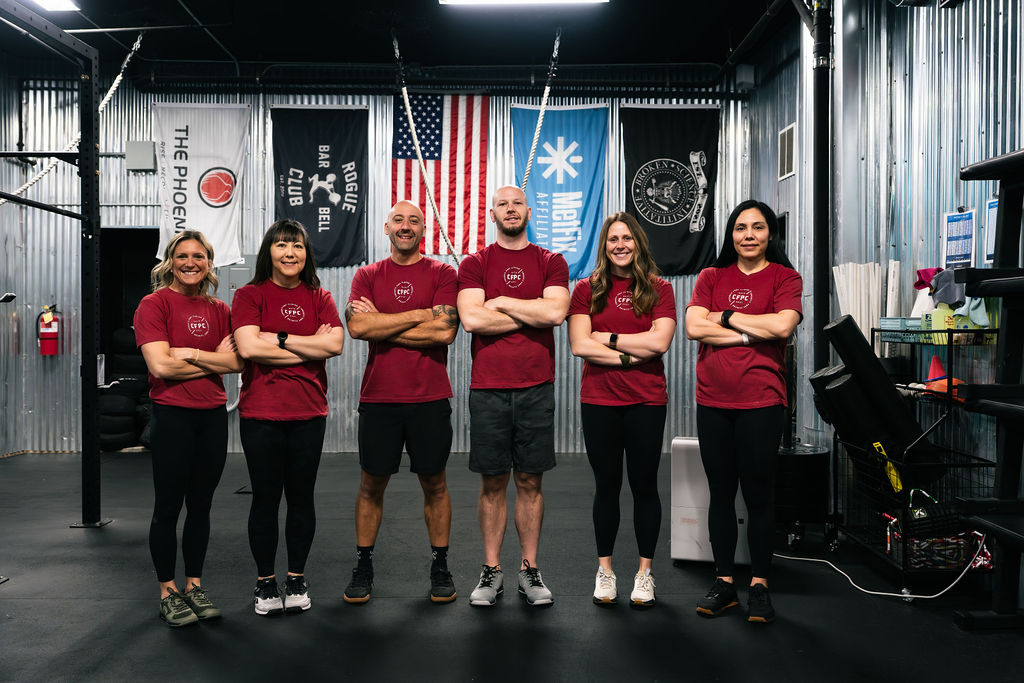
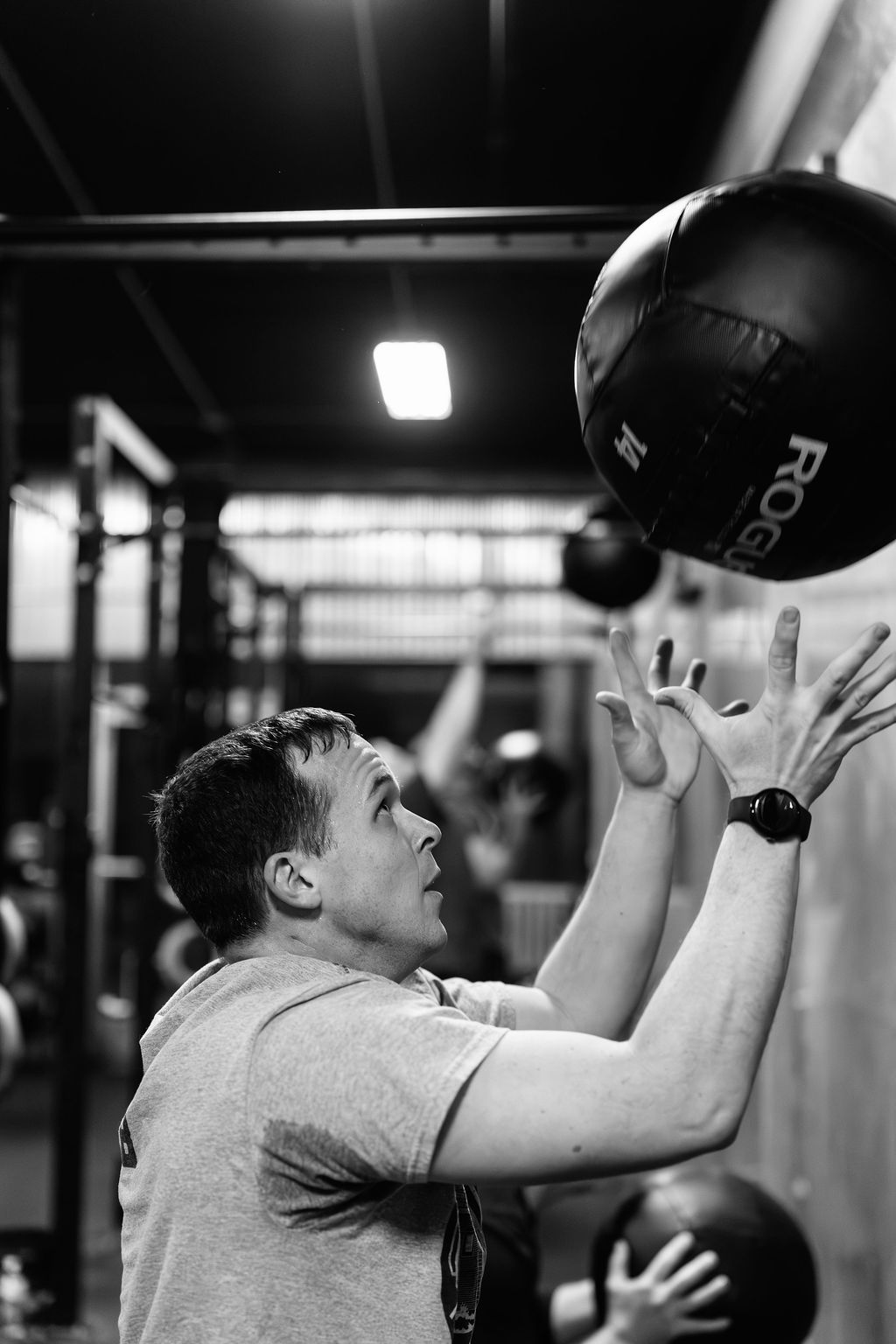
At CrossFit Port Clinton, we program intensity on purpose — every class is designed to push you appropriately. But we also coach our members on how to recover well between sessions, because that's where consistency actually comes from. That means paying attention to sleep quality, not just sleep duration; building in lower-intensity days; and recognizing the early signs of overtraining before they turn into burnout or injury. You can't out-train poor recovery, and burnout isn't a badge of honor — it's usually a sign the plan needs adjusting.
You don't need a complicated recovery protocol to see benefits. Consistent sleep and wake times, limiting screens for the last 30 minutes before bed, and simply paying attention to how you feel day to day can meaningfully improve both your recovery and your performance in the gym. Our coaches can help you figure out where your training-to-recovery ratio actually stands, and adjust from there.
If you've been pushing hard without much to show for it, the missing piece might not be more effort — it might be better recovery. Book a FREE No Sweat Intro at www.crossfitportclinton.com and let's talk about training AND recovering the right way.
.png)

















.jpg)