"I've heard exercise is risky."
"My doctor told me not to work out."
If you've spent any time online, you've seen this take, usually paired with a story about someone who got hurt lifting weights, running, or doing CrossFit. It's a fair worry, and it deserves a real answer instead of a dismissive one.
So let's actually look at it, because the research paints a very different picture than the headlines do.
The risk that rarely gets talked about: doing nothing.
The CDC estimates that physical inactivity contributes to roughly 1 in 10 premature deaths in the United States, and is tied to about $117 billion in annual health care costs. Nationally, close to 1 in 4 adults don't meet even the basic combined guidelines for aerobic and strength activity. And it's not just about weight or aesthetics. Long stretches of sedentary time are linked to higher rates of heart disease, type 2 diabetes, high blood pressure, certain cancers, and even cognitive decline later in life — and that risk shows up even in people who technically "work out" but are sedentary the other 20+ hours of their week.
A large 2025 meta-analysis in Frontiers in Public Health looked specifically at sedentary populations and found that structured exercise measurably improved cardiovascular disease risk factors — the very things a cautious doctor is often trying to protect a patient from in the first place.
In other words: the body doesn't have a "safe, do-nothing" setting. Muscle, bone density, cardiovascular capacity, and metabolic health are all things you either maintain through use, or lose through disuse. There's no neutral option.
It's not made up out of thin air. Injuries happen. But when researchers put a number on it, the picture looks a lot less alarming than the internet suggests.Multiple systematic reviews have found that CrossFit's injury rate — often cited as somewhere between 2 and 3.6 injuries per 1,000 hours of training — is comparable to Olympic weightlifting and powerlifting, and lower than recreational running, aerobic dance, and most team sports like soccer, basketball, and rugby. A 2018 review in the Journal of Sport Rehabilitation reached the same conclusion after comparing CrossFit against distance running, military conditioning, track and field, and gymnastics: injury rates were comparable or lower.
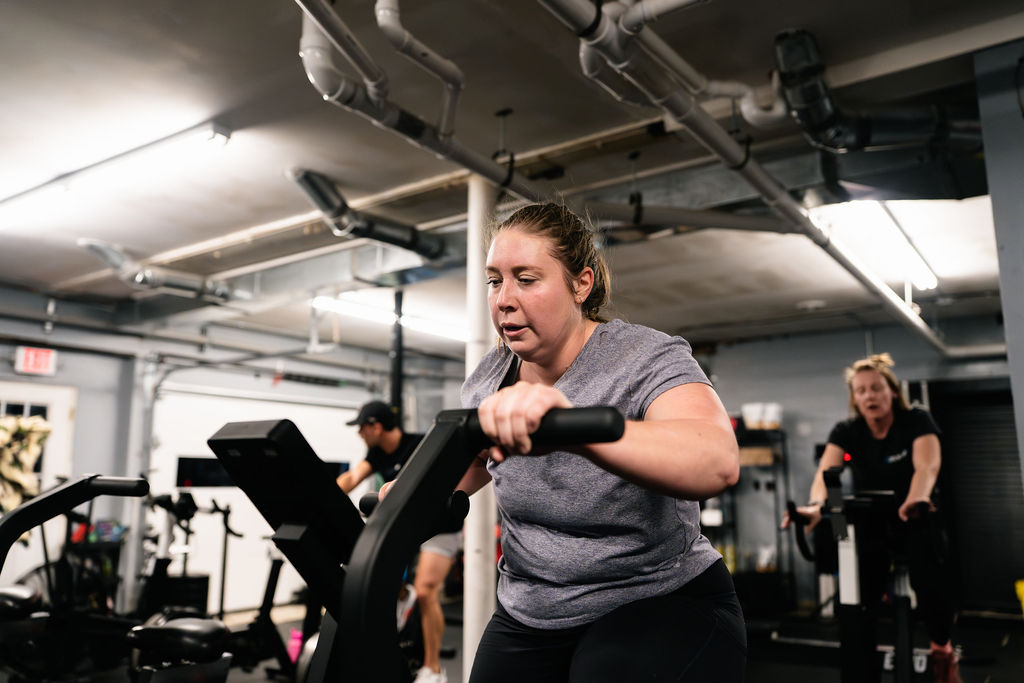
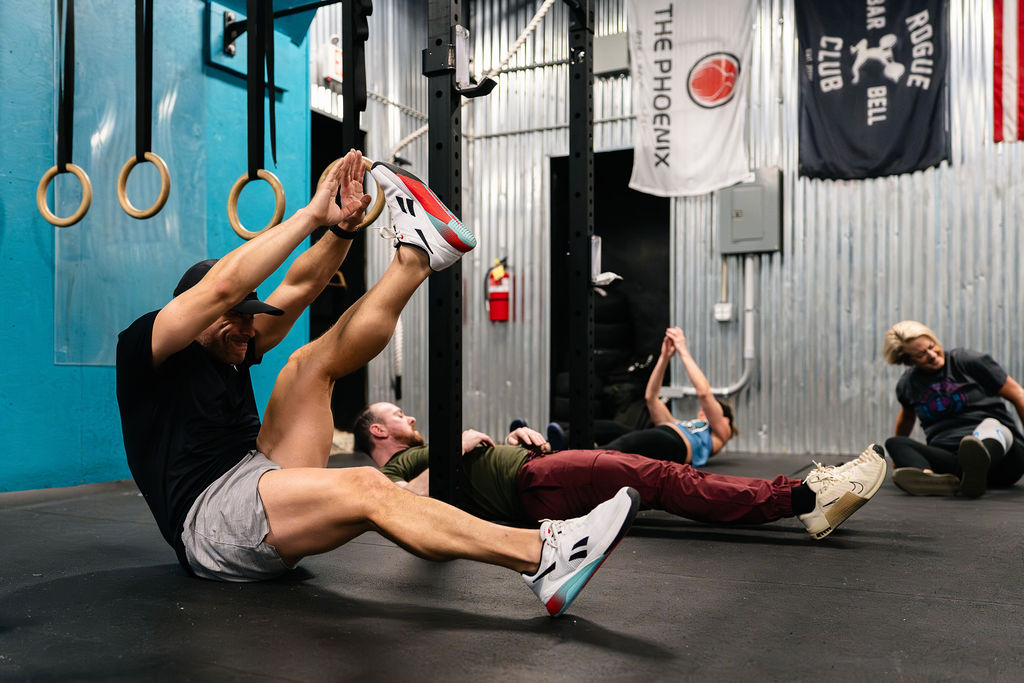
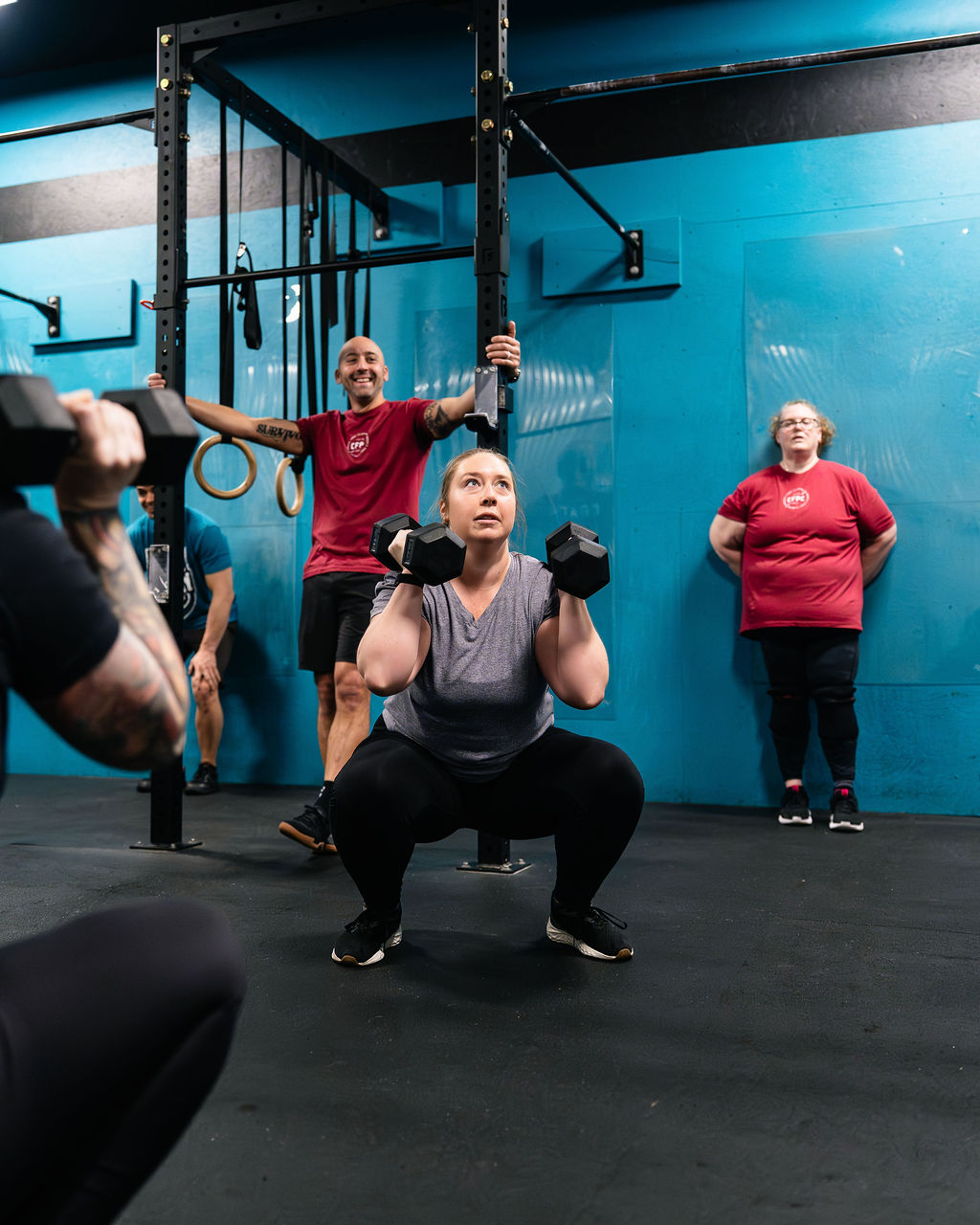
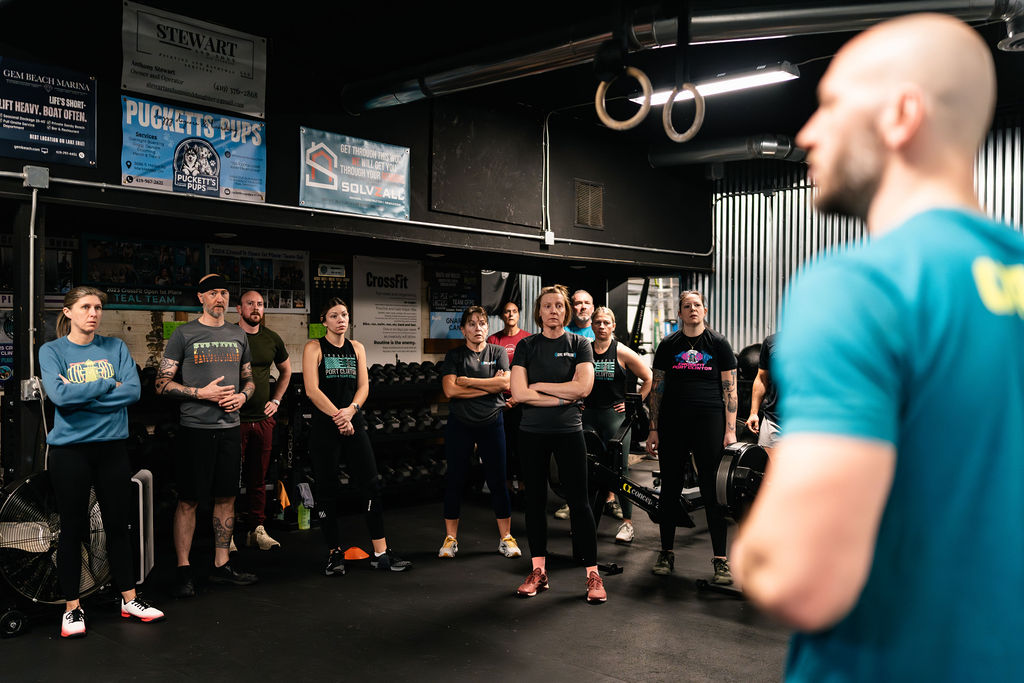
The nuance almost nobody includes in the scary headline: injury risk in any training program is heavily influenced by coaching quality, progression, and whether movements are scaled appropriately to the person doing them — not by the modality itself. A poorly coached, ego-driven workout is risky. A well-coached, appropriately scaled one is not the same thing, even if both get called "exercise."
This one matters, because we never want to talk anyone out of following real medical guidance. Sometimes a doctor genuinely restricts activity — post-surgery, an acute injury, an unstable cardiac event. That guidance should always come first, always.But far more often, what gets passed along informally as "don't exercise" was actually something more specific: don't run on that knee yet, avoid heavy overhead loading with that shoulder, ease back in gradually, get cleared before returning to high intensity. That's not a blanket ban on movement — it's a call for the right kind of movement, at the right intensity, with the right supervision. That's a very different message than "stay on the couch."
Every kind of movement carries some risk, just like driving a car, using a ladder, or walking down stairs does. But sitting still isn't the safe alternative it's made out to be — it's simply a different, quieter risk that adds up over years instead of showing up as a sprained ankle.
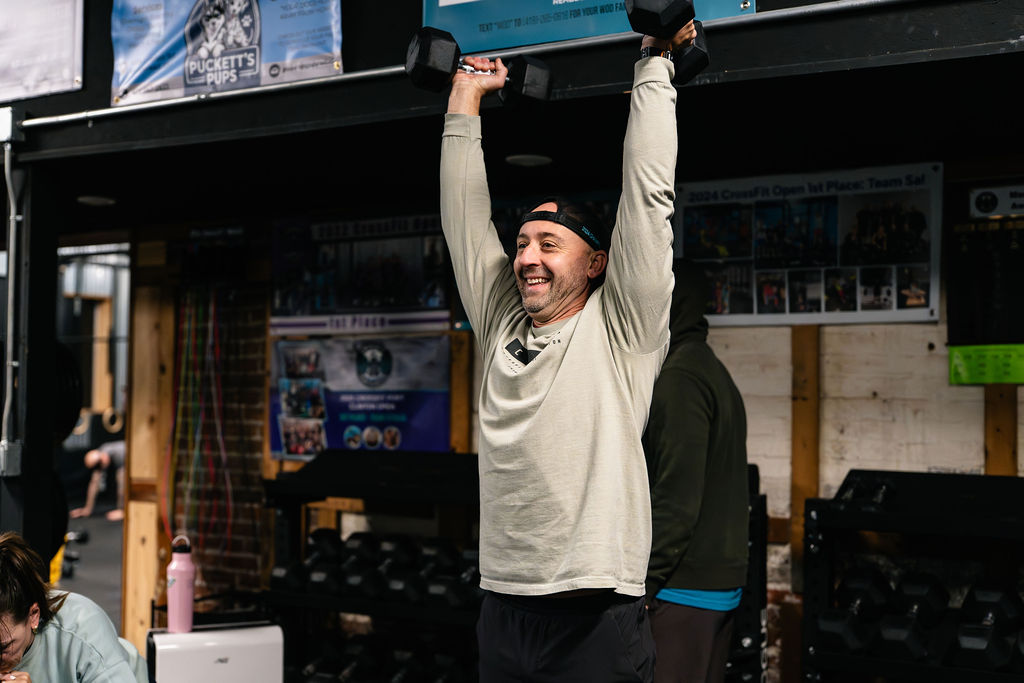
The research consistently shows that structured, well-coached exercise stacks up favorably against the alternative of inactivity, both in terms of how often people get hurt and in terms of long-term health outcomes.
If you're carrying a health concern, a past injury, or genuine hesitation about whether it's safe for you to start, that's exactly the conversation we want to have with you — not to talk you into anything, but to build a plan around where you actually are.
That's the whole idea behind a No Sweat Intro: no assumptions, no ego, just a real conversation about your body and your goals before you ever do a single rep.


.png)































.jpg)