
If you have ever told someone you were thinking about CrossFit, you have probably heard the line. "Isn't that how people get hurt?" Usually from a cousin who once pulled a muscle opening a pickle jar.
It is a fair question, and we are not going to wave it away. Any physical activity carries some risk. Running does. Pickleball does (ask anyone over 45 who has met a baseline). Sitting on the couch for ten hours a day does too, it just takes longer to send the bill.
So let's talk about it like adults: what the real risks are, what makes them bigger or smaller, and what a good gym does about them.
Studies looking at injury rates in CrossFit have tended to land in a similar range as other sports people do for fun, like Olympic weightlifting and gymnastics. When injuries do happen, the usual suspects are the shoulders and the lower back, and they most often trace back to the same few causes:
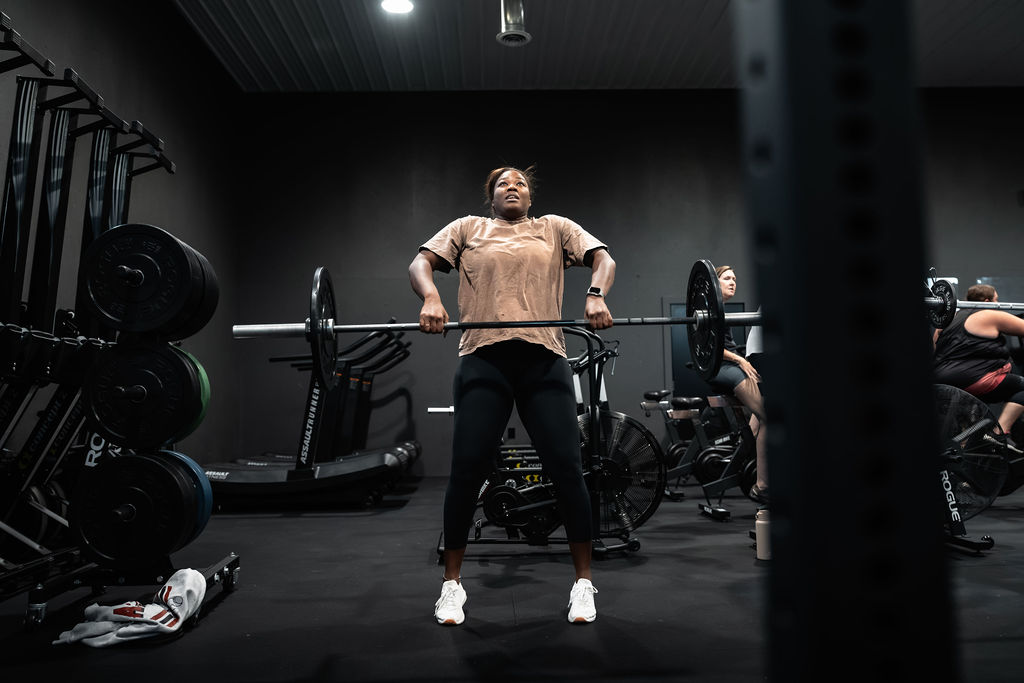
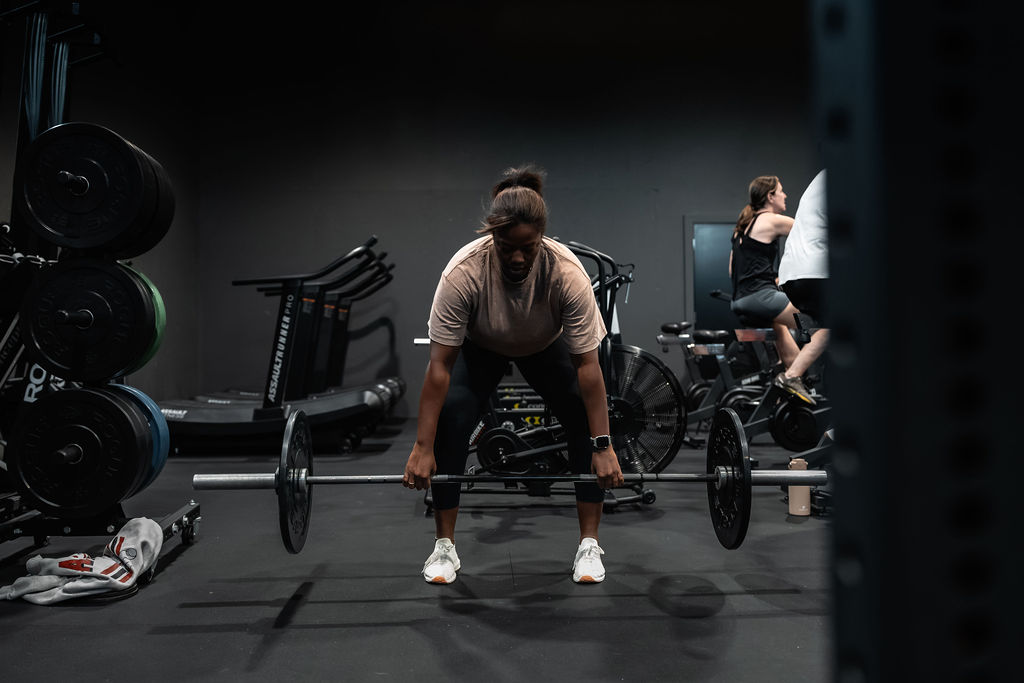
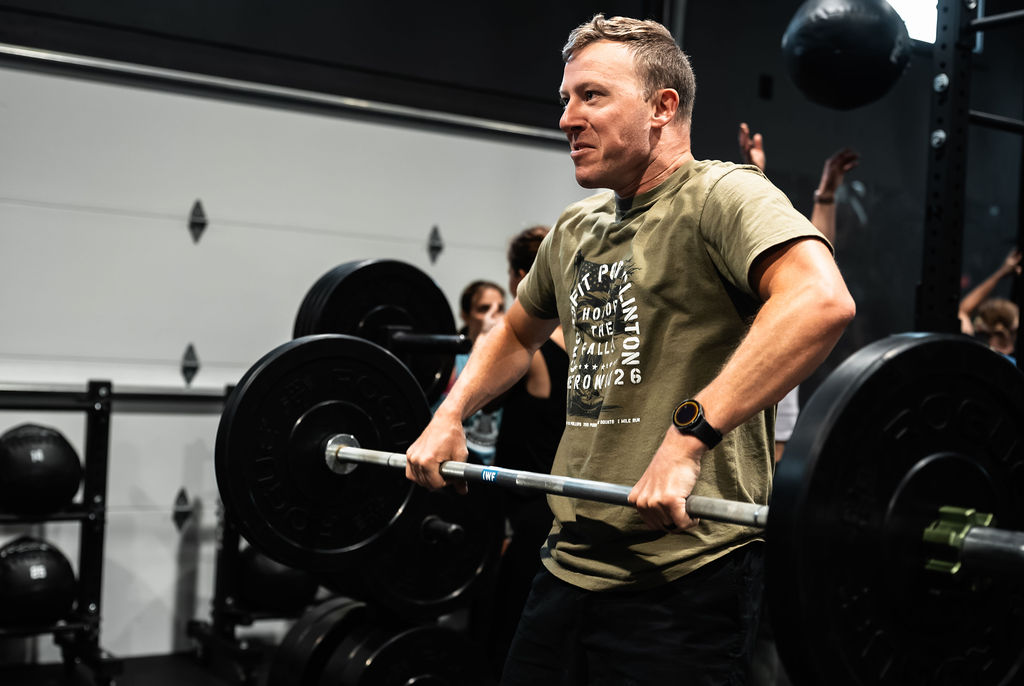
Notice what is on that list. It is mostly about how the workout is run, not about the movements themselves. A squat is a squat. What matters is who is watching you do it and what they do when your knees cave in.
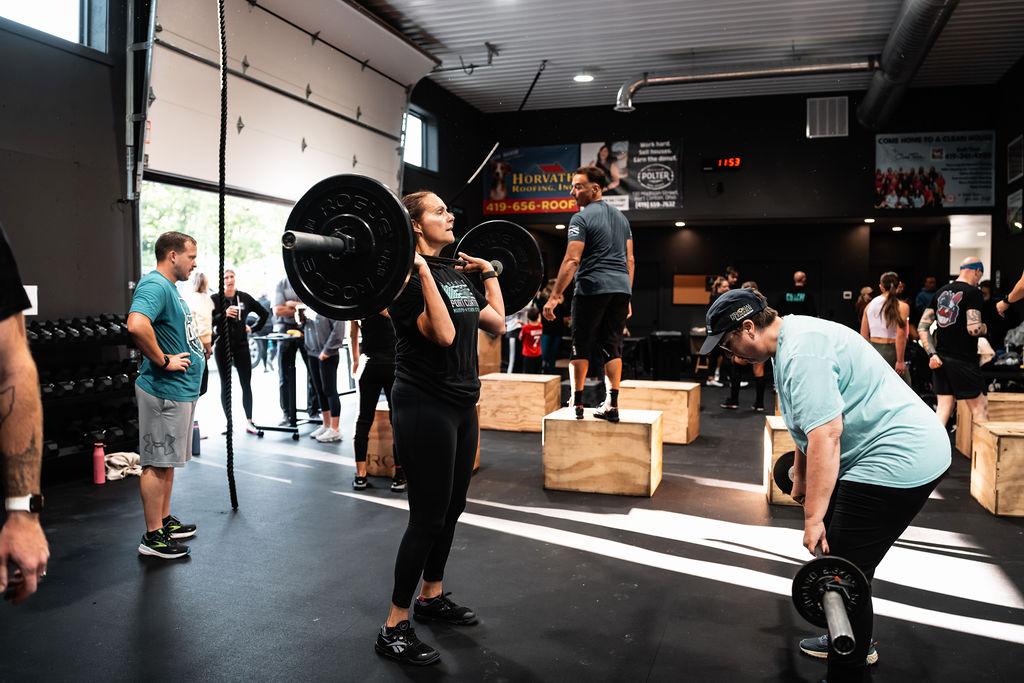
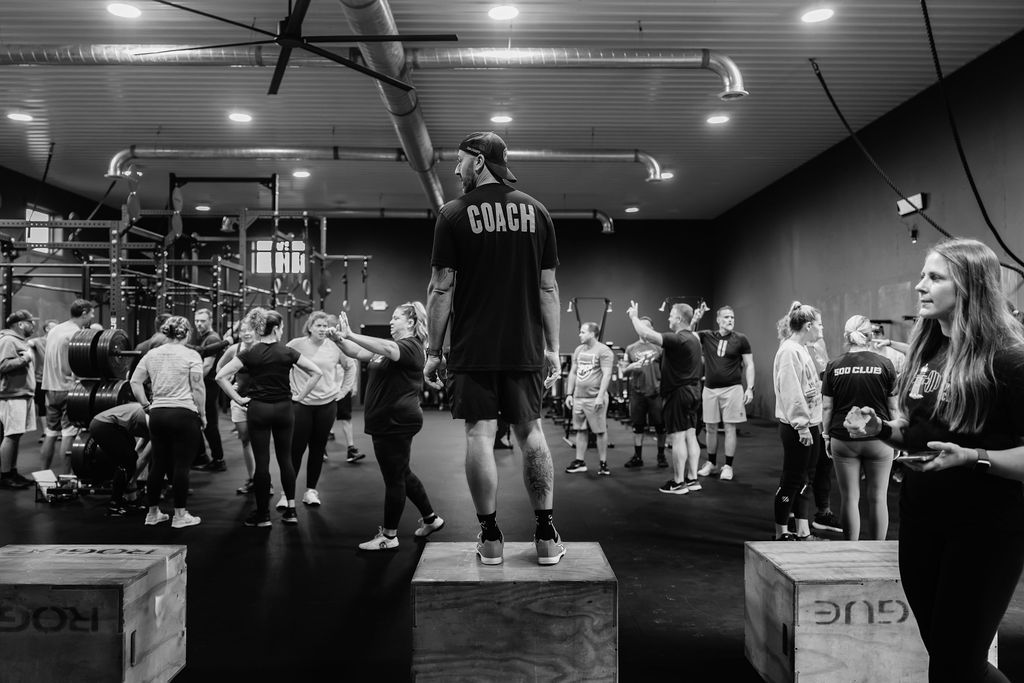
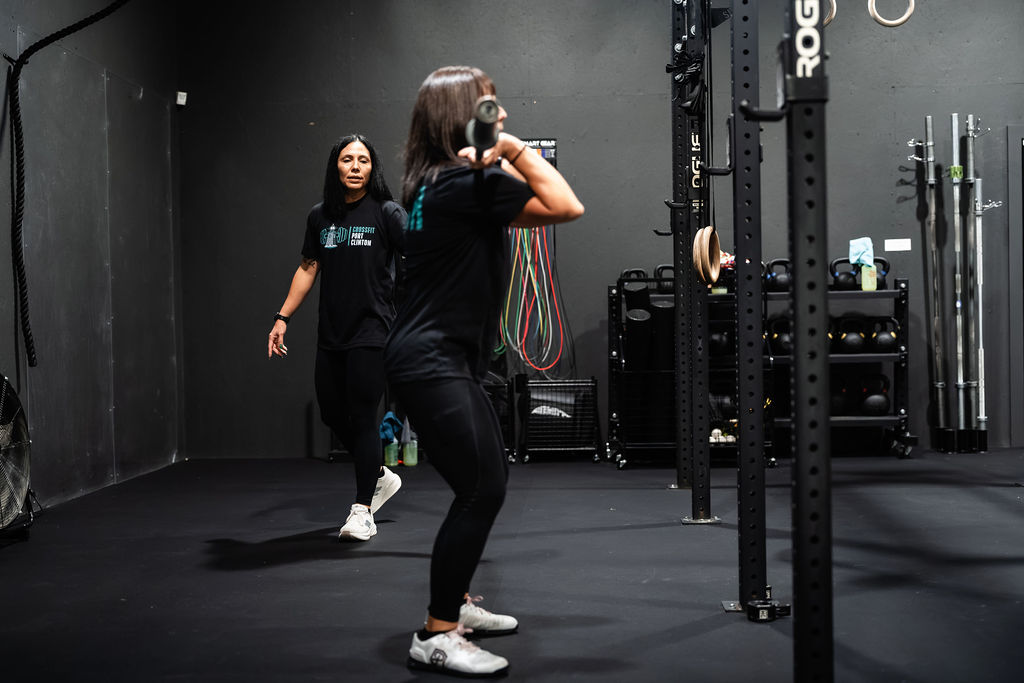
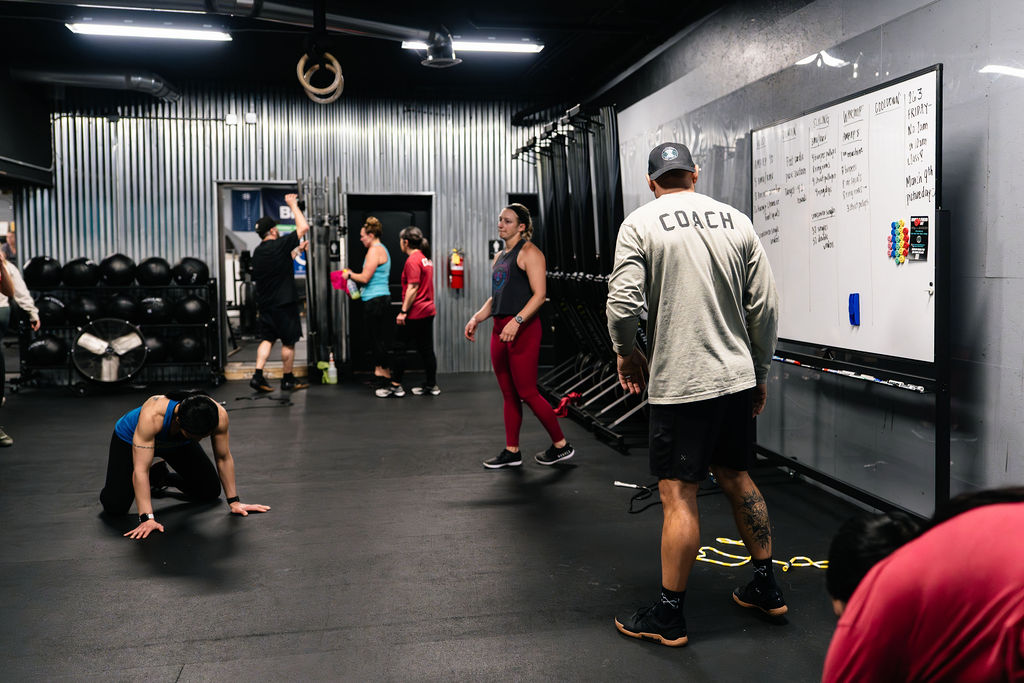
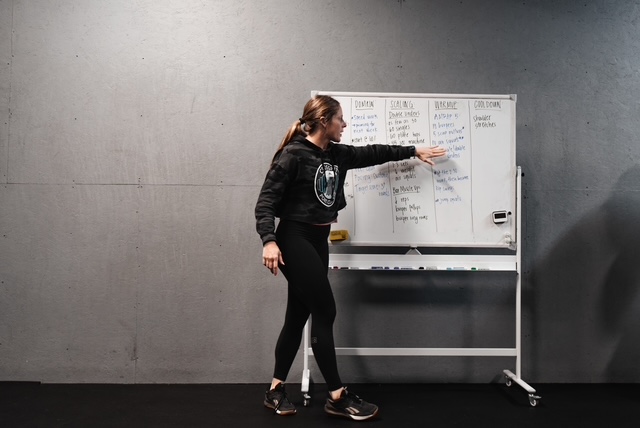
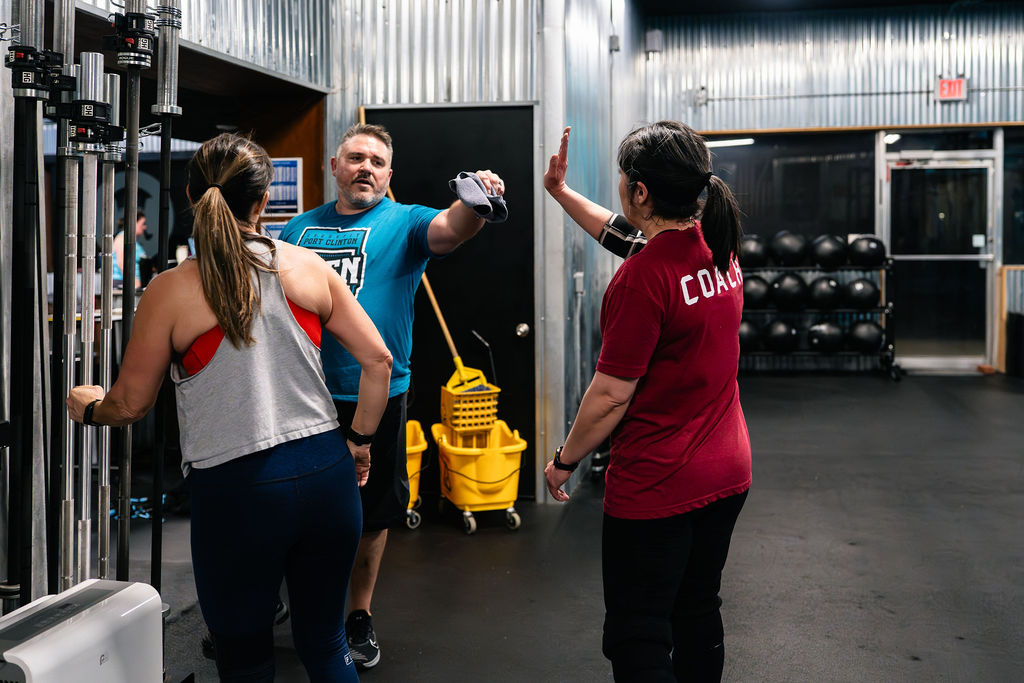
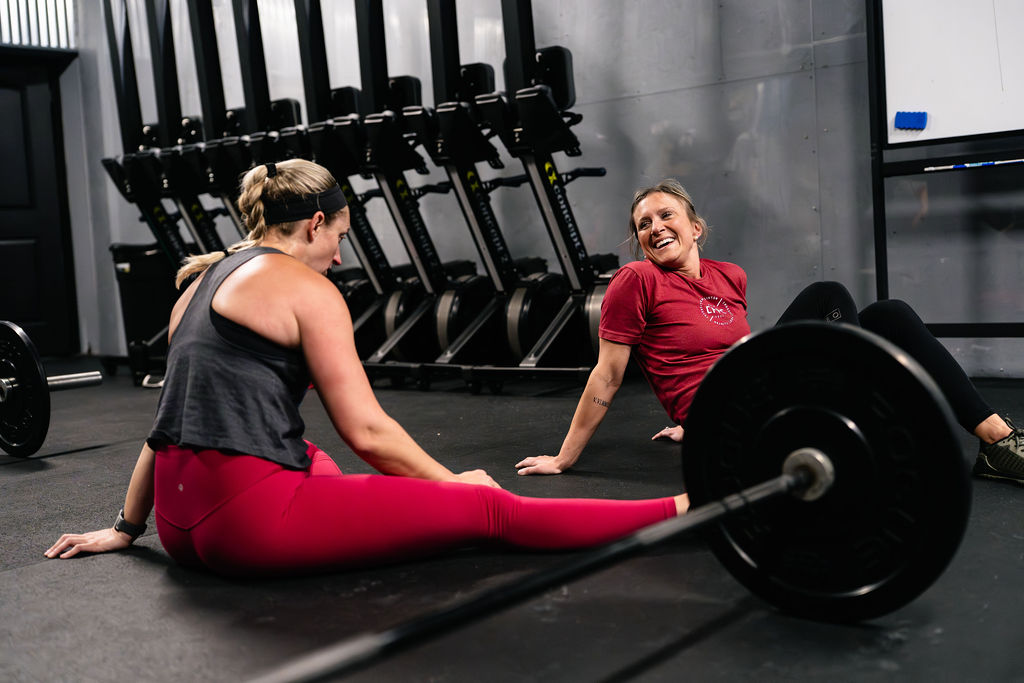
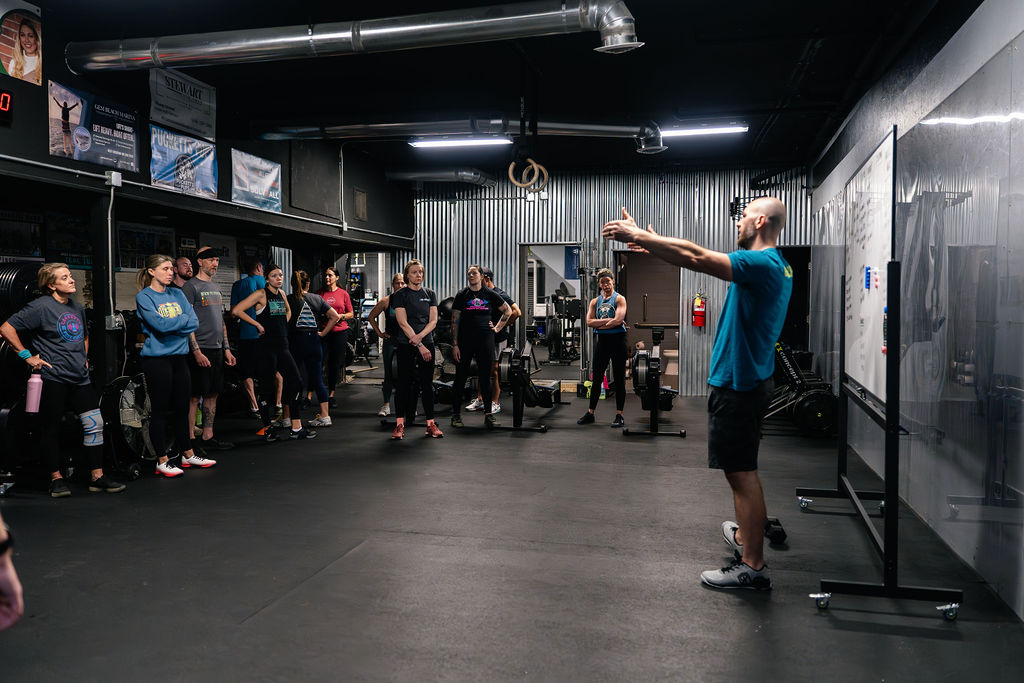
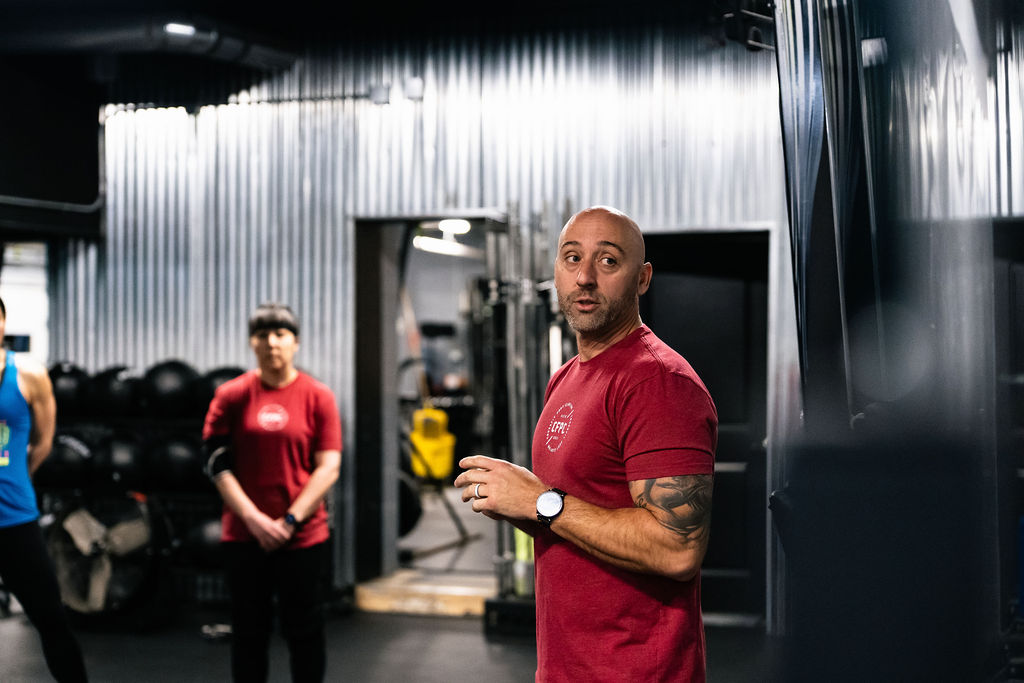
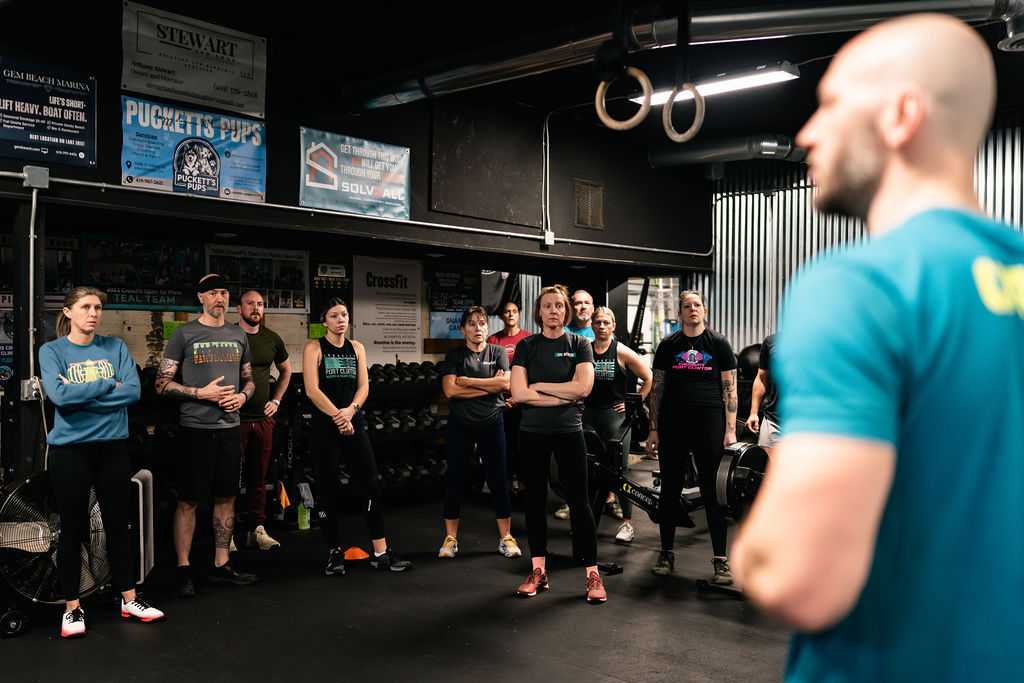
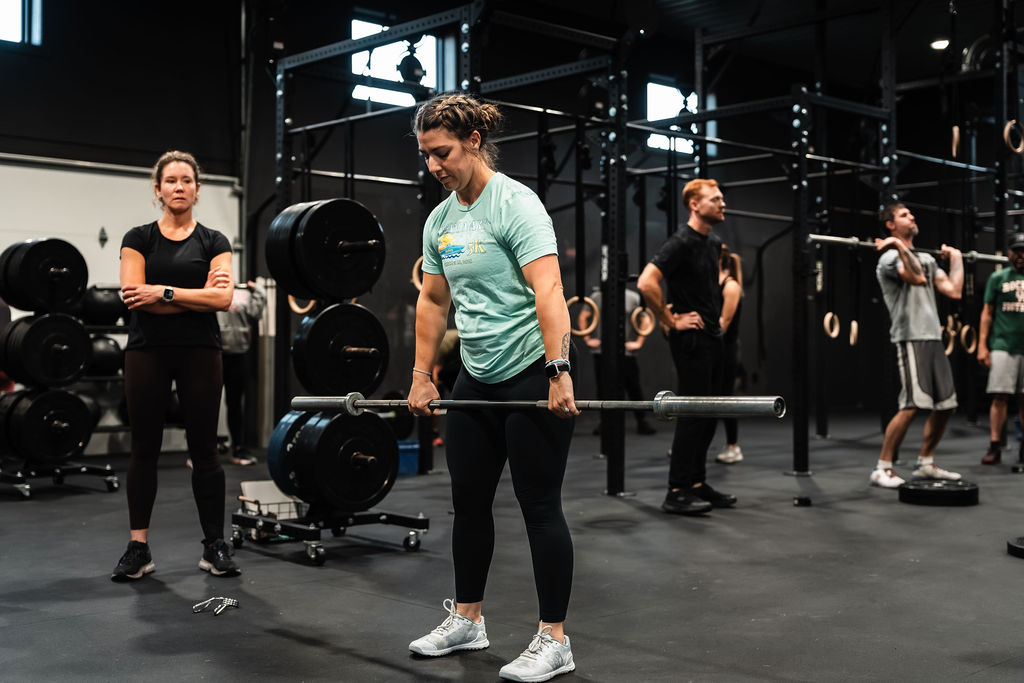
The safest part of a CrossFit gym is not the rubber flooring. It is the person at the front of the room with eyes on you.
A good coach does a handful of unglamorous things every single class:
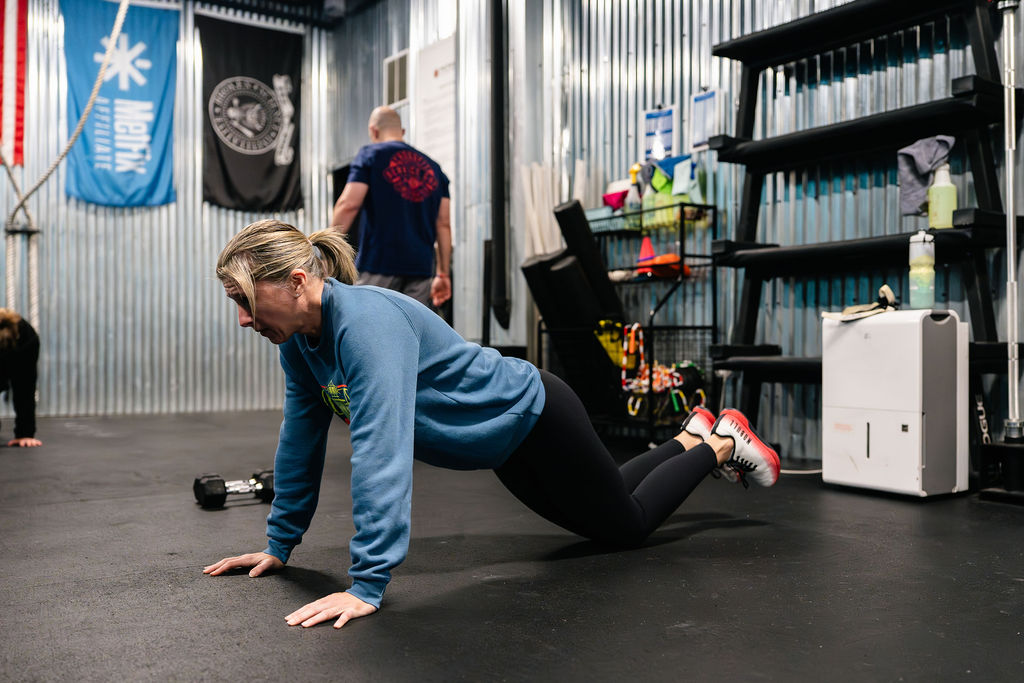
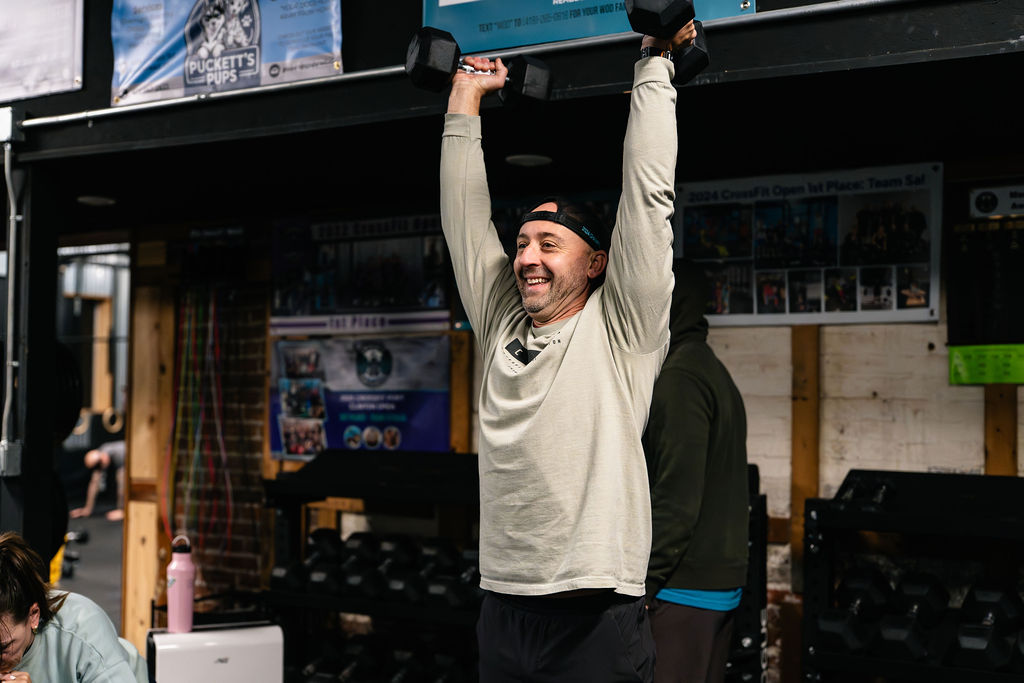
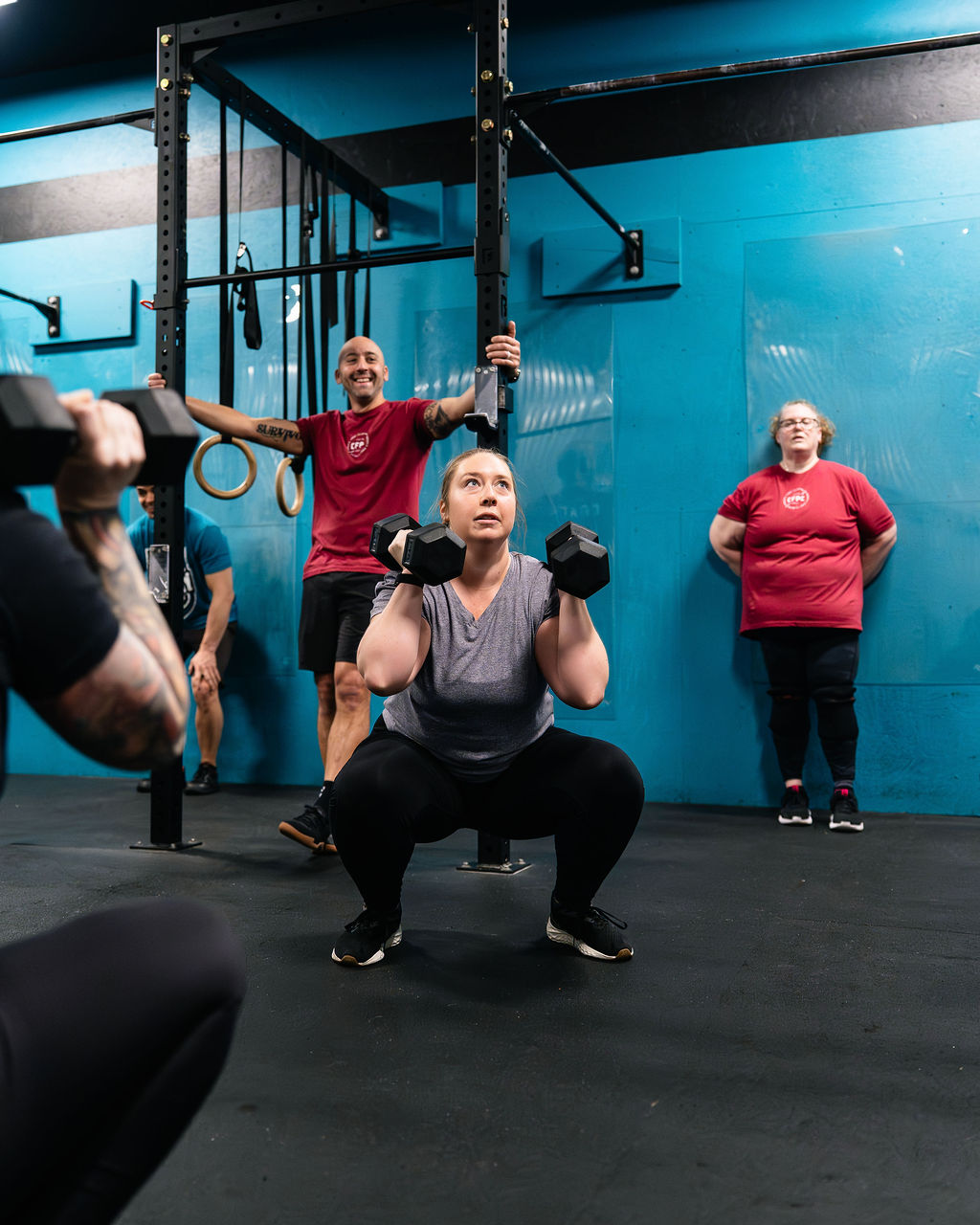
If you only remember one thing from this post, make it this one. Scaling is how the workout fits you. It is not a participation trophy. It is not the baby version. It is the right version.
Scaling can change a few different things:
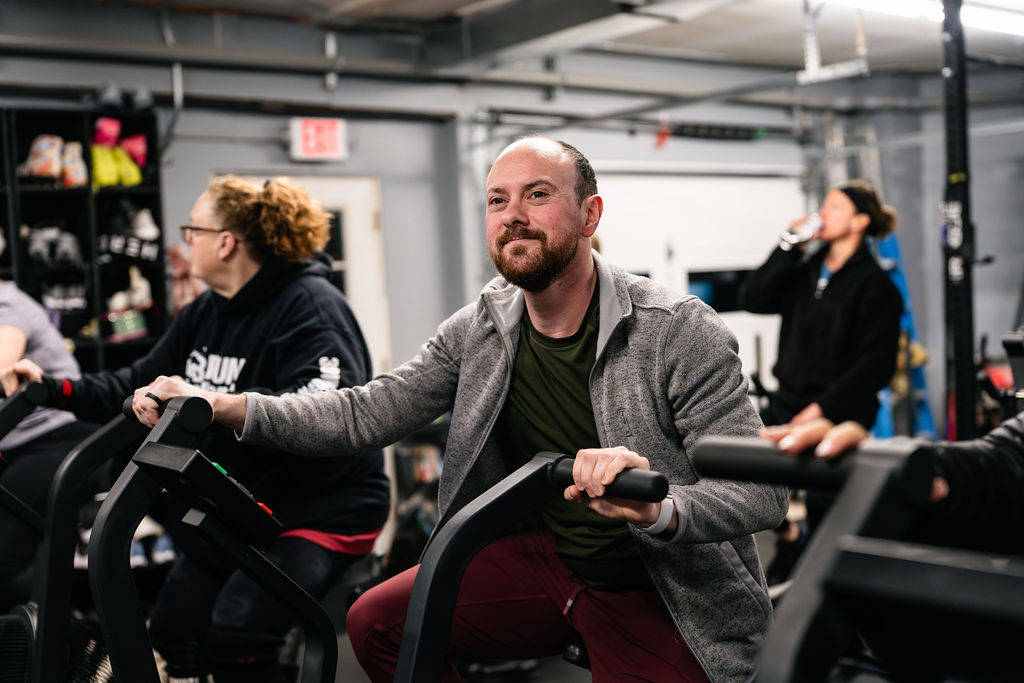
Here is a fun fact: the elite athletes you watch at the CrossFit Games scale too. They scale up. The goal is the same for them and for you: pick the challenge that gives you a great workout and good movement.
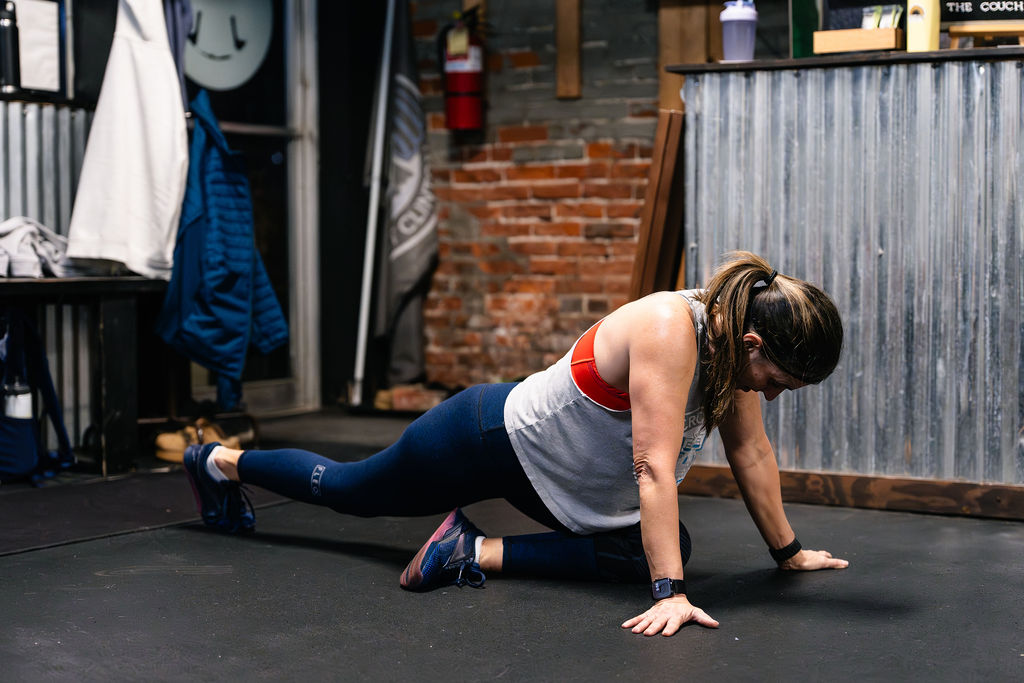
You do not need a perfect body to start. Most people who walk into our gym are carrying something: a cranky shoulder, a bad knee, a lower back that sounds like a bowl of cereal. That is normal, and it is exactly why a coach asks about it.
Tell us about it. We will give you options that work around it, and we will check in as you go. If you are managing a medical condition or recovering from surgery, talk to your doctor first and bring their guidance with you. A good coach will happily work with it.
Learning the difference is a genuine skill.
You are allowed to say "that does not feel right." In fact, we want you to. That is the whole point of having a coach.
We talk a lot about the risk of doing exercise. We talk much less about the risk of not doing it. Losing strength, balance, and energy as the years pile up has real consequences, and they are a lot more common than the occasional tweaked shoulder. For most people in their 30s, 40s, and 50s, moving regularly with good coaching is a net win for the long run, and it is a much better deal than waiting until things hurt to start.
Use this checklist when you are shopping around. It works whether you pick us or not, though we would obviously love it if you did.
You do not have to take our word for any of this. The best way to find out if CrossFit is safe and right for you is to meet the people who run it.
Book your free No Sweat Intro at www.crossfitportclinton.com. Bring your questions, your old injuries, and your sense of humor. We have snacks for the nerves, and by that we mean we will explain everything slowly.