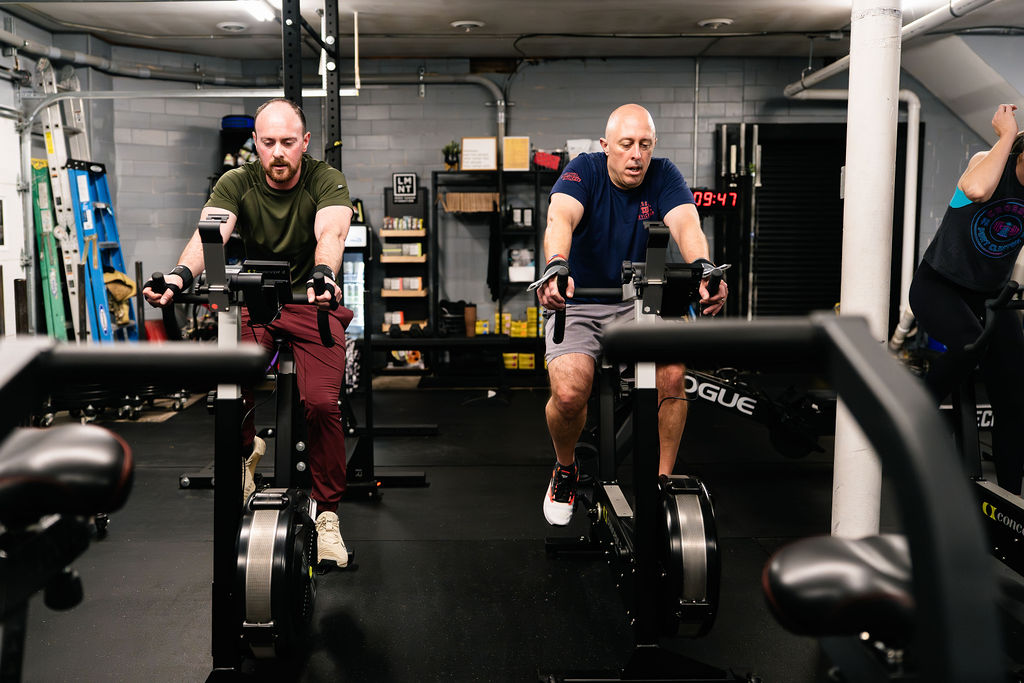

Quick quiz. What is the one kind of workout where going slower is the whole point?
Zone 2. And it is having a moment. Podcasts are talking about it. Your friend who owns a heart rate monitor will not stop mentioning it. It sounds scientific and a little mysterious, like a secret level in a video game.
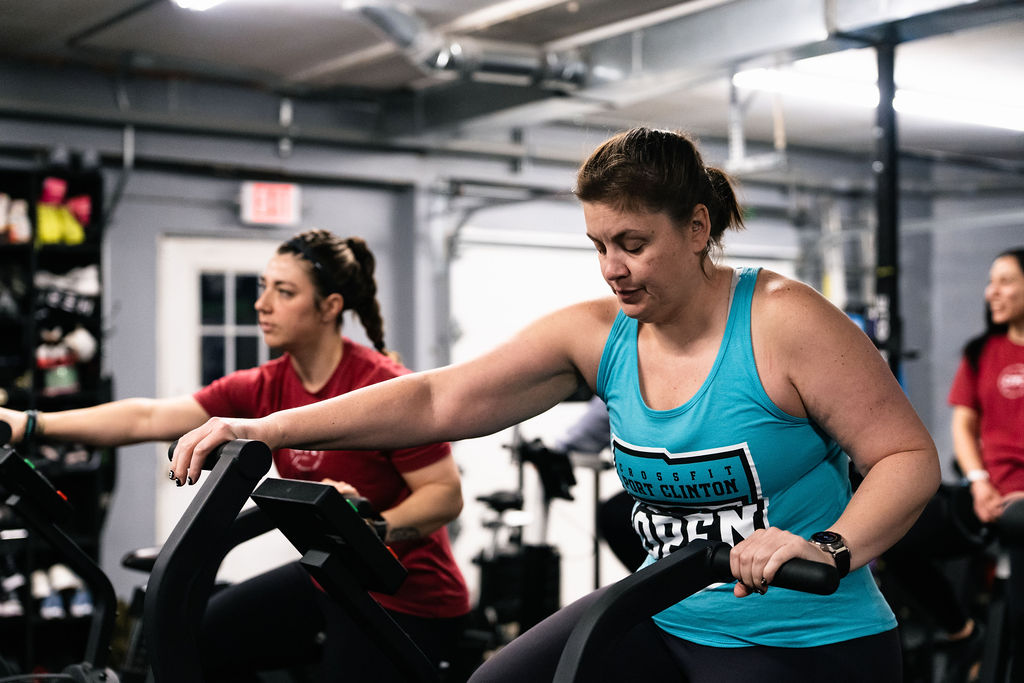
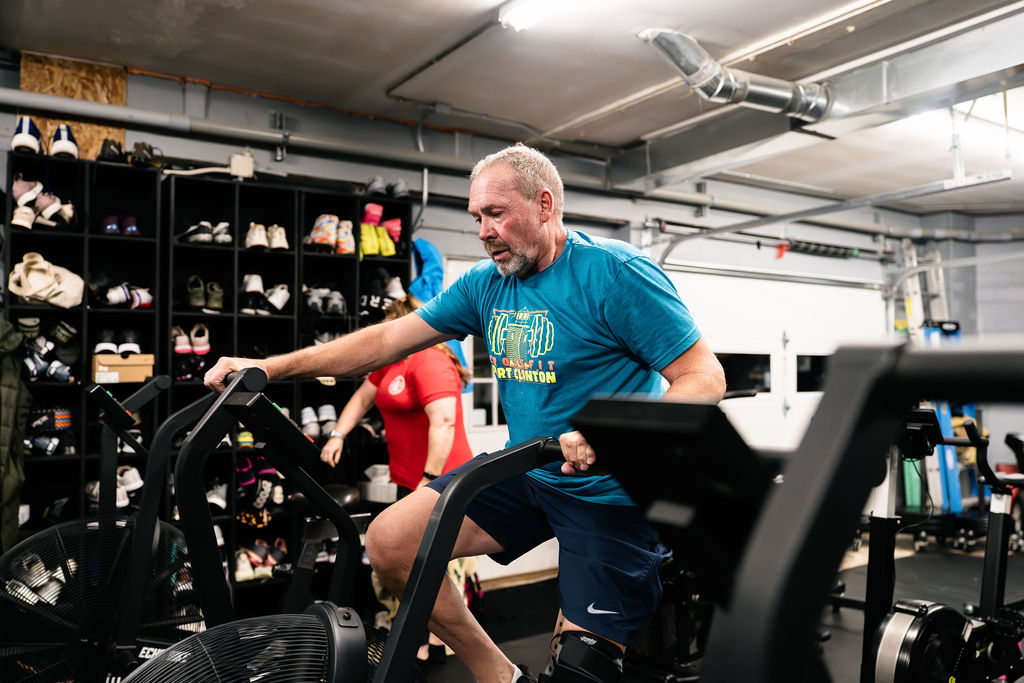
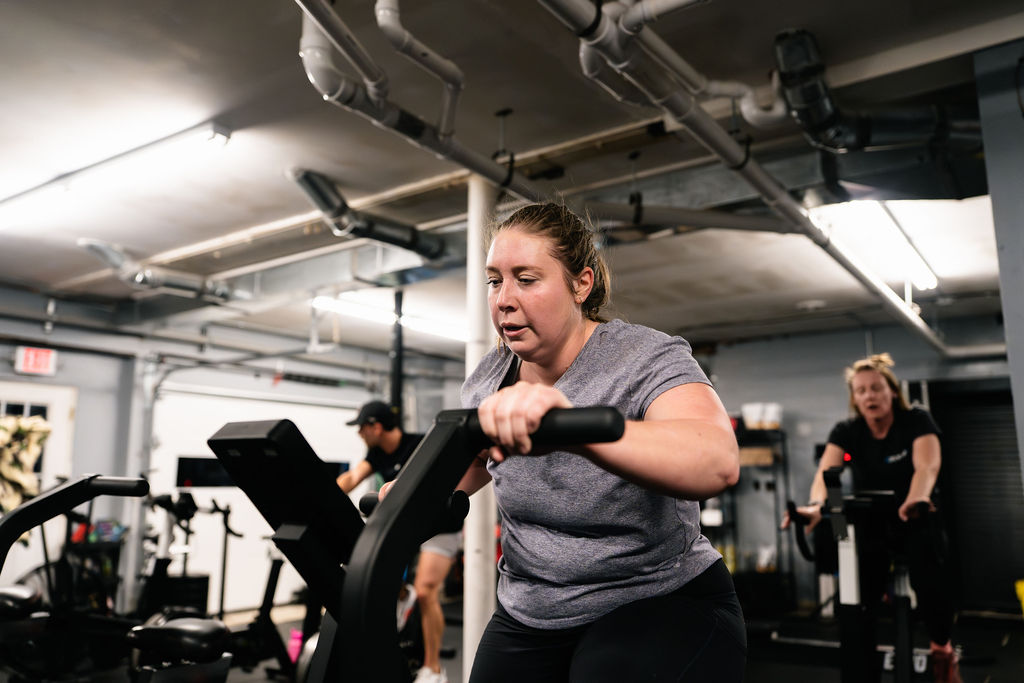
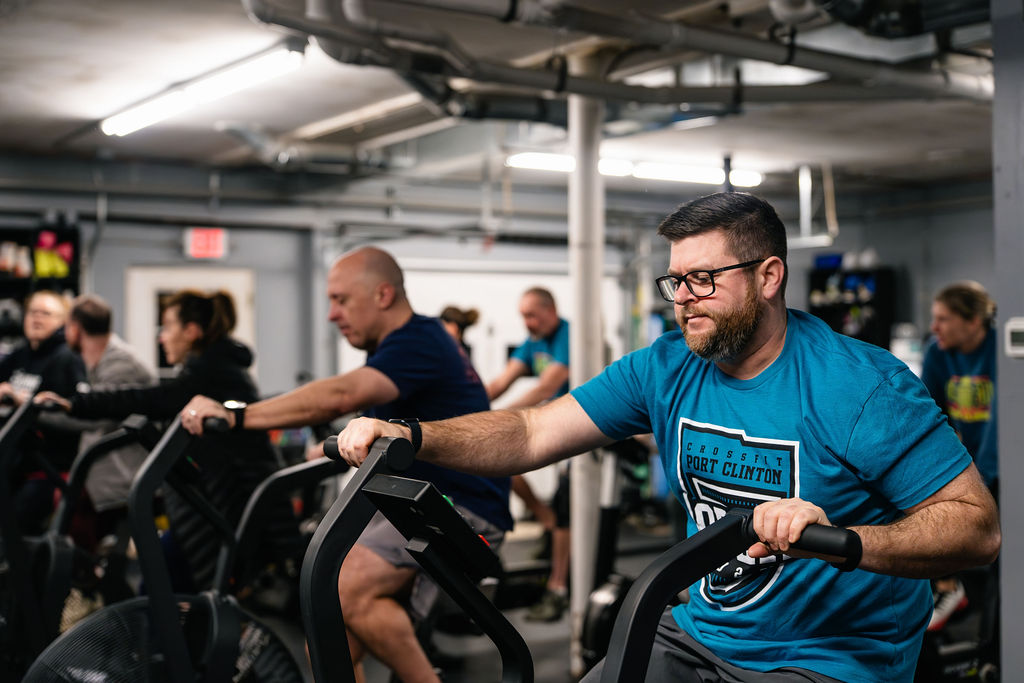
The truth is a lot more relaxed. Zone 2 is the pace where you can still hold a conversation while you work. That is it. That is the whole mystery.
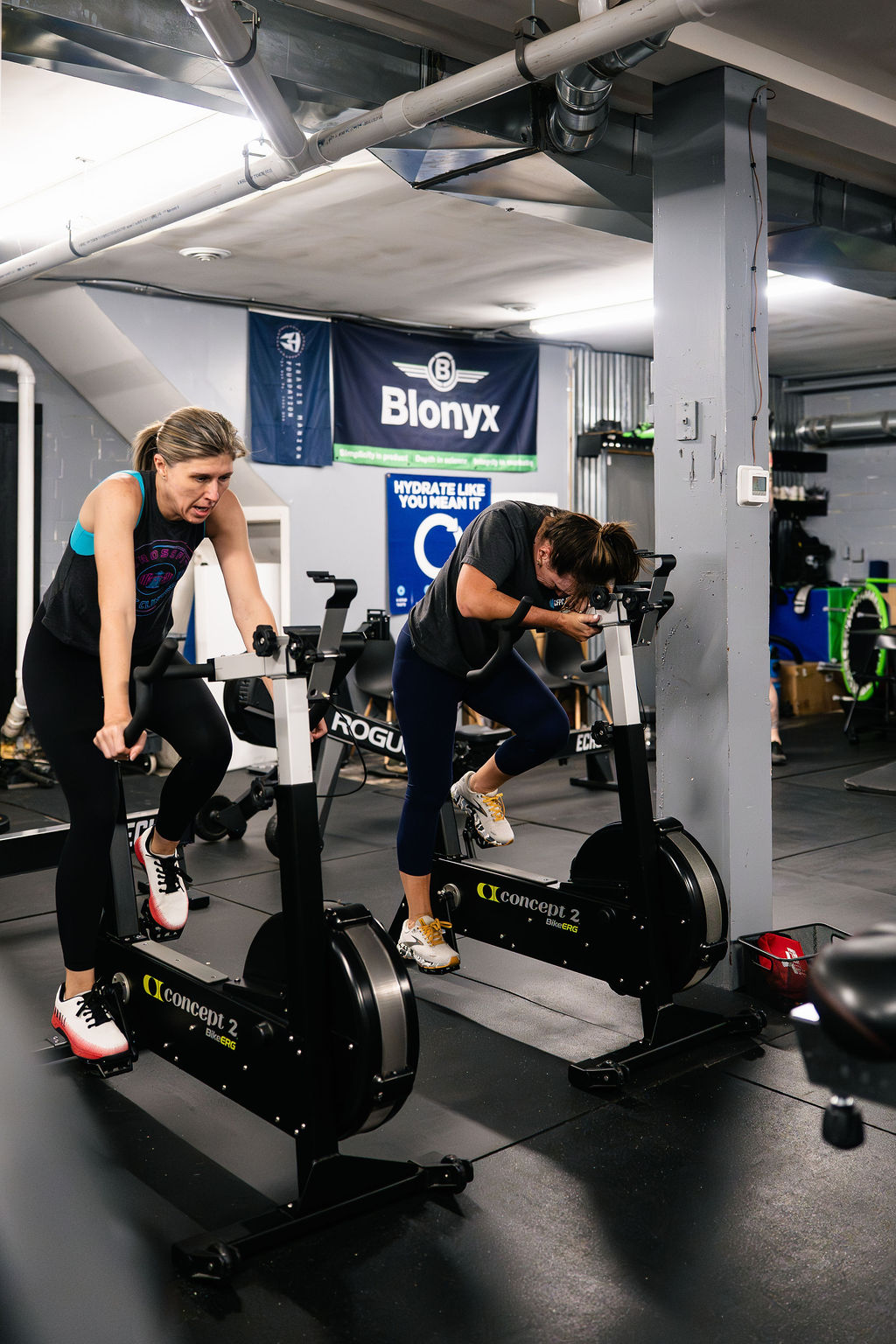
Exercise intensity is often split into heart rate zones, usually five of them. Zone 1 is a casual stroll. Zone 5 is an all-out sprint where you cannot say your own name. Zone 2 sits at an easy-to-moderate effort, often around 60 to 70 percent of your maximum heart rate. You are breathing a bit harder than normal, but you are comfortable.
You do not need a gadget to find it. Use the talk test:
Slow, steady effort trains something very specific: your aerobic base. That is the foundation for how your body makes energy over longer periods of time. Building it tends to improve things like:
There is also this: Zone 2 work is gentle on your body. It builds fitness without beating you up, which makes it a great fit for busy people who are already tired.
This is where people get confused. Do you have to choose between lifting heavy, doing intense workouts, and doing easy cardio? Nope. The best programs mix them.
Think of fitness like a pyramid:
You need all three, and the proportions matter. A common mistake is spending every workout at the top of the pyramid. That is a great way to feel tired, grumpy, and stuck.
A common starting point is two to three sessions per week of 30 to 60 minutes. You can build up to that. If you are new to this, start with 20 to 30 minutes and add a little each week. Some people do their Zone 2 on dedicated days. Others tack it onto the end of a strength session, or use it as active recovery on a day off.
The best Zone 2 workout is the one you will actually do. A long walk with a podcast counts. We say this with love and no shame.
Here is the funny part. The most common problem with Zone 2 is that people cannot make themselves go slow enough. Fitness culture has trained us to believe that if it does not hurt, it does not count. So people turn easy days into medium days, and medium days become that gray zone where you are too tired to push hard and too fast to build a base.
Easy days should feel easy. If you finish and feel like you could do another 20 minutes, you did it right.
Here is one way to structure a week without overthinking it:
Nothing about that is fancy, and that is the beauty of it.
If you have a heart condition, high blood pressure, or have been inactive for a long time, talk to your doctor before starting a new training plan. Some medications also change how your heart rate responds, which is another reason the talk test beats a number on a watch.
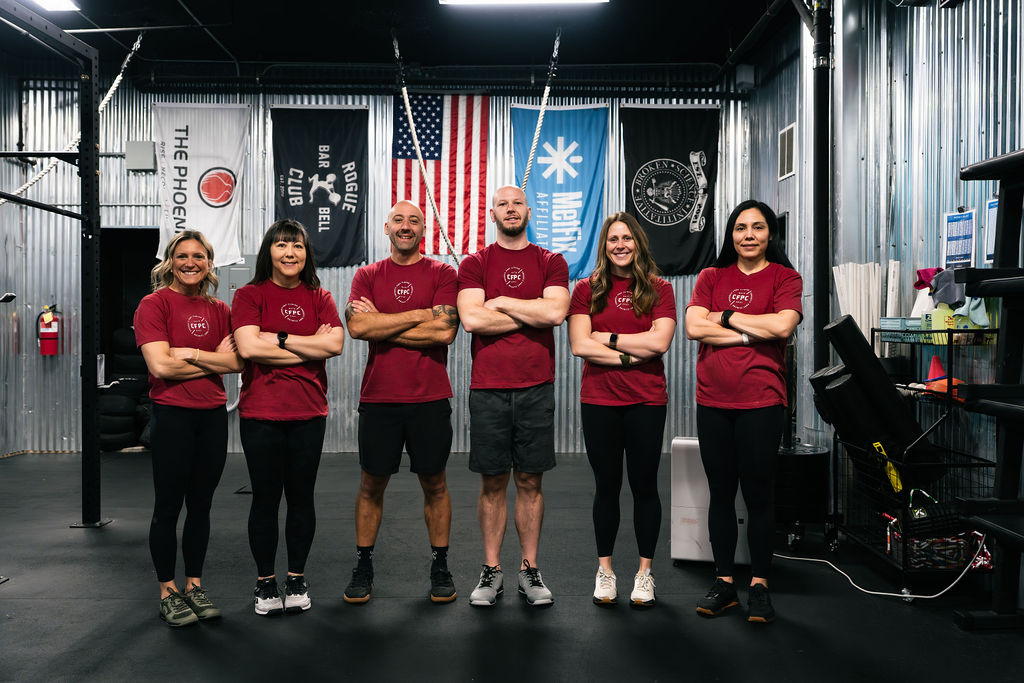
Balancing hard workouts, strength, and easy days is one of the things a coach does best. We can help you build a week that makes you stronger and fitter without leaving you flattened.
Book your free No Sweat Intro at www.crossfitportclinton.com and let's build a plan that includes the fun stuff and the easy stuff.