
Have you ever dragged yourself to a workout feeling like a soggy paper bag, and walked out feeling like a slightly crunchy but functional human being?
That is not a coincidence. It is one of the most consistent findings in health research: movement and mood are closely linked. And with more people than ever talking openly about stress, anxiety, and burnout, exercise for mental health has been climbing the fitness industry trend lists. It moved up to number six on the latest global fitness trends survey.
Let's talk about what the research says, what it does not say, and how to use it in real life without turning it into a miracle claim.
Exercise is not a replacement for professional mental health care. It is a powerful partner to it. If you are struggling with depression, anxiety, or any mental health challenge, please talk with your doctor or a mental health professional. If you are in crisis or thinking about hurting yourself, call or text 988 in the US to reach the Suicide and Crisis Lifeline, any time, day or night.
With that said, let's get into the good stuff.
Large reviews of studies have found that regular exercise is associated with meaningful improvements in symptoms of depression and anxiety, and in overall mood and stress. The effects are real across a wide range of people. Exercise has been shown to help alongside other treatments, and for some people with mild to moderate symptoms, it can be an effective part of a care plan. Researchers are still working out exactly how much, what kind, and for whom, so you should treat any claim that promises a cure with a raised eyebrow.
Scientists point to a mix of reasons, and it is probably several of them working together.
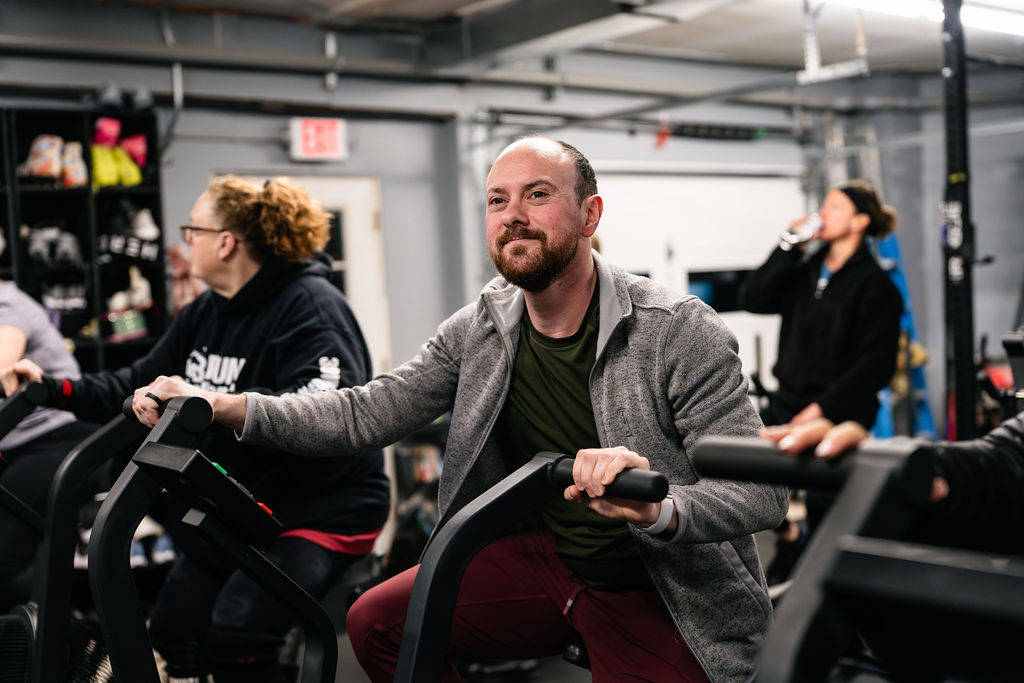
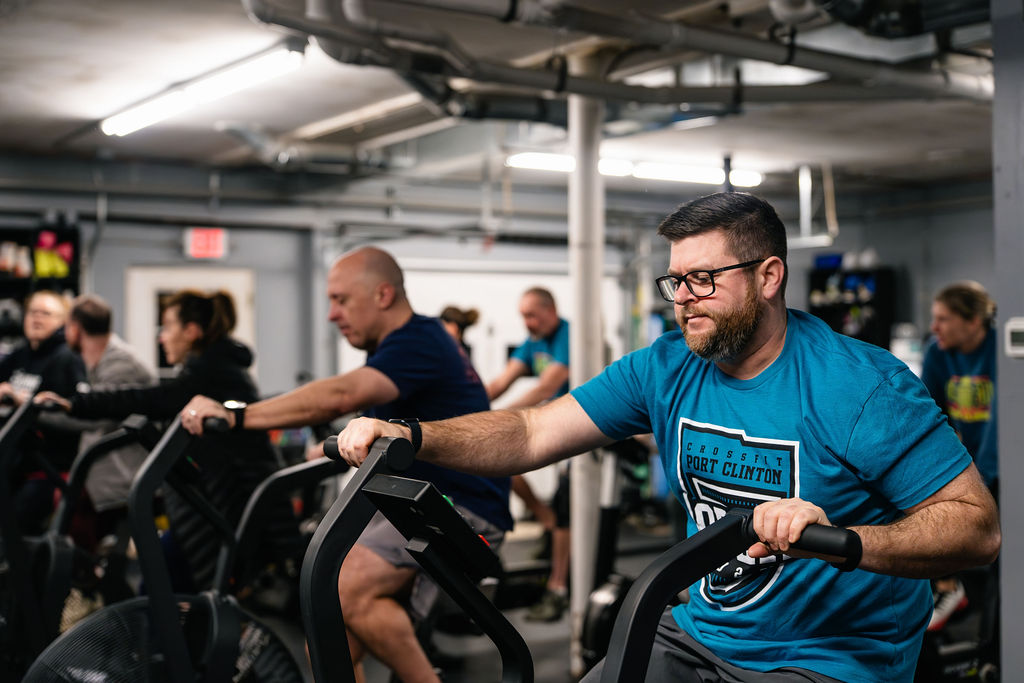
Here is the nice thing. Many types of exercise show benefits: walking, strength training, group fitness, yoga, cycling, and more. The best kind is the one you will keep doing. That said, a few things stand out.
You do not need to do an hour a day. General guidelines suggest around 150 minutes of moderate activity per week, plus two days of strength training. But research also shows that even smaller amounts, like short walks and brief workouts, are linked to better mental health than doing nothing at all. A ten-minute walk beats a perfect plan you never start.
This is the cruel joke. The days you most need to move are often the days you least want to. Motivation tends to follow action, not the other way around. Here are some tricks that help:
It is worth being honest about the limits.
If you ever feel like exercise has become a way of punishing yourself, or you feel anxious or guilty about missing a workout, talk to someone you trust or a professional. Movement should be something that supports your life, not something that runs it.
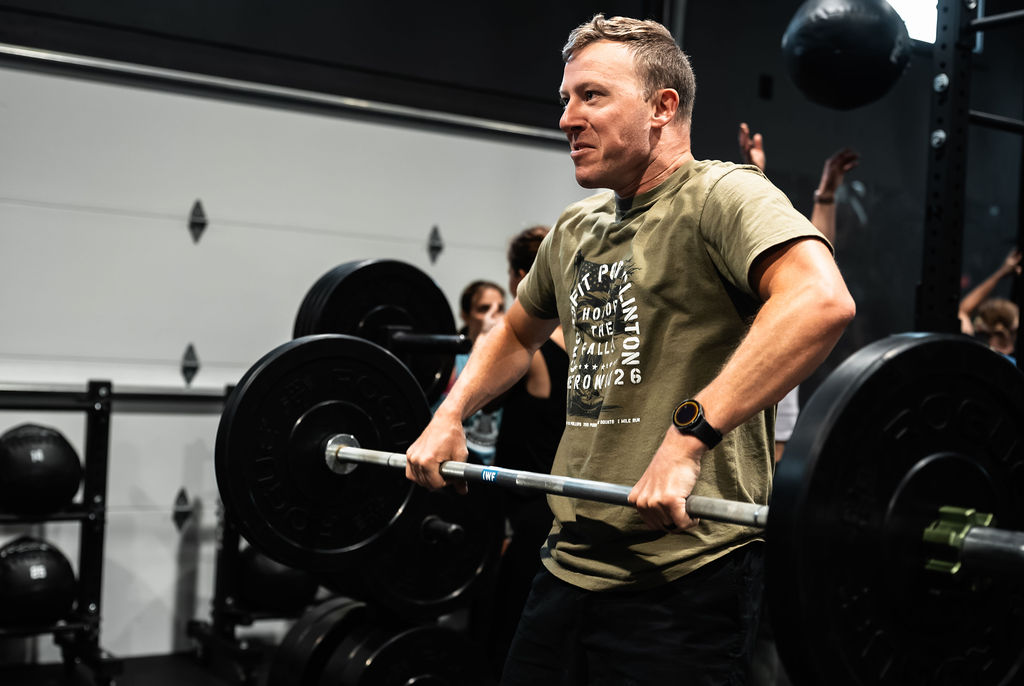
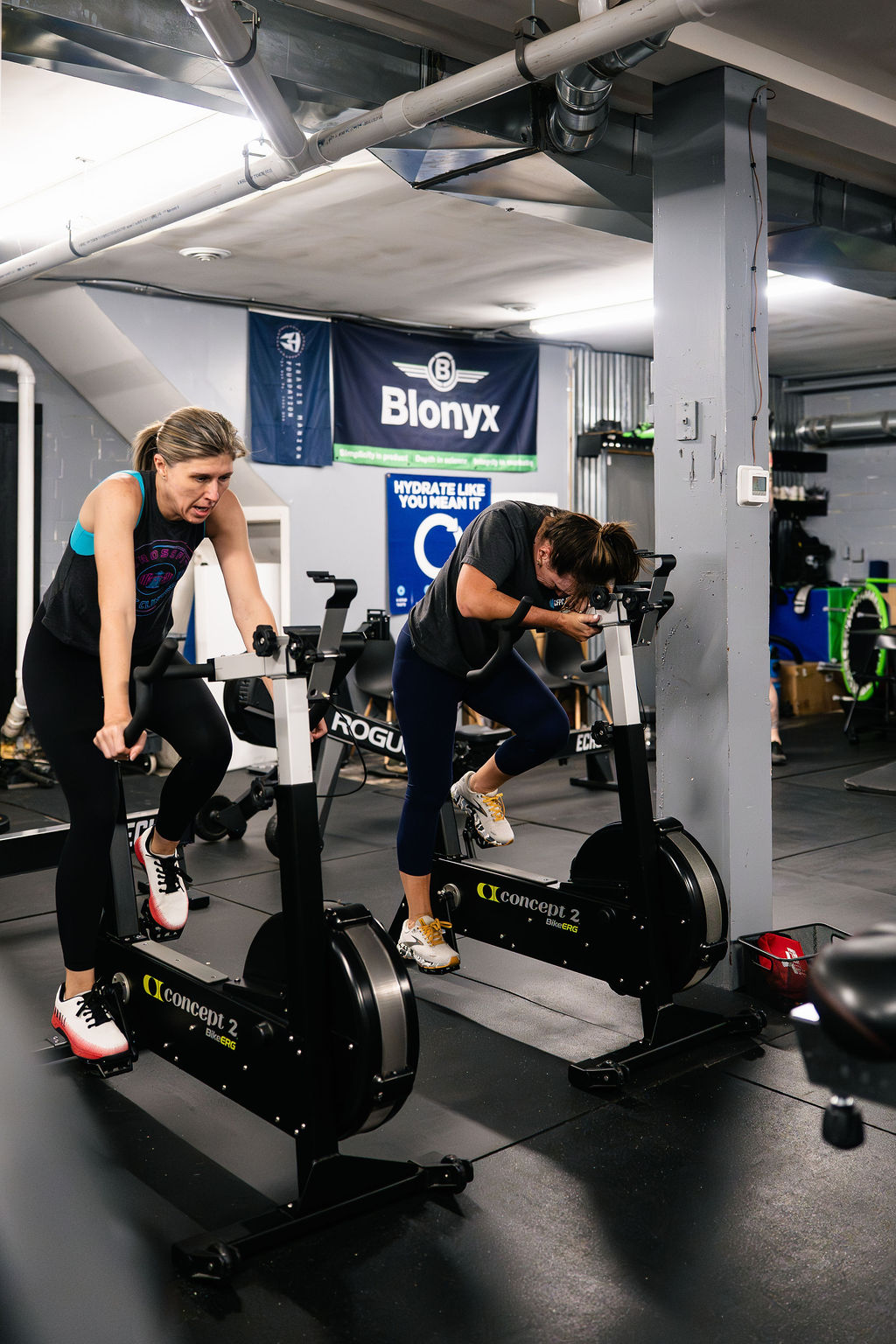
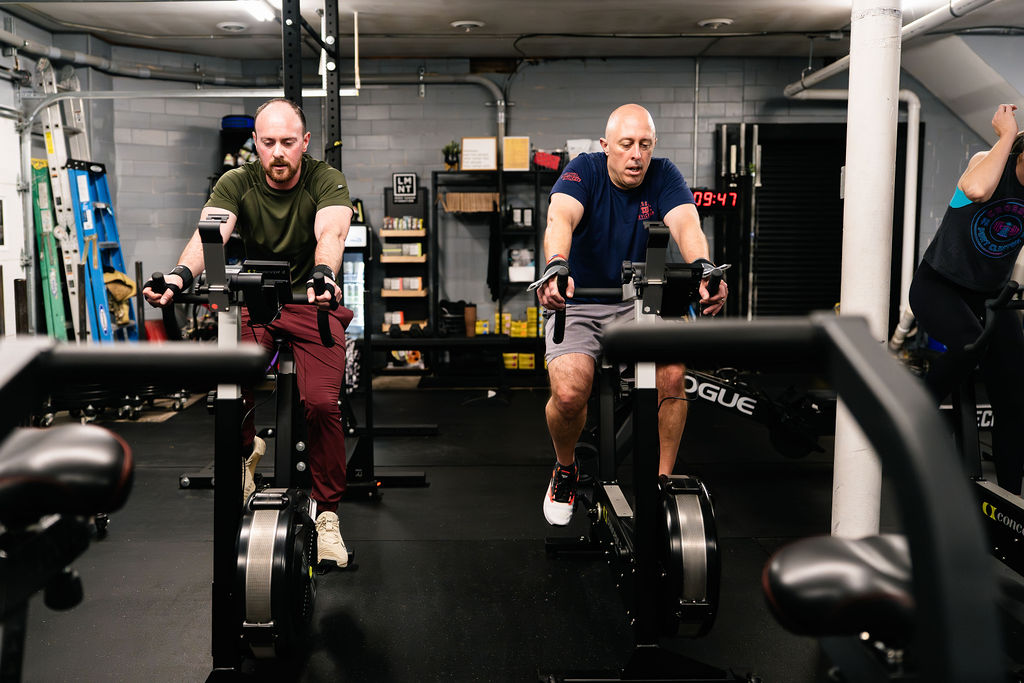
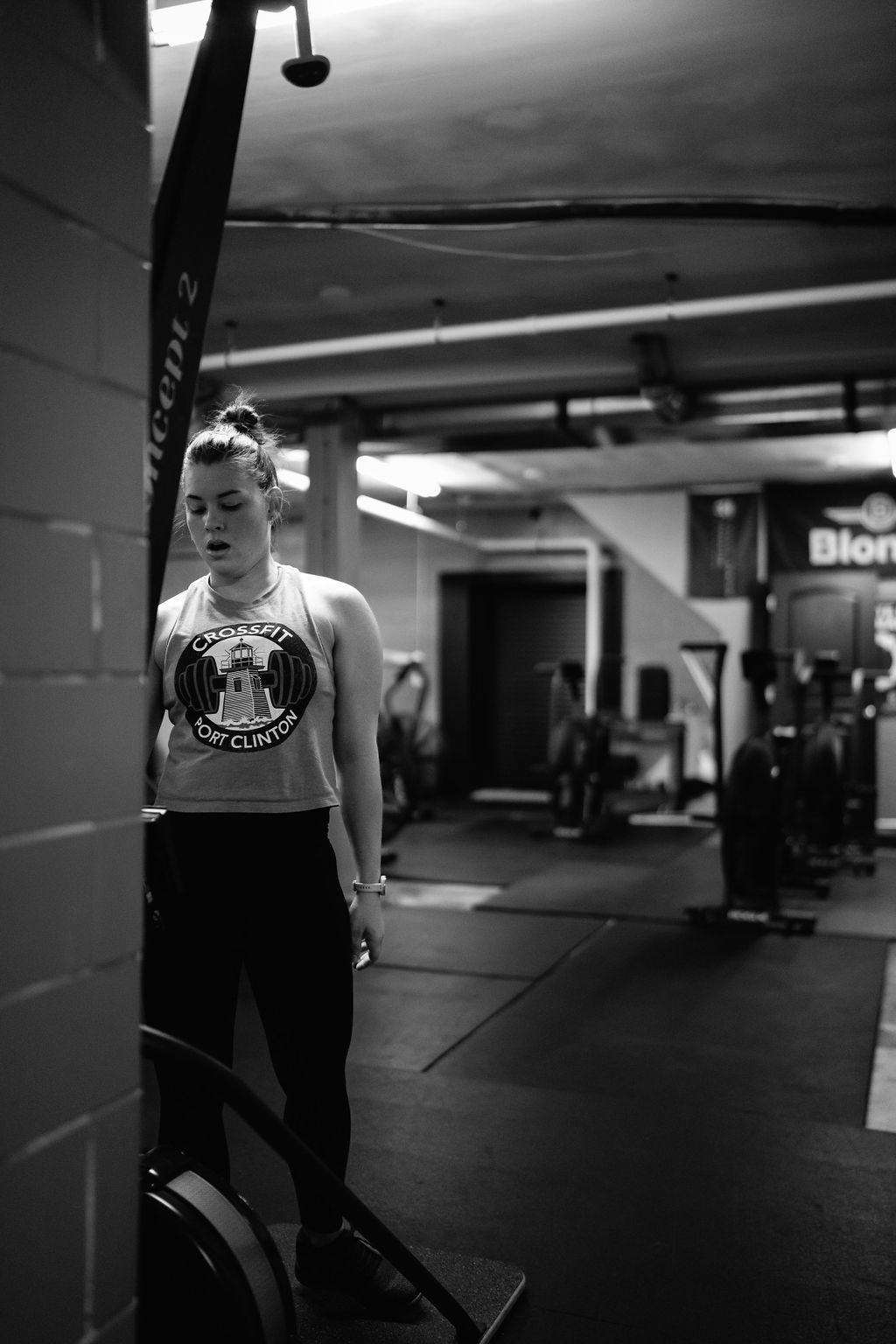
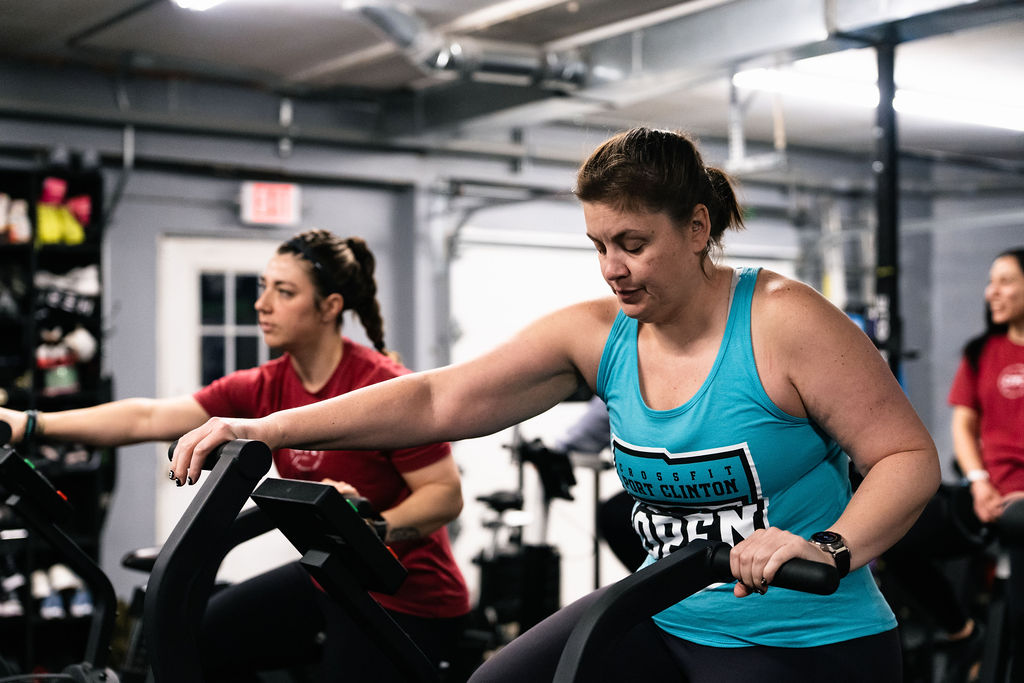
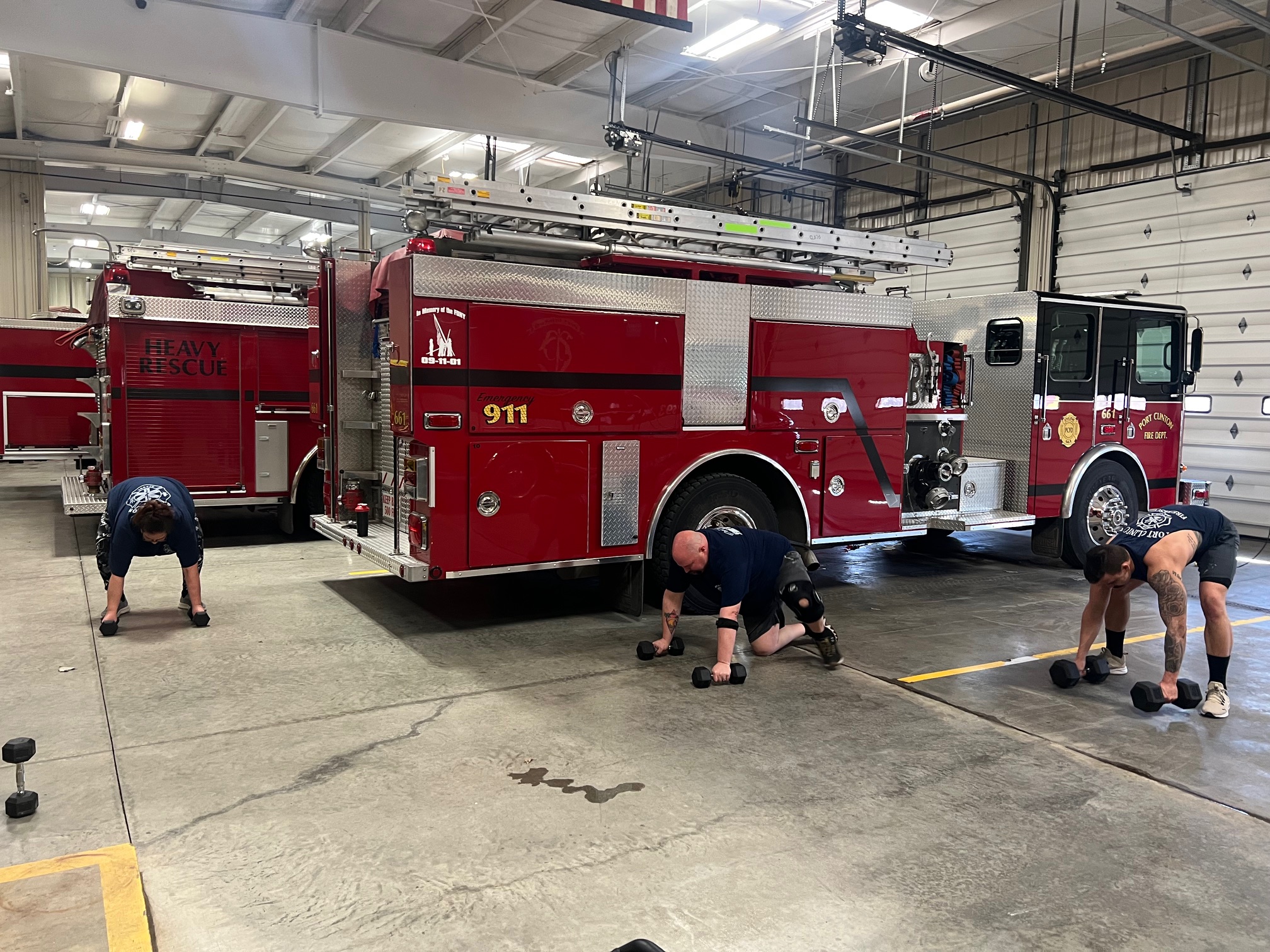
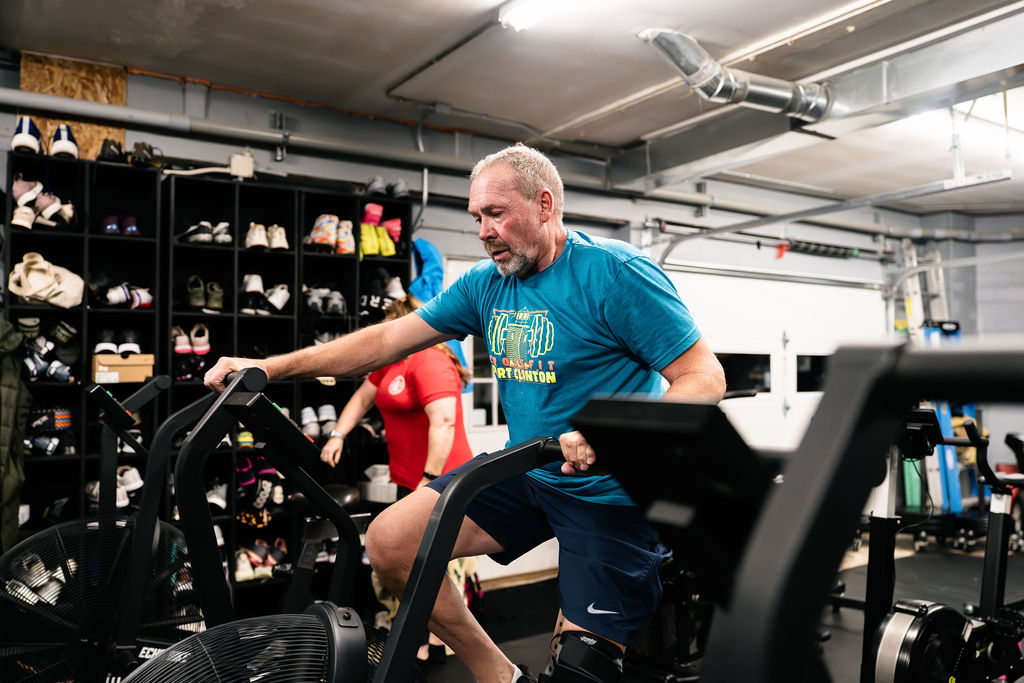
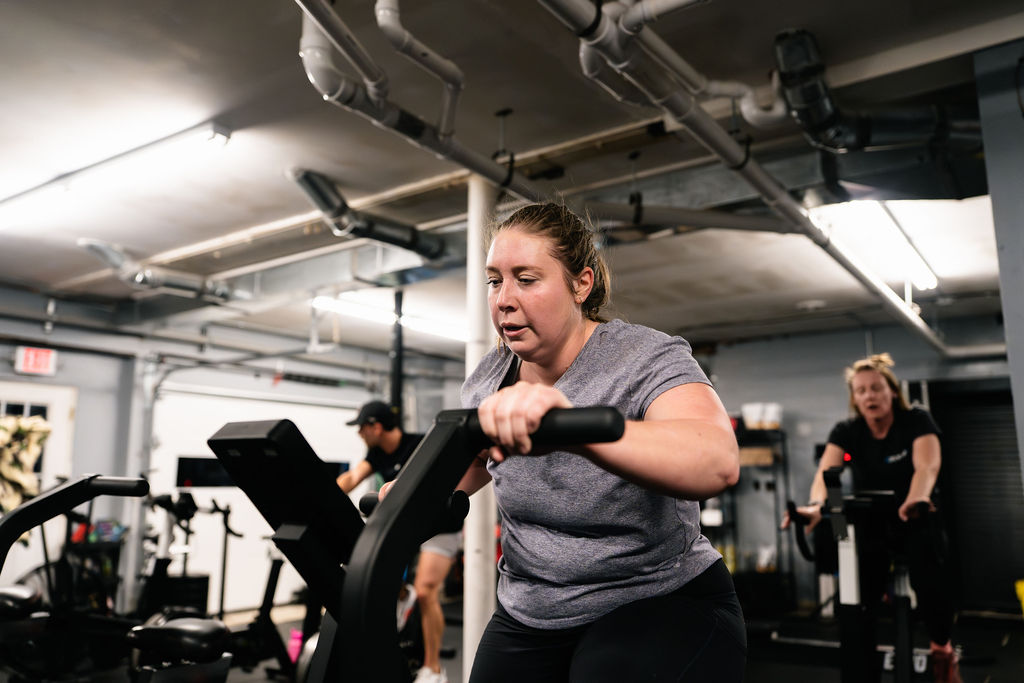
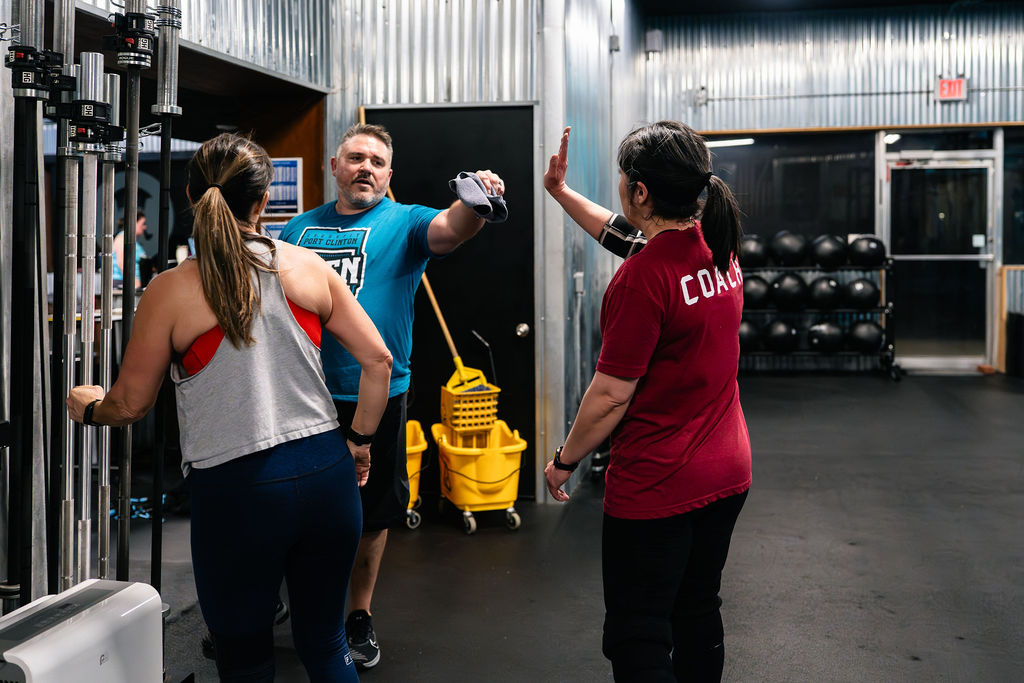
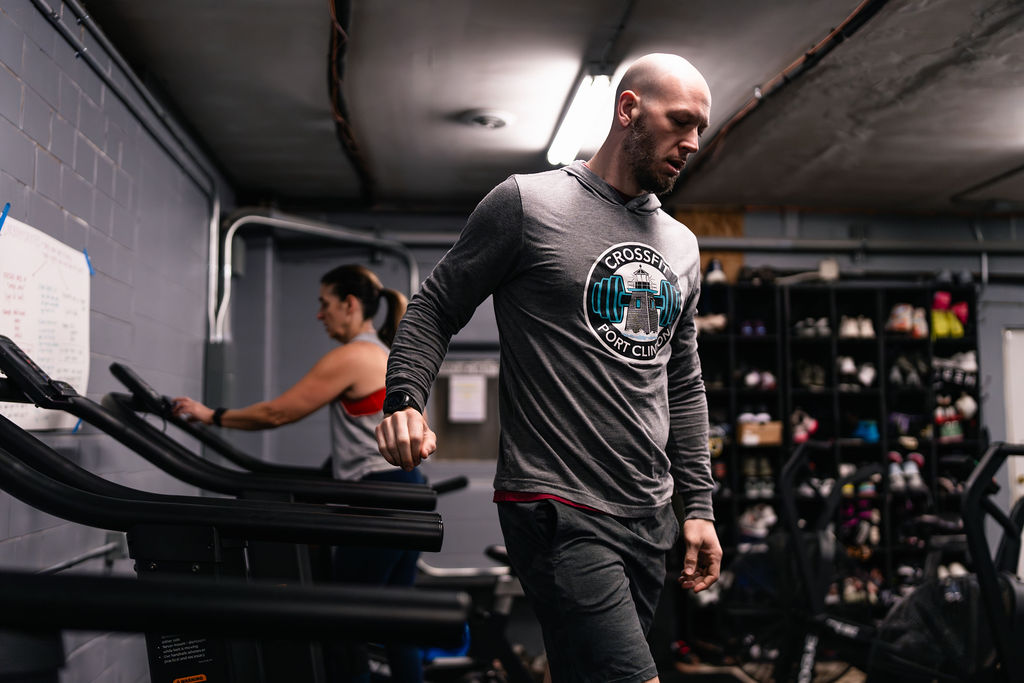
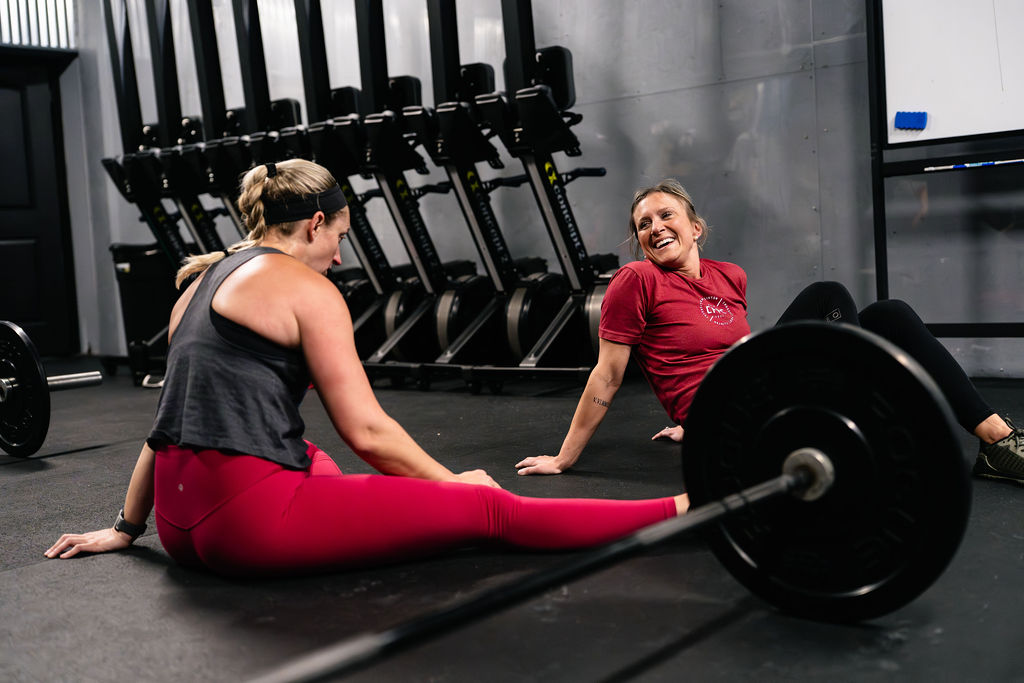
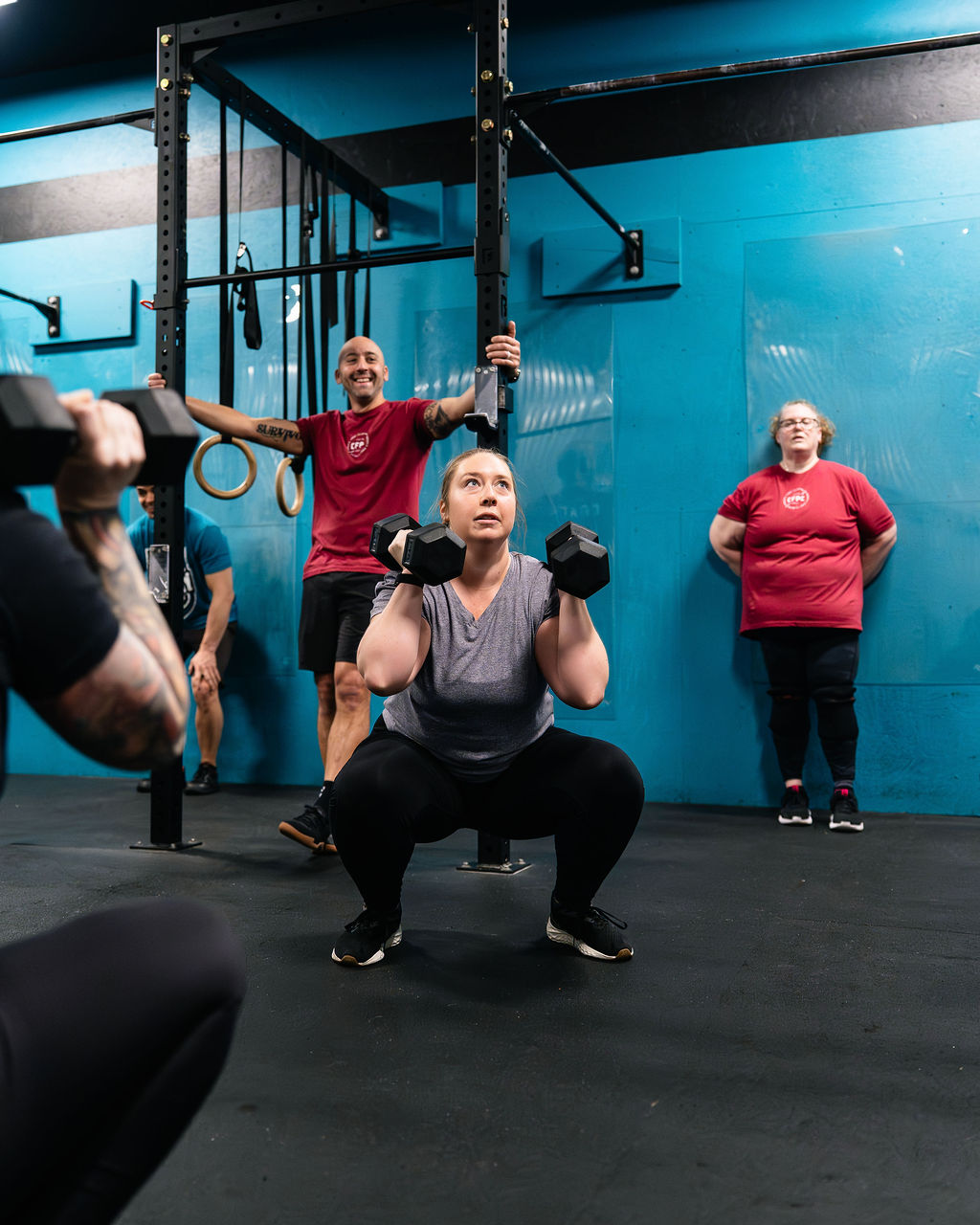
There is a reason many people stick with a gym when they would quit a solo plan: other humans. At a good gym, someone notices when you are not there. Someone high-fives you after a rough workout. Someone asks how your week went. For busy parents and business owners, who spend a lot of time giving to everyone else, an hour that is about you can be a real reset.
You do not need to love working out, or to be fit, or to have it all figured out. You just need a first step.
Book your free No Sweat Intro at www.crossfitportclinton.com and come meet a community that will cheer for you, no matter what kind of day you are having.