Do You Need a Wearable? What the Numbers Can and Can't Tell You
Somewhere on your wrist, or finger, or both, there is a tiny device that knows how many steps you took, how fast your heart beat, and that you stayed up until 1am watching a documentary about bridges.
Wearables are everywhere. A major global survey of fitness professionals ranked wearable technology as the number one fitness trend for 2026, and nearly half of US adults now own a fitness tracker or smartwatch. Odds are you own one, or you have been eyeing one at checkout.
So are they worth it? Yes, with an asterisk. They are a great tool and a terrible boss. Let's talk about how to use one without letting it ruin your day.
What wearables do well
Modern trackers are impressive. Here is where they tend to shine.
- Steps and daily movement. Counting steps is simple, and it works. Seeing that you moved 3,000 steps today versus 8,000 can nudge you in the right direction.
- Heart rate during exercise. Chest straps are the most accurate, but wrist devices do a decent job, especially during steady effort.
- Resting heart rate trends. Over weeks and months, a gradually lowering resting heart rate often reflects improving fitness. A sudden jump can point to stress, poor sleep, or illness.
- Workout tracking and consistency. Seeing a month of workouts on a screen is great motivation.
- Sleep duration and routine. Most devices are reasonably good at estimating when you went to sleep and woke up.
What they do not do so well
This is the part the marketing skips.
- Calories burned. This is the biggest offender. Calorie estimates from wearables are often off by a wide margin, in either direction. Treat them as a rough guess, not a budget.
- Sleep stages. Devices guess at light, deep, and REM sleep, and the guesses are less reliable than sleep lab results. The total hours are more trustworthy than the breakdown.
- Readiness and recovery scores. These combine several signals into one number. They can be informative, but they are also a black box, and they can be wrong about how you actually feel.
- Heart rate variability (HRV). A popular metric, but easy to over-interpret. Single readings bounce around a lot. Trends over weeks are far more useful than one morning's number.
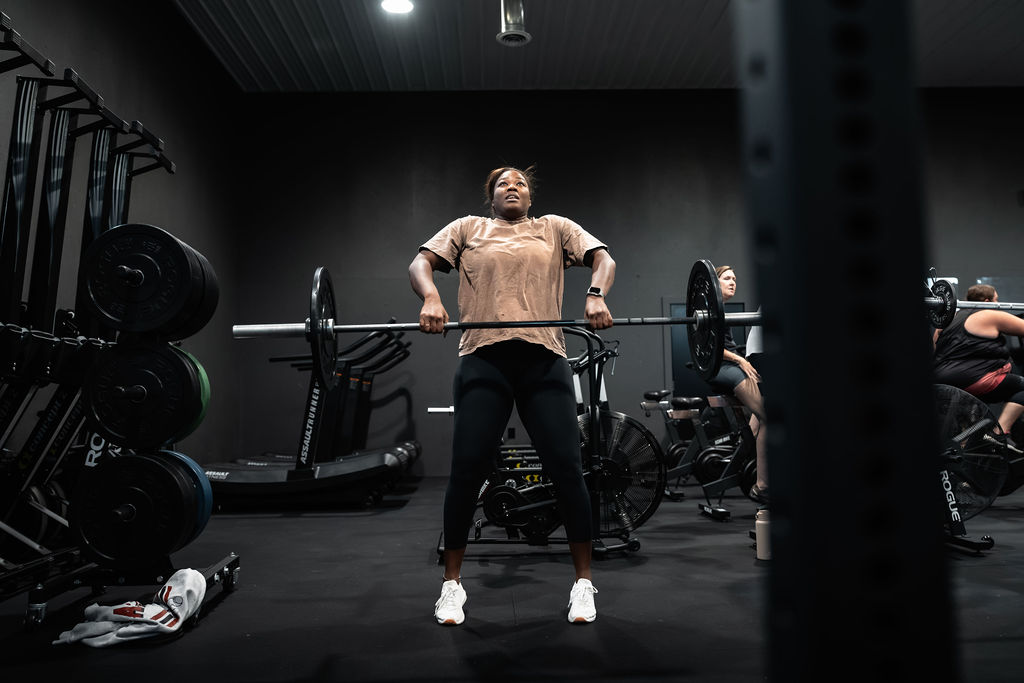
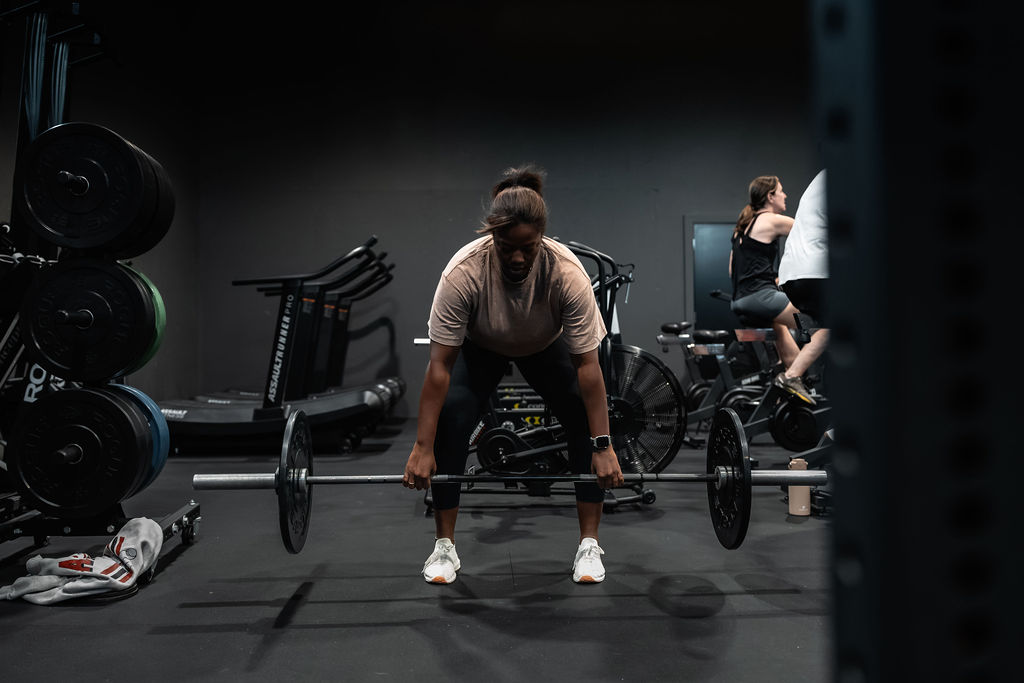
- Accuracy in certain situations. Heavy lifting, gripping bars, and activities with a lot of arm movement can throw off wrist readings.
Trends beat single numbers
Here is the most useful rule for wearables: zoom out. One bad night or one odd number means almost nothing. Patterns over two to four weeks tell you something real.
- Is your average sleep creeping up or down?
- Is your resting heart rate drifting in one direction?
- Are you moving more or less than last month?
- Are your workouts happening consistently?
Those are the questions that help. Obsessing over a single night's score does not.
When the number becomes the boss
Some people find that tracking motivates them. Others find it makes them anxious. If you notice you feel stressed about your sleep score, you work out just to close a ring, or you ignore how you feel because the watch said you were fine, it might be time to take a break.
A good test: does this device make you healthier and happier, or just more worried? If it is the second one, take it off for a week. The world will keep spinning.
Your body gives you great data for free. Are you tired? Hungry? Sore? Grumpy? Energized? Those signals count, and they should always have a vote.
How to use a wearable well
- Pick one or two metrics that matter to you. Maybe daily steps and sleep time. Ignore the rest.
- Look at weekly averages, not daily scores.
- Use it to build habits. A reminder to move or a nudge to wind down can be genuinely helpful.
- Keep a feelings check-in alongside the numbers. A simple "how did I feel today, 1 to 5" gives context the device cannot.
- Do not make medical decisions from it alone. If you notice anything unusual, such as chest pain, dizziness, or heart rhythms that worry you, talk to a doctor, not to your watch.
Do you need one?
Honestly, no. People got strong and fit for centuries without a screen on their wrist. But if you like data, and you use it to support your habits, a wearable can be a fun and helpful tool. If you do not like it, skip it and rely on how you feel and what you can do. Can you lift more than last month? Do the stairs feel easier? Are you sleeping better? Those are real results.
A coach beats a gadget
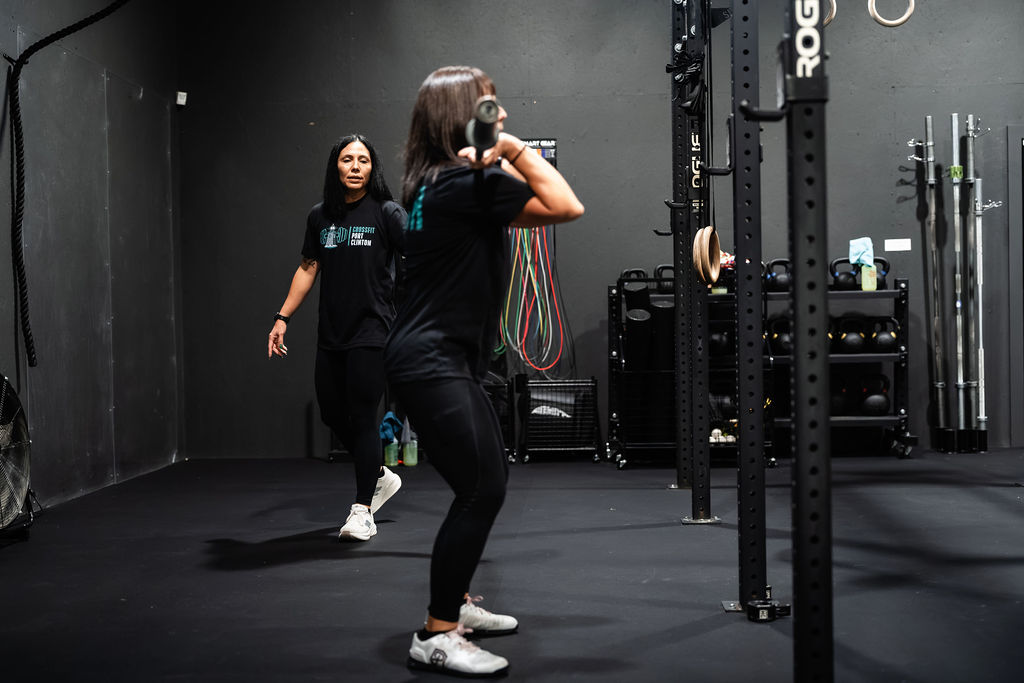
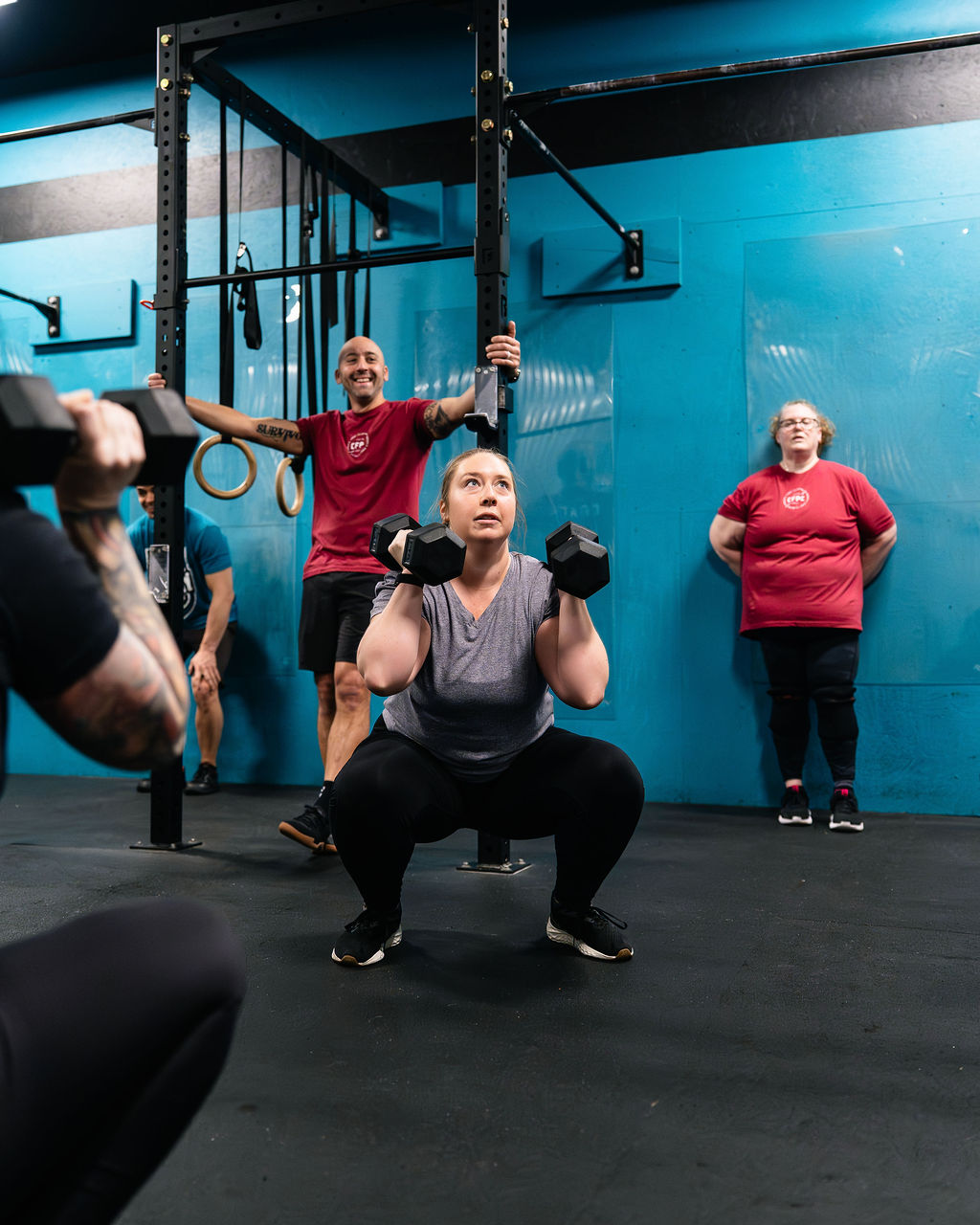
Here is where we get a little biased. A tracker can tell you your heart rate. It cannot tell you your squat looks great, or that your form is slipping, or that you seem tired today and should maybe lighten the load. A coach can.
Book your free No Sweat Intro at www.crossfitportclinton.com and meet the humans who pay attention to the details your watch cannot see. Bring your tracker if you like. We love a good graph.