
Let's get one thing straight before we start. This is a judgment-free zone. Whether you are losing weight with diet changes, exercise, a GLP-1 medication like Ozempic, Wegovy, Mounjaro, or Zepbound, or some combination, that is between you and your doctor. We are not here to tell you what to take or not take. We are here to talk about what happens to your body when the number on the scale goes down, and how to make sure what you lose is the stuff you want to lose.
Because here is the surprise nobody puts on the box: weight and fat are not the same thing.
When you lose weight, you lose some mix of fat and lean mass. Lean mass includes muscle, and muscle is the engine that keeps you strong, mobile, and metabolically healthy. Studies of GLP-1 medications suggest that a meaningful share of the weight lost, commonly cited as somewhere around a quarter to 40 percent, can come from lean mass instead of fat. That is not unique to these medications. Rapid weight loss of any kind can cost some muscle. It is just a hot topic now because so many people are losing weight quickly.
Why does it matter? Muscle helps you:
In other words, the goal is not just to be smaller. The goal is to be smaller and strong. That is the version of weight loss that holds up over time.
GLP-1 medications reduce appetite, and for many people they work really well. That is great. It also means some people are eating a lot less, and when you eat less, it becomes harder to get enough protein and to give your muscles a reason to stick around. Fitness professionals around the world have been talking about this nonstop. Exercise for weight management climbed to the number three spot on a major global fitness trends survey this year, and the GLP-1 conversation is a big reason why. Even big gym chains have been talking with GLP-1 providers about how to help members protect their muscle.
There is no magic trick here. The research points to three basics, and they are all doable.
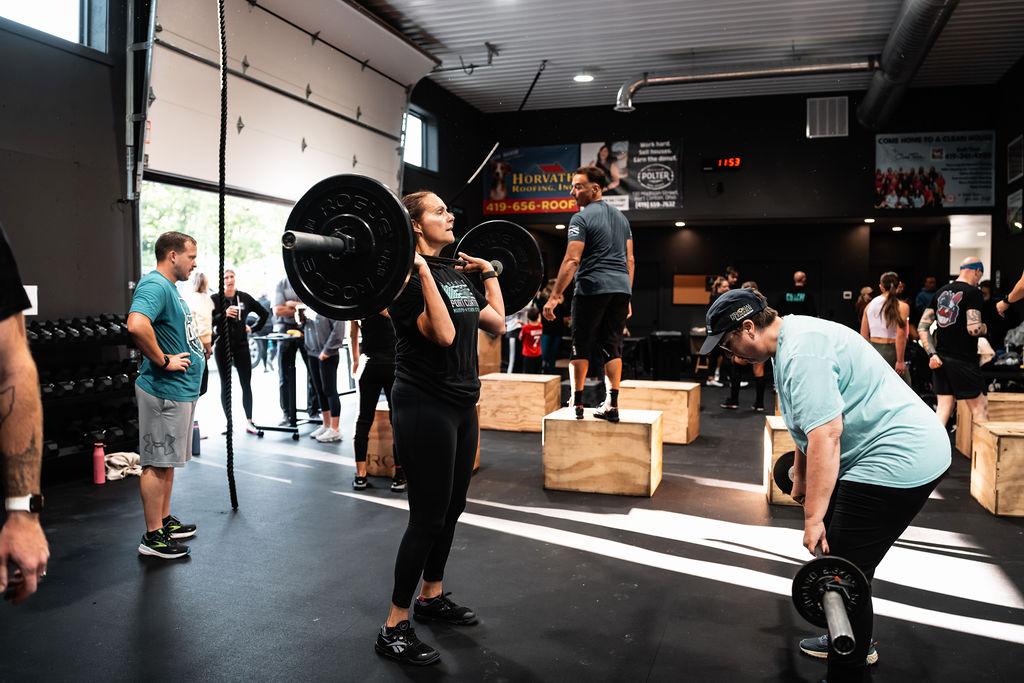
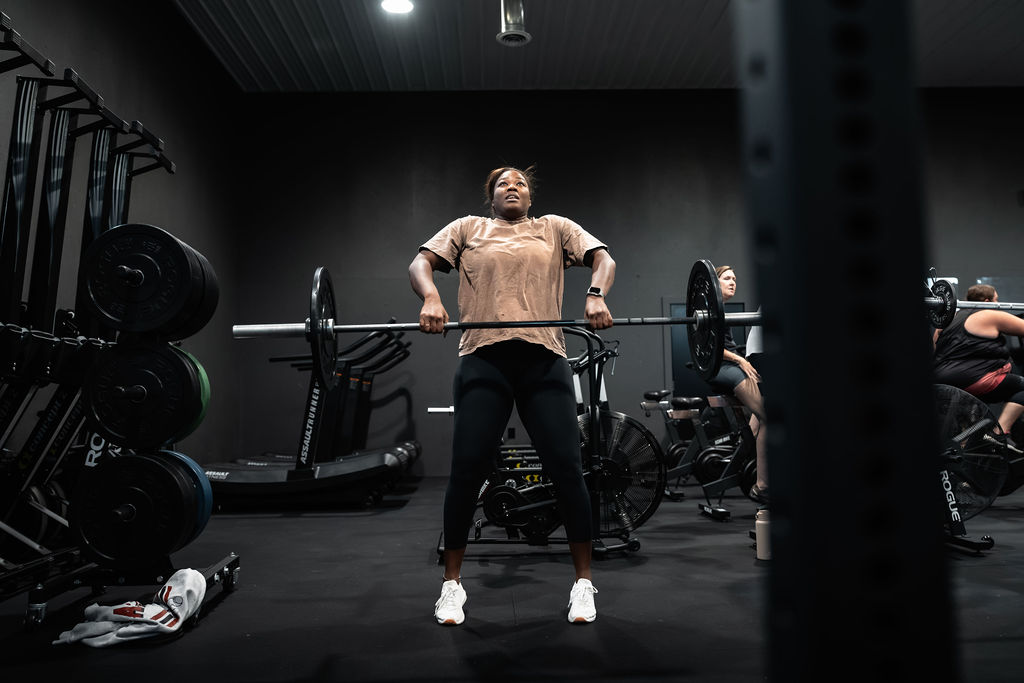
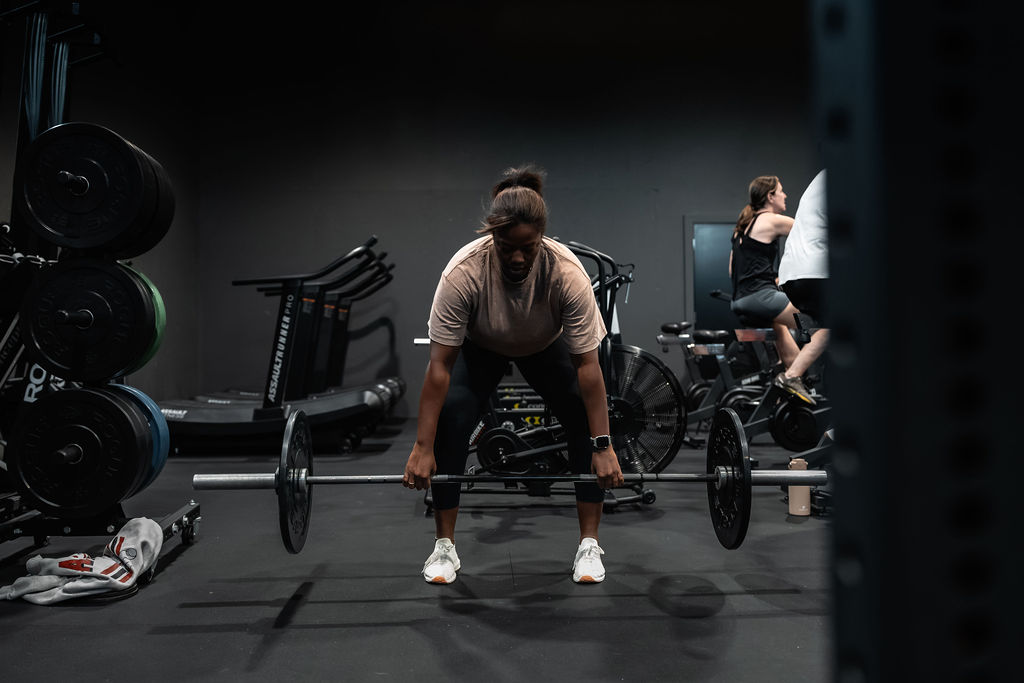
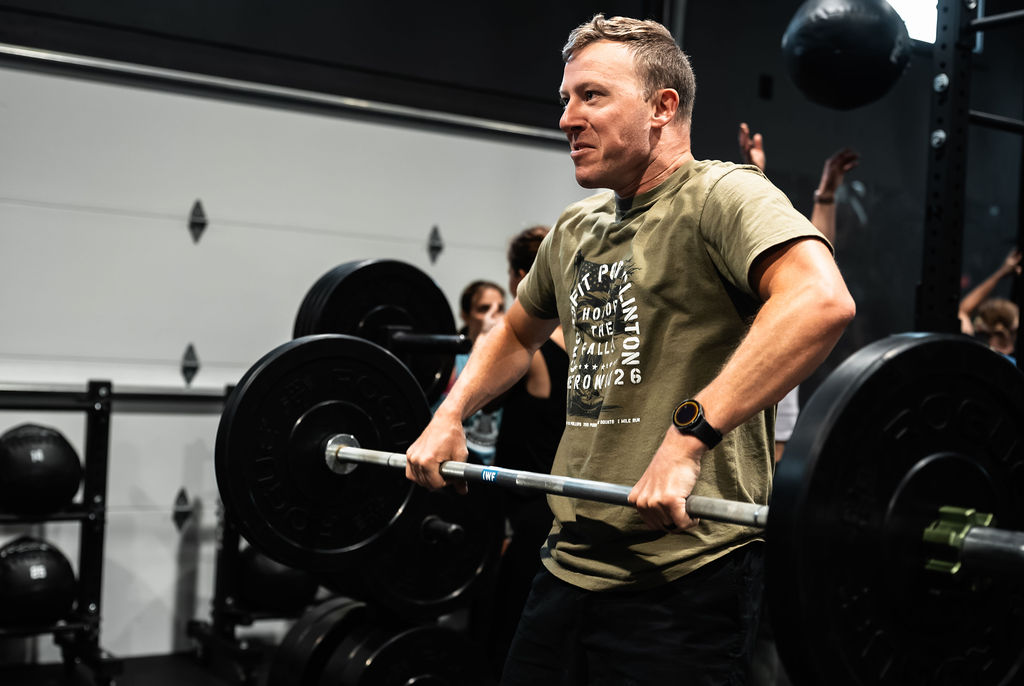
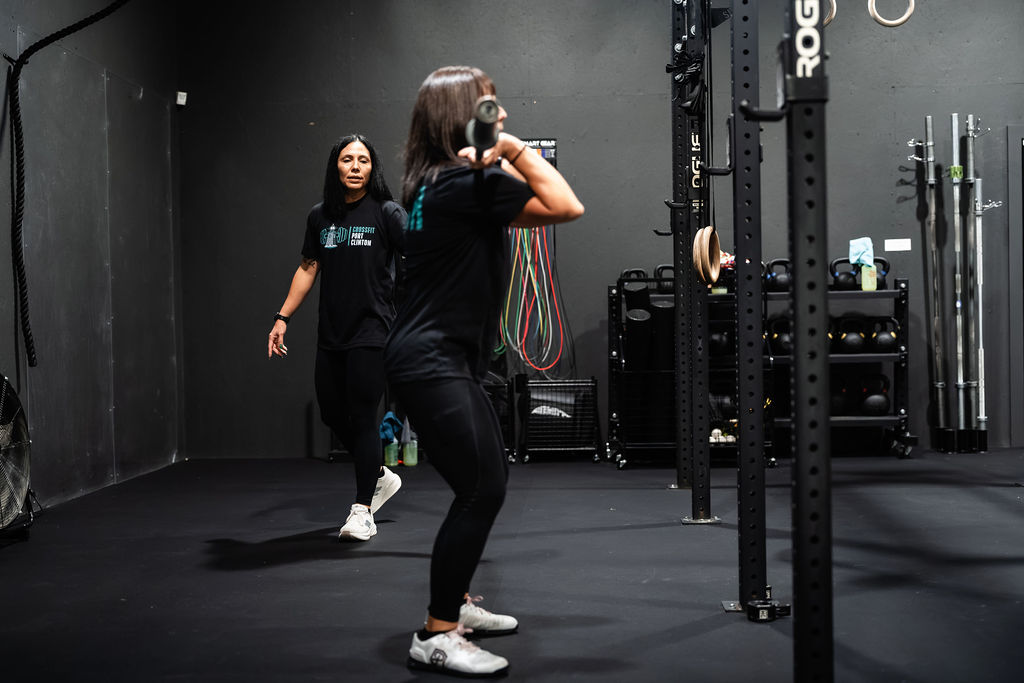
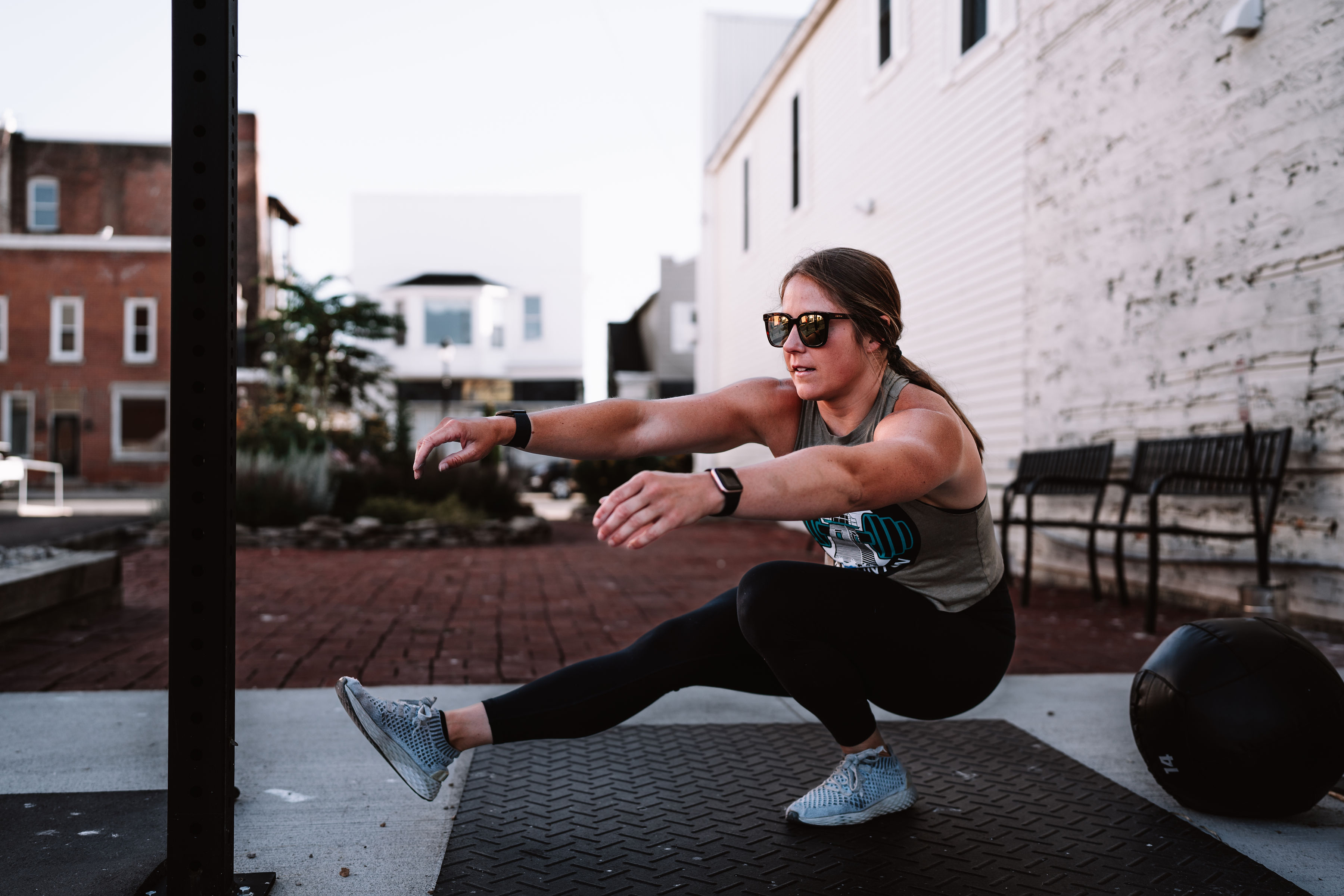
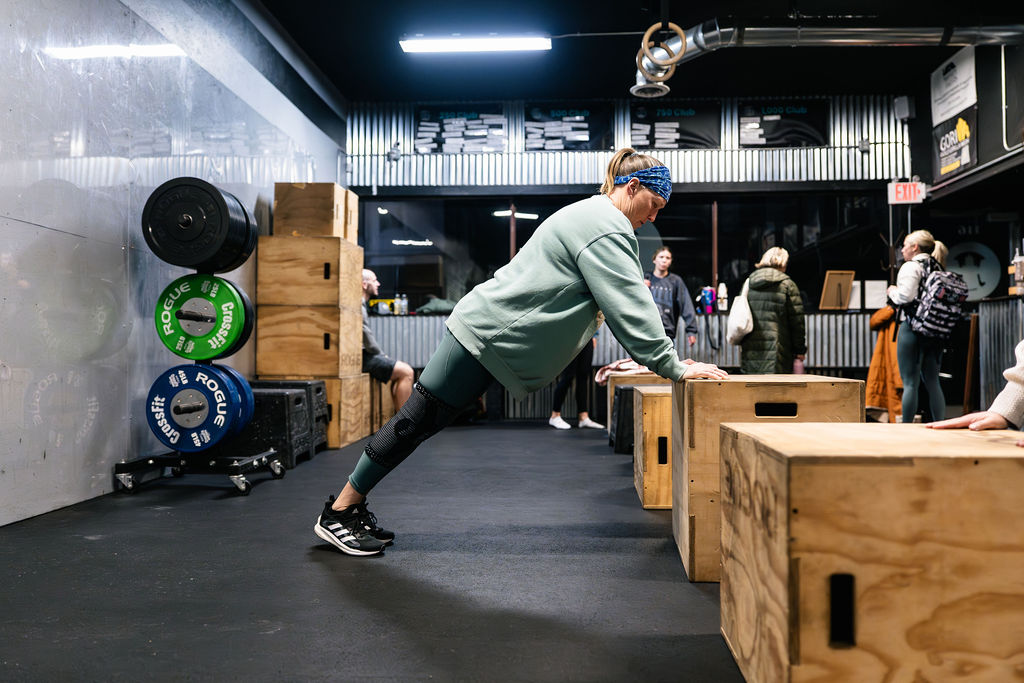
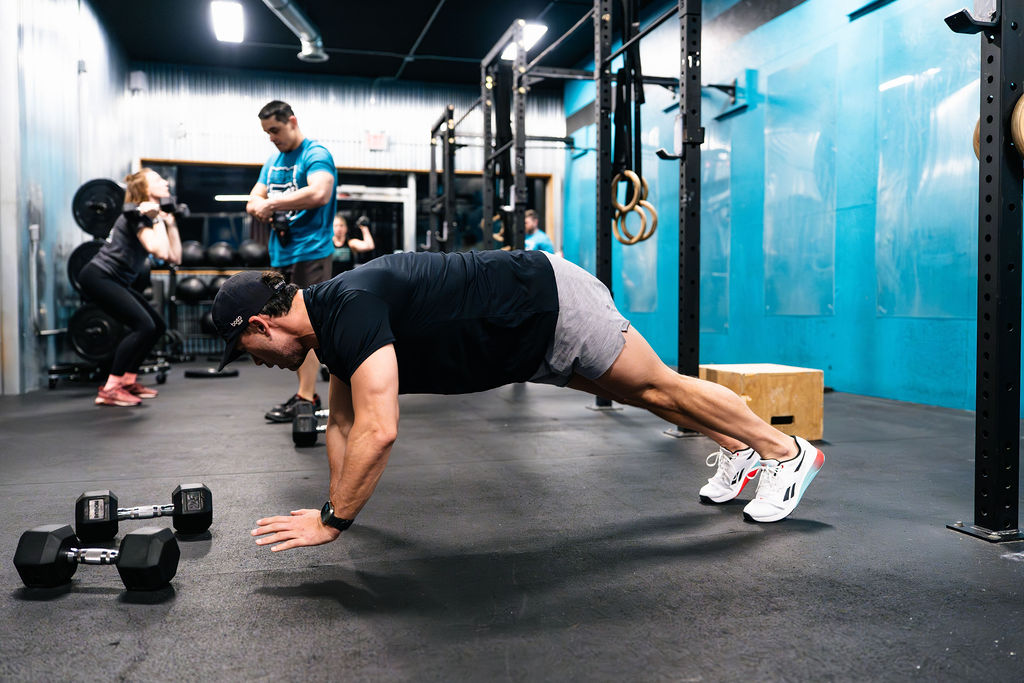
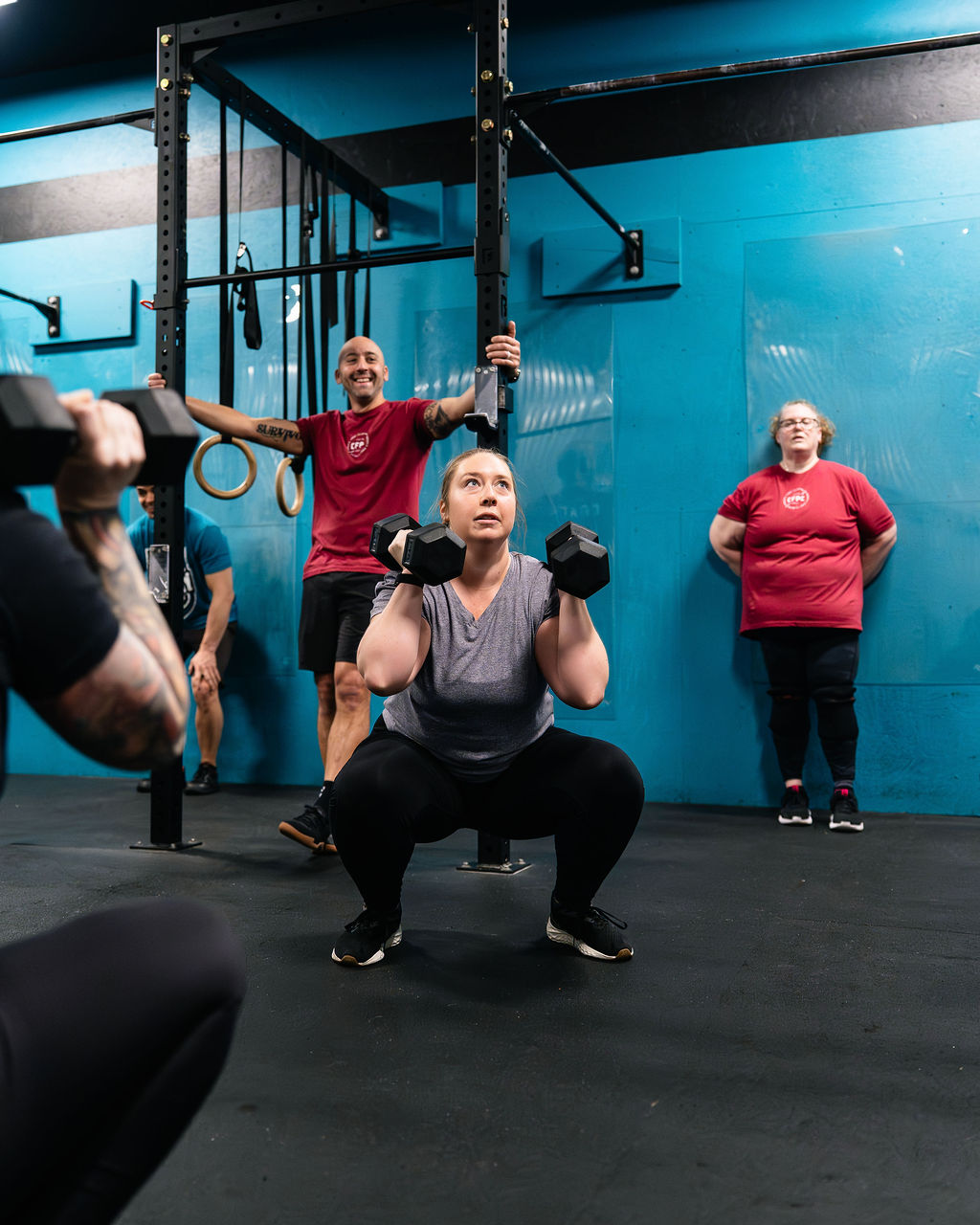
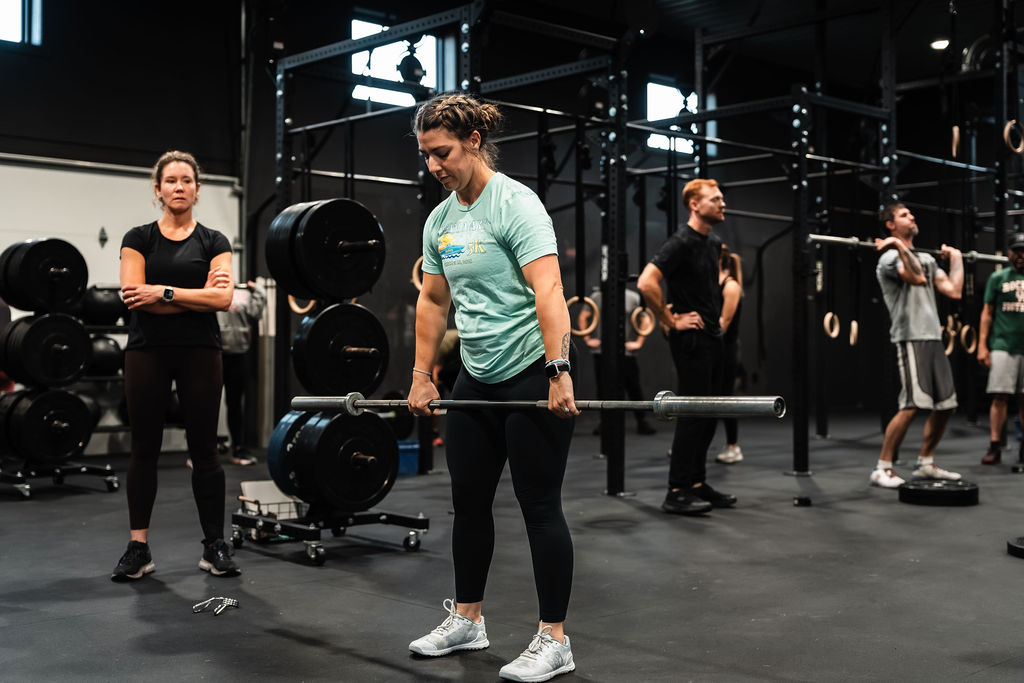
Resistance training is the strongest signal you can send your body that says, "Keep the muscle, please." Aim for two to three strength sessions per week, hitting your whole body: legs, hips, back, chest, shoulders. You do not need to go heavy on day one. You do need to progress over time.
When your appetite is small, every bite counts. A simple habit: eat the protein first. Eggs, chicken, fish, beef, Greek yogurt, cottage cheese, protein shakes if you need them. Then, if you still have room, add the rest. We cover how much protein most active adults need in a separate post.
Sleep, hydration, and enough total food all matter more when you are in a calorie deficit. If you feel wiped out all the time, dizzy, or unusually weak, that is a reason to talk to your doctor, not to push harder.
Here is a simple template that works for lots of people:
"I do not have much of an appetite. How do I eat enough protein?" Smaller, protein-dense meals and snacks. Think Greek yogurt, jerky, eggs, a shake. Ask your doctor or a dietitian for a target that fits you.
"Will lifting make me bulky?" No. It will make you stronger and help you keep a healthy shape as the scale goes down.
"I am losing weight fast and feeling weak." Tell your doctor. Your care team needs to hear that.
"I am not on a GLP-1. Does any of this apply?" Absolutely. Any time you are losing weight, protecting muscle is smart.
We are coaches, not doctors, and none of this replaces medical advice. If you are on a medication, have a health condition, or are making big changes, keep your doctor in the loop and bring their guidance to your coach. The two work great as a team.
Starting a strength routine can feel intimidating, especially when you are already navigating big changes. That is exactly what coaching is for. We meet you where you are, we scale everything, and we celebrate the wins that the scale cannot see, like carrying all the groceries in one trip.
Book your free No Sweat Intro at www.crossfitportclinton.com and let's build a plan that keeps you strong while the number goes down.