Here is a plot twist for anyone who thinks fitness is all about effort: you do not get stronger during the workout. You get stronger afterward, when your body repairs and adapts. The workout is the knock on the door. Recovery is the actual renovation.
And yet recovery is the first thing busy people cut. Why? Because it feels like doing nothing. And doing nothing, in a world that rewards being busy, feels like cheating.
Let's fix that. Recovery is a part of training. It might even be the most underrated part.
Let's start with the boring stuff, because the boring stuff wins. If you do these five things well, you are ahead of most people, no gadgets required.
If you only fix one thing, fix this. Most adults do best with roughly 7 to 9 hours of sleep a night. During sleep, your body releases hormones that help repair muscle, consolidates what you learned in training, and resets your brain. Skimp on it, and everything feels harder: workouts, mood, hunger, willpower.
Tips for better sleep:
Your body needs fuel and raw materials to rebuild. That means enough total food and enough protein. Under-eating while training hard is a recipe for feeling flat and sore. Build meals around quality protein, vegetables, some fruit, nuts and seeds, and cut back on added sugar and heavily processed stuff.
A little dehydration can make workouts feel harder and leave you foggy. You do not need to carry a gallon jug around (though if it brings you joy, go for it). Drink water through the day, and a bit more when you sweat a lot.
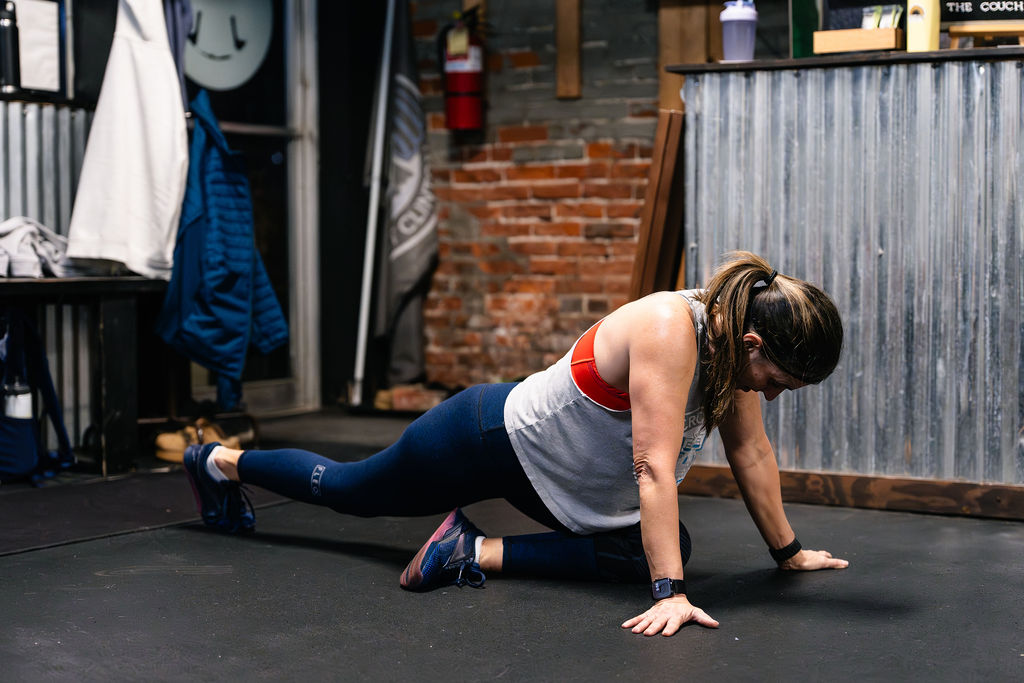
A day off is not laziness. It is how training works. Many people do well with one to three rest days per week, depending on how hard they train and how they feel. Rest days can include easy walking, gentle stretching, or just binge-watching something while your muscles do their thing.
Easy movement, like walking, light cycling, or a gentle swim, increases blood flow and helps you feel less stiff. It is active recovery, and it feels good. It also adds up to a lot of healthy movement over a week.
Your body does not separate gym stress from life stress. A brutal week at work, a sick kid, and a short night's sleep all draw from the same recovery bank. If you are running on fumes, a lighter workout, or an extra rest day, is often smarter than pushing through.
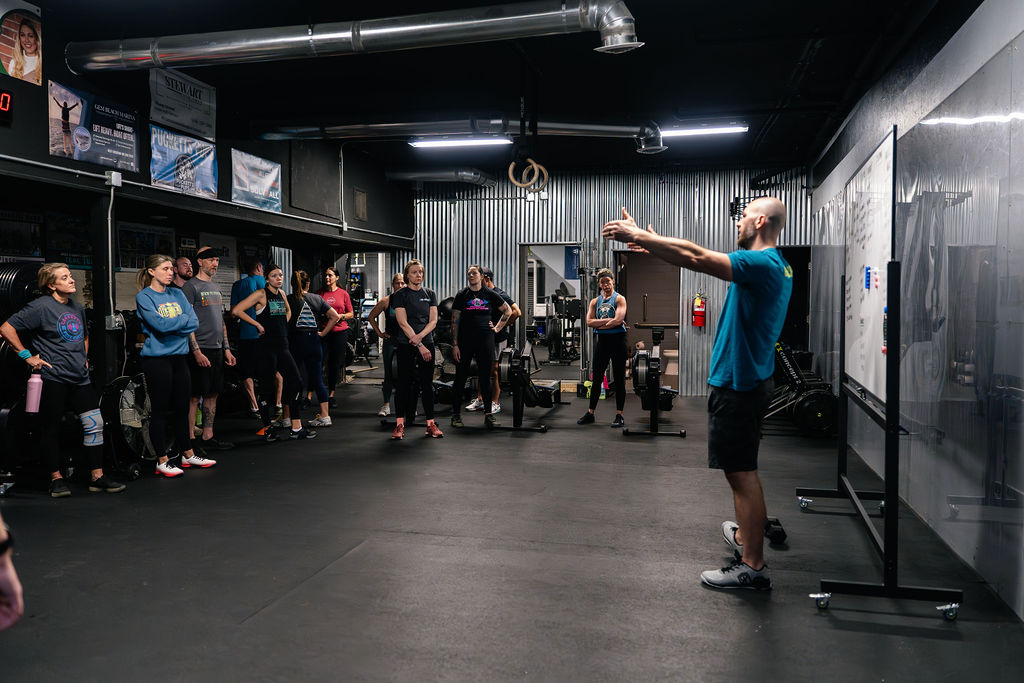
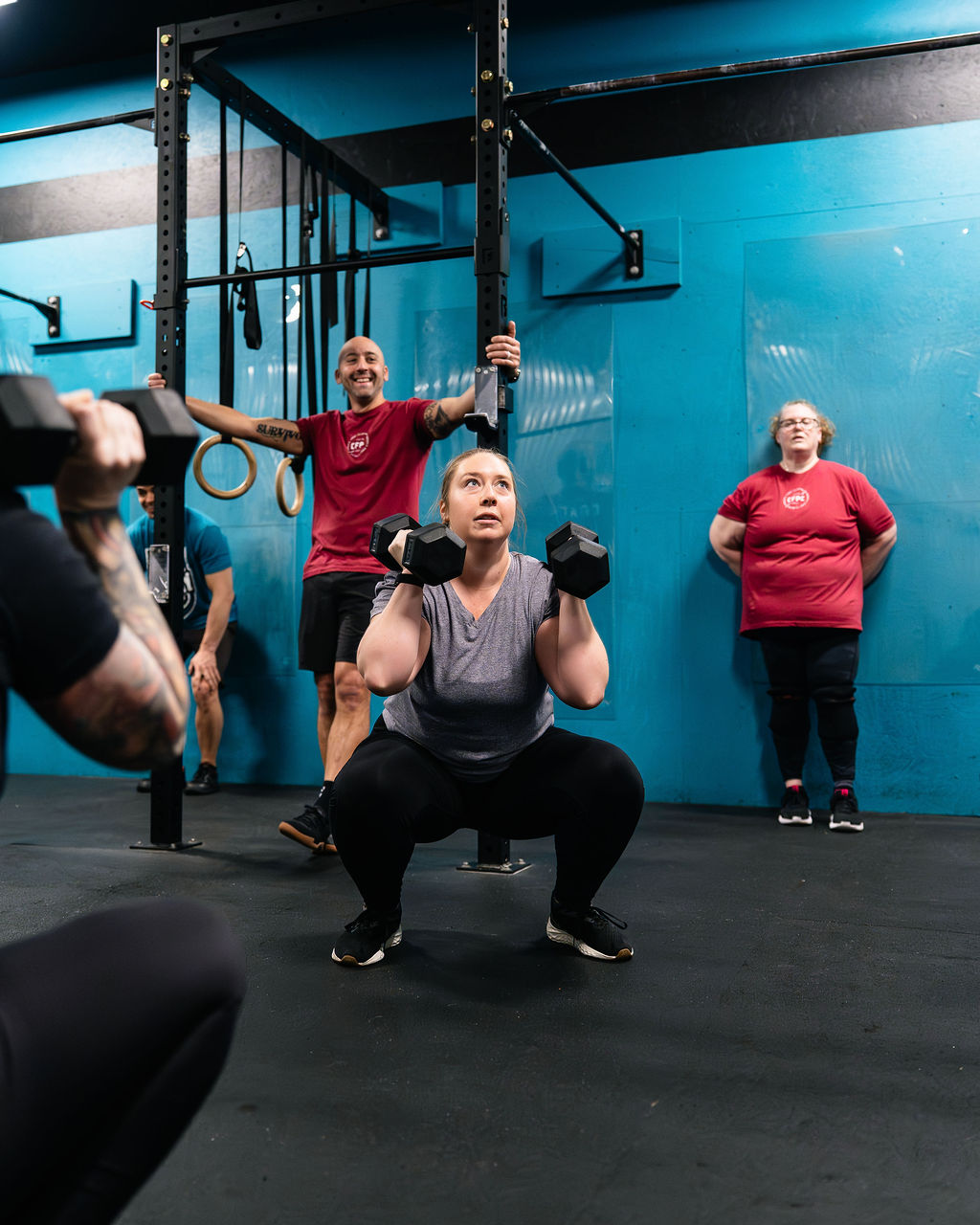
This is also why we scale. A coached class meets you where you are today, not where you were last Tuesday.
Pay attention if you notice any of these for more than a week or so:
These can point to overdoing it. They can also come from other health issues, so if they stick around, talk to your doctor.
The recovery industry is huge, and a lot of it is marketing. Here are a few common ones, honestly assessed.
If it feels good and fits your budget, enjoy it. Just do not skip the big five to buy the shiny thing.
Your version may look different. That is perfectly fine. The point is that rest is on the calendar.
Taking a rest day does not mean you lost. It means you are playing the long game. The people who stay fit for decades are rarely the ones who train the hardest. They are the ones who train smart, rest well, and keep showing up.
Balancing hard work and recovery can be tricky, especially when you are busy. That is something we help with every day.
Book your free No Sweat Intro at www.crossfitportclinton.com and let's build a plan that includes the workouts and the rest your body has earned.