
Protein has become the celebrity of the nutrition world. It is in cereal. It is in coffee. It is in chips, which feels like a stretch. Every grocery aisle looks like a gym ad.
So, how much of it do you actually need? And do you need to eat chicken breast out of a plastic container for the rest of your life? (No. Please do not.)
Let's cut through the noise.
Protein is the raw material your body uses to repair and build muscle, support your bones and immune system, and keep you feeling full. If you train, you are creating tiny bits of repair work every time you lift. Protein is the crew that shows up to fix it.
It also helps with appetite. Meals with enough protein tend to keep you satisfied longer, which helps when you are trying to manage your weight and not just wander the kitchen at 9pm.
You may have seen the standard recommendation: about 0.8 grams of protein per kilogram of body weight per day. That is roughly 0.36 grams per pound. This number is designed to prevent deficiency in the average, mostly sedentary adult. It is a floor, not a goal.
For people who lift, train hard, or are working to build or keep muscle, research and sports nutrition guidance generally land higher. Many experts suggest something in the range of 1.2 to 2.0 grams per kilogram per day, which works out to roughly 0.5 to 0.9 grams per pound. Older adults often benefit from the higher end, because the body gets a bit less efficient at using protein with age.
A simple rule of thumb many people use: aim for somewhere around 0.7 to 1 gram per pound of your goal body weight. For a person at 160 pounds, that is roughly 110 to 160 grams a day. Do not panic. We will make that look easy in a minute.
If you have kidney disease or another medical condition, talk to your doctor before raising your protein intake.
Instead of worrying about daily math, think in meals. Many people do well with 25 to 40 grams of protein per meal, spread across three or four meals. That is easier to track, and it spreads out the work for your muscles.
What does 25 to 40 grams look like?
Here is what hitting a good protein number can look like using regular food.
That is a solid day. Nobody had to drink a shake while crying in a parked car.
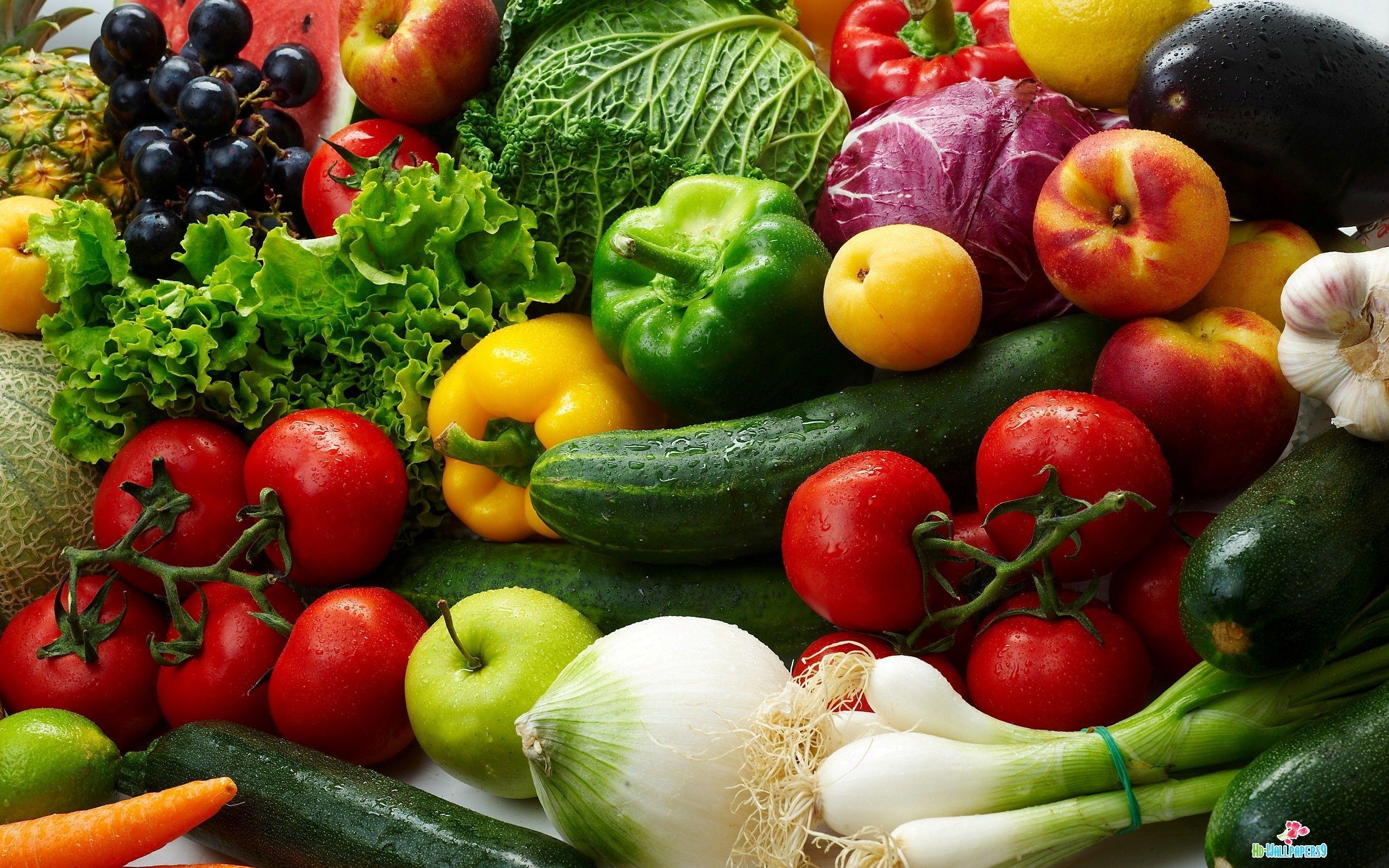
We are big fans of building meals around meat, fish, eggs, vegetables, nuts, seeds, and a little fruit, and keeping the sugar and highly processed stuff to a minimum. That approach gets you plenty of protein along with the vitamins, minerals, and fiber you need. Protein powder is a convenient tool when life is busy, but it is a backup, not the plan.
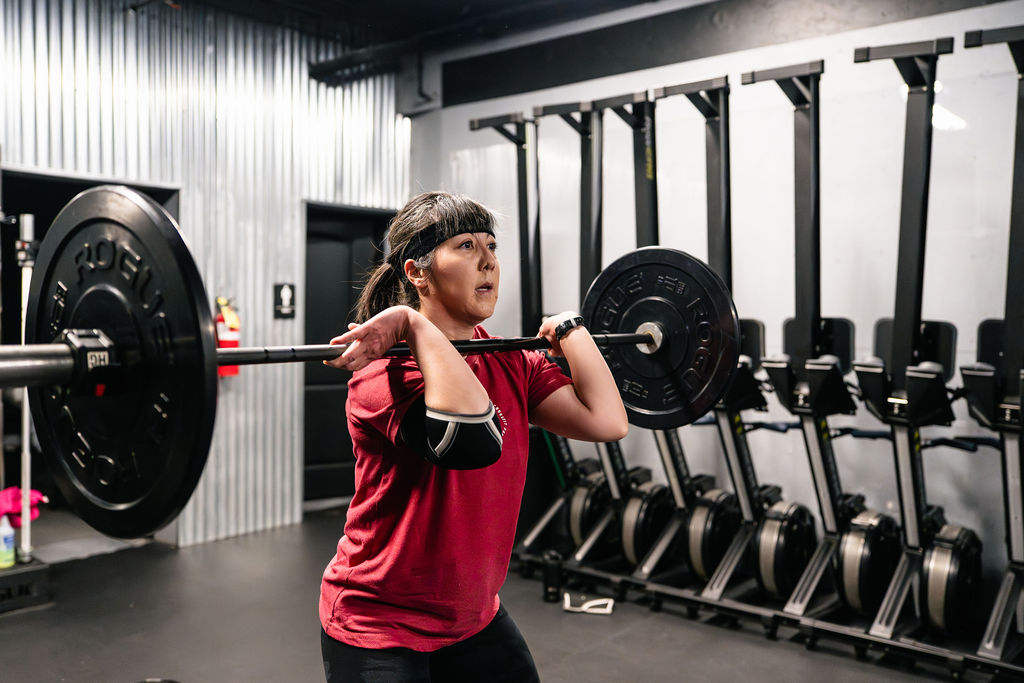
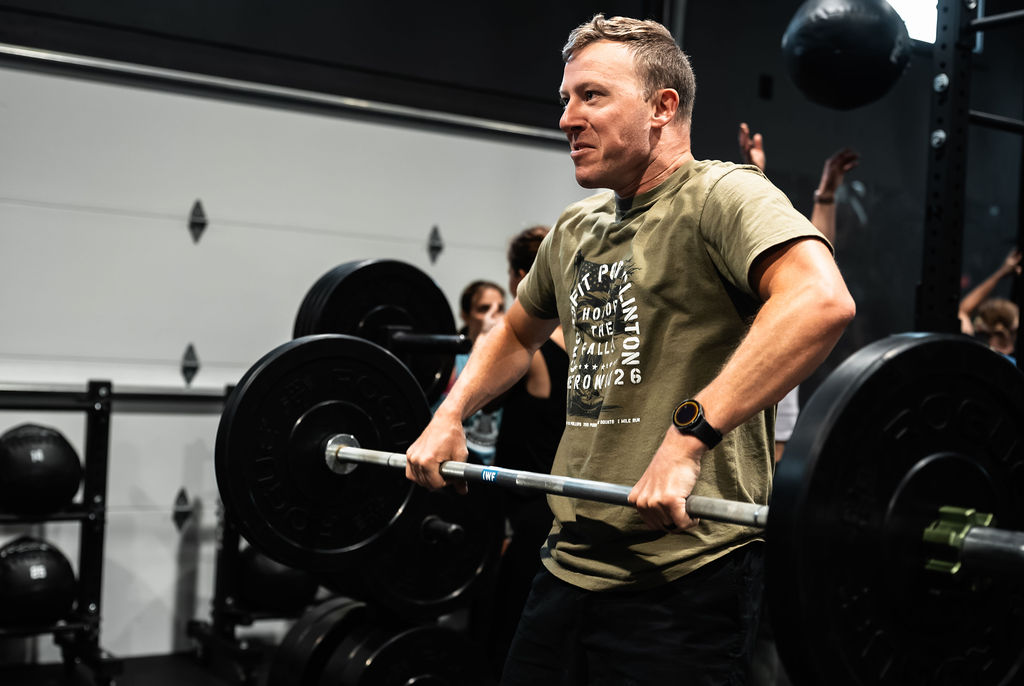
Training and nutrition work as a team. Strength training gives your body a reason to use protein, and protein gives your body the stuff to respond to training. If you want help getting started, a coach can help you figure out a realistic target and a few easy habits.
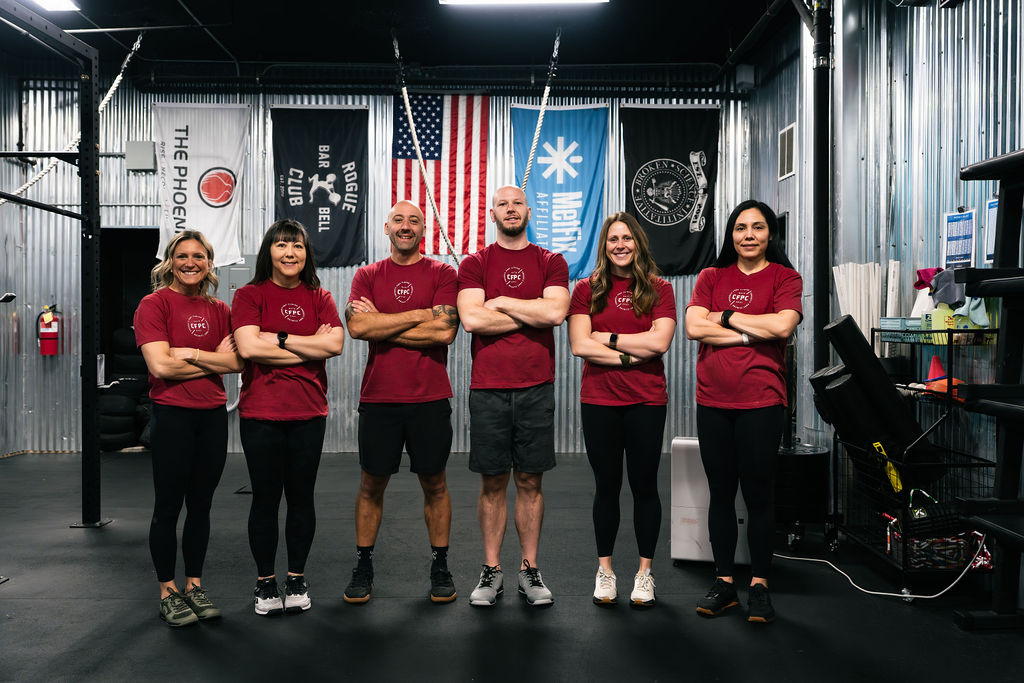
At CrossFit Port Clinton, we keep nutrition simple, honest, and doable for real people with real schedules and real kids who only eat noodles.
Book your free No Sweat Intro at www.crossfitportclinton.com and let's talk about training and eating in a way that actually fits your life.