
Nobody has ever sat in a rocking chair at 85 and said, "I really wish I had been weaker."
Not once. Ask around.
Yet most of us spend our 30s, 40s, and 50s doing everything except building strength. We are busy. We are tired. We are carrying laundry baskets and work stress and a toddler on one hip. Strength training feels like something for someone else, usually someone with a lot more free time and a lot fewer snack crumbs in the car.
Here is the good news: strength is one of the most useful things you can build at any age, it is much easier to build than most people think, and it is never too late to start. Let's talk about why it matters and how to begin.
Starting around our 30s, we slowly lose muscle mass, and the pace tends to pick up in later decades. This age-related muscle loss has a name, sarcopenia, and commonly cited estimates put the loss at a few percent per decade if you stay inactive. Strength drops even faster than size does.
You will not feel this at first. Then one day you notice the jar lid is harder, the stairs are slower, and getting off the floor takes a strategic plan and a small grunt. It sneaks up, like gray hair, but with more knee noise.
The great news is that muscle responds to training at every age. People in their 60s, 70s, and 80s build strength when they lift. The body is stubborn in the best way.
This is the part we get excited about, because it is not about aesthetics. Strength shows up in real life.
Fantastic. Neither are we. Strength training is not about getting huge. It is about being capable. Most of our members want to move through life without things hurting and without feeling fragile, and that is a very achievable goal.
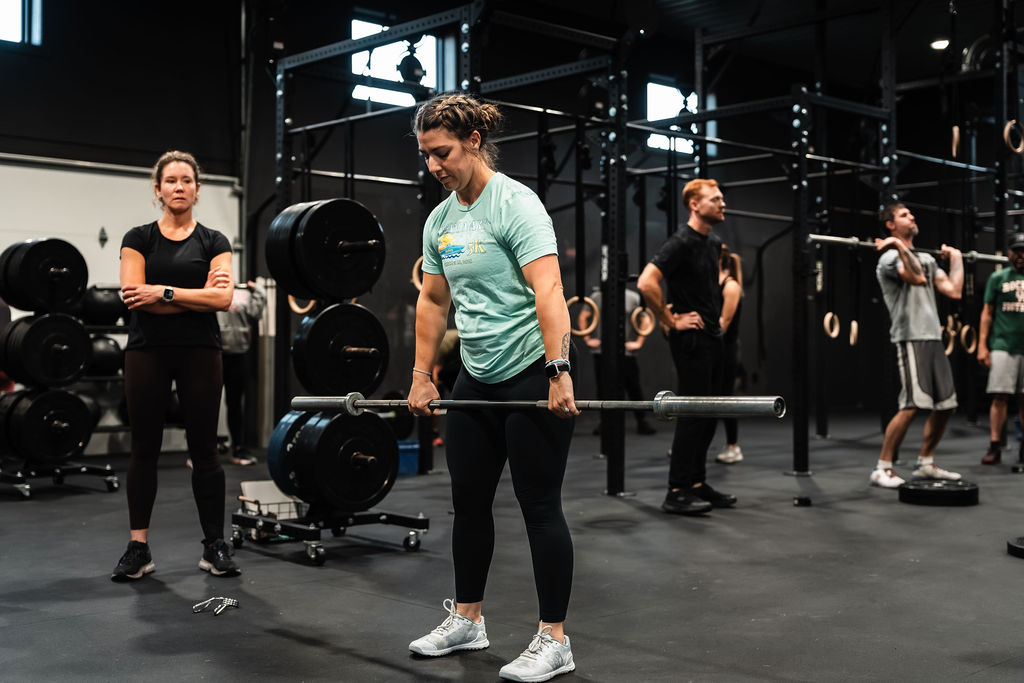
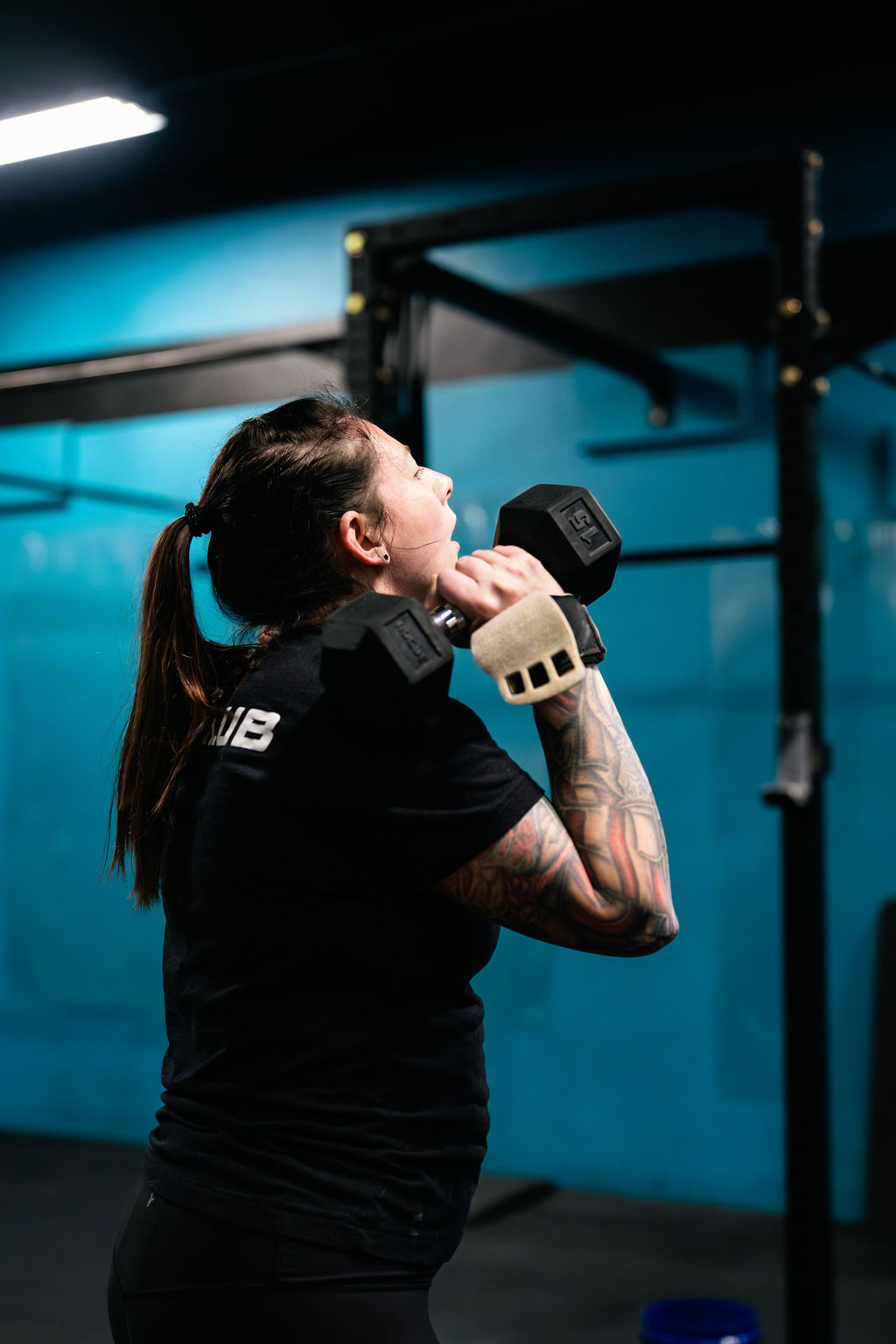
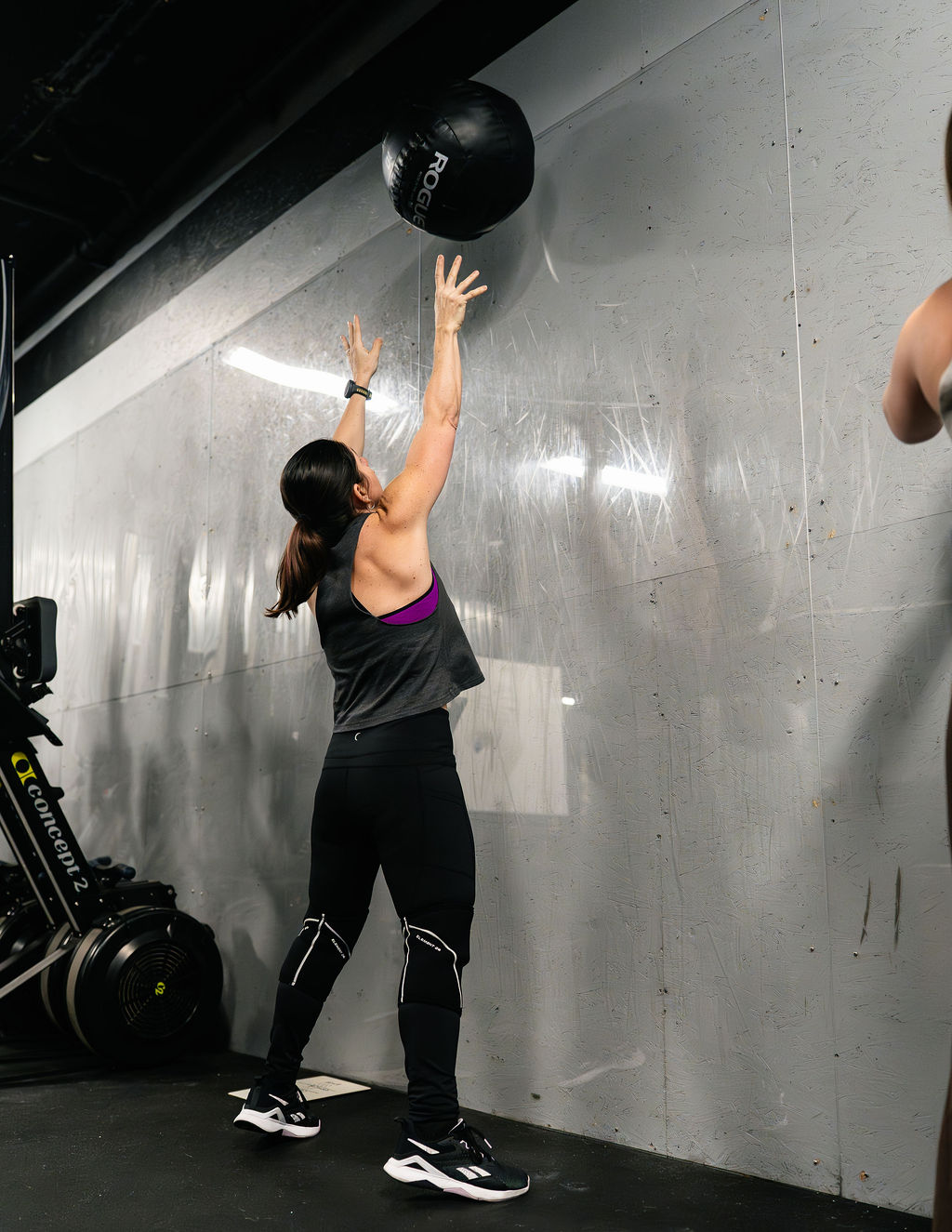
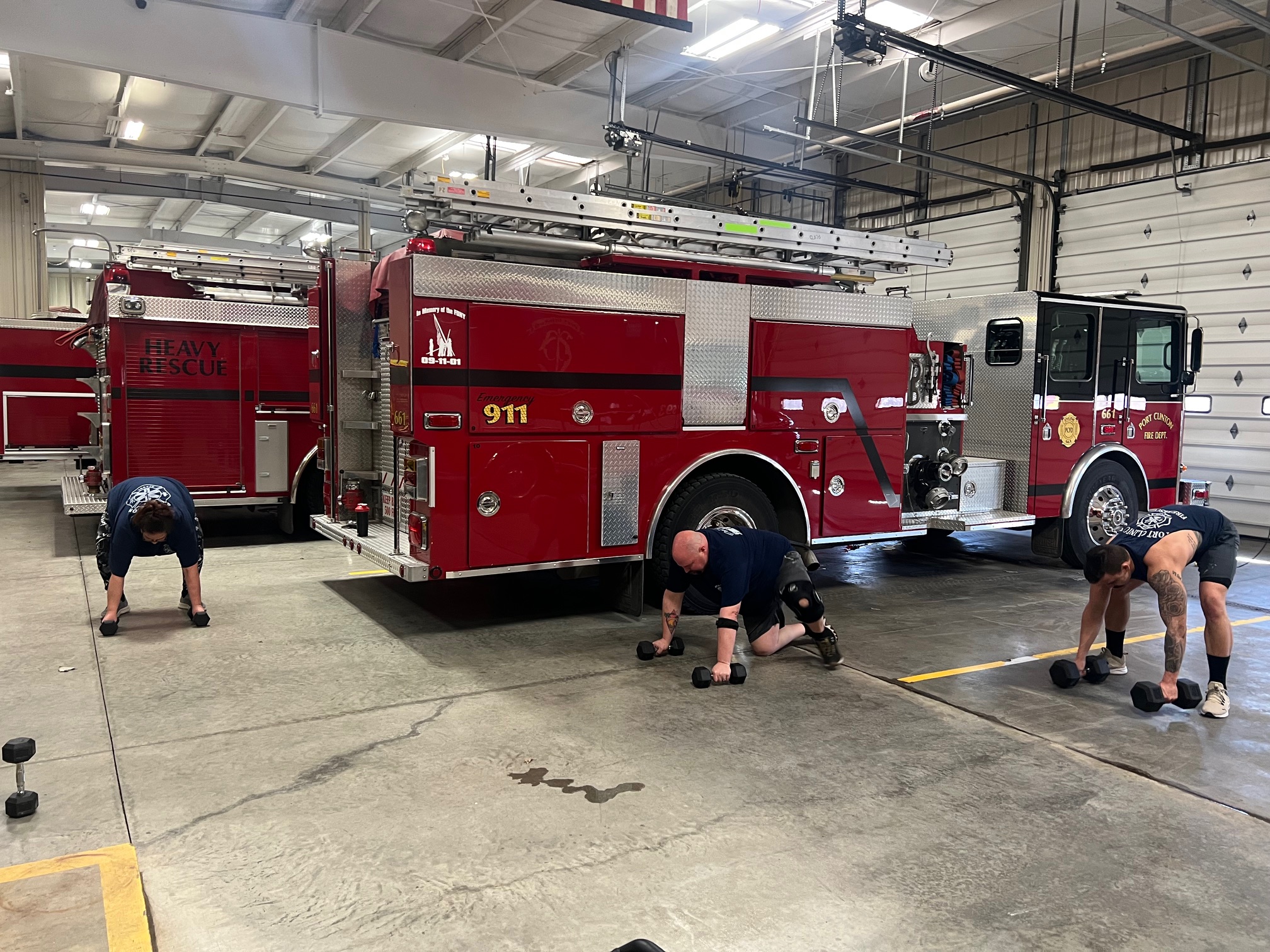
You do not need a complicated plan. You need a few basic movement patterns, practiced regularly, with weights that get a bit heavier over time.
Two to three sessions a week is plenty for most people to make real progress. You do not need to live in the gym.
Fancy phrase, simple idea. Your body only gets stronger if you ask it to do a little more than it did last time. That can mean a few more pounds, an extra rep, or a smoother movement. Small upgrades add up, and they add up faster than you expect. Six months of showing up usually surprises people.
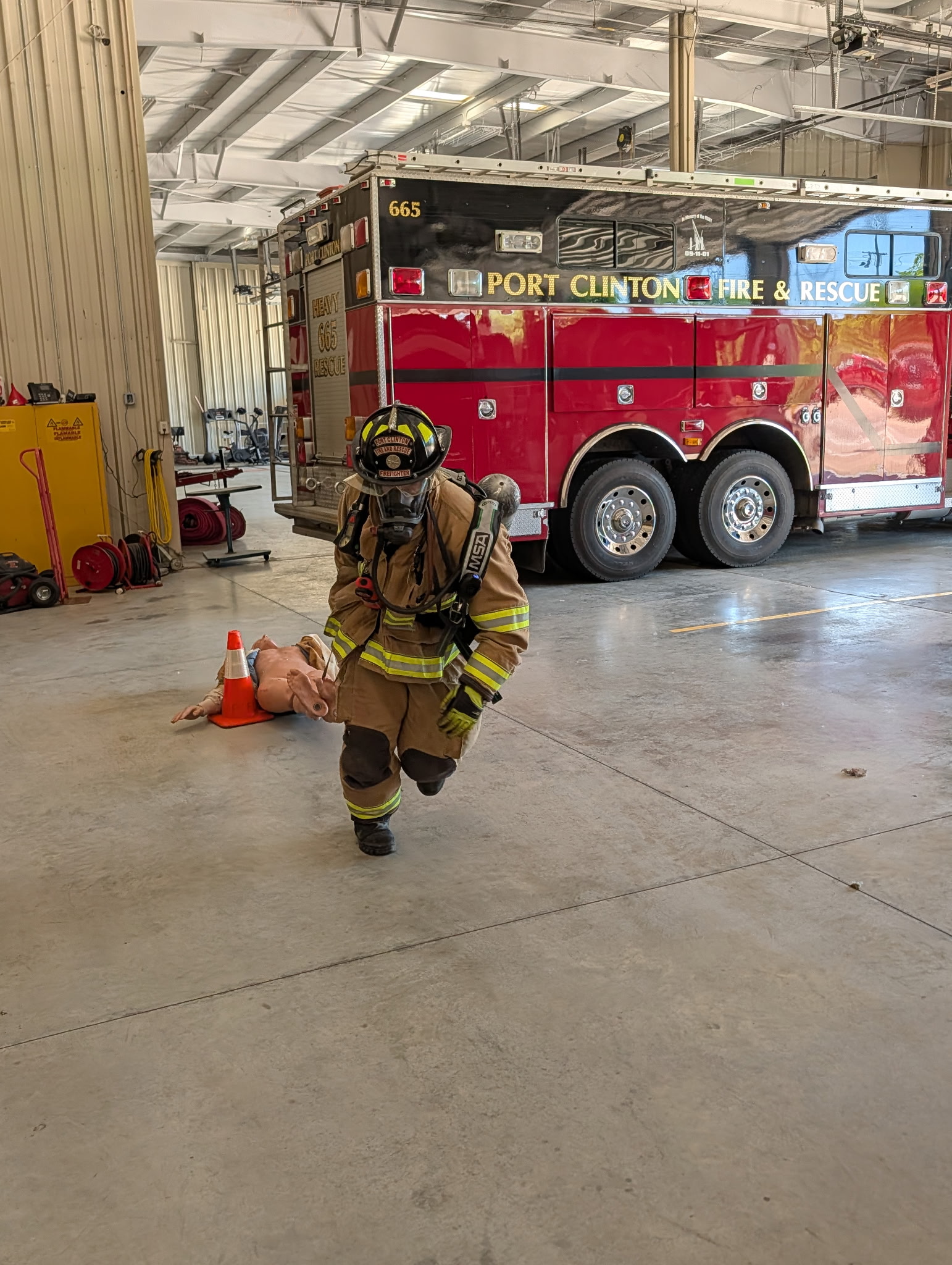
Think about everything you carry in a normal week. Kids. Groceries. Boxes at work. Luggage. A very confident dog. All of it is a strength test, and most of us just muddle through. Now imagine all of that feeling easy. That is the real prize. It is not a number on a bar. It is a life that takes less effort.
The best time to start was ten years ago. The second best time is this week. Strength builds slowly and adds up fast, and the people who start in their 40s and 50s often end up in better shape at 60 than they were at 40.
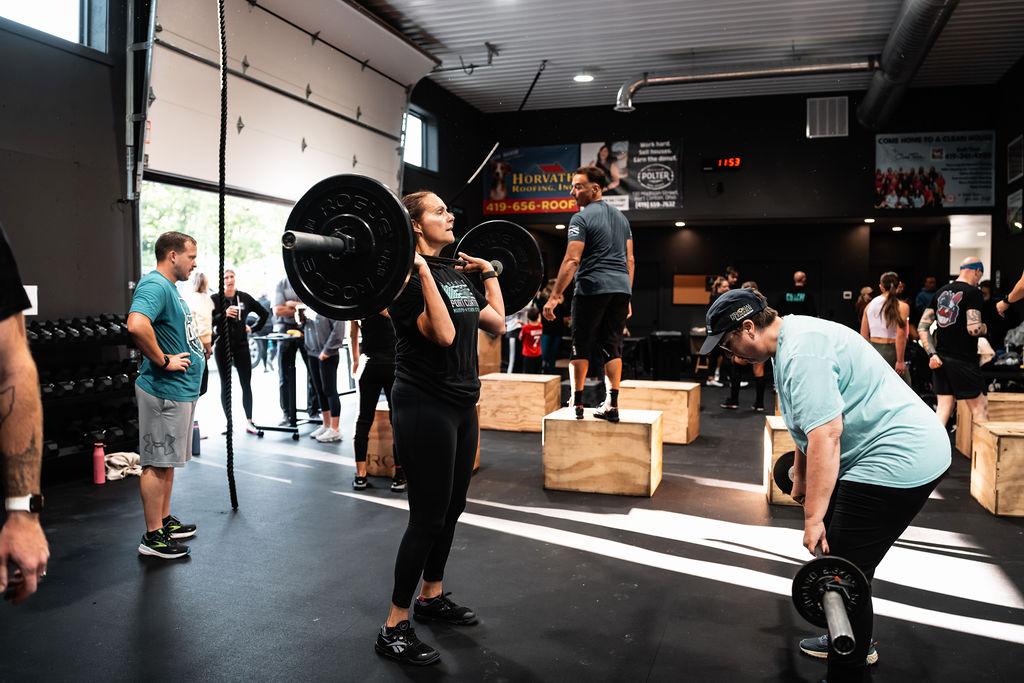
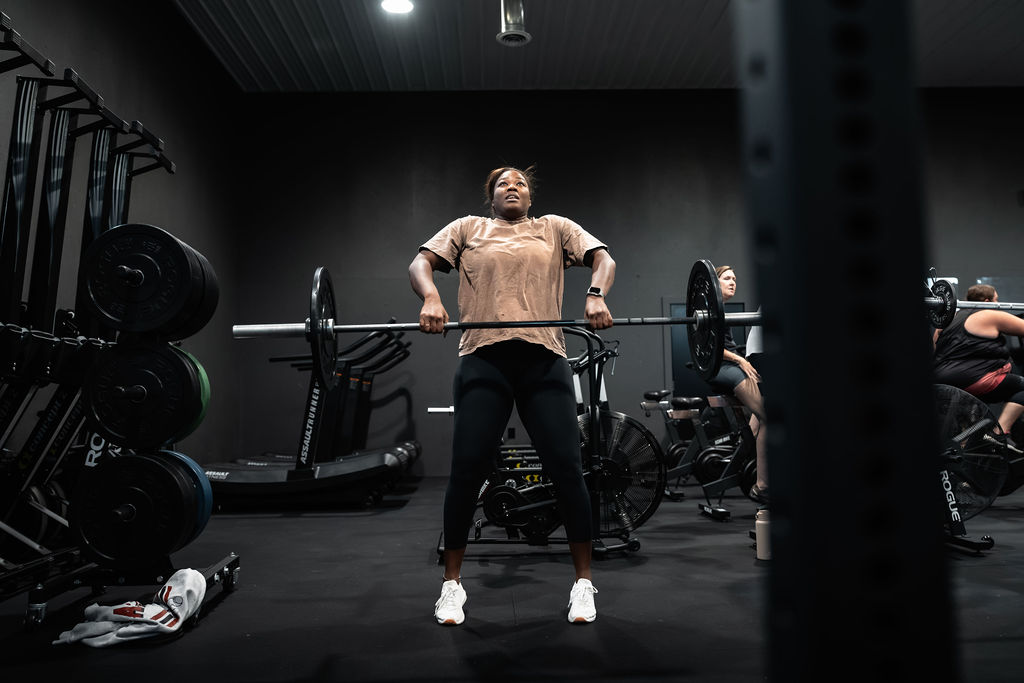
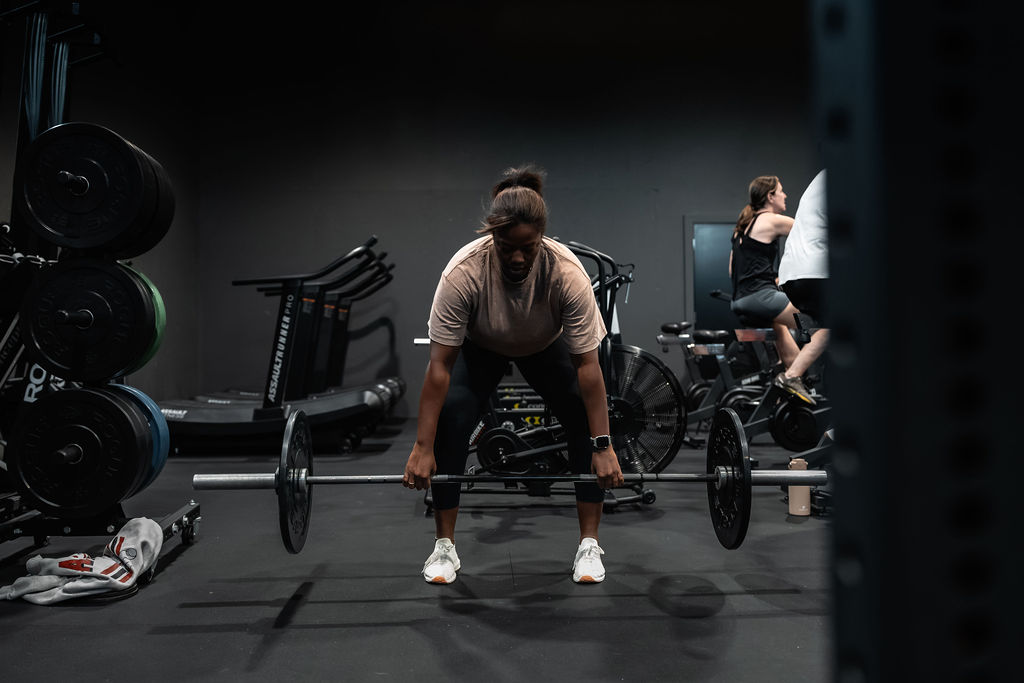
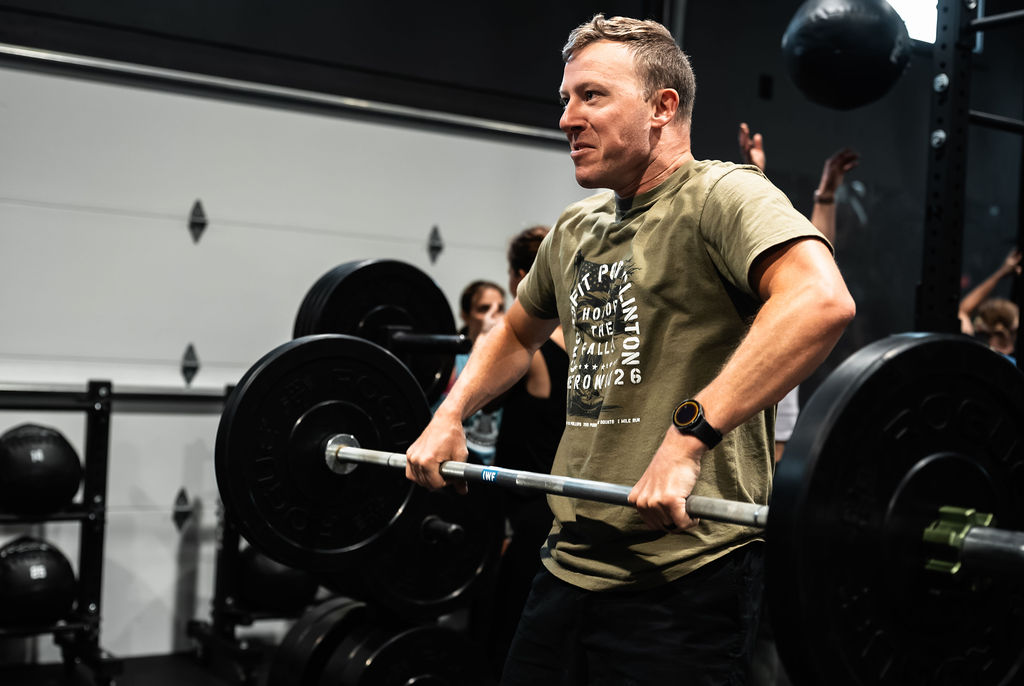
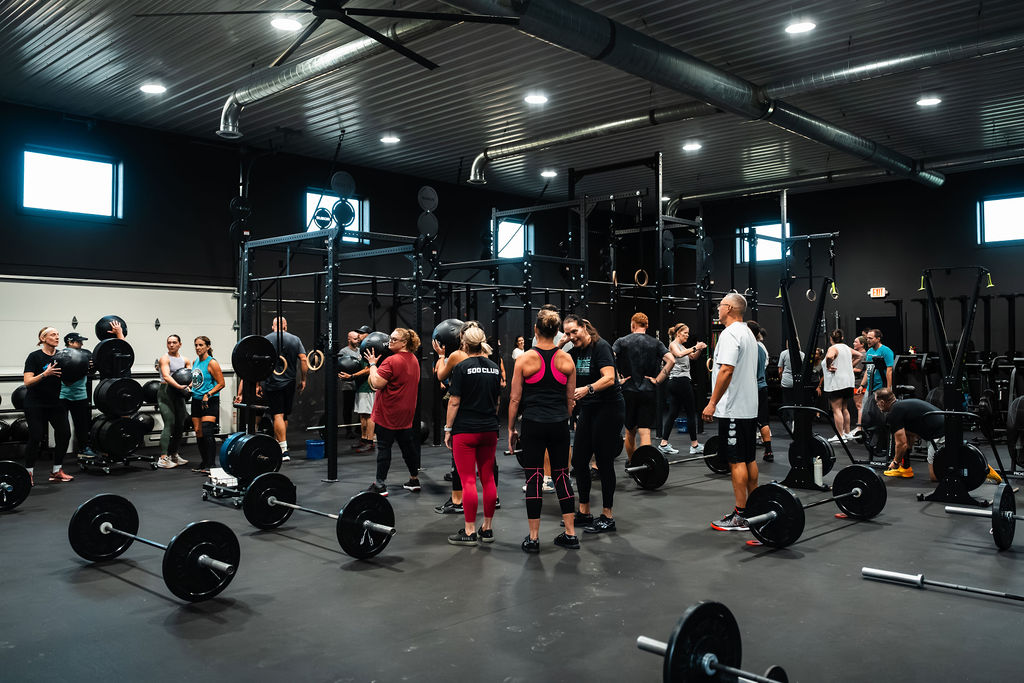
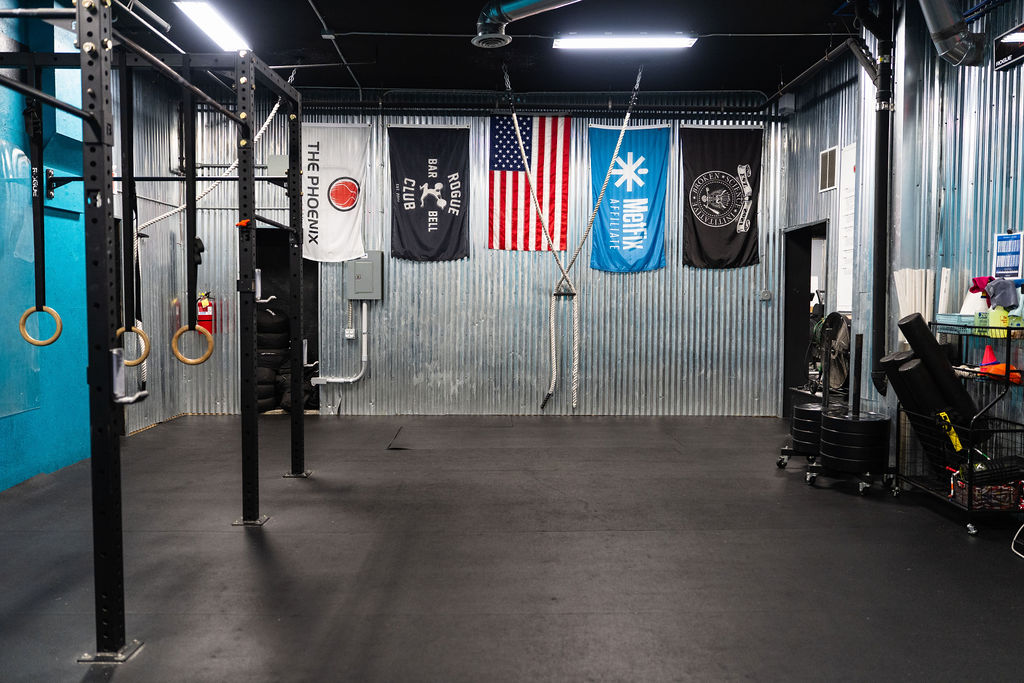
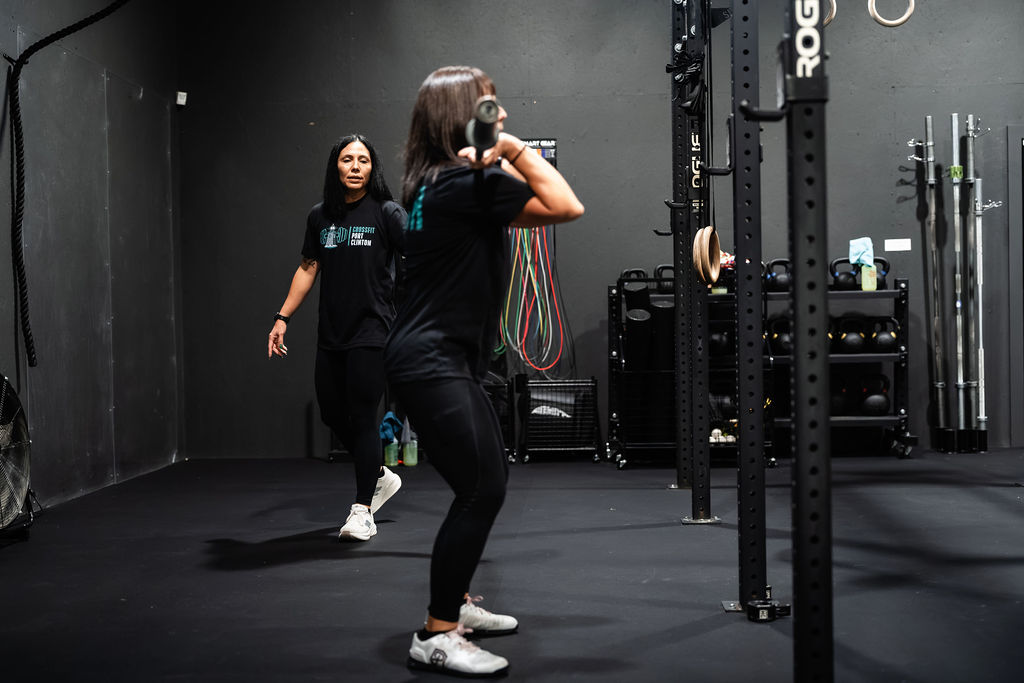
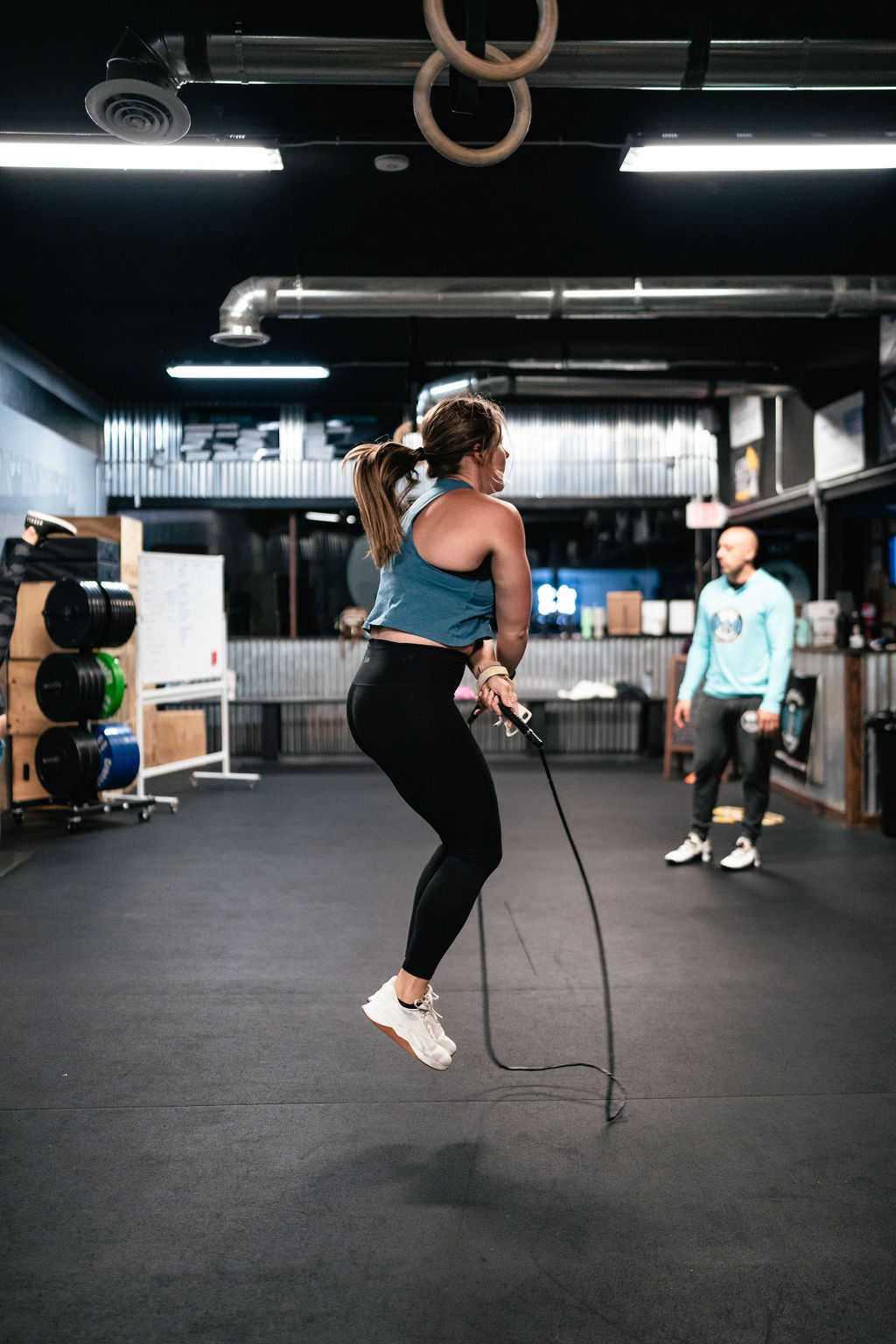
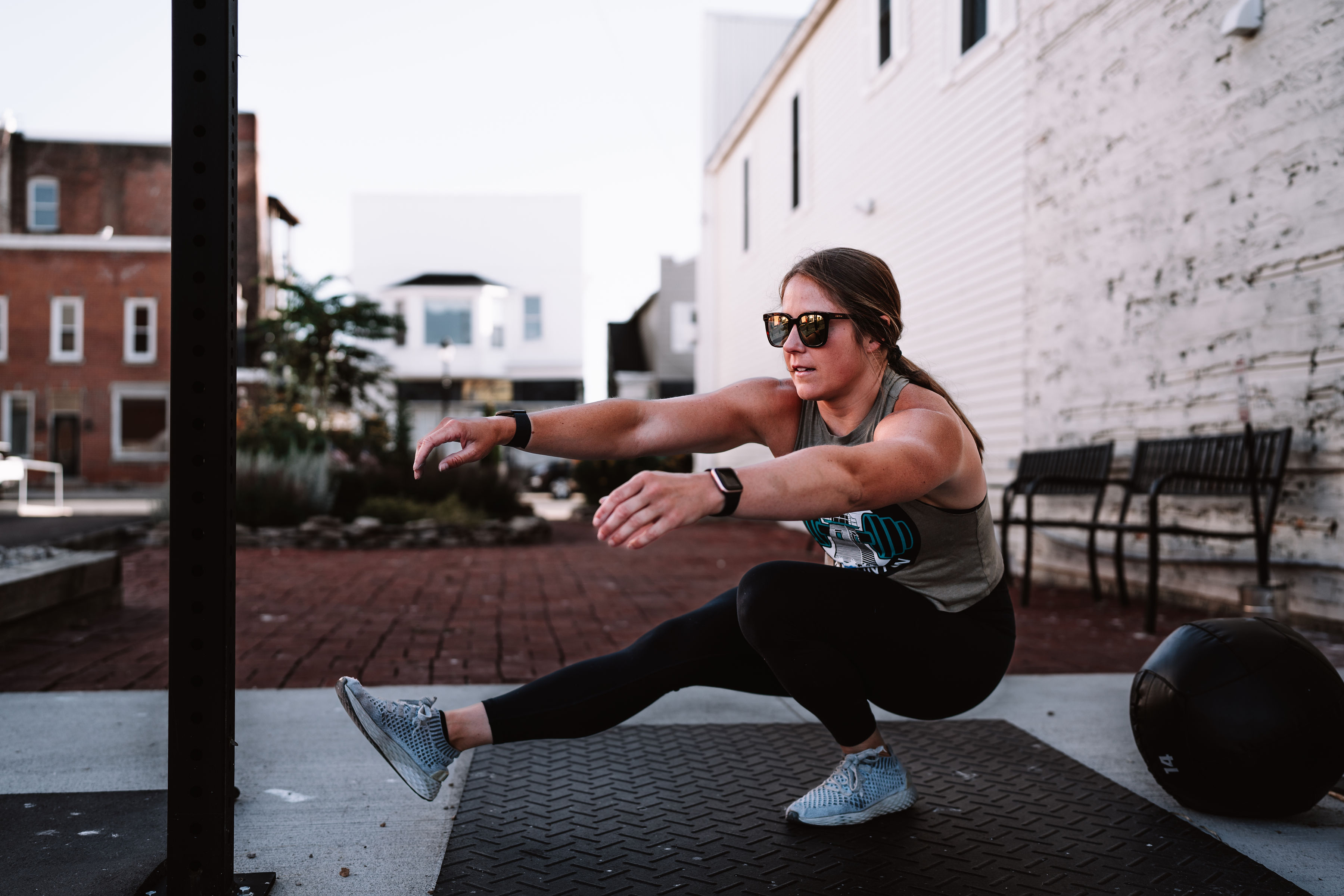
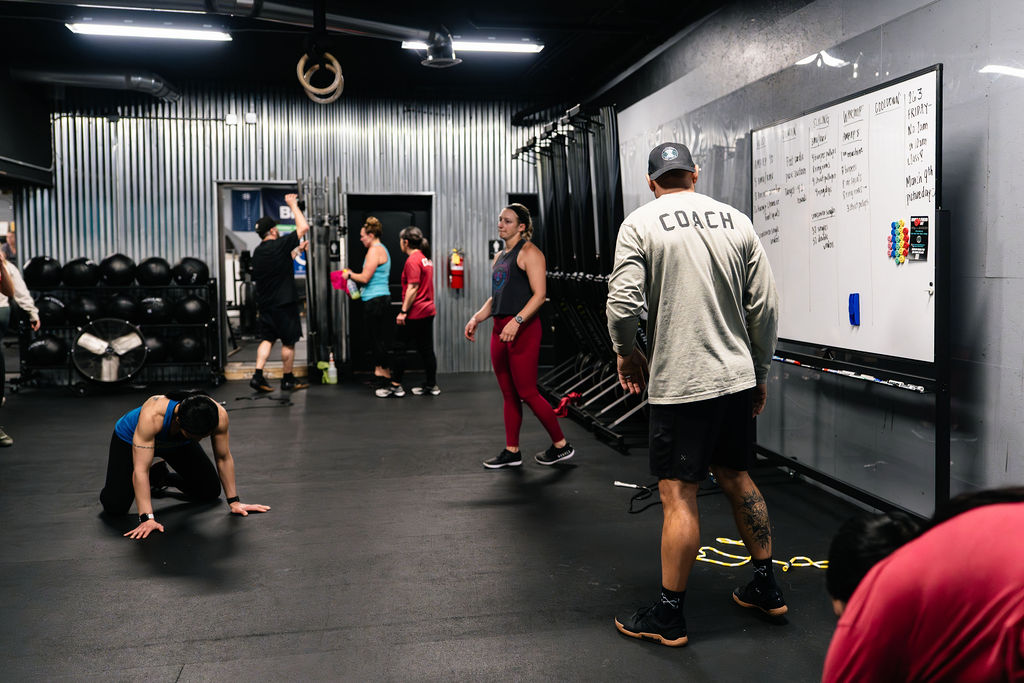
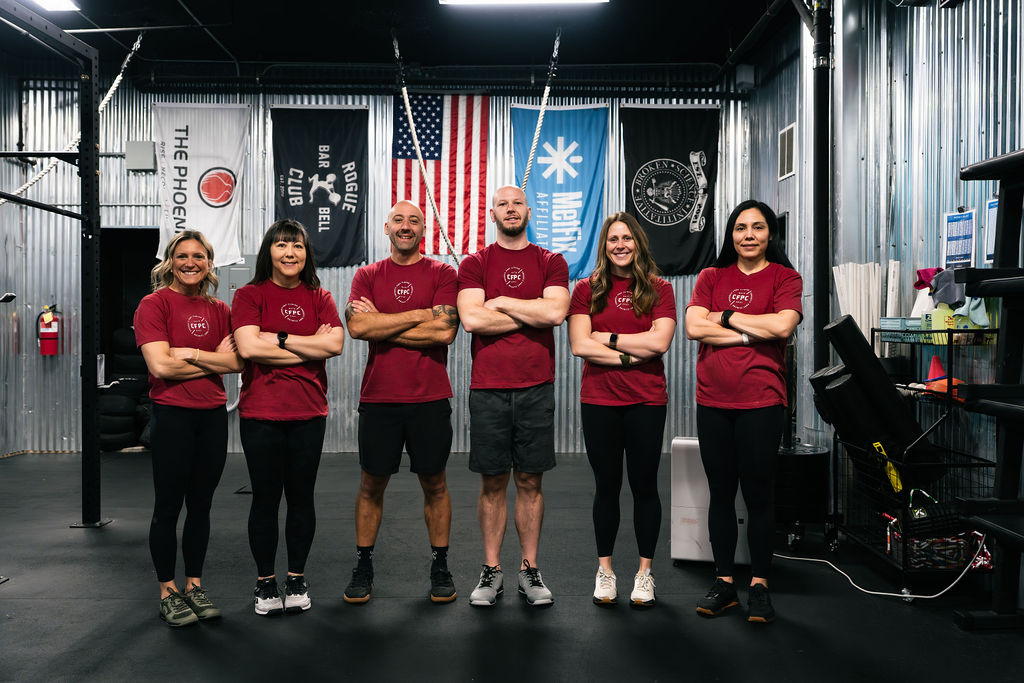
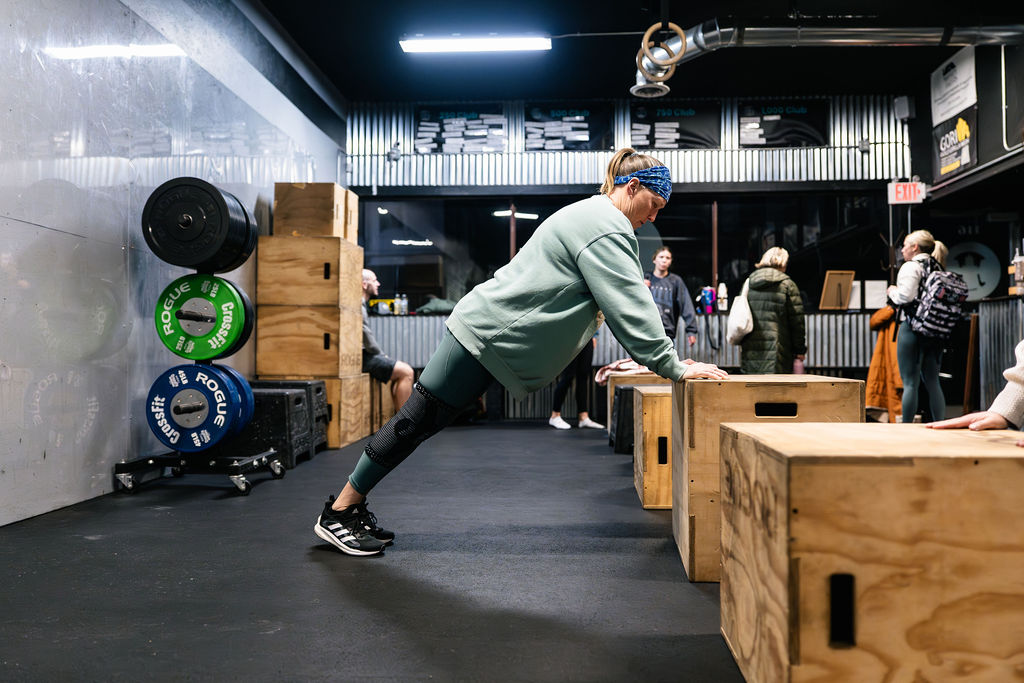
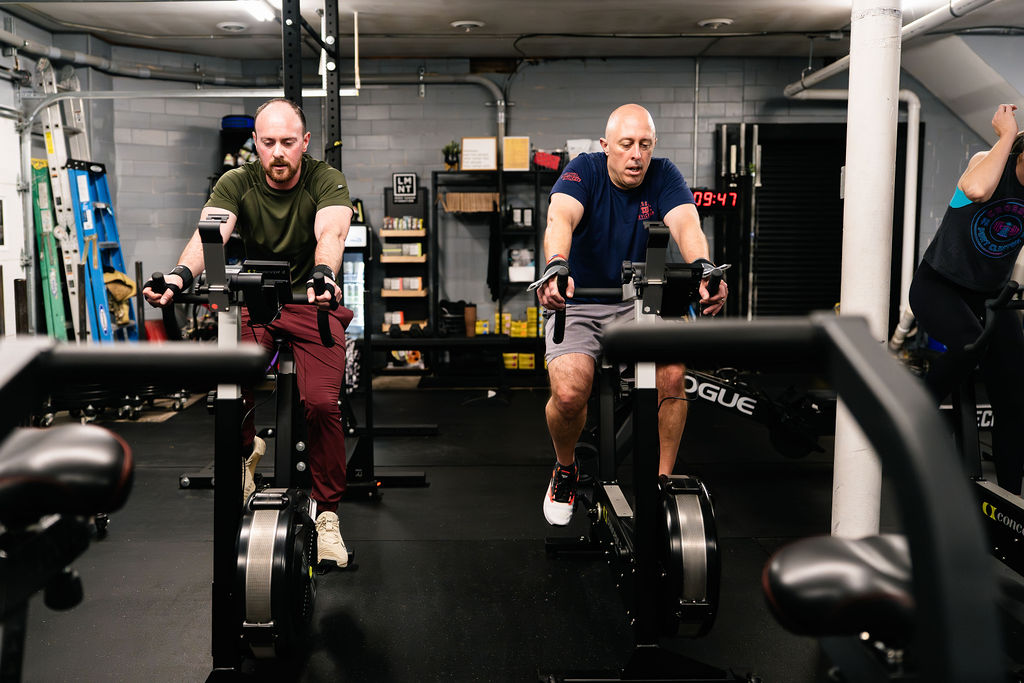
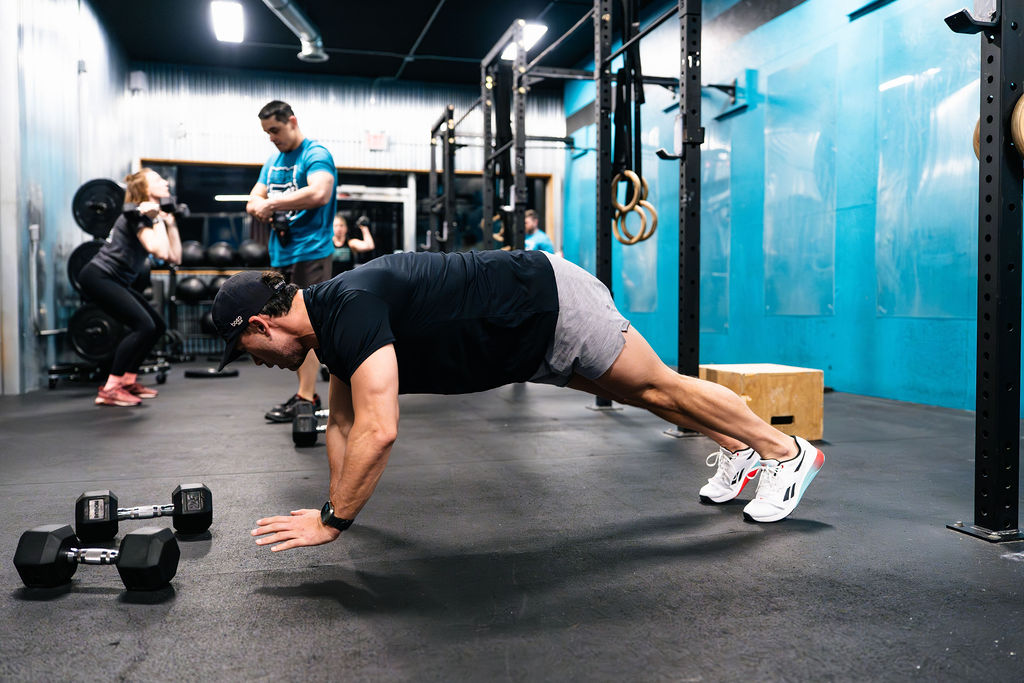
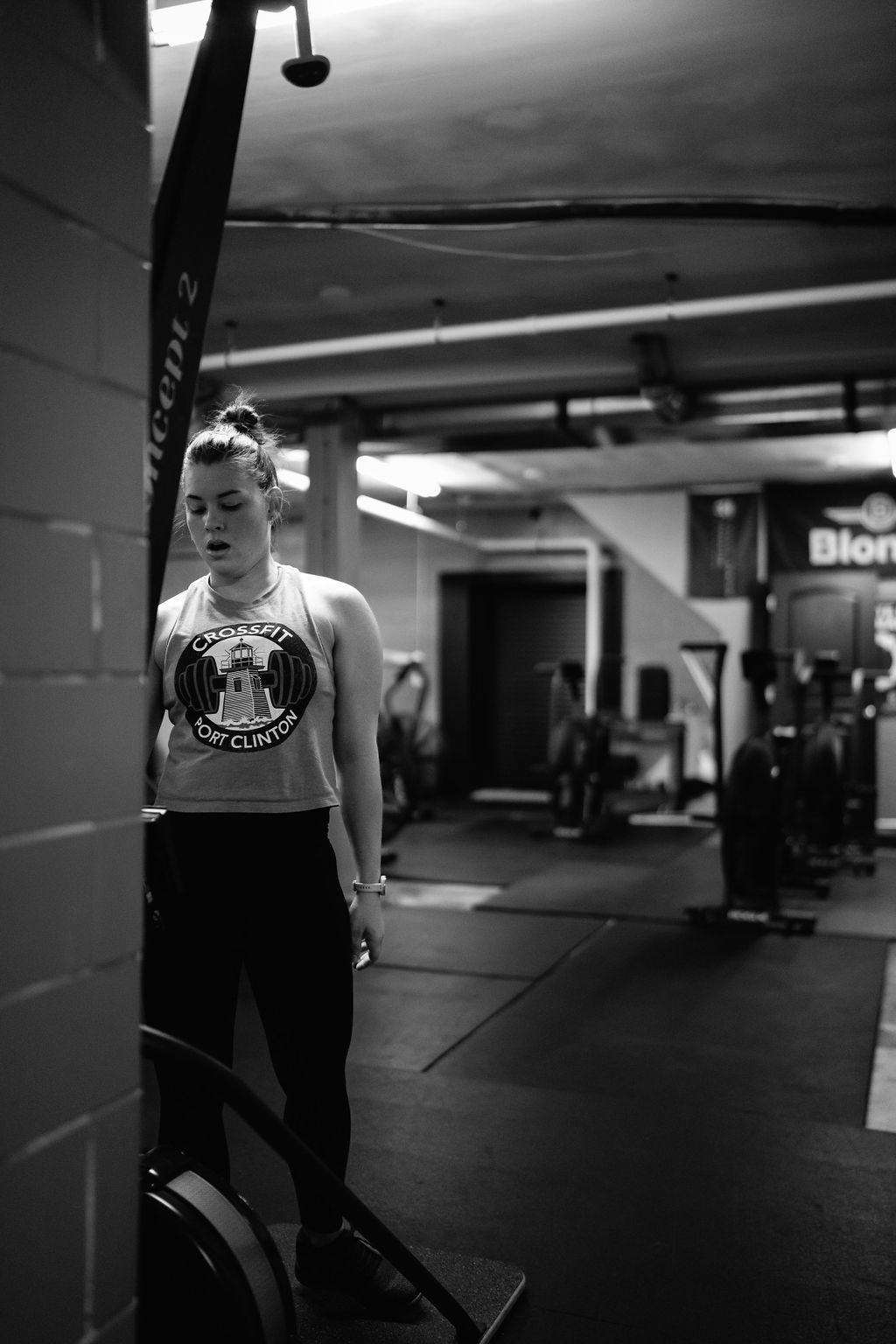
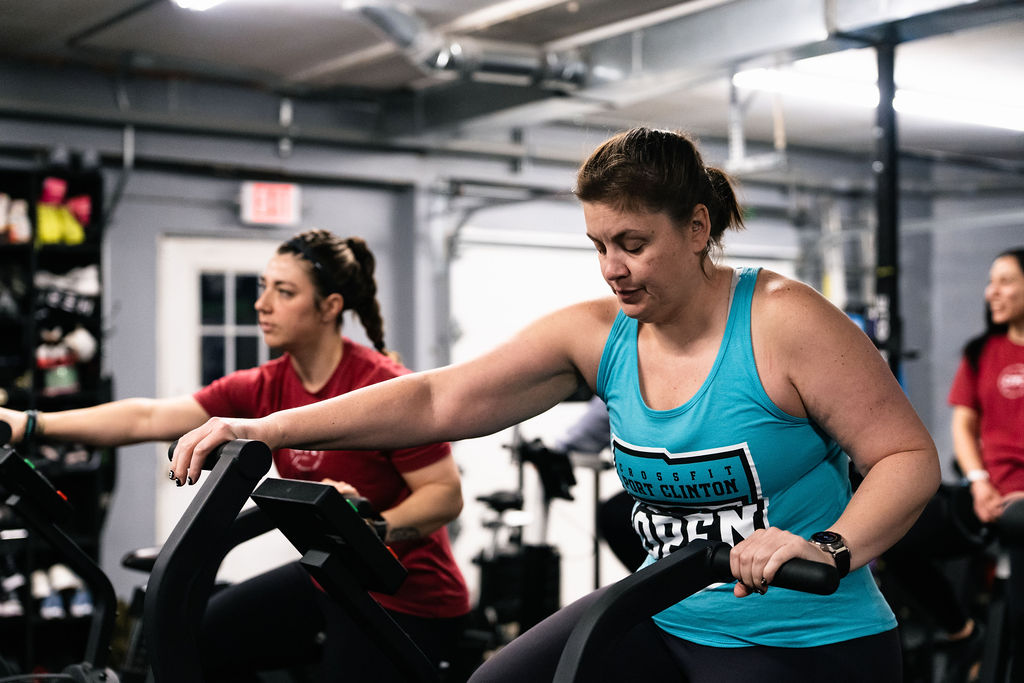
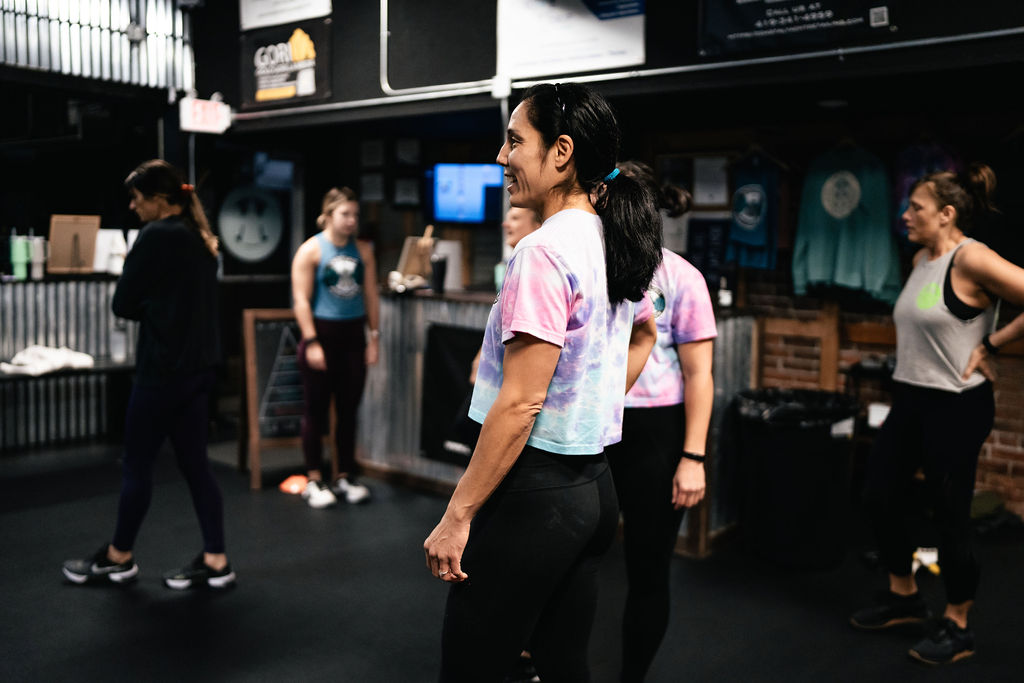
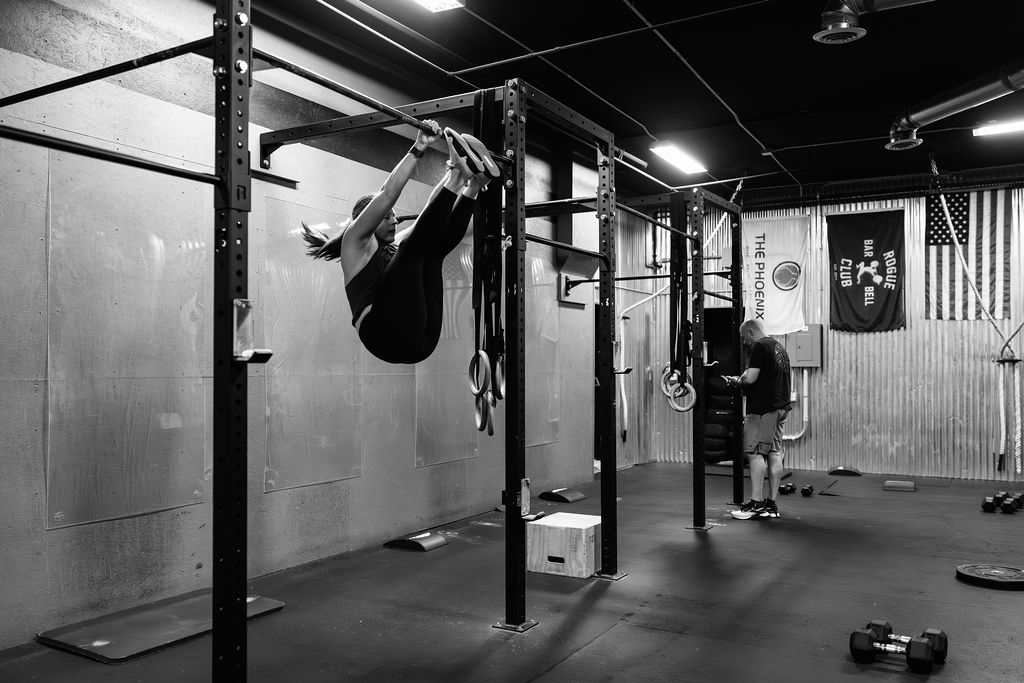
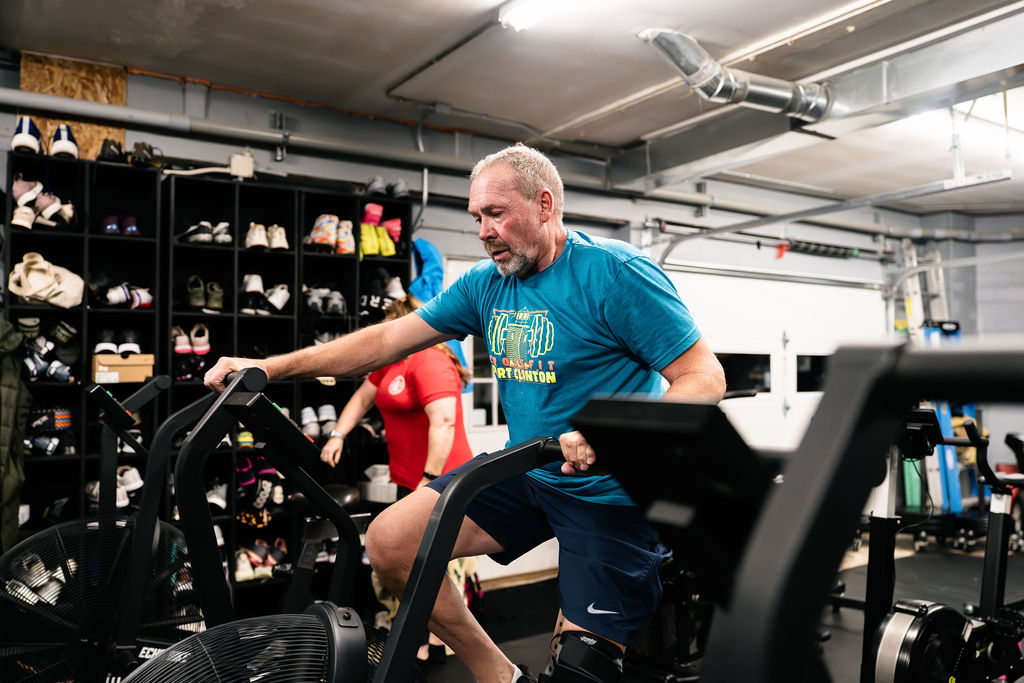
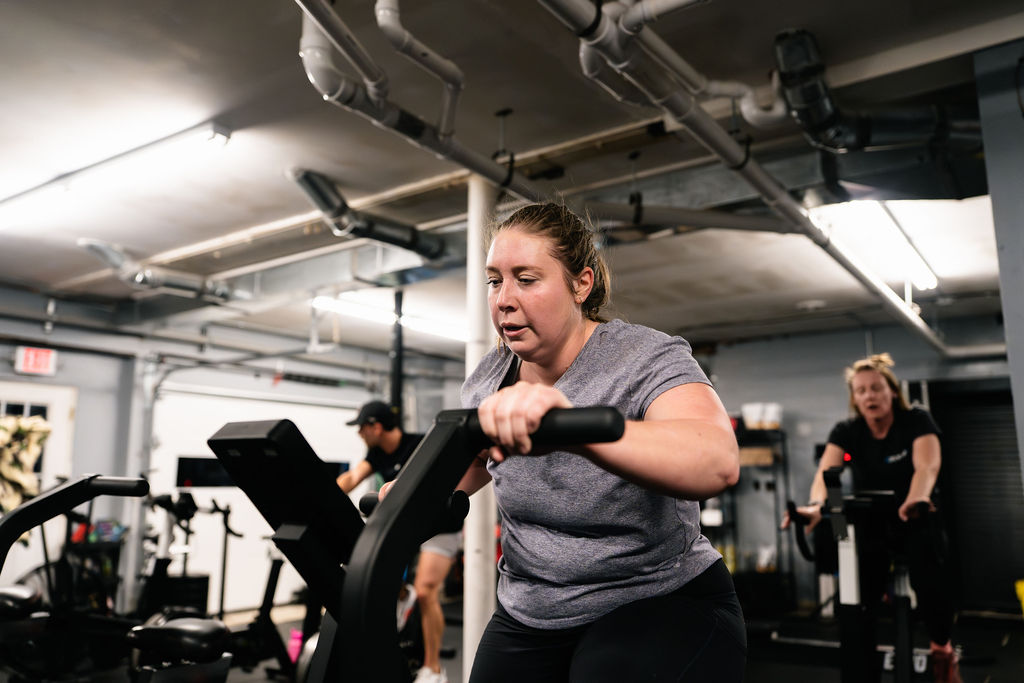
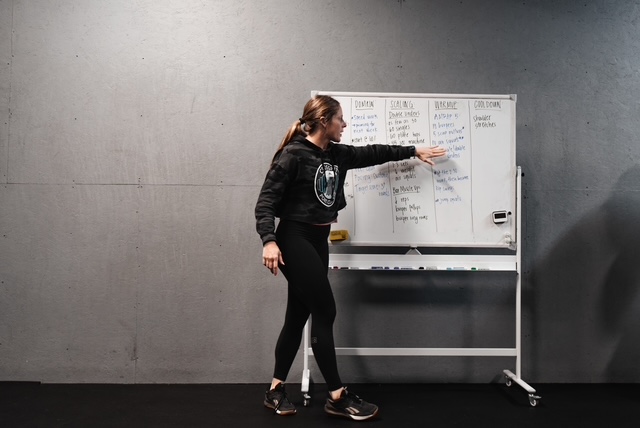
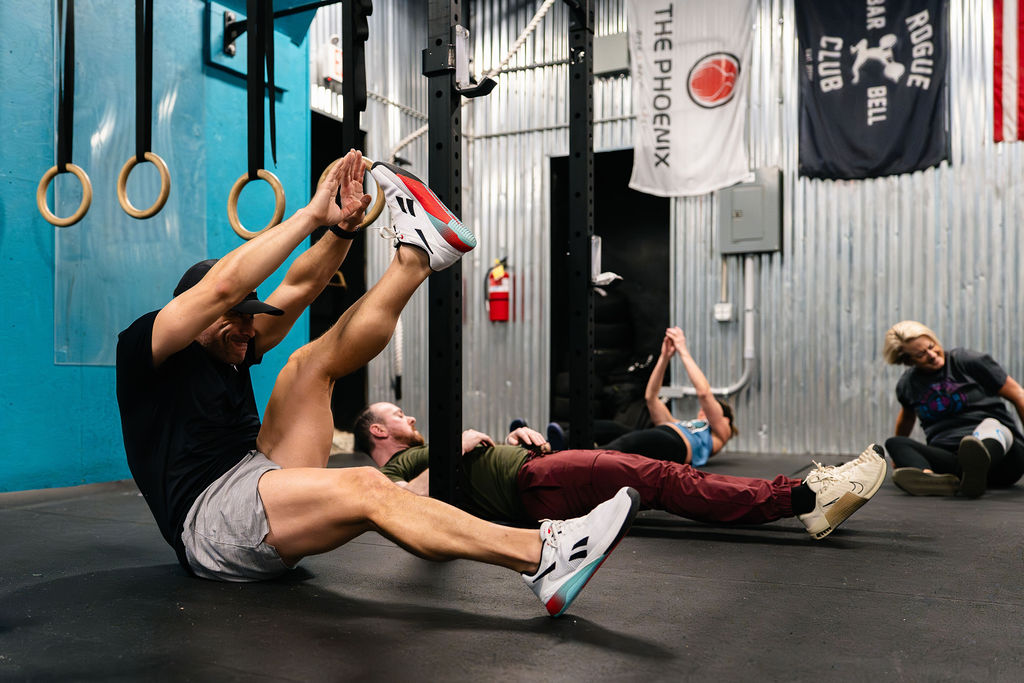
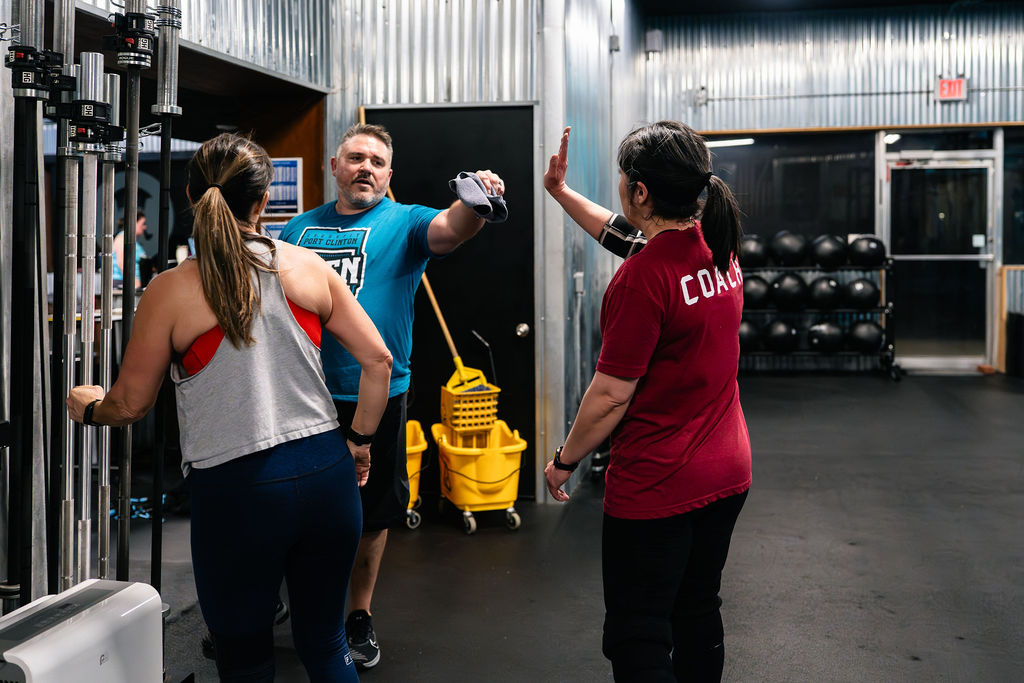
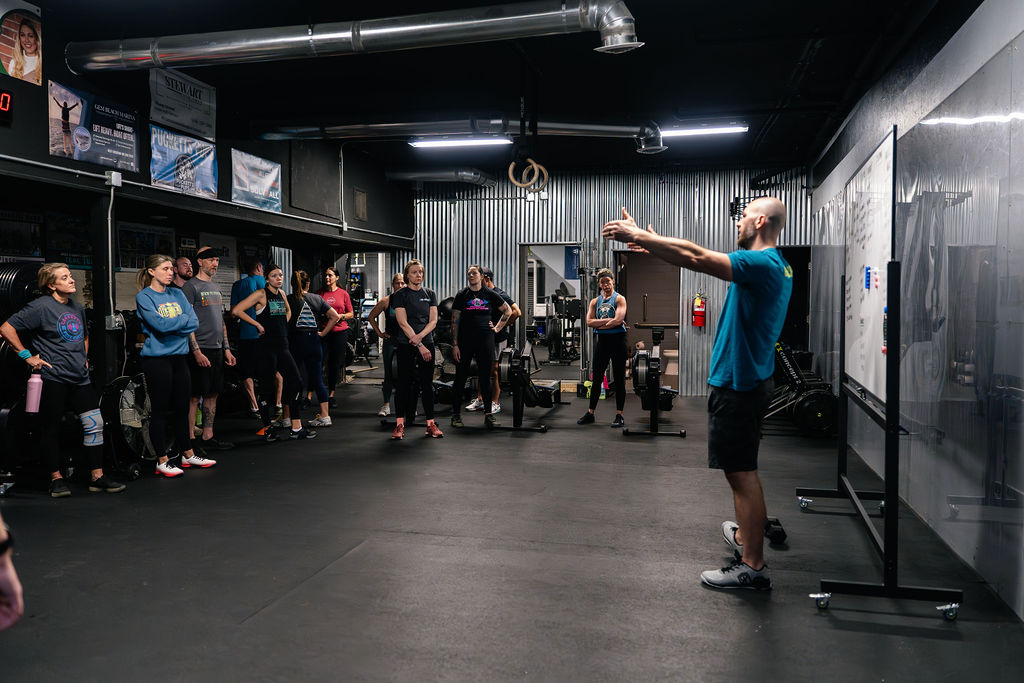
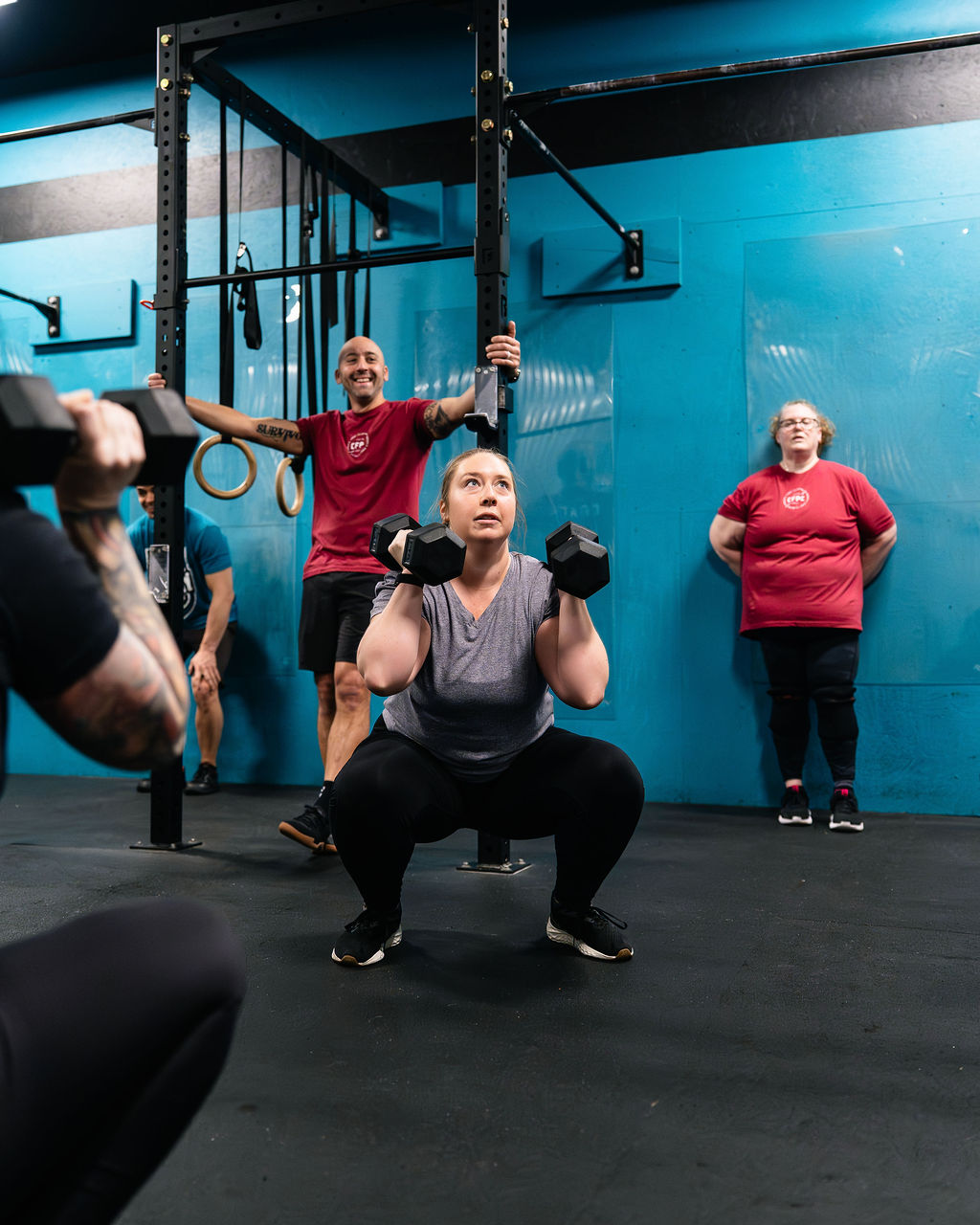
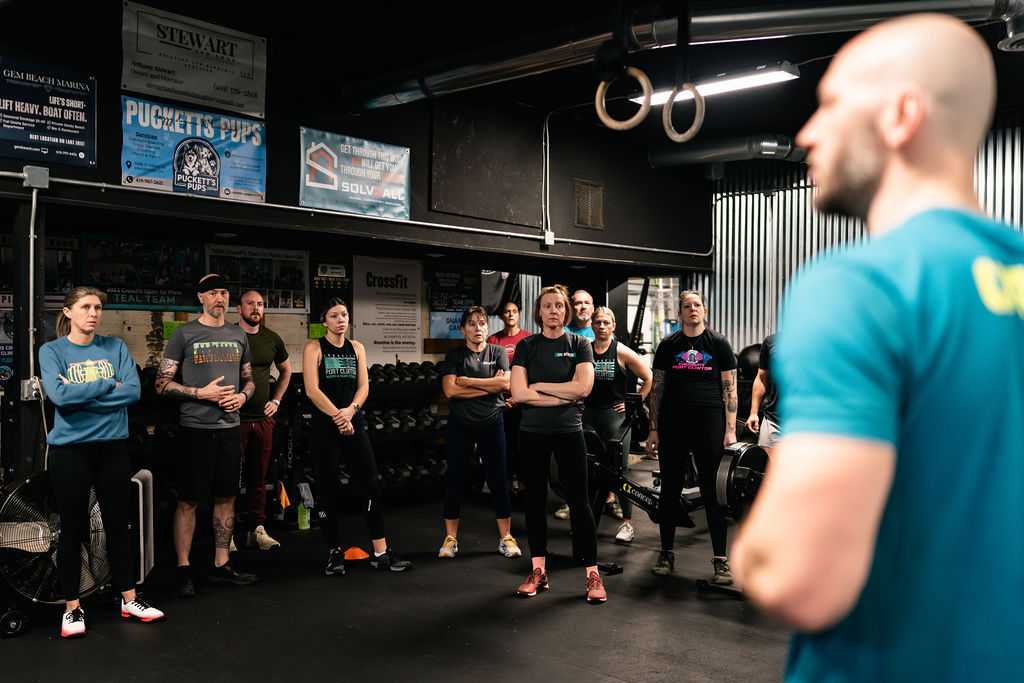
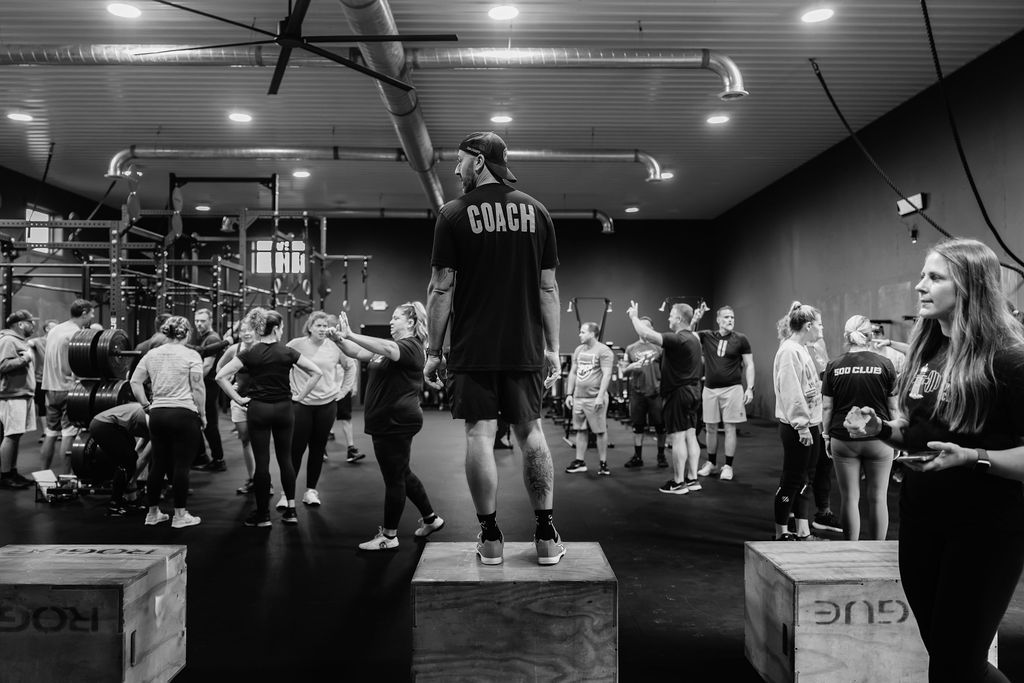
At CrossFit Port Clinton, every class is coached, and every workout is scaled to you. We will teach you how to squat, hinge, push, pull, and carry, and we will make sure you actually enjoy it.
Book your free No Sweat Intro at www.crossfitportclinton.com and let's build the version of you that opens jars with confidence.