
If you live with chronic pain, you already know the pep talks. "Just push through it." "Have you tried yoga?" "My cousin cured his back with a foam roller." You smile, nod, and silently plan your escape.
So let's do something different. This post does not promise a cure. It does not tell you to ignore your body. It is a practical, respectful look at how people with ongoing pain can start moving in a way that feels safe, builds confidence, and fits real life.
We are coaches, not doctors. If you live with a chronic condition, whether that is back pain, arthritis, nerve pain, fibromyalgia, or something else, the first step is a conversation with your doctor or physical therapist. Ask what movements to avoid, what to prioritize, and what warning signs mean "stop." Then bring that information to your coach. A good coach wants it, and uses it.
It can feel backwards. If something hurts, shouldn't you rest? Sometimes, in the short term, yes. But for many long-term conditions, avoiding movement for months or years tends to make things worse: muscles weaken, joints stiffen, and the body gets more sensitive. Guidelines for several common conditions, like chronic low back pain and knee osteoarthritis, recommend exercise as a first-line part of care.
There is also something researchers call fear-avoidance. It goes like this: you hurt, so you avoid movement, so you get weaker and more deconditioned, so movement hurts more, so you avoid it even more. The cycle is real, and very human, and it can be interrupted gently.
Exercise does not fix everything. But for many people, the right kind of movement, at the right dose, can reduce pain over time and make daily life easier.
Here is the part most programs miss. If you have chronic pain, the starting dose should often be smaller than you think. The goal in the first weeks is not to feel destroyed. It is to prove to your body that movement is safe.
Many people with chronic pain have good days and bad days. On good days, it is tempting to do everything on the list. Then the next day is rough. This boom and bust pattern is incredibly common. Pacing means spreading your effort evenly, so good days do not wipe out the next few. Think of it as budgeting energy, not as limiting yourself.
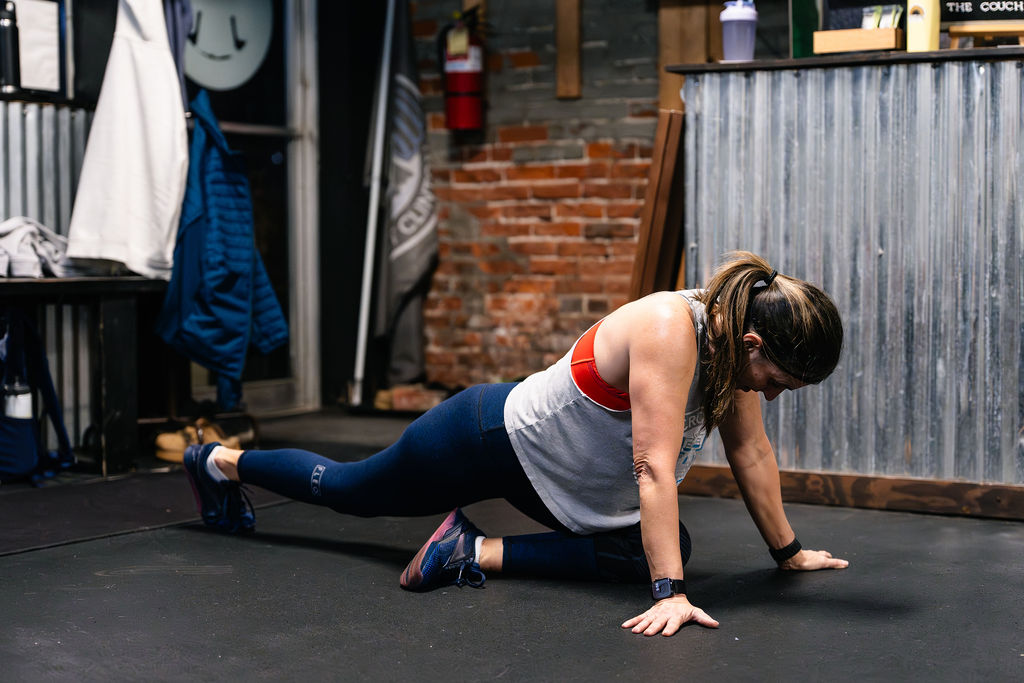
Every body is different, but a gentle beginning often looks like this.
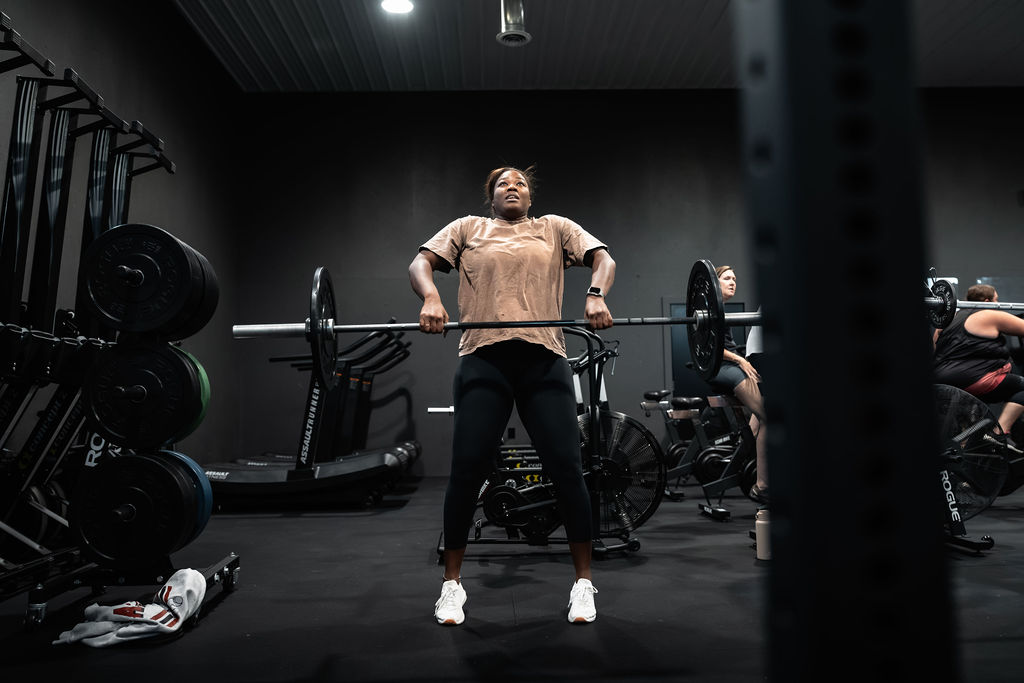
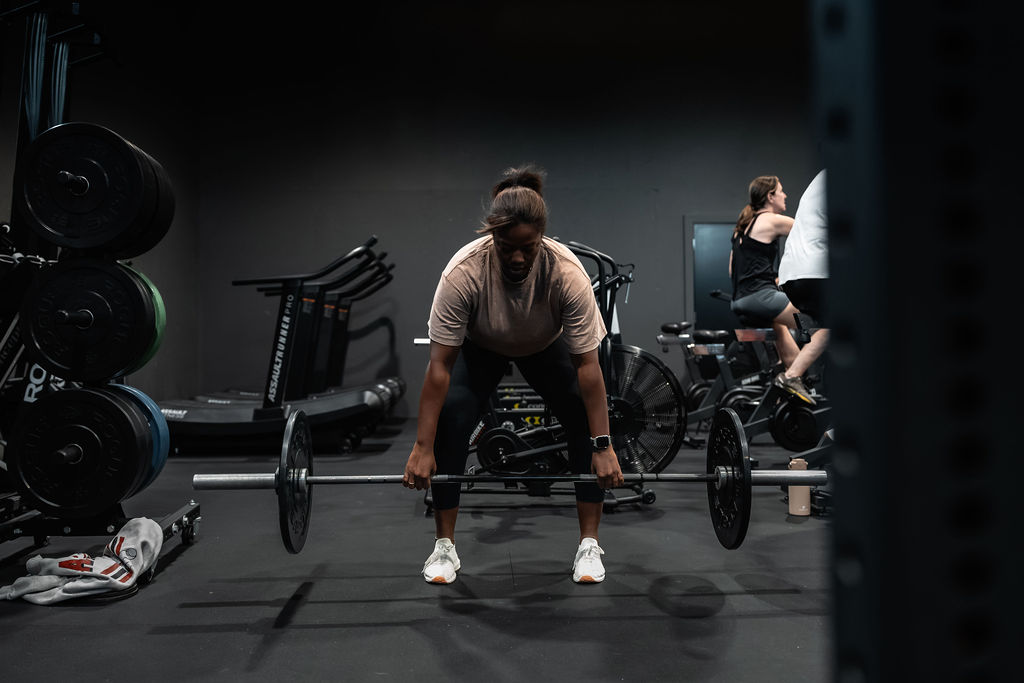
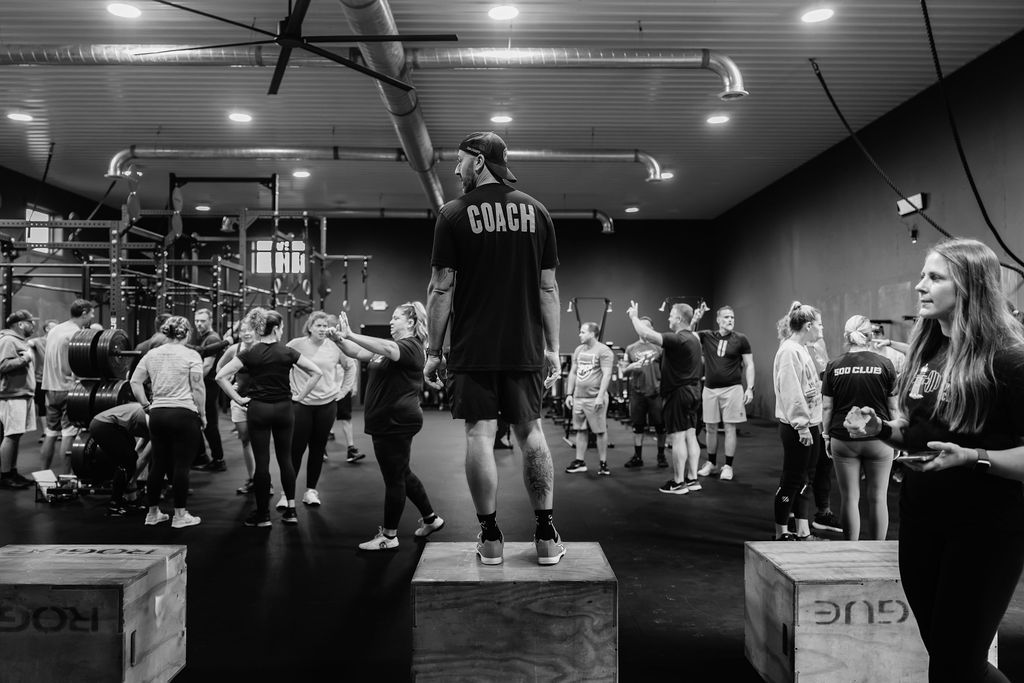
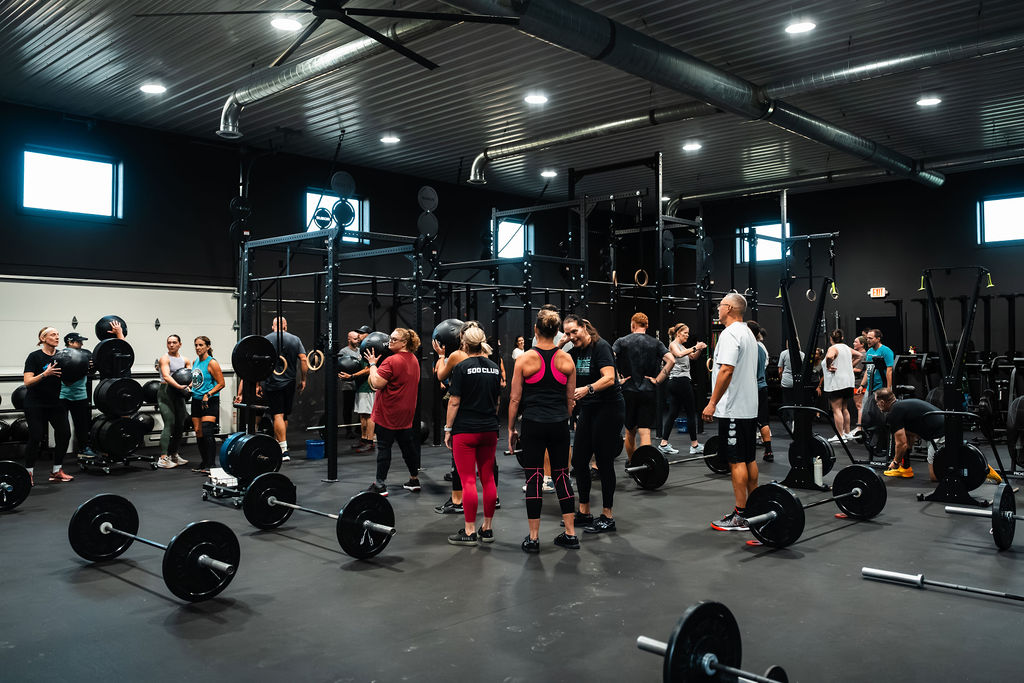
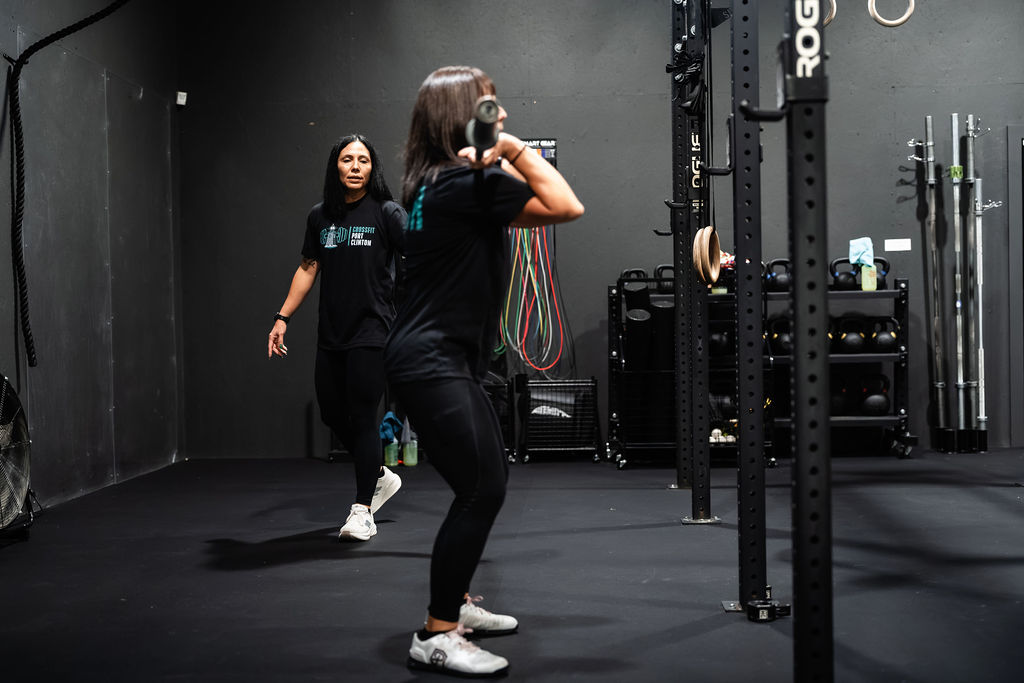
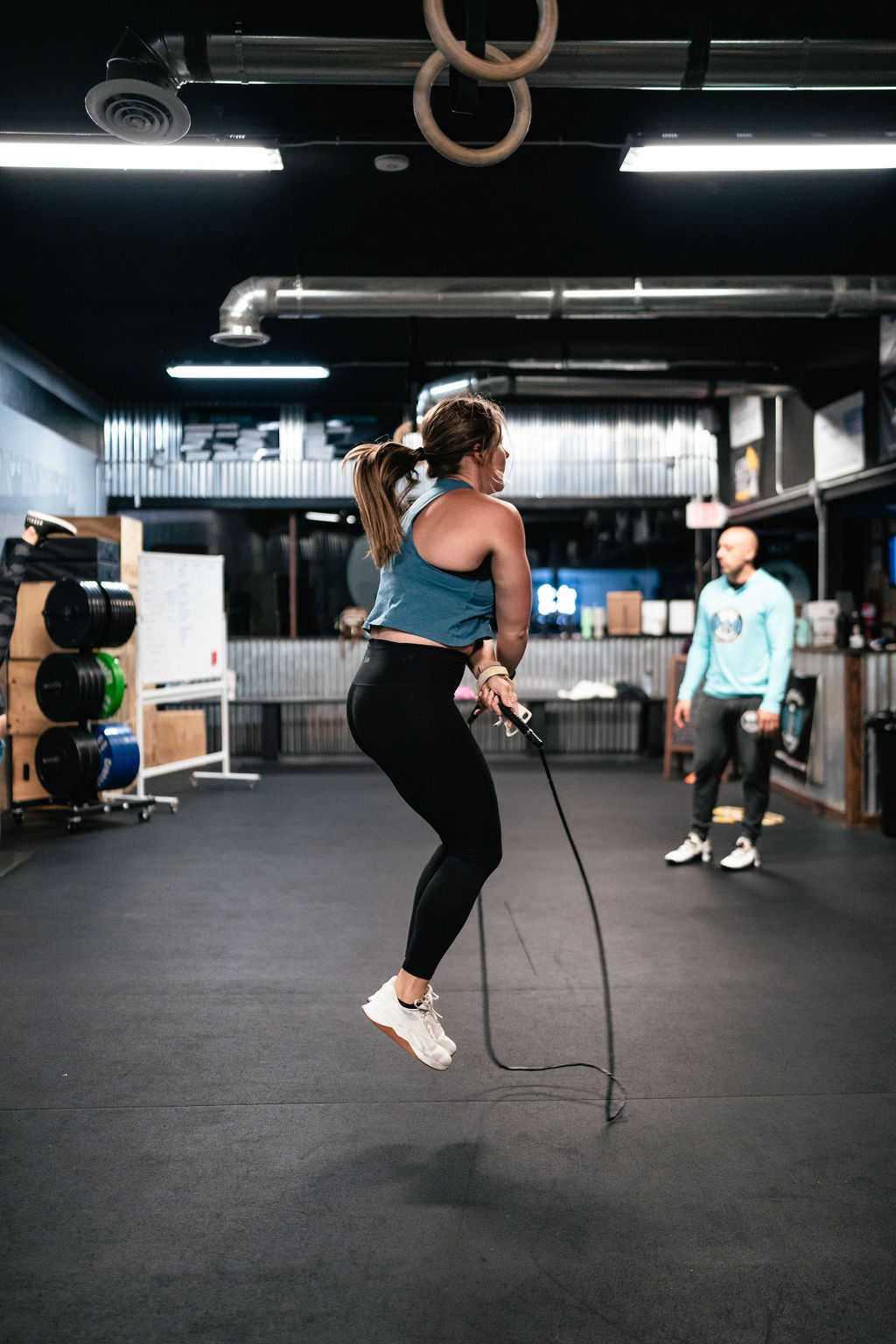
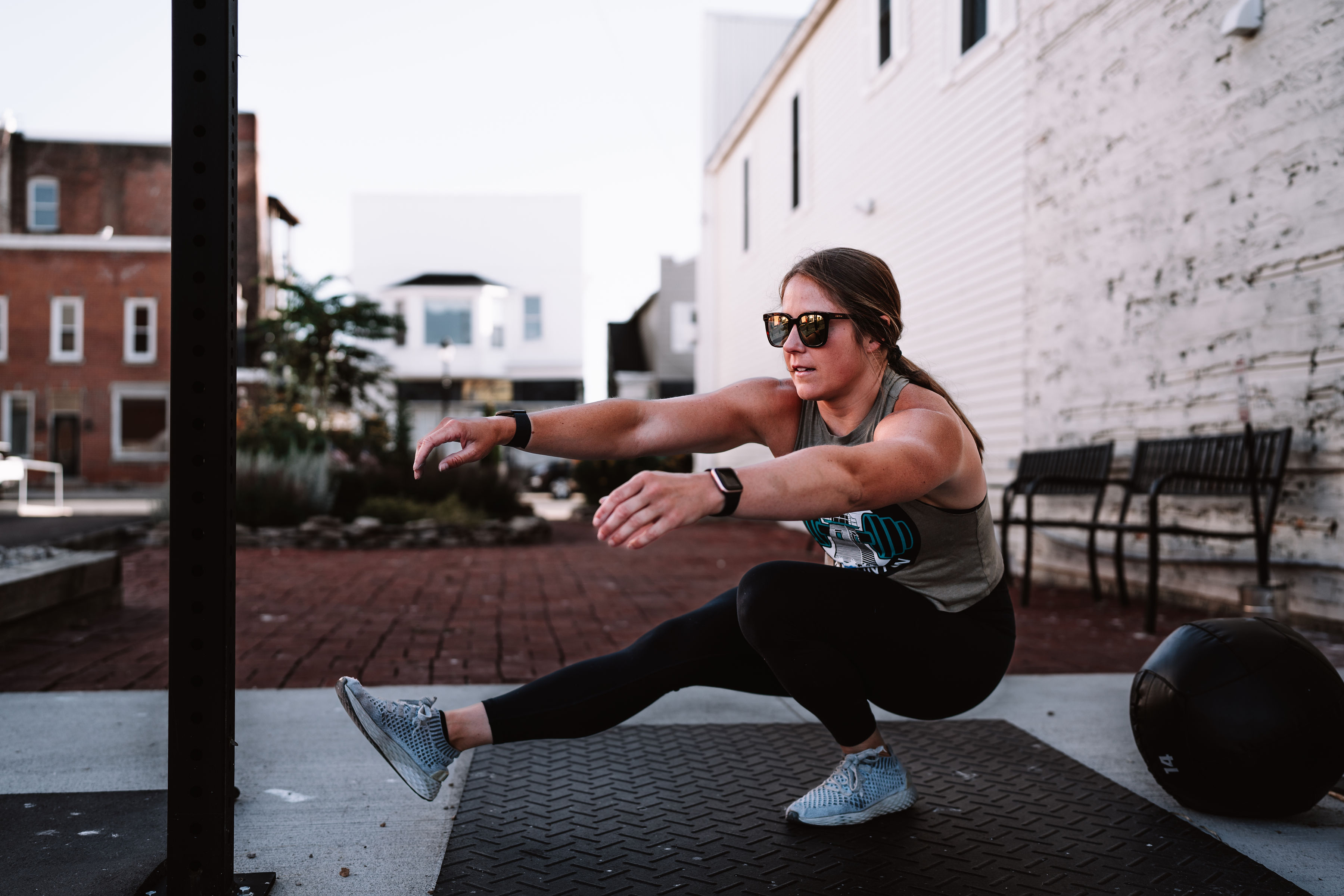
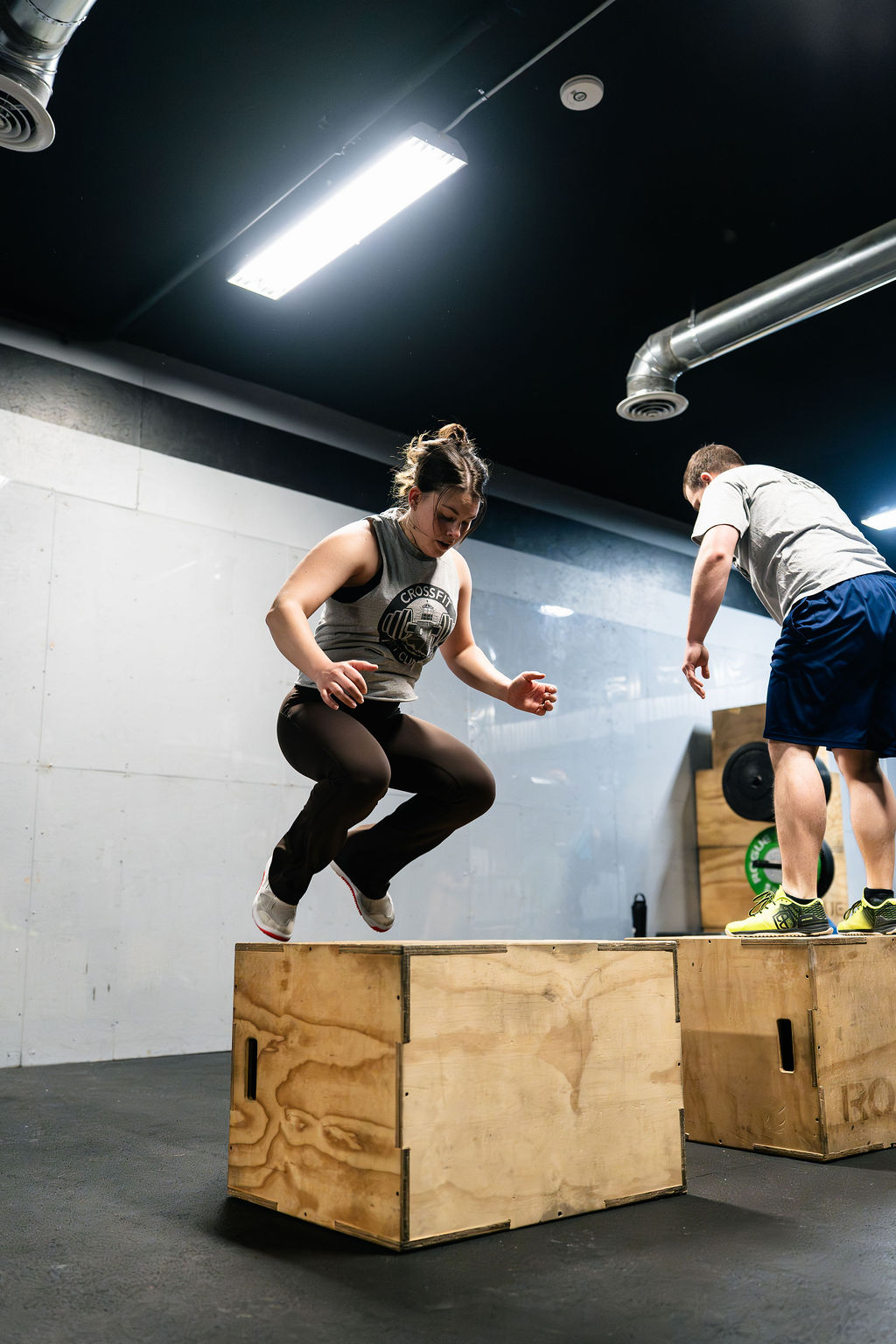
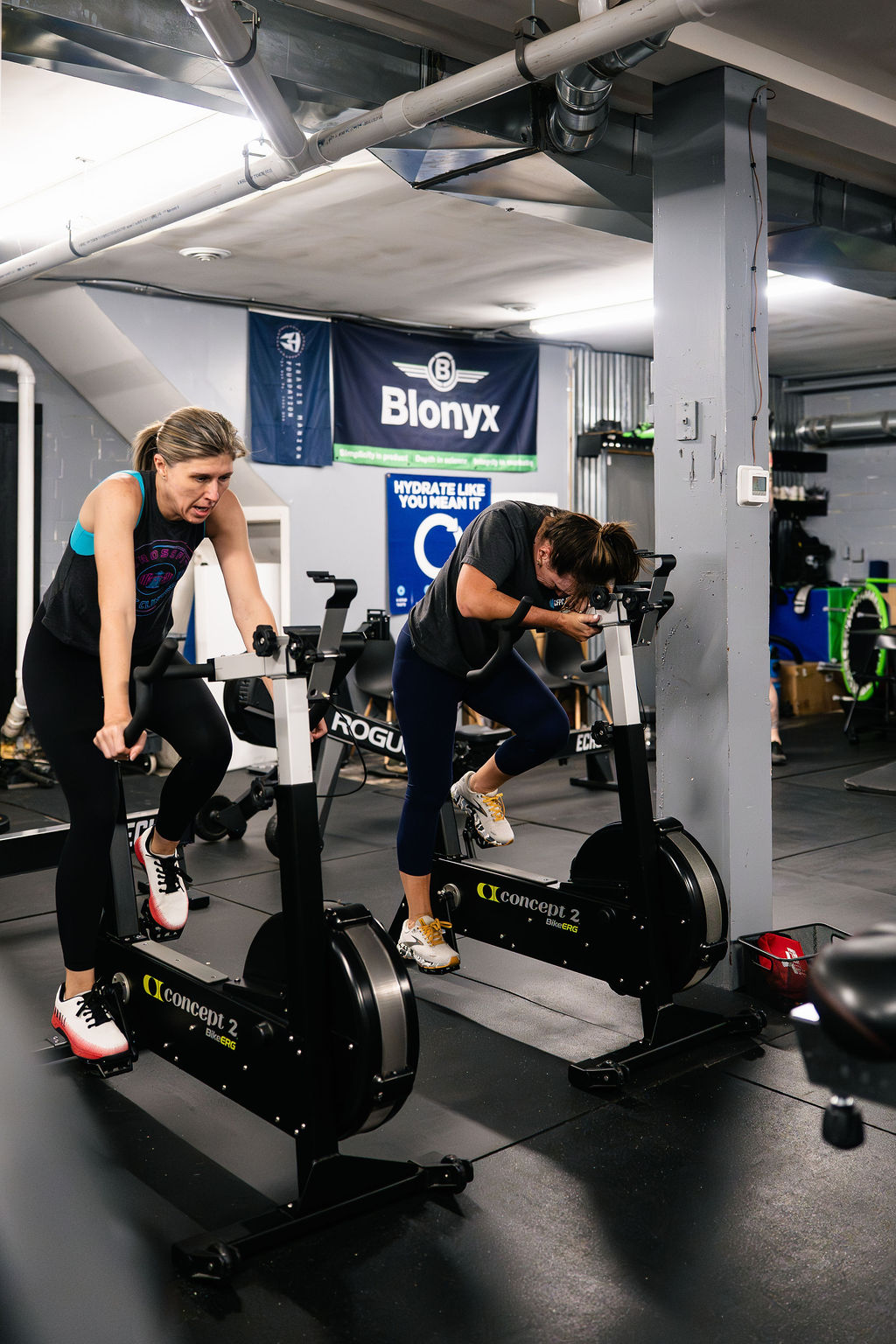
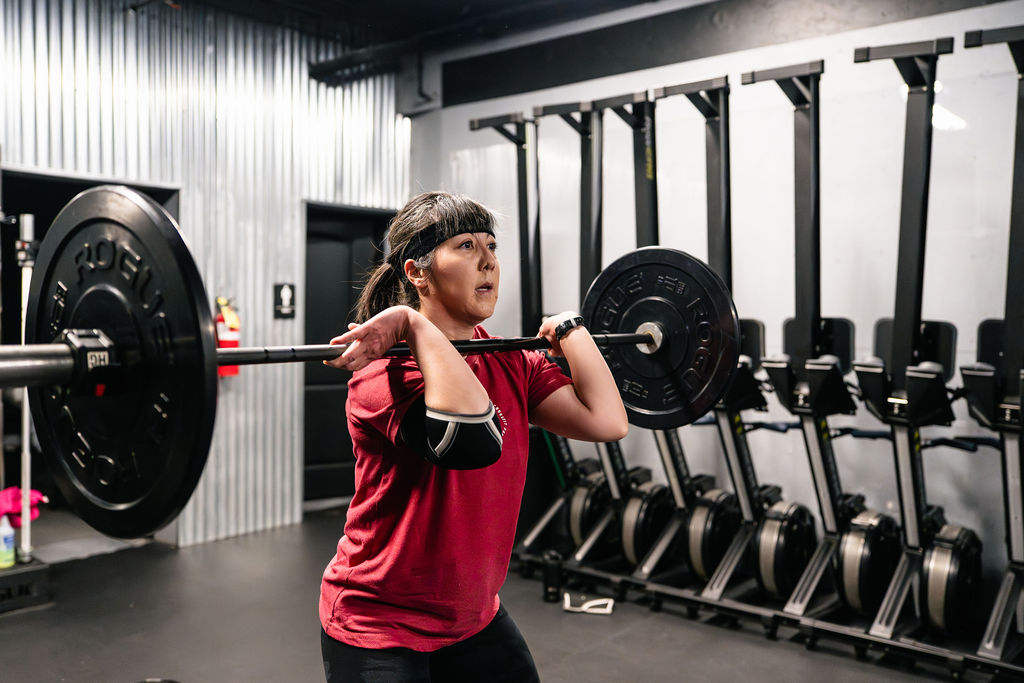
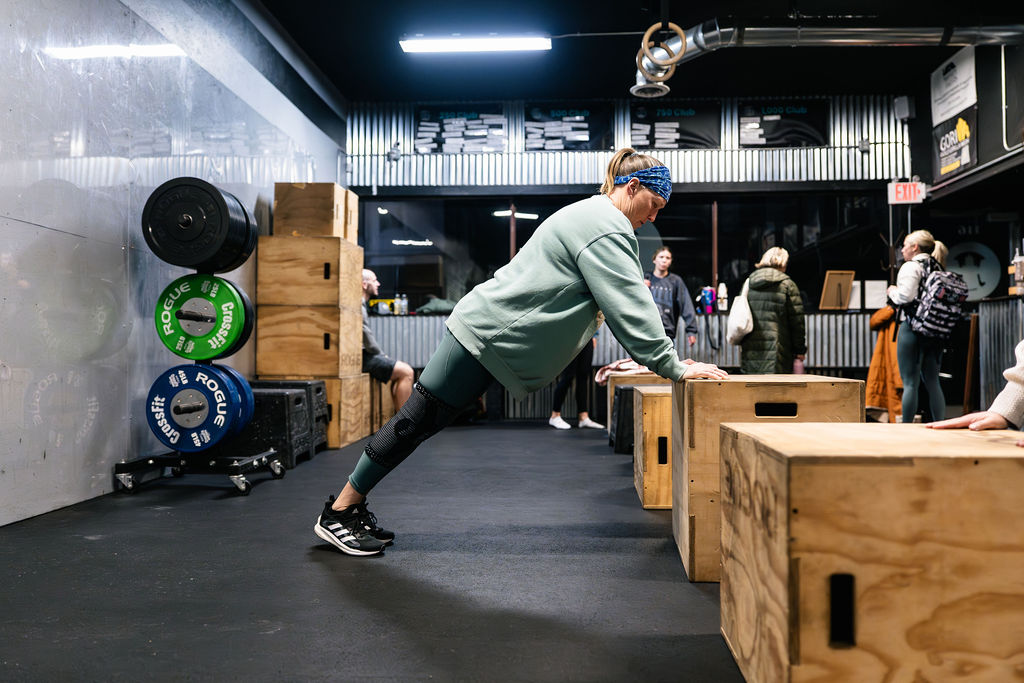
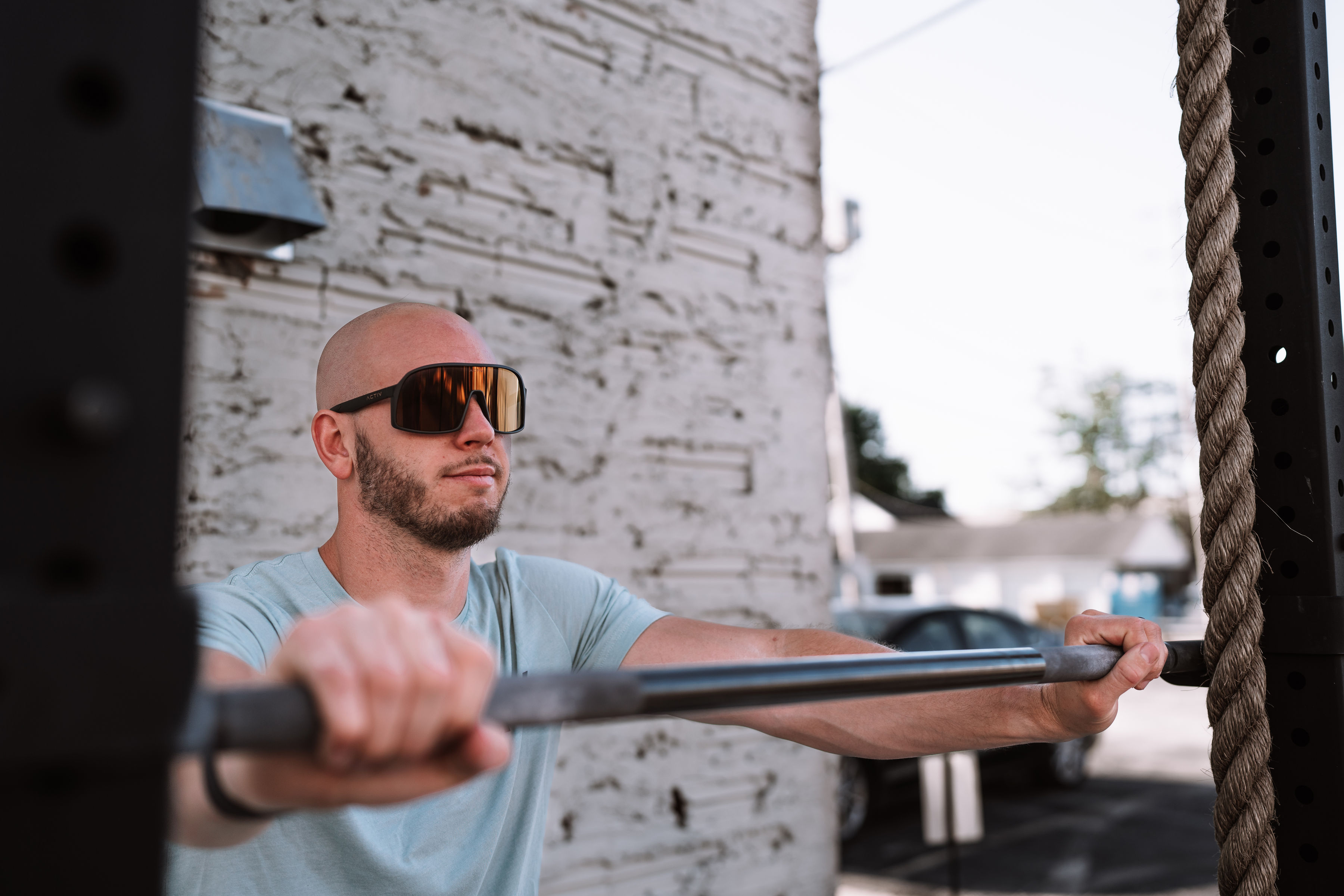
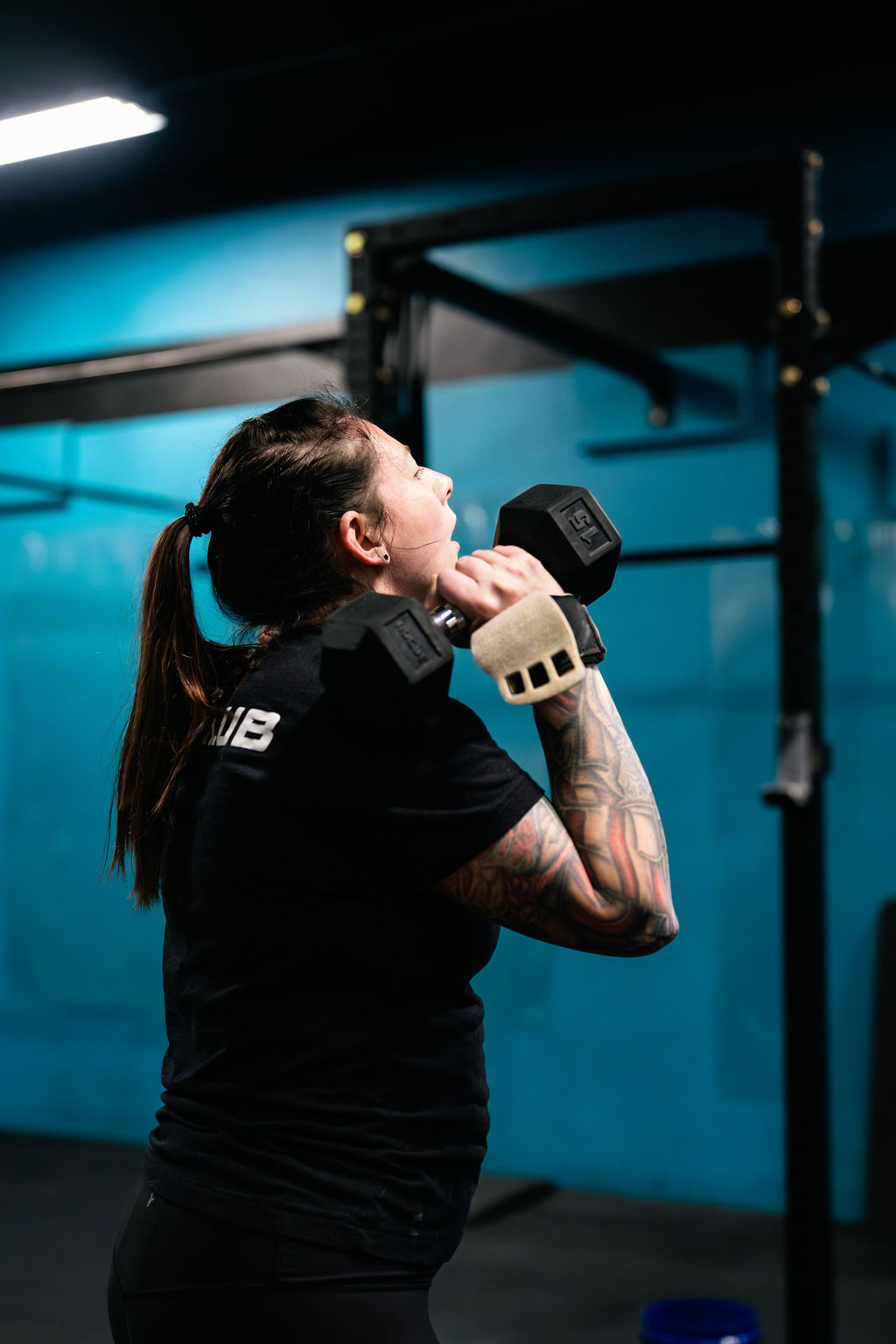
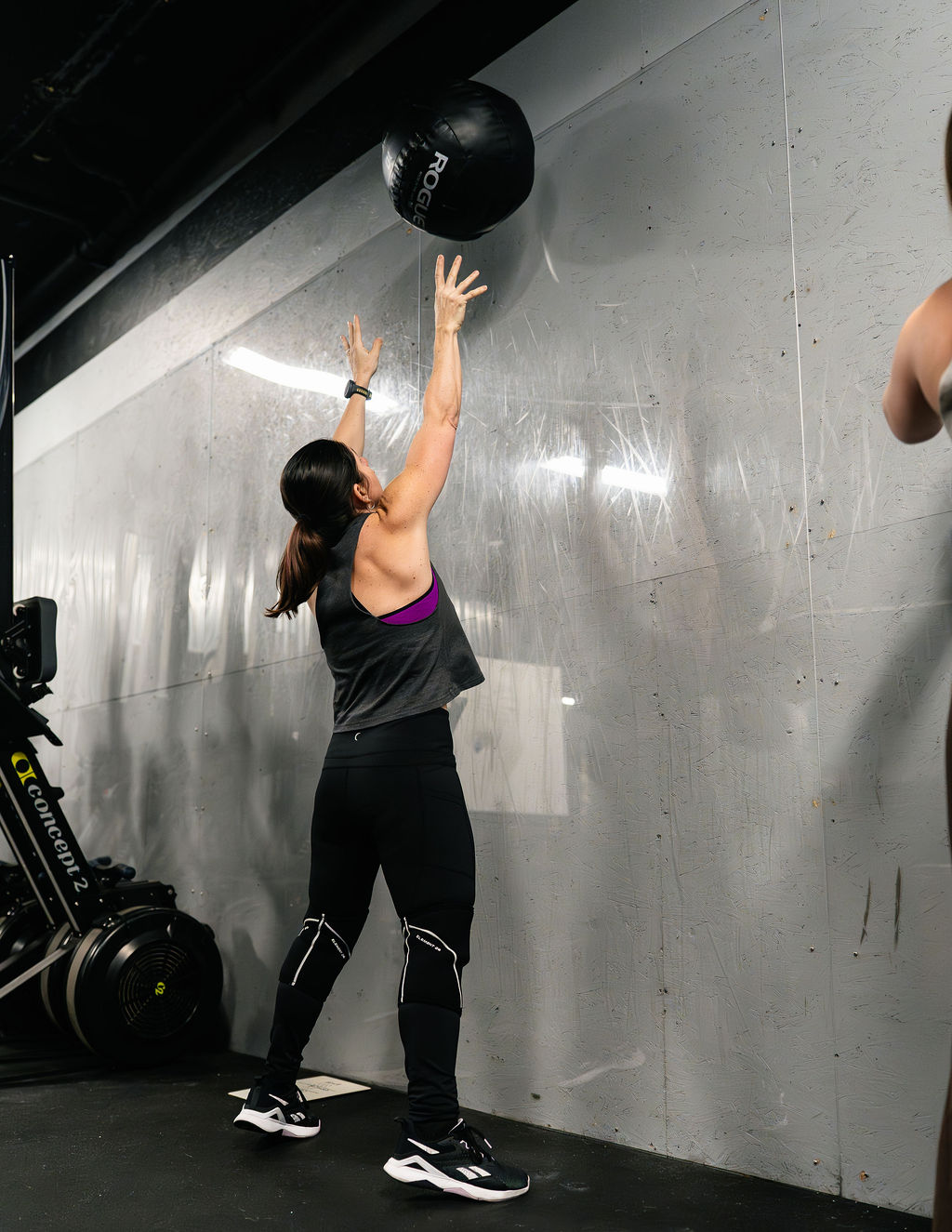
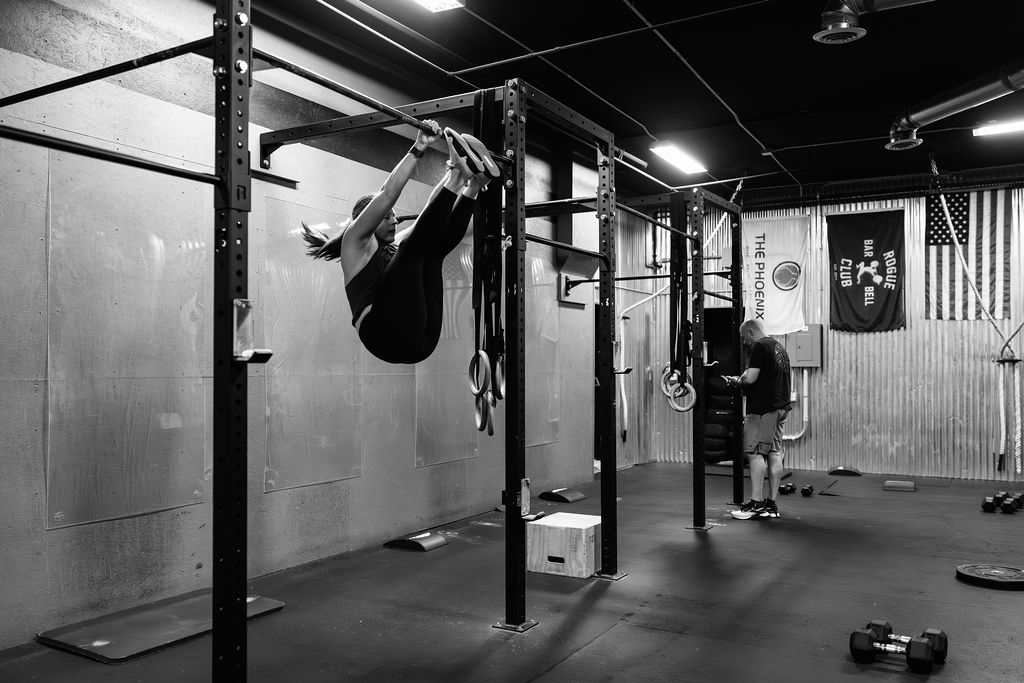
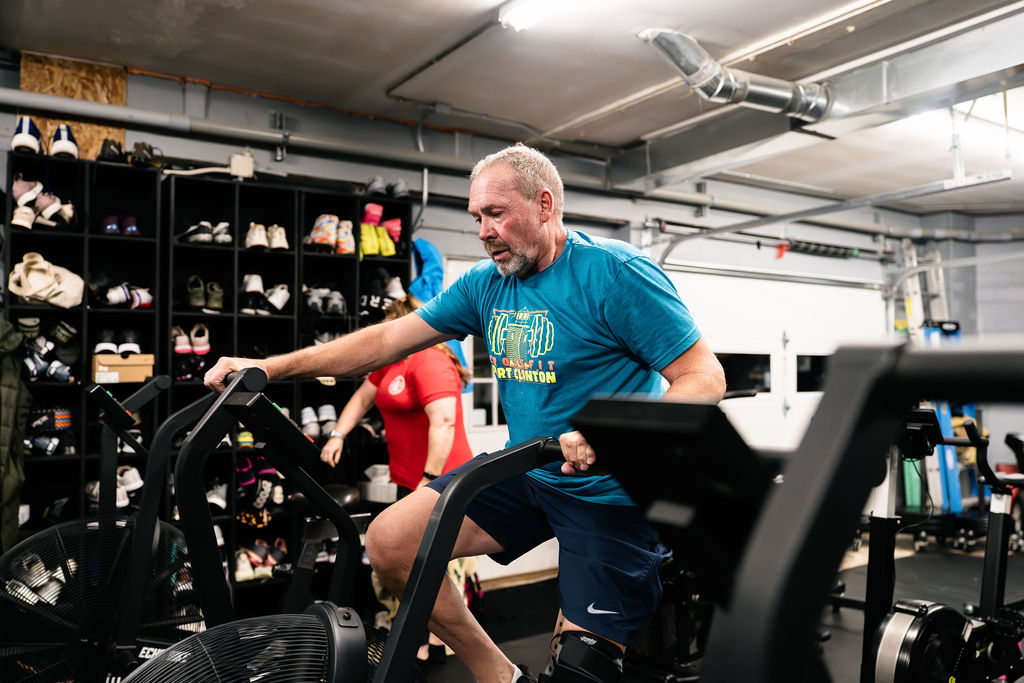
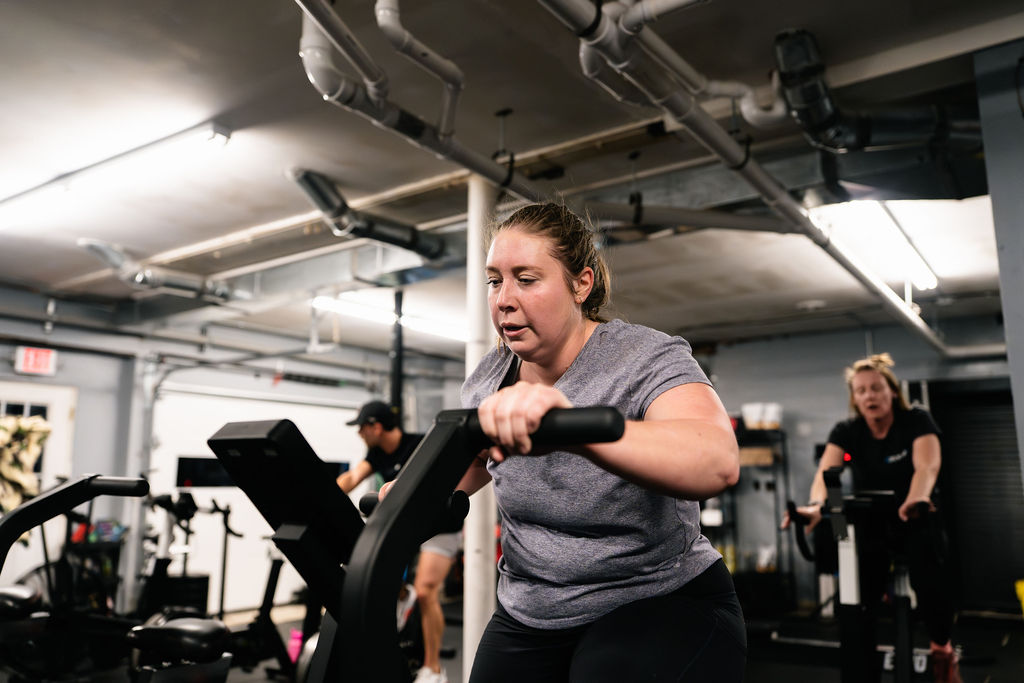
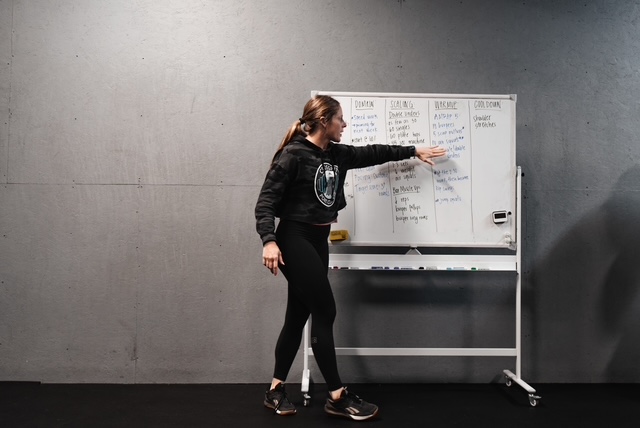
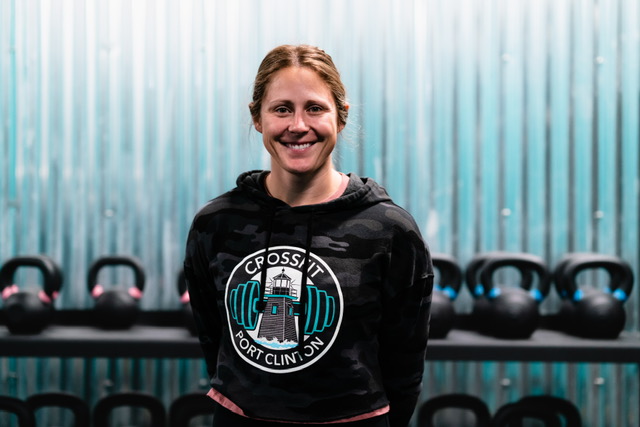
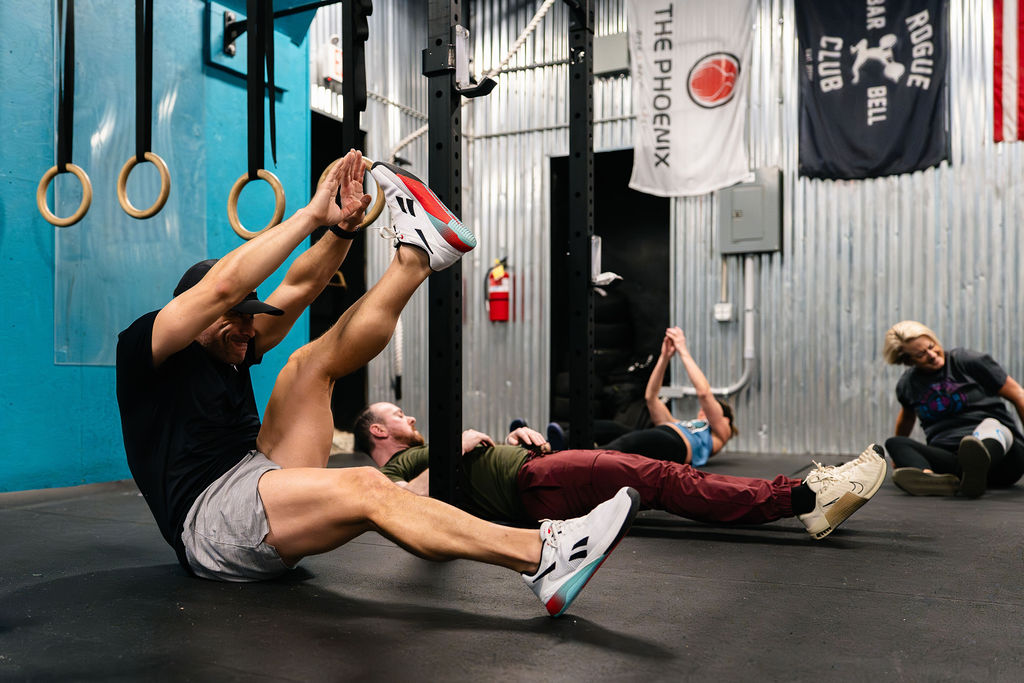
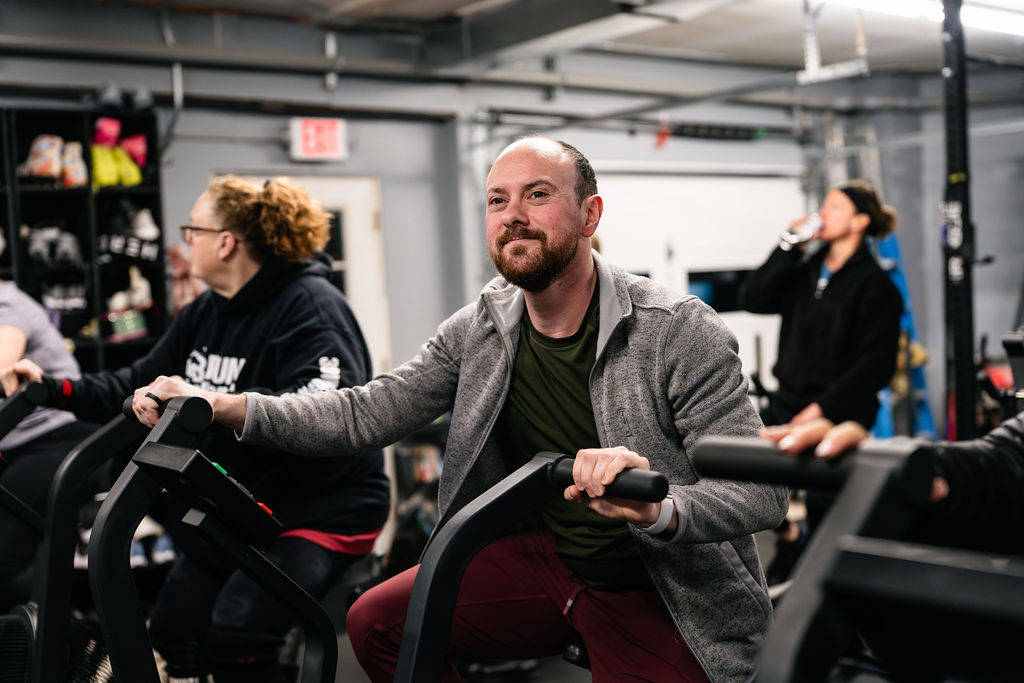
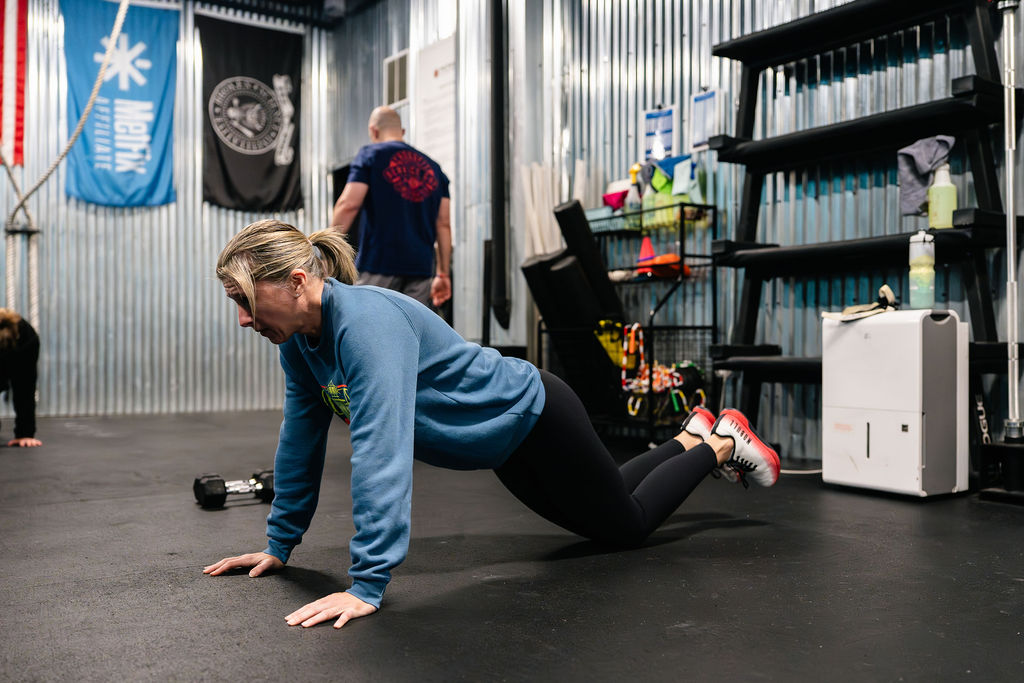
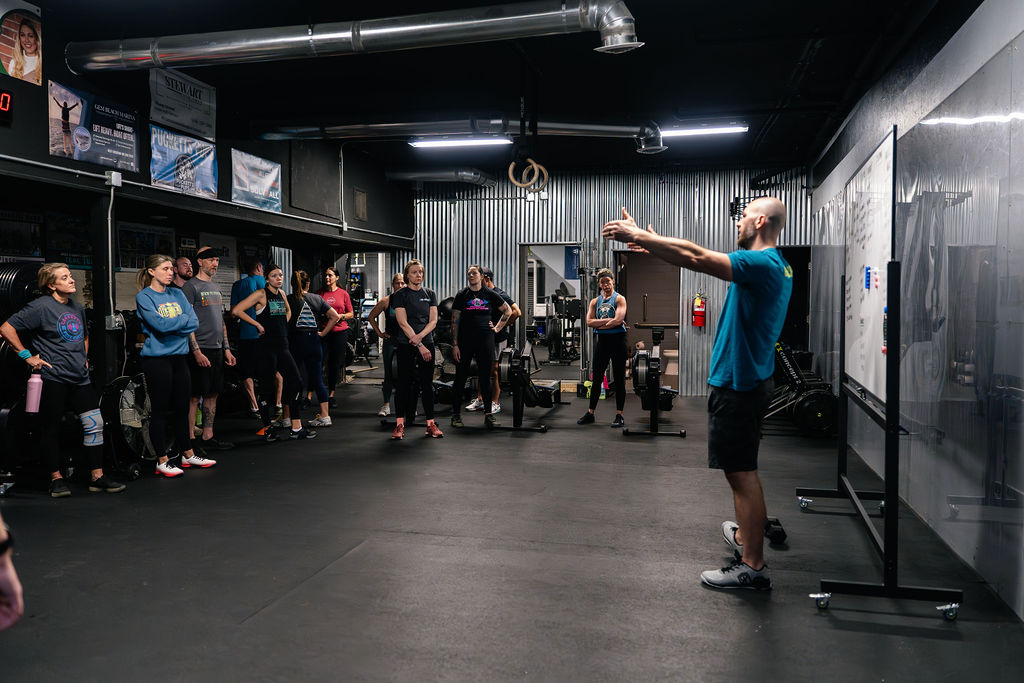
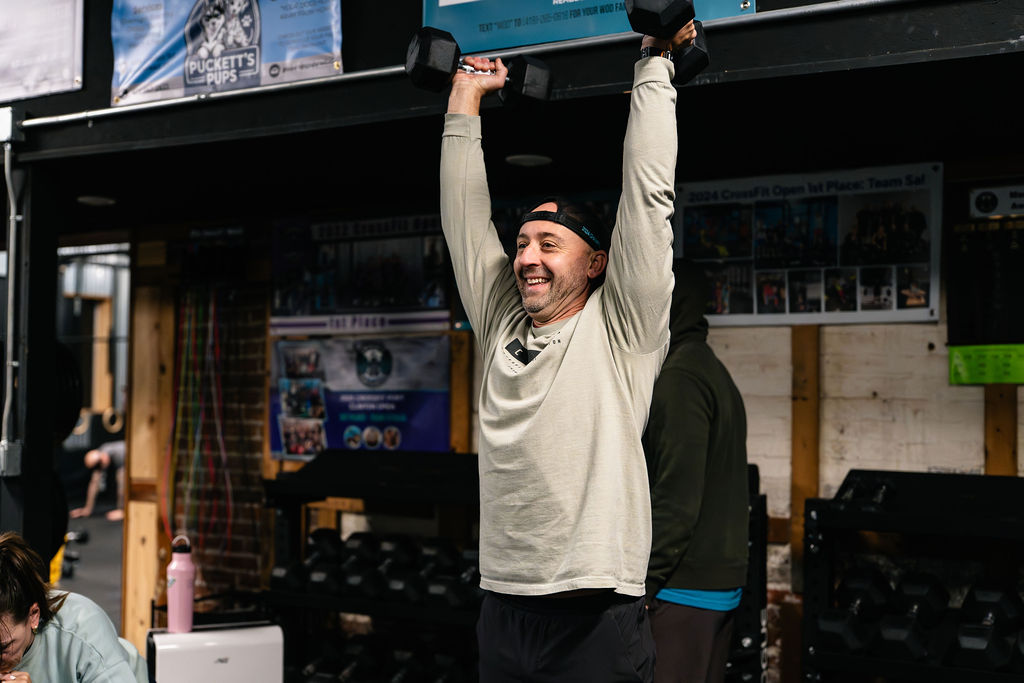
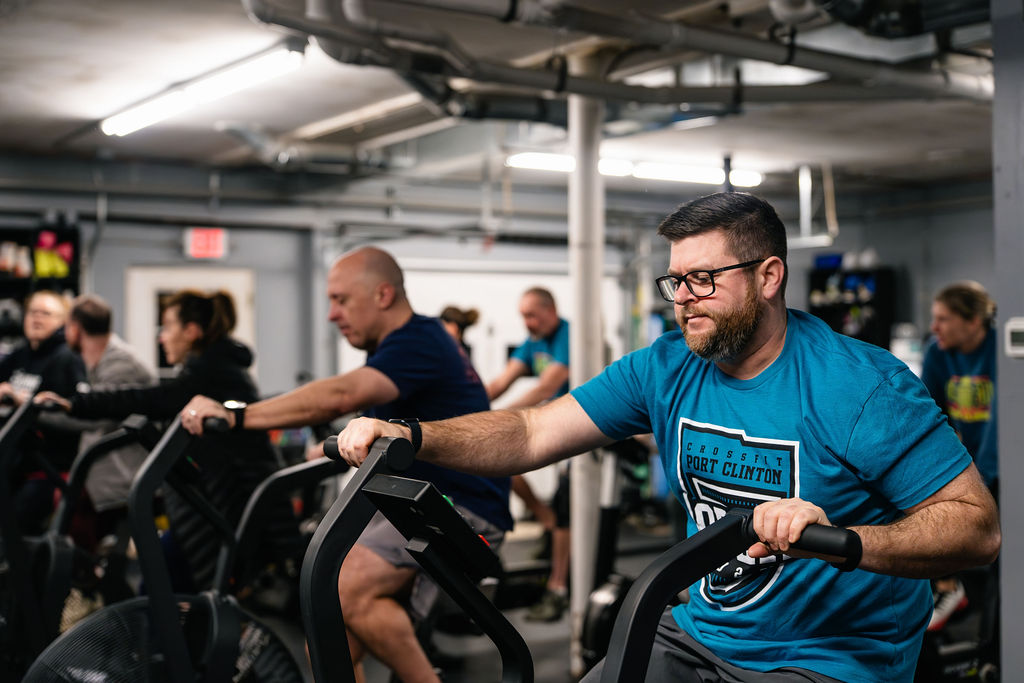
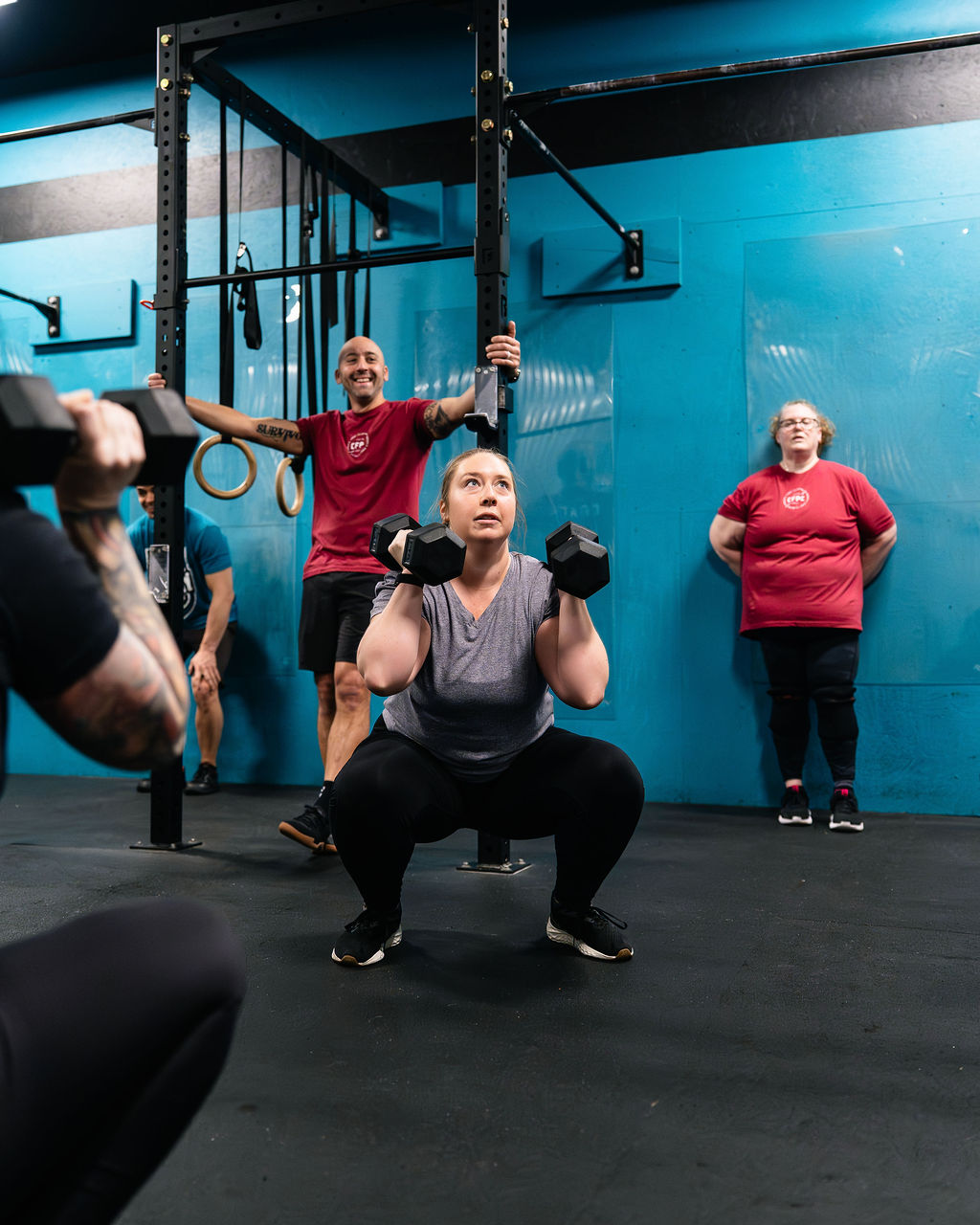
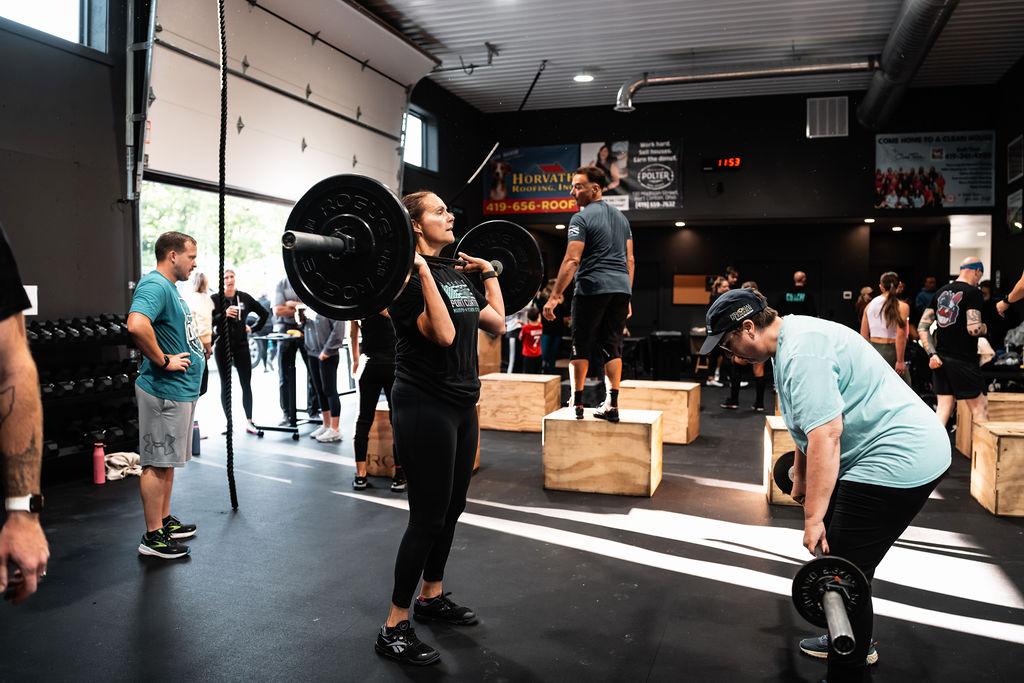
At a CrossFit gym, scaling is not a downgrade. It is the whole point. If something hurts, we change it: lighter weight, smaller range of motion, a different movement, fewer reps, more rest. The workout is the same shape, and you are in it with everyone else, at a level that works for you.
People with chronic pain often wonder how to tell the difference between "this is uncomfortable" and "this is a problem." There is no perfect rule, and this is exactly where your care team and coach come in. Some general guidance people find helpful:
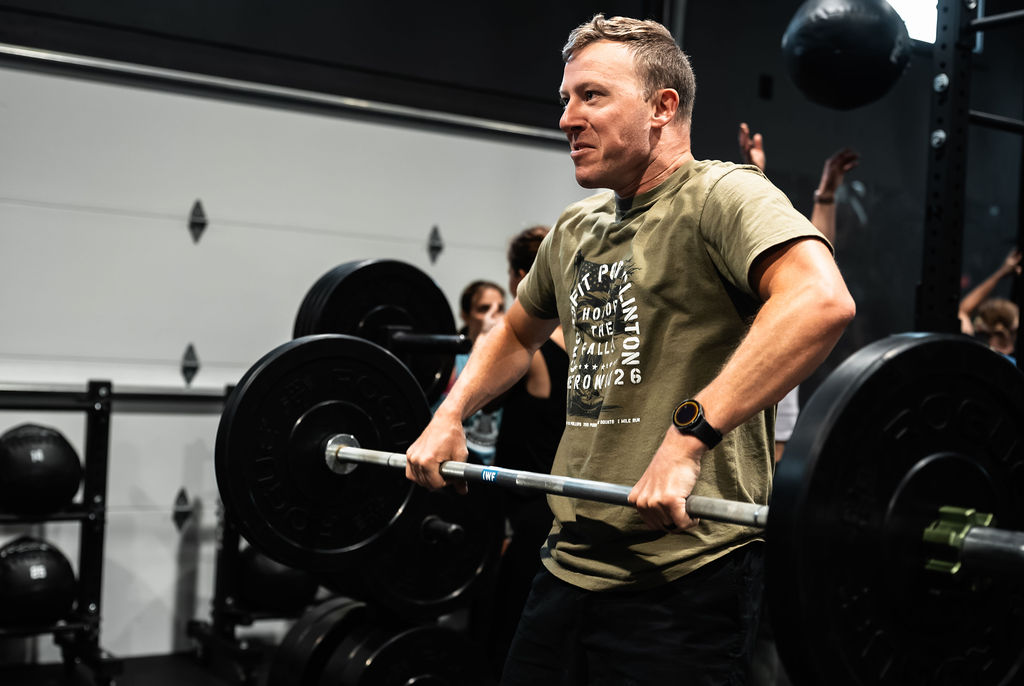
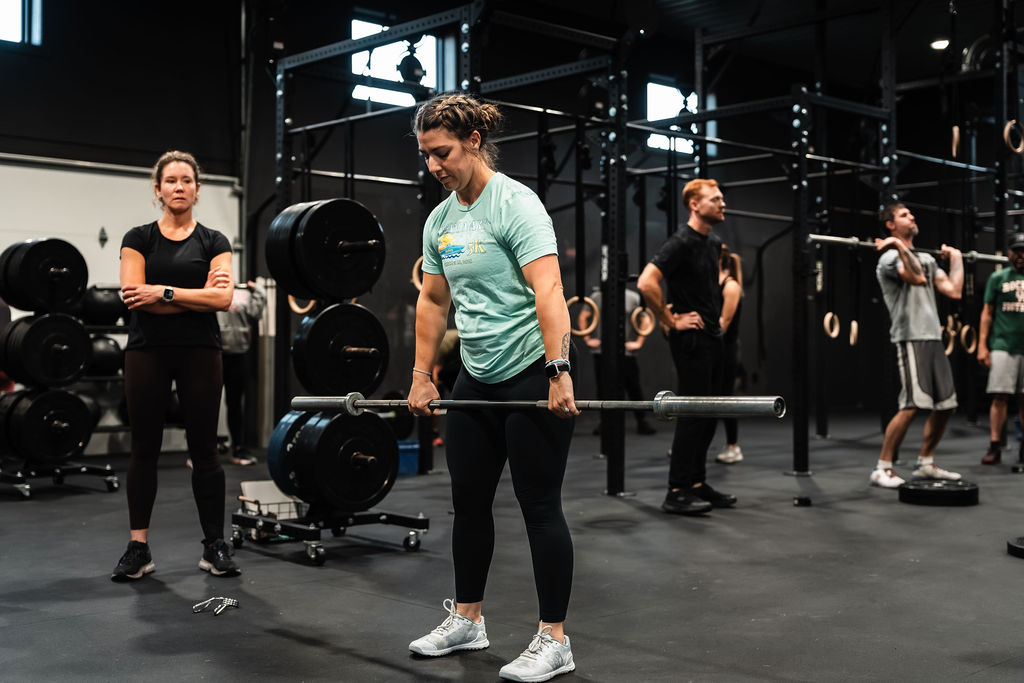
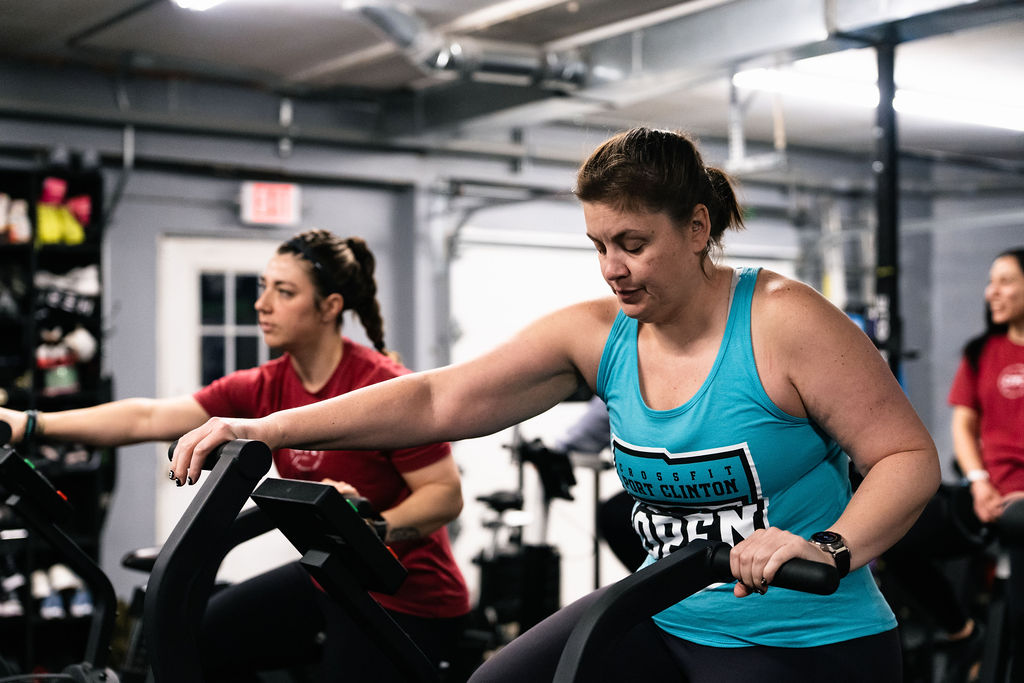
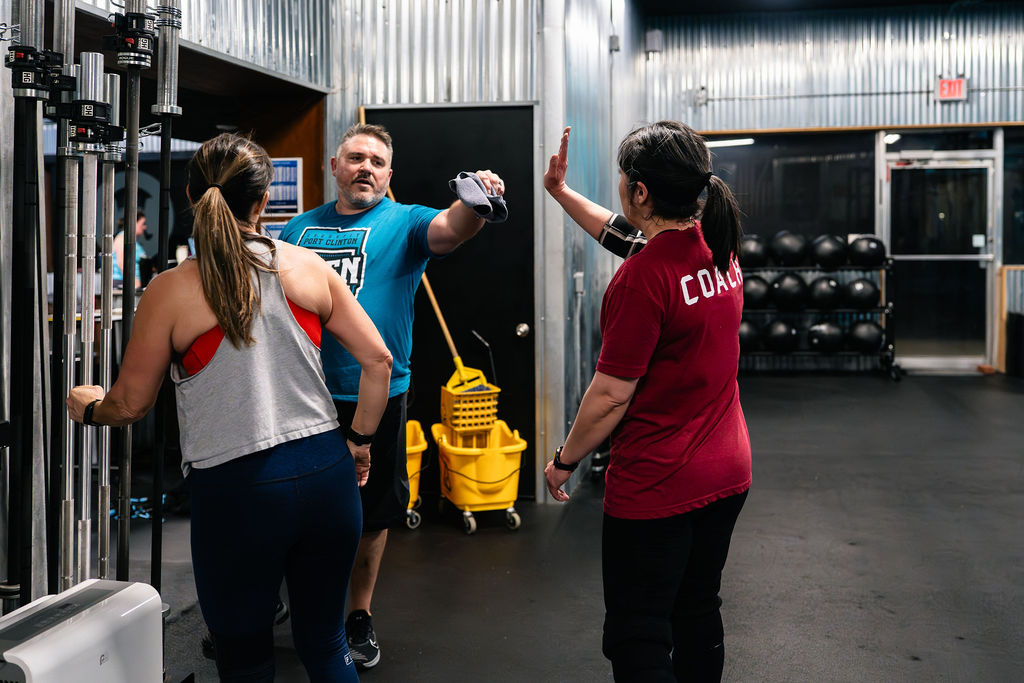
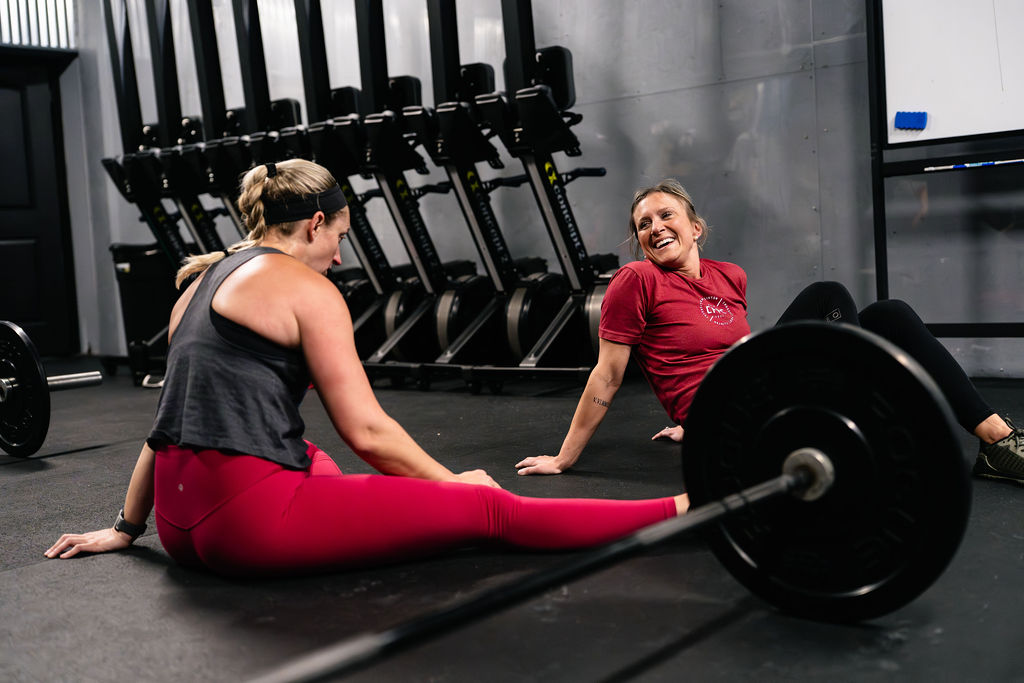
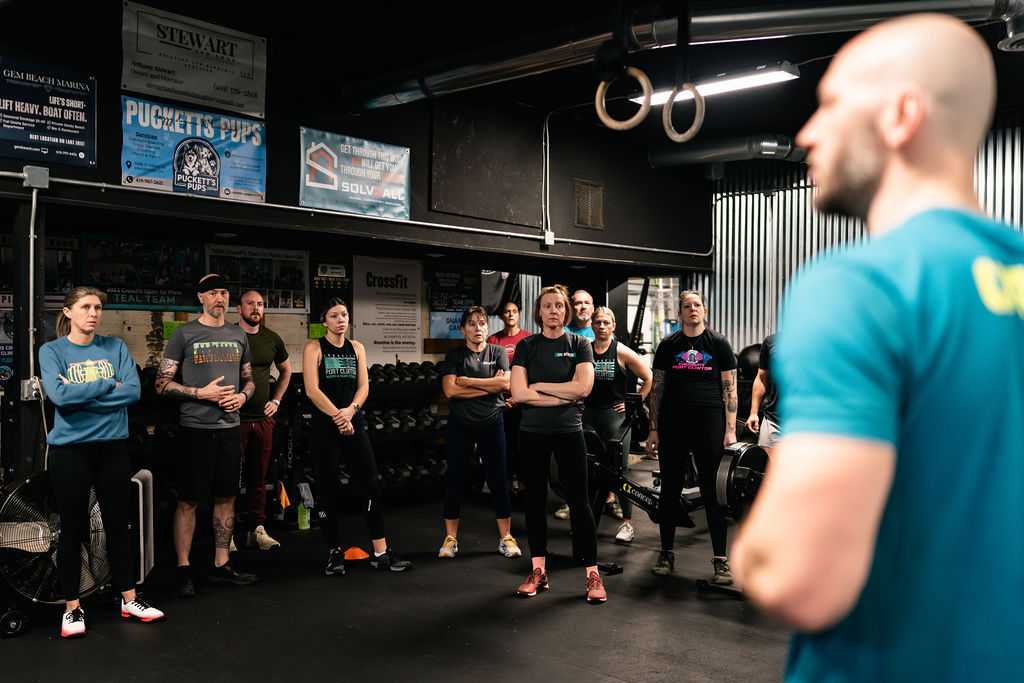
Living with pain is exhausting, and it can affect mood, sleep, and confidence. That is not weakness. It is just what long-term pain does. A supportive community can help. A gym where people ask how you are, cheer for your wins, and do not treat your limits as a problem makes a real difference.
Your wins might look different from other people's. They might be:
All of those count. Every one.
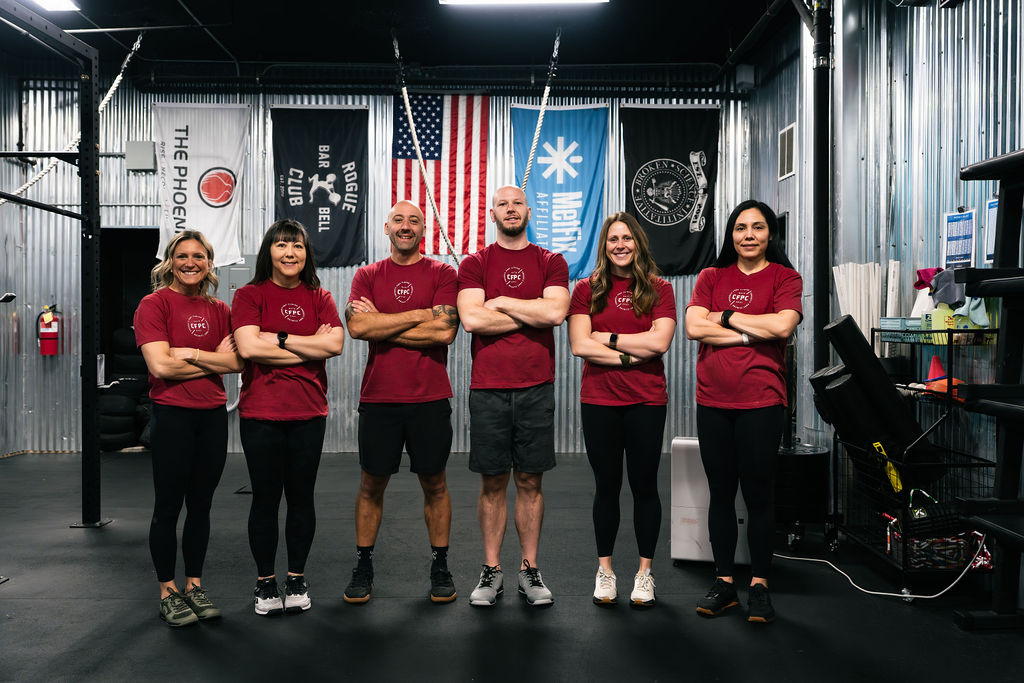
If you have been scared to start because of pain, that makes sense. You are not alone, and you are not too much. The first step is simply telling us your story.
Book your free No Sweat Intro at www.crossfitportclinton.com and come talk with a coach who will listen, ask questions, and help you find a starting point that feels right. No pressure, no pushing through, no judgment.